
Florida, often lauded as the Sunshine State, beckons millions with its pristine beaches, vibrant cities, and enchanting natural landscapes. From the theme parks of Orlando to the historic charm of St. Augustine and the tropical allure of the Florida Keys, it offers an unparalleled array of experiences. However, amidst this idyllic setting, visitors and residents alike sometimes encounter an unwelcome aspect of Florida’s subtropical environment: cockroaches. While their presence can be startling, understanding why they thrive here and implementing effective strategies for prevention and elimination can significantly enhance the comfort and enjoyment of any accommodation, be it a short-term rental, a luxury resort, or a long-term residence. This comprehensive guide provides insights and actionable steps to maintain a cockroach-free living space in Florida, ensuring your stay is as pleasant and pest-free as possible.
.2412070152252.webp)
Understanding Florida’s Cockroach Challenge in Accommodation
The fight against cockroaches in Florida isn’t just about cleanliness; it’s a battle against nature itself. The state’s unique climate and ecological features create an ideal breeding ground for these resilient insects, making proactive and reactive measures crucial for any form of accommodation.
Why Florida is a Haven for Roaches
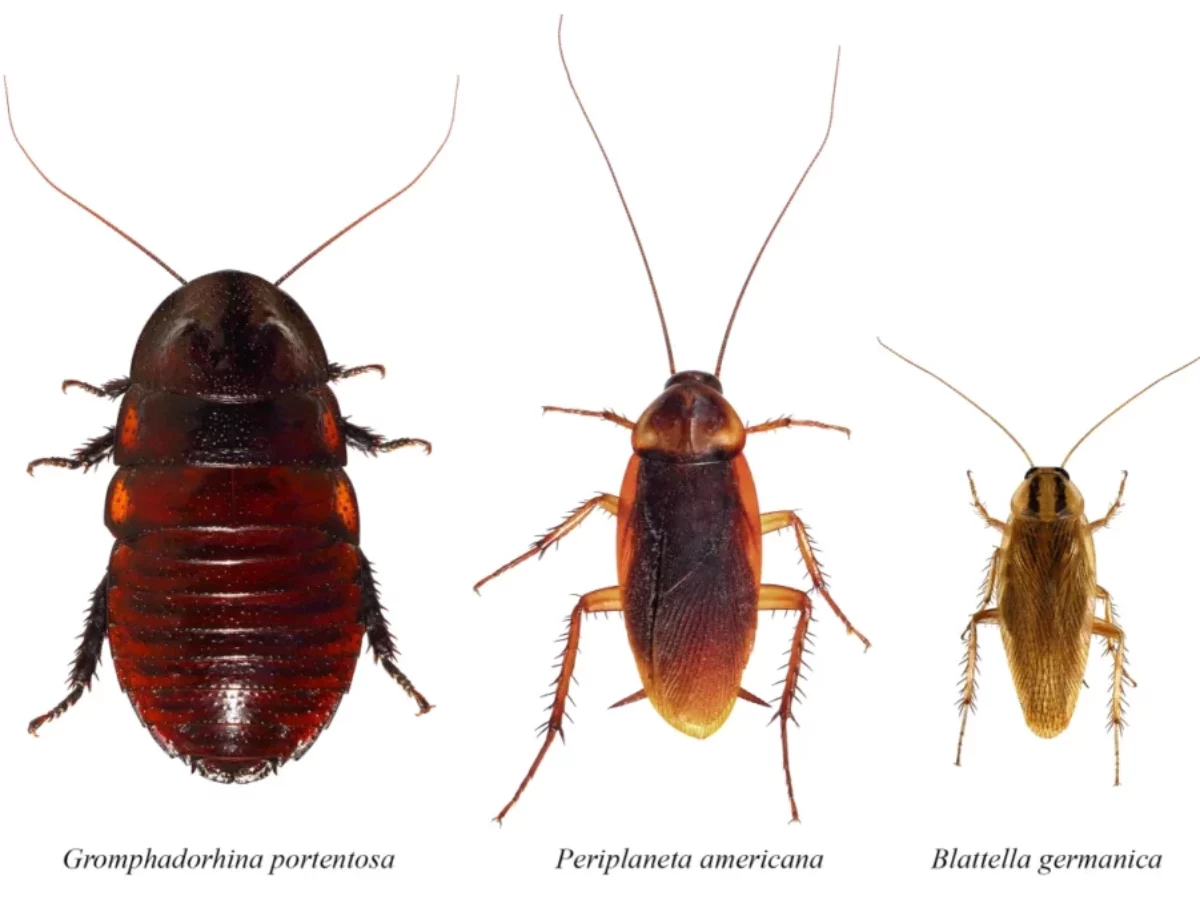
Florida’s year-round warmth and high humidity are primary factors contributing to its robust cockroach population. Unlike colder climates where insect activity wanes in winter, Florida’s consistent temperatures allow cockroaches to thrive continuously. Lush vegetation provides ample outdoor harborage, while abundant food sources, from waste products to household crumbs, sustain their colonies. Common species encountered include the large American cockroach (often locally dubbed “palmetto bugs”), the smaller German cockroach, and the Asian cockroach, each with distinct habits but a shared inclination for warm, moist environments. These conditions mean that even the most meticulously maintained accommodations can occasionally experience unwelcome visitors, as cockroaches seek shelter, food, and water indoors, particularly during heavy rains or extreme heat.
Impact on Your Stay
The presence of cockroaches, regardless of their size or species, can significantly detract from the quality and comfort of your accommodation experience. For travelers, finding a cockroach in a hotel room or vacation rental can immediately create a sense of unease, questioning the cleanliness and hygiene standards of the property. This can lead to disrupted sleep, anxiety, and a general feeling of dissatisfaction that overshadows the positive aspects of a Florida getaway. For long-term residents, an unchecked cockroach problem can escalate into a severe infestation, posing potential health risks by contaminating food surfaces and exacerbating allergies or asthma, particularly in children. Beyond the physical discomfort, the psychological impact of living with pests can be considerable, making a seemingly simple problem a significant stressor.
Proactive Measures: Choosing and Preparing Your Florida Accommodation
The best defense against cockroaches is a strong offense. By making informed choices about your accommodation and taking initial preventative steps, you can significantly reduce the likelihood of encountering these pests.
Researching Pest-Managed Properties
Before booking any accommodation in Florida, whether it’s a hotel, resort, apartment, or villa, thorough research is paramount. Scrutinize online reviews on platforms like TripAdvisor, Google Reviews, or Airbnb for any mentions of pest issues. Look for properties that explicitly state they have a regular, professional pest control program in place. Reputable hotels and property management companies for vacation rentals often highlight their commitment to guest comfort and hygiene, which includes robust pest management strategies. While no property can guarantee absolute immunity, those with a proactive approach are far less likely to present a problem.
Initial Inspection Upon Arrival
Once you’ve arrived at your chosen accommodation, take a few minutes for a quick but thorough inspection before unpacking completely. Focus on areas where cockroaches are most likely to hide or forage. Check under the sink in the kitchen and bathroom, behind appliances, in cabinets, drawers, and along baseboards. Look for signs of activity such as droppings (small, dark specks resembling coffee grounds or black pepper), egg cases (small, dark, oval-shaped capsules), or live insects scuttling away when lights are turned on. Pay attention to any unusual smells, which might indicate a hidden infestation. If you find significant evidence of pests during this initial check, document it immediately and proceed to communicate with management.
Sealing Entry Points (if applicable)
For longer stays or private rentals where you have more control over the immediate environment, taking steps to seal potential entry points can be highly effective. Cockroaches are master infiltrators, capable of squeezing through incredibly tiny cracks. Inspect window screens for tears, check the weather stripping around doors, and look for any gaps or cracks in walls, especially around pipes and electrical outlets. While you might not be able to make structural changes in a temporary rental, simply being aware of these vulnerabilities can help you understand how pests might be entering and inform your subsequent actions. For self-catering units, ensure all food is stored in airtight containers and never left exposed on counters overnight.
Immediate Action: What To Do If You Find Cockroaches
Despite all proactive measures, an encounter with a cockroach in Florida accommodation can still happen. Knowing how to react calmly and effectively is crucial for resolving the issue quickly.
Documenting the Issue
The moment you discover a cockroach or signs of infestation, resist the urge to panic. Instead, take clear photos or videos of the pest and its location. This documentation serves as undeniable proof when communicating with property management or landlords. Note the date, time, and specific area where the sighting occurred. The more evidence you can provide, the stronger your case for a swift and appropriate response. This is particularly important in hotels where a room change might be necessary, or in rentals where professional pest control services need to be arranged.
Communicating with Management/Landlord
Armed with your documentation, immediately contact the hotel front desk, resort management, or your rental landlord/property manager. Maintain a professional and calm demeanor while clearly explaining the situation. For hotel guests, common responses include offering a different room (often an upgrade as an apology), arranging for immediate pest control treatment, or providing other forms of compensation. In a long-term rental, landlords are typically responsible for pest control as part of maintaining a habitable living space, though specific responsibilities can vary by lease agreement and local tenant laws. Be clear about your expectation for a resolution and follow up if the issue isn’t addressed promptly.
Temporary Solutions for Personal Space
While waiting for professional intervention, there are a few temporary steps you can take to minimize personal discomfort. Keep all food items sealed in airtight containers or stored in the refrigerator. Regularly empty trash cans, ensuring they have tight-fitting lids. Wipe down all kitchen and bathroom surfaces thoroughly after use. If you have personal, non-toxic repellents (like essential oil sprays containing peppermint or cedarwood), you can use them cautiously in your immediate vicinity, but avoid aggressive self-treatment with strong chemicals, especially in rented properties, as this could interfere with professional treatments or violate lease terms. Focus on cleanliness and containment to prevent the problem from spreading to your belongings.
Long-Term Strategies for Maintaining a Roach-Free Environment
For those enjoying extended stays or living permanently in Florida, maintaining a cockroach-free environment requires ongoing vigilance and a combination of diligent habits and professional support.
Diligent Sanitation and Food Storage
This is the absolute cornerstone of effective cockroach control. Cockroaches are primarily driven by the search for food and water. In any accommodation with a kitchen, ensure all food is stored in sealed containers. Never leave dirty dishes in the sink overnight. Wipe down counters, stovetops, and dining areas immediately after use, removing all crumbs and spills. Sweep and mop floors regularly, especially in kitchens and dining areas. Promptly dispose of trash in bins with tight-fitting lids, and take outdoor trash out frequently, especially if it contains food waste. Even small neglected crumbs can sustain a cockroach population, so consistency is key.
Moisture Control
Moisture is another critical factor for cockroach survival. They are attracted to damp environments, making bathrooms, kitchens, and laundry areas prime targets. Repair any leaky faucets, pipes, or toilets immediately. Ensure adequate ventilation in bathrooms by using exhaust fans during and after showers. Consider using a dehumidifier in particularly humid areas of your accommodation, especially during the wetter seasons in Florida. Address any condensation issues, as even small puddles of water can be a life source for these pests. Drying out their preferred habitats makes your accommodation far less attractive.
Regular Professional Pest Control
Given Florida’s conducive climate, even the cleanest homes and accommodations often benefit from regular professional pest control services. These services apply targeted treatments that create barriers around the property, addressing both existing infestations and preventing new ones. Professional technicians can identify hidden harborage areas, apply appropriate baits and insecticides safely, and offer expert advice on preventative measures tailored to your specific accommodation and local environment. For long-term renters or homeowners, scheduling quarterly or bi-monthly treatments is often a wise investment to maintain a consistently roach-free living space. Discuss the options with your landlord or a reputable local pest control company.
Common Misconceptions and Florida-Specific Advice
Navigating pest control in Florida can sometimes be confusing due to local terminology and unique environmental factors.
“Palmetto Bugs” vs. Cockroaches
One common point of confusion for newcomers to Florida is the term “palmetto bug.” This is a local colloquialism primarily used to refer to the large, reddish-brown American cockroach, which is native to the region and often seen outdoors or scuttling indoors, especially after heavy rains. While they might seem more formidable due to their size and ability to fly, they are indeed a species of cockroach. Understanding this terminology helps in clear communication with pest control professionals or property management. While they primarily live outdoors, they frequently enter homes seeking shelter, water, or food.
Don’t Blame Yourself (Entirely)
It’s easy to feel embarrassed or responsible when encountering cockroaches, assuming it’s a sign of poor hygiene. While cleanliness is vital in prevention, in Florida, even impeccably clean accommodations can experience cockroach issues. Their pervasive nature, especially in properties adjacent to natural areas or those in older buildings, means they can enter through tiny cracks, plumbing systems, or even hitchhike on groceries or luggage. Recognize that their presence doesn’t necessarily reflect on your tidiness, but swift and consistent action is still required.

Legal Aspects for Renters
For those in long-term rental accommodation in Florida, understanding your tenant rights regarding pest control is important. Generally, landlords are responsible for maintaining a habitable living environment, which includes addressing pest infestations that make the property unsafe or unsanitary. If you report a significant cockroach problem and your landlord fails to act within a reasonable timeframe, you may have legal recourse. Always review your lease agreement and consult with local tenant rights organizations or legal counsel if necessary to understand your specific rights and obligations.
In conclusion, while cockroaches are an undeniable part of the Florida ecosystem, they don’t have to be a part of your accommodation experience. By adopting a proactive mindset, understanding their habits, and implementing consistent preventative and responsive measures, you can ensure your stay in the Sunshine State remains comfortable, hygienic, and free from unwanted insect guests. From diligent cleaning to leveraging professional pest control, mastering these strategies is key to a truly enjoyable and worry-free Florida experience, allowing you to focus on the myriad of attractions and beauty the state has to offer.
LifeOutOfTheBox is a participant in the Amazon Services LLC Associates Program, an affiliate advertising program designed to provide a means for sites to earn advertising fees by advertising and linking to Amazon.com. Amazon, the Amazon logo, AmazonSupply, and the AmazonSupply logo are trademarks of Amazon.com, Inc. or its affiliates. As an Amazon Associate we earn affiliate commissions from qualifying purchases.