
Nestled high in the San Bernardino Mountains of Southern California, Big Bear, California, transforms into a picturesque winter wonderland, drawing visitors from across the globe eager to experience its snowy embrace. For many, the quintessential Big Bear experience is synonymous with crisp mountain air, snow-covered pines, and exhilarating winter sports. But for those planning a visit, a crucial question often arises: “When does it start snowing in Big Bear?” Understanding the typical snowfall patterns and the factors that influence them is key to planning the perfect winter getaway. This guide delves into the nuances of Big Bear’s snowy season, offering insights for first-time visitors and seasoned adventurers alike, ensuring your trip aligns with your snowy aspirations.
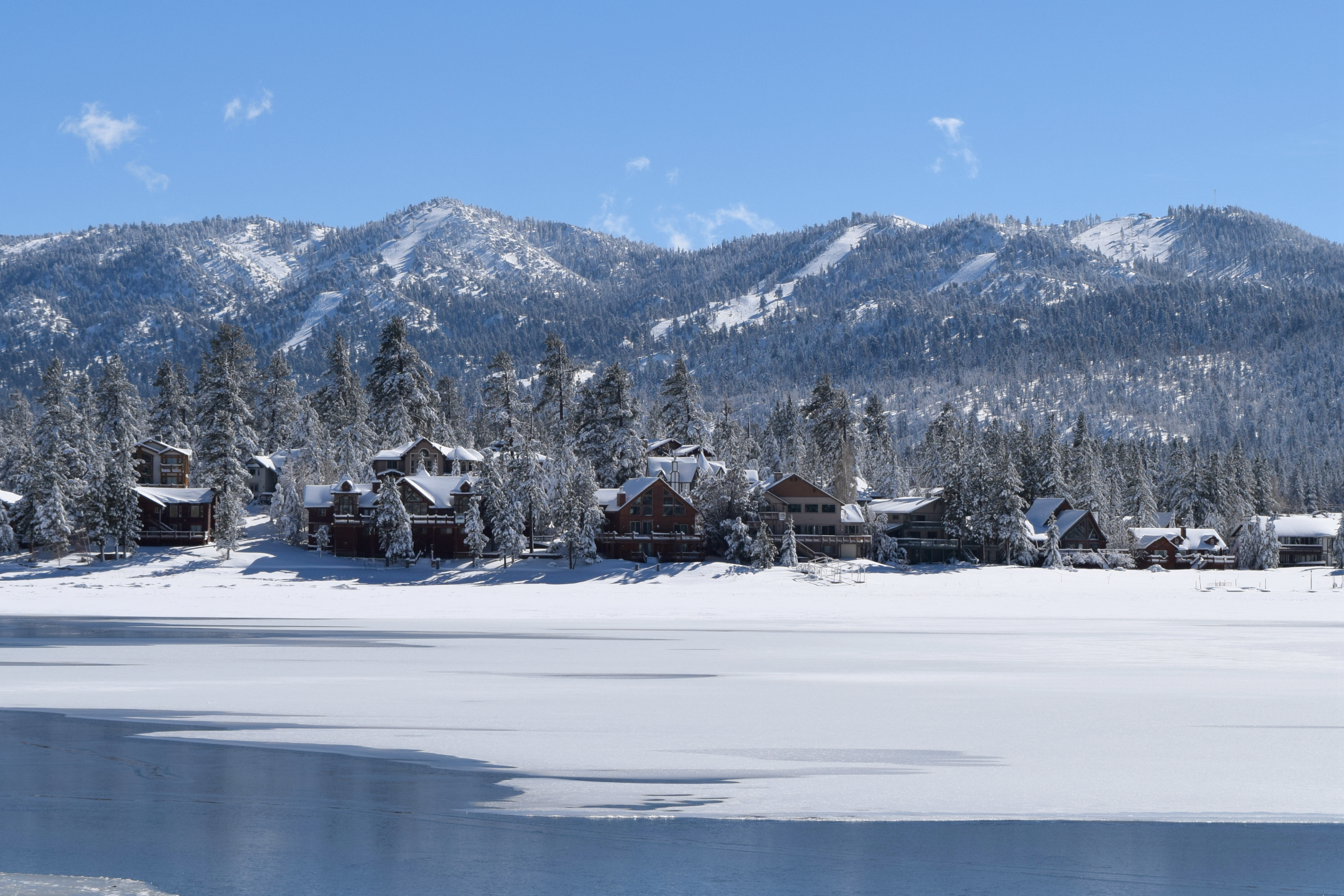
The Anticipation: Understanding Big Bear’s Snowfall Season
Big Bear’s elevation, typically ranging from 6,750 to 9,000 feet above sea level, is its secret weapon for receiving significant snowfall, distinguishing it from many other areas of California. While Mother Nature ultimately dictates the exact timing and quantity, there are discernible patterns that can help predict when the first flakes will fall and when the landscape is most likely to be blanketed in white.
Early Whispers: When the First Flakes Typically Fall
The first signs of winter in Big Bear usually begin to appear in late November, often around Thanksgiving. These initial snowfalls might be light dustings, sometimes melting quickly as temperatures fluctuate, but they serve as an exciting prelude to the winter season. By early December, the likelihood of more substantial, lasting snow increases significantly. These early snows are vital for building a base layer, crucial for the opening of ski resorts and other winter activities. However, it’s important to note the variability; some years see early, heavy snows, while others experience a drier start, making flexibility in travel plans a wise approach. These initial snow events are often eagerly anticipated by both locals and businesses, signaling the beginning of peak season preparations and setting the stage for the festive atmosphere that permeates Big Bear Village during the holidays.
Peak Season: The Heart of Winter Wonderland
For those seeking the most reliable and abundant snow conditions, the months of January and February represent the undisputed peak of Big Bear’s winter season. During these months, cold temperatures are more consistent, and storm systems frequently deliver significant snowfall, creating ideal conditions for all winter sports. Average snow depths can reach several feet, especially at higher elevations and on the slopes of Bear Mountain and Snow Summit. The landscape transforms into a stunning panorama of snow-laden trees and glistening slopes. This is when the resorts are fully operational, offering a full range of terrain for skiers and snowboarders of all skill levels. The crisp mountain air, coupled with the dazzling white scenery, makes this period truly magical, offering a classic winter experience that is hard to find elsewhere in Southern California. The consistent snowfall during these months ensures that popular activities like snow tubing, sledding, and snowshoeing are also readily available, often lasting well into the day.
Lingering Charm: Spring Snows and Extended Opportunities
While January and February claim the title for peak snowfall, Big Bear’s winter charm often extends well into spring. March can frequently bring significant snowstorms, sometimes even heavier than those in the mid-winter months, particularly at higher altitudes. This period offers a unique advantage: often fewer crowds, slightly milder temperatures, and still excellent snow conditions. The days begin to lengthen, allowing for more time on the slopes or exploring the trails. Even April can surprise visitors with late-season snowfalls, especially in years with a strong winter. Ski resorts often remain open through March and sometimes into April, depending on snowpack and demand, providing extended opportunities for spring skiing. This shoulder season can be particularly appealing for those looking to avoid the bustling crowds of mid-winter while still enjoying the snow, and it often presents a beautiful juxtaposition of budding spring foliage peeking through the lingering snow.
Factors Influencing Big Bear’s Snowfall
While general patterns exist, the exact timing and intensity of snowfall in Big Bear are influenced by a complex interplay of natural and artificial factors. Understanding these elements can further refine your expectations and planning.
Elevation and Geography: Nature’s Role
Big Bear’s unique position within the San Bernardino Mountains is the primary determinant of its snowy reputation. The town of Big Bear Lake sits at an elevation of approximately 6,750 feet, while the surrounding peaks, including those housing Snow Summit and Bear Mountain resorts, soar even higher, often exceeding 8,000 feet. This significant elevation means that storm systems moving through the region encounter colder temperatures as they rise over the mountains, causing precipitation to fall as snow rather than rain. The topography also contributes to what is known as “orographic lift,” where moist air is forced upwards by the terrain, leading to increased cloud formation and precipitation. The proximity to the moisture-rich Pacific Ocean, combined with the mountain range acting as a barrier, creates an ideal environment for heavy snowfalls when cold air masses are present. The distinct microclimates around Big Bear Lake itself can also play a role, with areas like Fawnskin sometimes experiencing slightly different conditions than Big Bear City or the resorts.
Weather Patterns: El Niño, La Niña, and Atmospheric Rivers
Large-scale global weather phenomena, particularly El Niño and La Niña, have a significant impact on California’s winter weather, including snowfall in Big Bear. El Niño years, characterized by warmer-than-average ocean temperatures in the equatorial Pacific, often bring wetter and cooler conditions to Southern California, potentially leading to increased snowfall. Conversely, La Niña years, with cooler-than-average Pacific waters, tend to result in drier and warmer winters for the region, which can mean less natural snow.
Beyond these cyclical patterns, “atmospheric rivers” are increasingly recognized as major contributors to heavy precipitation events in California. These narrow bands of moisture-laden air can funnel massive amounts of water vapor from the Pacific Ocean directly into the mountains, resulting in significant snow (or rain at lower elevations). Monitoring these forecasts is crucial for anticipating particularly heavy snowstorms. The interplay of these large-scale patterns with localized storm systems makes each winter unique, adding an element of exciting unpredictability to Big Bear’s snowfall.
Snowmaking Capabilities: Supplementing Mother Nature

While Big Bear typically enjoys abundant natural snowfall, its premier resorts, Snow Summit and Bear Mountain (collectively known as Big Bear Mountain Resort), invest heavily in extensive snowmaking capabilities. This advanced technology plays a critical role in ensuring consistent snow coverage and extending the ski season, even during periods of lighter natural snowfall. Snowmaking operations typically begin as soon as temperatures consistently drop below freezing, usually in November. This allows the resorts to build a solid base layer of snow, even before significant natural snow arrives. For visitors, this means a greater guarantee of skiable terrain, often allowing resorts to open earlier and maintain conditions later into the spring than would be possible with natural snow alone. This commitment to snowmaking highlights Big Bear’s dedication to providing a top-tier winter sports experience, making it a reliable destination even when natural conditions are variable. Snow Valley Mountain Resort, another nearby option, also utilizes snowmaking to great effect.
Planning Your Big Bear Winter Escape
Armed with knowledge about Big Bear’s snowfall patterns, you can now fine-tune your travel plans to ensure an optimal winter experience tailored to your interests.
Best Time for Snow-Related Activities
- Skiing and Snowboarding: For the most reliable and extensive ski and snowboard conditions, targeting January and February is advisable. These months offer the deepest snowpack, a full array of open runs, and the best opportunities for fresh powder. March can also be excellent, particularly for those who enjoy spring skiing with softer snow and milder temperatures.
- Snowshoeing and Cross-country Skiing: These activities are best enjoyed when there’s a good base of snow, typically from mid-December through March. Designated trails and national forest lands become accessible once sufficient snow has accumulated.
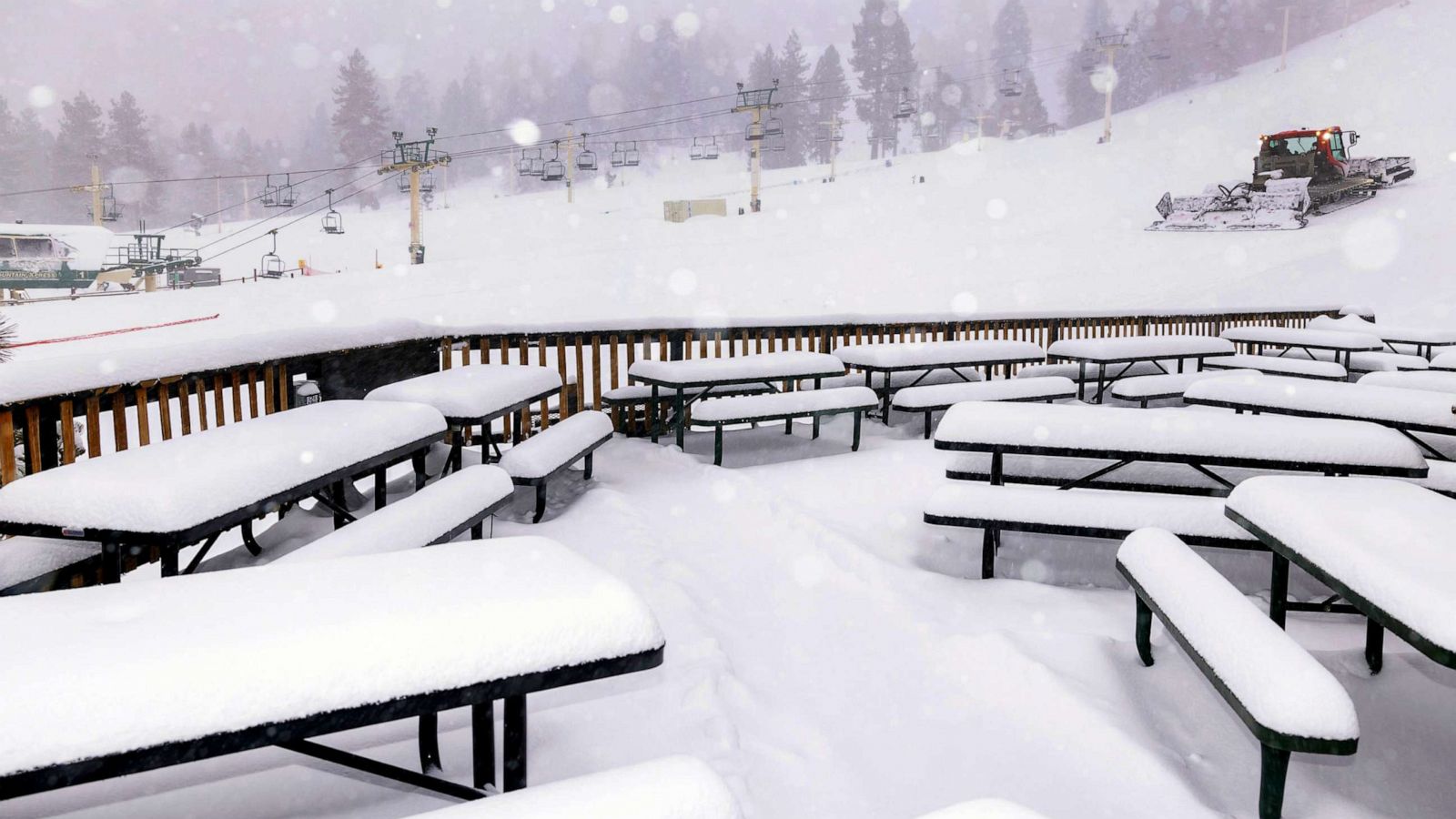
- Tubing and Sledding: Tubing parks and popular sledding hills can operate from late November through March, thanks to both natural snow and snowmaking. Early season often sees man-made snow providing the fun, while mid-season offers widespread natural snow.
- Scenic Drives and Photography: Any time there’s snow is beautiful, but the periods immediately after a fresh snowfall, especially in December and January, offer particularly pristine and picturesque scenes.
What to Expect and How to Prepare
Winter travel to Big Bear requires thoughtful preparation. The most critical aspect is road conditions. During and immediately after snowstorms, California Highway Patrol (CHP) frequently enforces chain requirements on all access roads to Big Bear, including Highway 330, Highway 38, and Highway 18. It is mandatory to carry chains for two-wheel-drive vehicles, and it’s highly recommended for all vehicles, even 4WD/AWD, as conditions can change rapidly. Always check CALTRANS for current road conditions before heading up.
Packing layers of warm, waterproof clothing is essential, including a waterproof outer shell, insulated jacket, thermal base layers, waterproof pants, gloves, a warm hat, and waterproof boots. Don’t forget sunglasses or goggles, as the sun reflecting off the snow can be intense. Booking accommodations well in advance, especially for peak weekends and holidays, is crucial, as Big Bear is a very popular destination.
Beyond the Slopes: Other Winter Attractions
Big Bear offers a wealth of activities beyond skiing and snowboarding. The charming Big Bear Village is perfect for strolling, shopping at unique boutiques, and enjoying a wide array of dining options, from cozy cafes to upscale restaurants. The Alpine Zoo, a rehabilitation facility for injured, orphaned, and abandoned wildlife, is open year-round and offers a unique opportunity to see local animals in a snowy setting. Scenic drives around Big Bear Lake offer breathtaking views, and for the truly adventurous, ice fishing is also an option when the lake freezes over, though this is less common.
Maximizing Your Snow Experience in Big Bear
A well-planned trip ensures you can fully immerse yourself in Big Bear’s winter magic without encountering unexpected hurdles.
Staying Informed: Weather Forecasts and Resort Updates
Before and during your trip, make it a habit to check multiple sources for weather and road conditions. Reliable sources include the National Weather Service, CALTRANS (for road conditions and chain requirements), and the official websites of Big Bear Mountain Resort, Snow Summit, and Bear Mountain for real-time snow reports, lift status, and any operational updates. Many resorts also offer email or text alerts for snow conditions and road closures, which can be invaluable. Being informed allows you to adjust plans proactively, ensuring safety and optimizing your time on the mountain.
Accommodation and Accessibility
Big Bear offers a diverse range of accommodations, from rustic cabins and luxurious vacation rentals to cozy bed and breakfasts and modern hotels. Booking early, especially for weekend and holiday visits, is paramount to secure your preferred lodging and potentially better rates. Consider the location of your accommodation relative to the activities you plan. Staying near the resorts or in the village can reduce travel time. During heavy snow, parking can be limited, so look for lodging with dedicated parking or proximity to public transportation/shuttle services. Arriving early for popular activities like tubing or ski rentals can also help avoid long lines and ensure a smoother experience.
Respecting the Environment and Local Community
As a visitor to Big Bear, playing a role in preserving its natural beauty and supporting its community is important. Practice “Leave No Trace” principles by properly disposing of trash, staying on marked trails, and respecting wildlife. Support local businesses by dining at local restaurants, shopping in the village, and choosing local services. Be mindful of noise levels, especially if staying in residential areas. By being a respectful and responsible traveler, you contribute to the sustainability of Big Bear as a cherished winter destination for generations to come.
Big Bear, California, truly shines in winter, offering an accessible and unforgettable snowy escape. While the first significant snowfalls typically grace its peaks in late November or early December, the heart of the winter season with its most reliable and abundant snow truly blossoms in January and February. With careful planning, an eye on the weather, and an adventurous spirit, you can embrace the stunning transformation of this mountain gem and create lasting memories amidst its winter wonderland.
LifeOutOfTheBox is a participant in the Amazon Services LLC Associates Program, an affiliate advertising program designed to provide a means for sites to earn advertising fees by advertising and linking to Amazon.com. Amazon, the Amazon logo, AmazonSupply, and the AmazonSupply logo are trademarks of Amazon.com, Inc. or its affiliates. As an Amazon Associate we earn affiliate commissions from qualifying purchases.