
The question of when Orlando, Florida, was founded does not have a single, definitive answer marked by a specific day or year like some planned cities. Instead, the vibrant metropolis we know today emerged through a gradual evolution, a narrative woven from indigenous presence, military skirmishes, pioneering spirit, and strategic development. Its origins are less about a singular founding act and more about the organic growth of a frontier settlement into a major urban center. To truly understand Orlando’s founding, one must delve into the historical layers that span from the early 19th century, exploring the forces that shaped its name, its economy, and its identity long before it became a global destination.
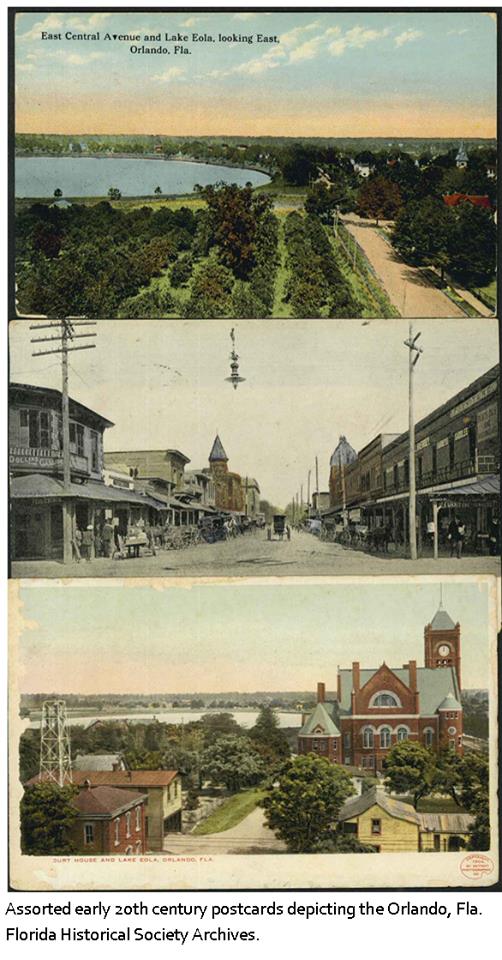
This article journeys through time to uncover the key milestones and pivotal moments that collectively mark the genesis and early development of Orlando. We will explore its transformation from an untamed wilderness to a fledgling settlement, the intriguing origins of its name, its foundational economic drivers, and the significant shifts that propelled its growth into the 20th century, cementing its place as an integral part of Florida’s rich historical tapestry.
From Wilderness to Settlement: The Early Days
Before European settlers cast their eyes upon the lush landscapes of central Florida, the area was home to various indigenous tribes. Their presence dates back millennia, with evidence of sophisticated societies living harmoniously with the land. The arrival of European powers, particularly the Spanish, in the 16th century marked the beginning of profound changes, though the interior of Florida remained largely undeveloped by colonial standards for centuries.
Indigenous Roots and European Arrival
Long before any attempts at establishing a permanent European settlement, the region that would become Orlando was inhabited by Native American groups, most notably the Seminole people and their predecessors. These resilient communities thrived in the rich environment, utilizing the abundant waterways and fertile land for sustenance. Their intricate knowledge of the land and its resources shaped the earliest human history of the area. However, it was the westward expansion of the United States and the subsequent conflicts with these indigenous populations that directly paved the way for the first significant non-native presence in the region.
The acquisition of Florida by the United States from Spain in 1819, formalized by the Adams-Onís Treaty, opened the door for American settlement and agricultural development. This era, however, was also defined by escalating tensions with the Seminole tribes, leading to a series of protracted and brutal conflicts known as the Seminole Wars. These wars, particularly the Second Seminole War (1835-1842), played a crucial role in establishing the first military outposts that would eventually attract civilian settlers to the area.
The Birth of a Community: Fort Gatlin and Speculation
The true genesis of a permanent European-American settlement in the Orlando area can be traced back to the establishment of Fort Gatlin in 1838. This military outpost, named after Dr. Alfred Gatlin, was erected roughly where the current Orlando Executive Airport now stands, south of the modern downtown area. Its purpose was strategic: to protect settlers from Seminole raids and to serve as a supply depot during the ongoing conflict. While Fort Gatlin itself was abandoned shortly after the Second Seminole War concluded in 1842, its presence had a lasting impact. It introduced non-native individuals to the region’s agricultural potential and strategic location, inadvertently laying the groundwork for future civilian habitation.
Following the war, the promise of cheap, fertile land began to draw pioneers and land speculators to central Florida. The federal Armed Occupation Act of 1842, which granted 160 acres to anyone who would settle and cultivate land for five years, further incentivized migration. These early settlers, often former soldiers or their families, began to establish small homesteads around the former Fort Gatlin site. Their primary focus was agriculture, particularly growing citrus and raising cattle, which would become the backbone of the region’s economy for decades. It was this gradual influx of farming families and the establishment of a nascent community that truly marked the embryonic stage of what would eventually be named Orlando. The absence of a single “founding father” or a planned city layout meant that Orlando’s initial development was a more organic, bottom-up process driven by individual initiative and the lure of frontier opportunities.
Naming the City: The Legend of Orlando
The name “Orlando” is perhaps one of the most romanticized and debated aspects of the city’s early history. Unlike many other Florida towns that adopted names reflecting Spanish heritage, Native American words, or prominent figures, the origin of Orlando’s name is shrouded in legend, captivating the imagination of residents and historians alike.
The Story of Orlando Reeves
The most widely accepted and enduring legend behind the city’s name centers around a soldier named Orlando Reeves. According to this popular narrative, Reeves was a soldier participating in the Second Seminole War in the late 1830s. He was said to be on guard duty for a military encampment near the site of present-day Orlando. During his watch, he reportedly spotted a Seminole war party approaching and fired his rifle to warn his comrades. Although he was killed in the ensuing skirmish, his heroic act saved the lives of many, and in his honor, the soldiers supposedly marked his grave with a tree bearing his name. Over time, the area became known as “Orlando’s Grave” or simply “Orlando’s.”
This tale, passed down through generations, paints a vivid picture of frontier heroism and sacrifice. While specific historical documentation to definitively prove the existence of Orlando Reeves and the exact circumstances of his death remains elusive, the legend has firmly taken root in the city’s identity. It speaks to the challenges and dangers faced by early settlers and military personnel in central Florida and provides a compelling, if unverified, origin for the city’s unique name.
Alternative Theories and Official Recognition
While the Orlando Reeves legend is the most popular, other theories regarding the name’s origin have been proposed, though they generally lack the narrative appeal or widespread acceptance of the soldier’s tale. One alternative suggests that the name was simply a corruption of “Roland,” possibly referring to a planter or surveyor in the area. Another theory postulates a connection to a character from Shakespeare’s play “As You Like It,” which features a character named Orlando. However, there is no direct evidence linking early settlers to a particular fondness for Shakespeare in their naming conventions for a fledgling frontier town.
Despite the intriguing ambiguity surrounding its etymology, the name “Orlando” officially became associated with the growing settlement. By the mid-19th century, the community was developing around the area previously known as “Jernigan” or “Jernigan’s Landing,” named after Aaron Jernigan, one of the first permanent settlers in the 1840s. In 1856, a post office was established, officially adopting the name “Orlando.” This act marked a significant step in the formal recognition of the community, distinguishing it from other settlements in Orange County and solidifying its identity as a distinct place on the map. The naming, whether legendary or prosaic, provided the nascent town with its unique identity, a critical element in its journey from a loose collection of homesteads to a recognized urban center.
From Agricultural Hub to County Seat
With its name established and a growing population, the small settlement of Orlando began to solidify its role in central Florida. Its fertile lands and strategic location positioned it as an ideal center for the burgeoning agricultural industries that were shaping the state’s economy.
Citrus and Cattle: Economic Foundations
The economic bedrock of early Orlando was undoubtedly agriculture, primarily citrus cultivation and cattle ranching. The warm, humid climate and rich soil of central Florida proved ideal for growing oranges, grapefruits, and other citrus fruits. Pioneer families cleared land, planted groves, and began to develop an industry that would define Florida for over a century. Orlando quickly became a central hub for the packing and shipping of these golden fruits, drawing more settlers, merchants, and laborers to the area.
Alongside citrus, cattle ranching also flourished. Vast expanses of open land provided ample grazing for herds, and Orlando served as a market and transportation point for cattle drives. The prosperity generated by these two industries laid the financial foundation for the town’s growth, fueling the development of local businesses, homes, and public services. The distinctive aroma of citrus blossoms and the lowing of cattle were integral to the sensory landscape of 19th-century Orlando, reflecting its agrarian heart.
Incorporation and Infrastructure
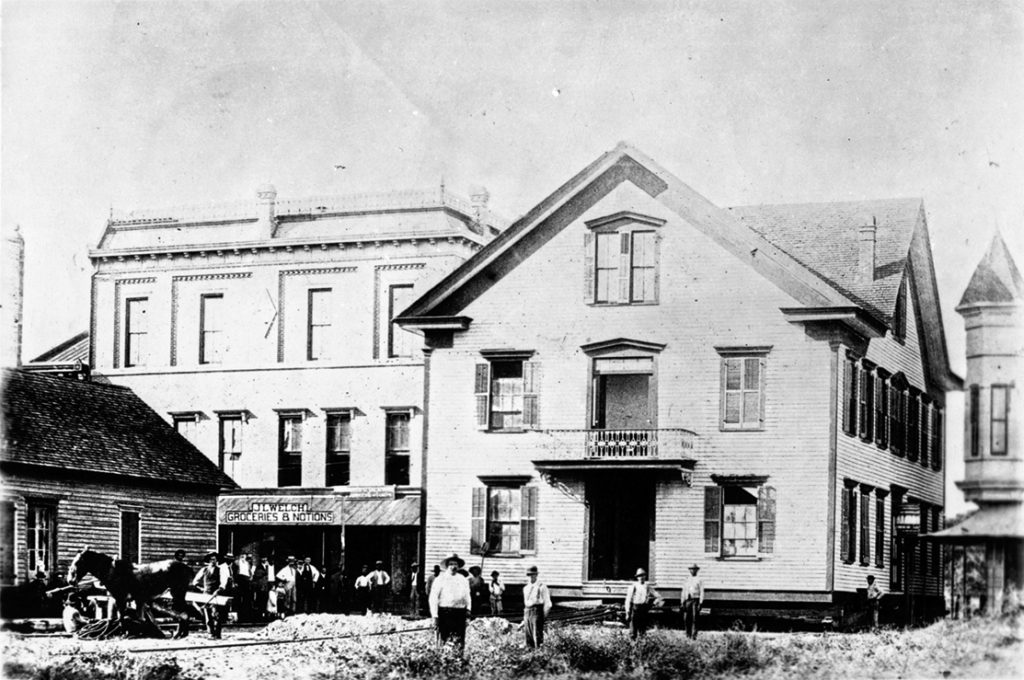
As the population grew and its economic importance became clear, the need for formal governance and improved infrastructure became paramount. In 1875, the community of Orlando officially incorporated as a town. This legal recognition allowed for the establishment of a town government, the implementation of local laws, and the collection of taxes to fund public works. This was a crucial step in its transition from a frontier outpost to an organized municipality.
Further solidifying its importance, Orlando was designated as the county seat of Orange County in 1856, a position it had informally held for some time. This meant that the county courthouse and administrative offices were located in Orlando, bringing with it legal and political prominence. The construction of a courthouse, a jail, and other governmental buildings stimulated further development and attracted professionals like lawyers and civil servants.
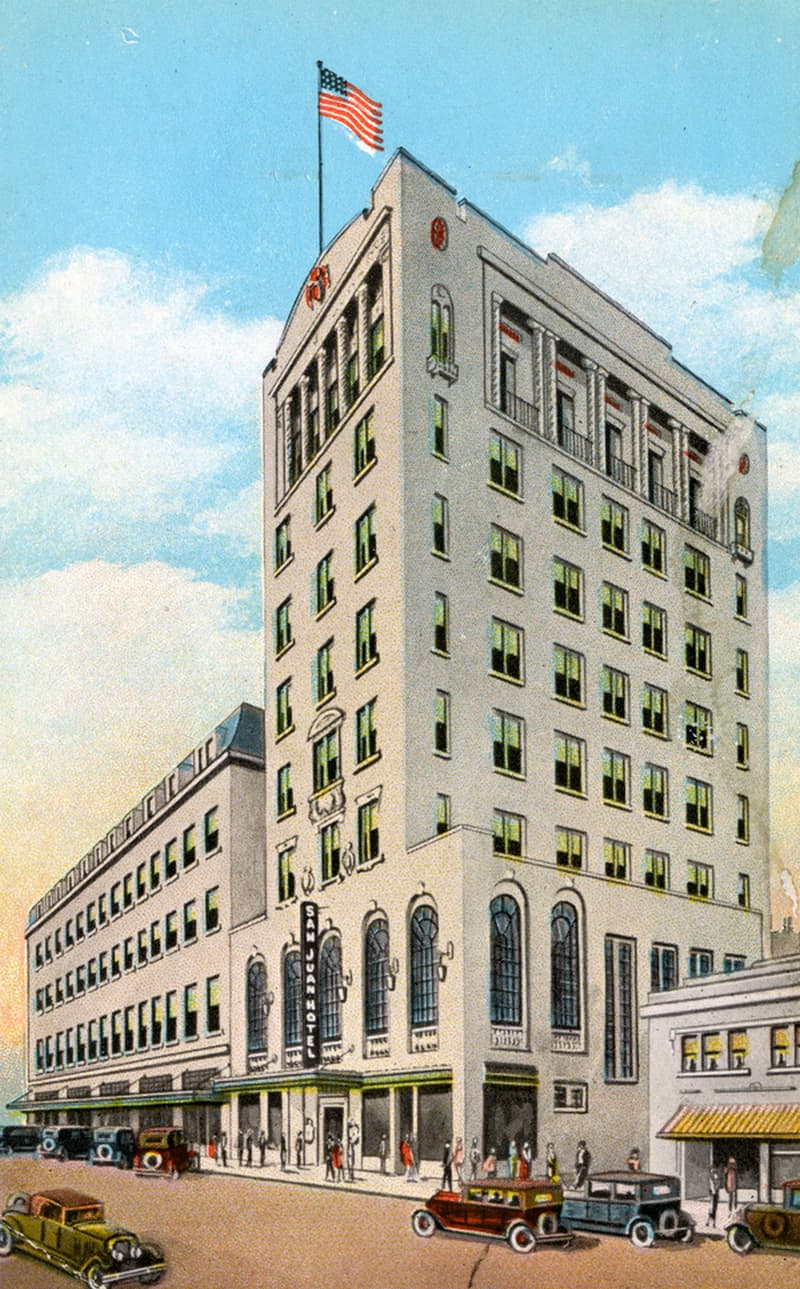
The late 19th century also saw a revolution in transportation that dramatically impacted Orlando’s growth: the arrival of the railroad. The first train arrived in Orlando in 1880, connecting it to coastal ports and the wider national network. The railroad transformed the citrus industry, enabling faster and more efficient transport of perishable goods to markets across the United States. It also brought new settlers, tourists, and capital, fueling a boom period. Grand hotels began to appear, catering to seasonal visitors who came to enjoy Florida’s mild winters and abundant fishing. This integration into a broader transportation and economic system marked Orlando’s emergence as a regional center, far removed from its humble beginnings as a military fort and agricultural outpost.
The Dawn of Modern Orlando: Post-War Growth and Diversification
The 20th century ushered in profound transformations for Orlando, pushing it beyond its agricultural roots and setting the stage for its global prominence. Two major historical events, in particular, reshaped its trajectory: World War II and the later arrival of a certain theme park giant.
World War II’s Impact
World War II proved to be a pivotal moment for Orlando. The strategic importance of Florida’s clear skies and year-round flying weather led to the establishment of numerous military training facilities across the state. Orlando became home to the Orlando Army Air Base (later renamed McCoy Air Force Base), a significant military installation that brought thousands of personnel and their families to the area. This influx of people stimulated a massive population boom and spurred rapid economic diversification away from its traditional citrus and cattle industries.
The military presence created a demand for housing, services, and local businesses, leading to an explosion of development. Many service members who trained or were stationed in Orlando during the war chose to return and settle there after the conflict, drawn by the climate and the growing opportunities. This period laid the groundwork for Orlando’s evolution into a diversified economy, featuring not just agriculture but also a nascent aerospace and defense sector, fueled by the Cold War era’s demands. The post-war period saw Orlando shedding its image as a sleepy agricultural town and embracing its destiny as a growing urban center.
The Disney Revolution and Beyond
While the focus of “founding” primarily concerns the earliest phases of a city, no historical account of Orlando would be complete without acknowledging the transformative event that redefined its identity: the announcement and subsequent opening of Walt Disney World in 1971. Although this occurred much later than the city’s foundational period, it represents a historical turning point that completed Orlando’s journey from a regional agricultural hub to a global icon.
Walt Disney World’s decision to build its expansive resort in central Florida was a direct consequence of the area’s availability of large tracts of land, its central location within the state, and the existing infrastructure from military bases and population growth. The sheer scale of the project catalyzed unprecedented development in every sector, from hospitality and entertainment to retail and real estate. The arrival of Disney didn’t just add an attraction; it fundamentally re-engineered the city’s purpose, drawing millions of visitors annually and attracting further investment and diverse populations from around the world. This era cemented Orlando’s status as a major international destination, a testament to its continued evolution and ability to adapt.
Orlando’s Enduring Legacy: A Journey Through Time
The question “When was Orlando, Florida, founded?” ultimately leads to a complex and fascinating answer. It was not a single declaration but a gradual unfolding, beginning with a military fort, nurtured by agrarian pioneers, named through legend, and solidified by infrastructure and economic diversification. From its informal beginnings in the 1840s as the “Jernigan” settlement around Fort Gatlin, through its official naming in 1856 and incorporation in 1875, Orlando steadily built its identity.
Preserving Historical Charm
Despite its rapid modernization and global recognition for theme parks, Orlando has made efforts to preserve its rich historical layers. Downtown Orlando, particularly around Lake Eola and the surrounding historic districts, offers glimpses into the city’s past. Victorian-era homes, the old Orange County Courthouse, and historic commercial buildings stand as reminders of the city that grew out of citrus groves and cattle ranches. These preserved areas allow residents and visitors to connect with the foundational history of the place, understanding that beneath the veneer of modern attractions lies a deep and compelling past. Efforts by local historical societies and civic organizations ensure that the tales of pioneers, soldiers, and agricultural entrepreneurs continue to be told, honoring the diverse groups who contributed to its genesis.
The Spirit of Innovation and Adaptation
Orlando’s history is a testament to its remarkable spirit of innovation and adaptation. From adapting to the challenges of frontier life and Seminole Wars, to transforming agricultural prosperity into a diversified economy, and finally embracing the tourism revolution, the city has continuously redefined itself. Each phase of its development, from the establishment of Fort Gatlin to the arrival of the railroad and the dramatic changes brought by World War II and beyond, represents a founding act of sorts, a moment where the community laid a new cornerstone for its future.
The story of Orlando’s founding is therefore not merely a date, but a dynamic narrative of growth, resilience, and evolution. It is a chronicle of how a once-isolated central Florida settlement, born from necessity and opportunity, grew into a global city, always retaining a connection to the historical currents that shaped its unique identity. This journey through time reveals that Orlando’s true founding lies in the continuous spirit of building and reimagining, a legacy that endures to this day.
LifeOutOfTheBox is a participant in the Amazon Services LLC Associates Program, an affiliate advertising program designed to provide a means for sites to earn advertising fees by advertising and linking to Amazon.com. Amazon, the Amazon logo, AmazonSupply, and the AmazonSupply logo are trademarks of Amazon.com, Inc. or its affiliates. As an Amazon Associate we earn affiliate commissions from qualifying purchases.