
The question of whether Alabama has a state lottery is one that frequently arises, particularly as residents and visitors alike consider the various avenues for entertainment and revenue generation within the state. For those planning a trip to the Heart of Dixie, understanding the legal landscape surrounding gaming, including lotteries, can be an important piece of information. While Alabama does not currently operate a traditional state-sponsored lottery akin to those found in many other United States, the topic has been a subject of ongoing debate and legislative consideration for years.
This absence of a state lottery doesn’t mean that gaming or opportunities for winning can’t be found within Alabama. The state’s approach to gambling is nuanced, with specific forms permitted while others remain prohibited. This article will delve into the current status of lotteries in Alabama, explore the legal and political factors influencing this situation, and touch upon alternative forms of gaming and entertainment that might be of interest to travelers and residents. Understanding this context is crucial for anyone looking to grasp the full picture of recreational and economic opportunities within Alabama.
The Current Landscape of Lotteries in Alabama
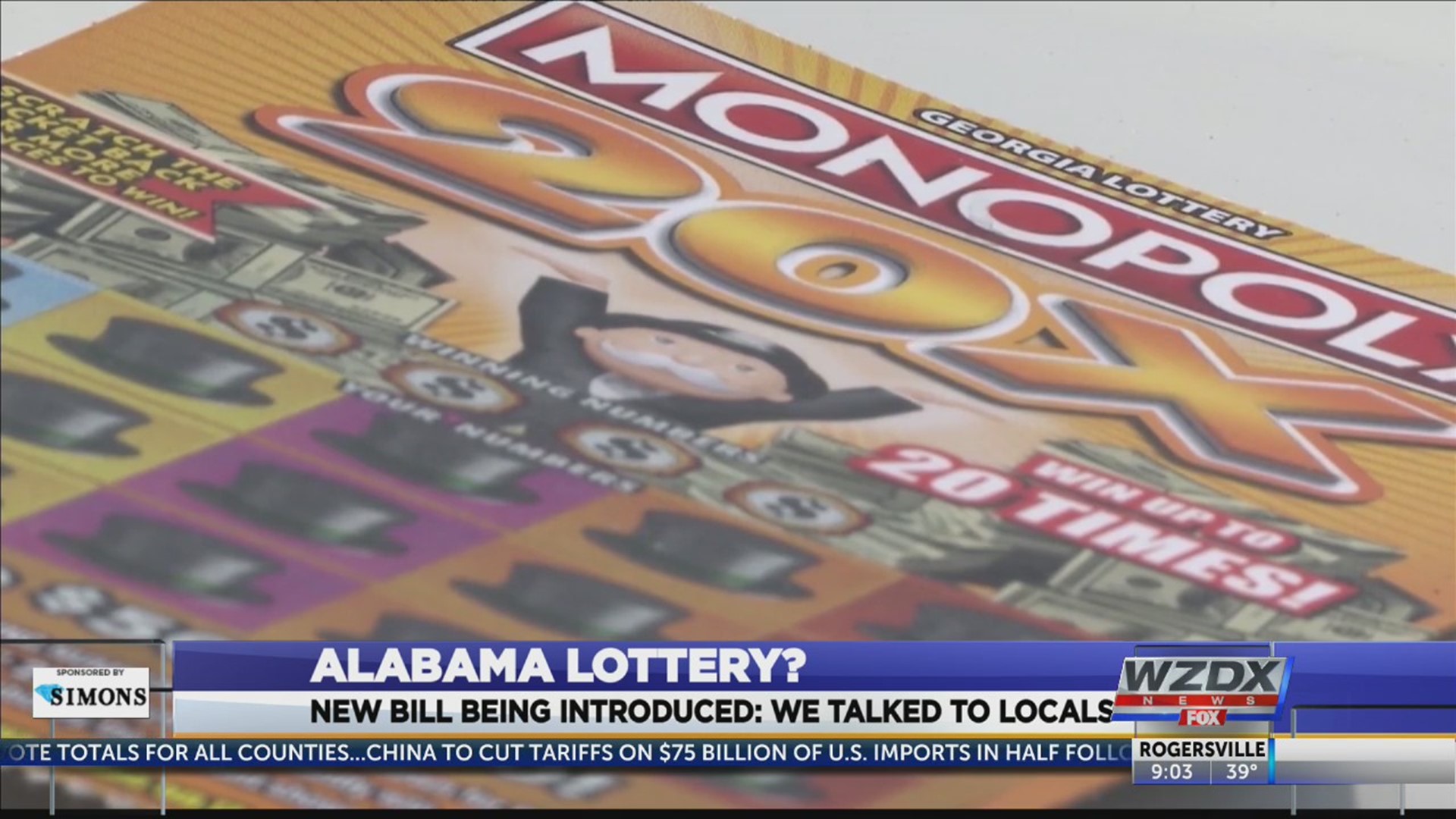
The straightforward answer to “Does Alabama have a lottery?” is, as of now, no. The state has not established a comprehensive lottery system that offers games like Powerball or Mega Millions through official channels. This lack of a state lottery is not due to a lack of discussion; rather, it’s a reflection of a complex interplay of legal, political, and social factors that have prevented its implementation.
Historically, Alabama has had a cautious approach to expanding gambling. While certain forms of gaming, such as bingo and charitable raffles, are permitted under specific conditions, a broader statewide lottery has faced significant opposition. The debate often centers on potential revenue generation for education and public services versus concerns about the social impact of increased gambling opportunities.
Historical Context and Legislative Efforts
The push for a lottery in Alabama is not a new phenomenon. Numerous legislative sessions have seen bills introduced proposing the creation of a state lottery, often with the promise of substantial revenue for Alabama‘s public schools and infrastructure. Proponents argue that a lottery would provide a much-needed funding stream, alleviating pressure on taxpayers and supporting vital state programs. They often point to other states where lotteries have successfully generated billions of dollars for public benefit.
However, these legislative efforts have consistently met with resistance. The opposition often comes from various factions, including religious groups, social conservatives, and those concerned about the potential for increased addiction and the impact on vulnerable populations. Arguments against a lottery frequently highlight the regressive nature of such taxes, suggesting that they disproportionately affect lower-income individuals. Furthermore, there have been concerns about the potential for corruption and the establishment of a powerful gaming industry.
The legal hurdles have also been significant. Alabama‘s constitution has provisions related to lotteries, and any move to establish one would likely require constitutional amendments, a process that is inherently challenging and requires broad public support and legislative consensus. The legal framework surrounding gambling in Alabama is intricate, and any expansion of gaming must navigate these existing statutes and constitutional limitations. The absence of a clear, unified political will to overcome these obstacles has kept a state lottery out of reach for Alabama.
Alternatives to a State Lottery: Gaming and Entertainment in Alabama
While Alabama may not offer a state-run lottery, this does not mean that opportunities for gaming or engaging in other forms of entertainment are non-existent. The state has a unique regulatory environment that allows for certain types of gambling and has seen the development of gaming facilities that operate within specific legal frameworks. For travelers and locals, understanding these alternatives can be key to experiencing the full range of recreational activities available.
Charitable Gaming and Bingo
One of the most widely accepted forms of gaming in Alabama is charitable bingo. Under specific state regulations, non-profit organizations are permitted to conduct bingo games to raise funds for their charitable causes. These events are a popular social activity across the state, bringing communities together for a chance to win prizes while supporting local charities. Visitors to Alabama might encounter these events in various communities, offering a glimpse into local social life.
These charitable gaming operations are distinct from commercial casinos and are subject to oversight to ensure that proceeds are used for their stated charitable purposes. The types of prizes and the frequency of games are typically regulated, ensuring a balance between fundraising and entertainment.
Greyhound Racing and Historical Horse Racing (HHR)
For those interested in pari-mutuel wagering, Alabama has historically been home to greyhound racing tracks. While the landscape of this industry has evolved, facilities like the former VictoryLand in Shorter and Greenetrack in Eufaula offered the opportunity for patrons to bet on live greyhound races. More recently, some of these venues have transitioned to offering historical horse racing (HHR) machines.
HHR machines are a type of slot machine that uses the outcomes of past horse races to determine the winners. Patrons bet on these machines, and the results are based on the historical performance of horses in recorded races. This form of gaming has become a significant part of the entertainment offerings at some locations in Alabama, providing a casino-like experience that operates within the state’s existing legal framework. These facilities often also offer simulcast racing, allowing bets on races happening at other tracks around the country.
The Role of Neighboring States
It’s also worth noting that Alabama‘s proximity to states with more expansive gaming options, such as Mississippi, Louisiana, and Tennessee, influences the choices available to residents. Many Alabamians who wish to engage in casino gaming or play state lotteries often travel to these neighboring states. This cross-border activity highlights the demand for such entertainment and underscores the discussions about revenue that could potentially be retained within Alabama if similar options were available.
For tourists visiting Alabama, particularly those who enjoy casino-style entertainment, it’s useful to be aware that while Alabama itself does not host large commercial casinos, destinations in nearby states are readily accessible for those seeking that specific experience.
The Future of Lotteries in Alabama: Ongoing Debates and Potential Changes
The conversation surrounding lotteries in Alabama is far from over. While the status quo has remained largely unchanged for years, the possibility of future legislative action and shifts in public opinion cannot be discounted. Several factors could influence whether Alabama eventually embraces a state lottery.
Shifting Political and Public Sentiment
Public opinion on gambling, including lotteries, can evolve over time. As more states successfully implement and benefit from lottery revenues, the arguments in favor of such initiatives within Alabama may gain more traction. Similarly, changes in the political landscape, including the election of lawmakers who are more open to expanding gaming, could create new opportunities for lottery legislation.
The economic climate also plays a significant role. During periods of budget shortfalls or when the state faces pressing needs for funding in areas like education or infrastructure, the potential revenue from a lottery can become a more attractive proposition for policymakers. The success of lotteries in other states, coupled with the state’s own financial needs, could tip the scales in favor of a lottery in the future.
Potential Economic Impact and Revenue Projections
If Alabama were to implement a lottery, the projected economic impact and revenue generation would be a primary consideration. Studies commissioned by various proponents often estimate hundreds of millions of dollars in annual revenue that could be allocated to state programs. These projections typically factor in ticket sales, administrative costs, and the percentage of revenue designated for specific purposes, such as education funding or infrastructure improvements.
However, it’s also important to consider potential downsides. Critics often point to the costs associated with problem gambling, the administrative overhead of running a lottery, and the possibility that lottery revenue might simply replace existing funding rather than supplement it. The precise economic benefits and costs are often subjects of intense debate between proponents and opponents.

Legislative Pathways Forward
Should Alabama decide to pursue a lottery, the legislative pathway would likely involve a multi-step process. This would almost certainly include the introduction of new bills in the Alabama Legislature, followed by committee hearings, debates, and potential amendments. Crucially, given the constitutional implications, it’s highly probable that any lottery initiative would need to be put to a statewide referendum for voters to approve. This democratic process ensures that the decision rests with the citizens of Alabama.
The complexity of amending the state constitution means that any successful push for a lottery would require significant political maneuvering, broad coalition building, and effective public advocacy. The journey from a proposed bill to a fully operational state lottery is long and arduous, and Alabama‘s experience thus far demonstrates the significant challenges involved.
In conclusion, while the question of “Does Alabama have a lottery?” currently yields a definitive “no,” the discussion is ongoing. The state’s unique legal and political environment has prevented its establishment thus far, but shifting sentiments and economic pressures could alter this landscape in the future. For now, residents and visitors can explore the existing forms of gaming and entertainment within Alabama, or consider venturing to neighboring states for a broader lottery experience. The future of lotteries in Alabama remains a topic to watch.
LifeOutOfTheBox is a participant in the Amazon Services LLC Associates Program, an affiliate advertising program designed to provide a means for sites to earn advertising fees by advertising and linking to Amazon.com. Amazon, the Amazon logo, AmazonSupply, and the AmazonSupply logo are trademarks of Amazon.com, Inc. or its affiliates. As an Amazon Associate we earn affiliate commissions from qualifying purchases.