
Fairbanks, Alaska, a name that conjures images of the Aurora Borealis, vast wilderness, and an adventurous spirit, is much more than just a dot on the map. As a premier destination for those seeking a unique Alaskan experience, understanding its population is not merely about reciting numbers; it’s about grasping the very essence of its local culture, the scale of its activities, and the overall rhythm that defines a visit to this remarkable city. For tourists, population figures offer profound insights into what to expect: from the intimacy of community events to the availability of diverse culinary experiences, and from the vibrancy of its arts scene to the practicalities of navigating its infrastructure.
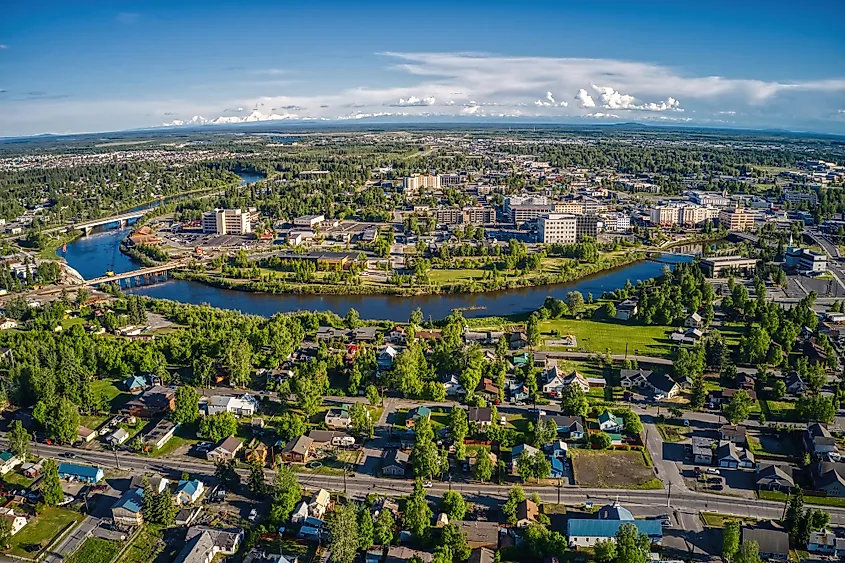
Fairbanks is often referred to as the “Golden Heart City” due to its central location in Alaska and its history rooted in the gold rush. This city serves as the gateway to the Arctic and a hub for interior Alaska, making its demographic profile particularly interesting for anyone planning a trip. Its population dictates the resources, services, and character that shape the tourist experience, offering a blend of frontier resilience and modern amenities. Delving into the population of Fairbanks reveals a story of adaptation, community, and the persistent allure of life in the subarctic, all of which directly impact how visitors perceive and engage with the city.
Understanding Fairbanks’ Demographics
To truly appreciate Fairbanks as a tourist destination, one must first understand the fundamental figures that define its community. The city’s demographic landscape is a dynamic blend influenced by its unique geography, economic drivers, and historical development. These figures provide a foundation for understanding the local culture and the scope of activities available to visitors.
Current Population Figures
As of recent estimates, the population of the city of Fairbanks itself hovers around 32,000 residents. However, to get a complete picture of the urban area and its immediate influence, it’s essential to consider the Fairbanks Metropolitan Statistical Area, which includes the nearby city of North Pole and other surrounding communities. This broader area typically boasts a population closer to 100,000 people. This distinction is crucial for tourists because it indicates a larger pool of services, accommodations, and dining options than the city limits alone might suggest. This size positions Fairbanks as Alaska’s second-largest city, a significant urban center in a state renowned for its vast wilderness. For visitors, this means a certain level of infrastructure and amenity richness, while still retaining the close-knit community feel often associated with smaller towns.
Historical Growth and Decline
Fairbanks’ population history is a fascinating narrative of booms and busts, largely tied to resource extraction and strategic military presence. Founded during the early 20th-century gold rush, its population surged with prospectors and entrepreneurs. Subsequent growth periods were driven by the construction of the Alaska Highway, the establishment of military bases like Fort Wainwright and Eielson Air Force Base, and the Trans-Alaska Pipeline System project. Each wave of development brought an influx of residents, shaping the city’s infrastructure and its cultural fabric. While periods of decline have also occurred, often linked to the completion of major projects or economic shifts, Fairbanks has consistently demonstrated resilience. This historical ebb and flow have cultivated a population that is adaptable, innovative, and deeply connected to the unique challenges and opportunities of living in the subarctic. Tourists benefit from this history through well-preserved historical sites, museums, and a community that prides itself on its pioneering spirit.
Demographic Makeup and Diversity
The demographic makeup of Fairbanks is as diverse as the landscape around it. The military presence brings a constant rotation of service members and their families from across the United States and beyond, contributing to a vibrant, transient population. The University of Alaska Fairbanks also draws students and faculty from around the globe, adding an academic and international flavor. Furthermore, Fairbanks is home to a significant population of Alaska Native peoples, including Athabascan groups, whose rich cultural heritage is deeply interwoven into the community. This blend of cultures—military, academic, indigenous, and long-term Alaskan residents—creates a unique social tapestry. For tourists, this diversity translates into a wide array of cultural experiences, from Alaska Native art and storytelling to international cuisine and diverse community events, offering a richer, more authentic exploration of Alaskan life.
The Impact of Population on Fairbanks’ Local Culture and Tourism
The size and composition of Fairbanks’ population fundamentally shape its local culture and, by extension, the tourism experience. It determines the scale of its offerings, the intimacy of its community, and the unique blend of influences that define its identity.
Small-Town Feel with Urban Amenities
Despite being Alaska’s second-largest city, Fairbanks often surprises visitors with its distinct “small-town feel.” This characteristic is largely a product of its population size and the close-knit community forged by life in the subarctic. Residents often know each other, support local businesses, and participate actively in community events. For tourists, this translates into a welcoming atmosphere where genuine interactions with locals are common. Unlike sprawling metropolises, Fairbanks manages to offer essential urban amenities—such as diverse dining options, specialized gear shops, and a range of accommodation choices—without the overwhelming crowds or anonymity of larger cities. This balance allows visitors to enjoy convenience and comfort while feeling a true connection to the place and its people, a significant draw for those seeking an authentic Alaskan encounter.
Community Spirit and Events
The relatively concentrated population fosters a strong sense of community spirit, which is prominently displayed through a vibrant calendar of local events and festivals. These gatherings are not just for locals; they are often the bedrock of Fairbanks’ tourism appeal, offering visitors a chance to immerse themselves in local traditions. Events like the World Ice Art Championships in winter, the Midnight Sun Festival in summer, and various Alaska Native cultural festivals throughout the year are direct reflections of a population active and engaged in celebrating its unique identity. These events provide crucial windows into local life, showcasing artistic talent, culinary specialties, and traditional practices that might otherwise be overlooked. For tourists, participating in these events is an unparalleled way to experience the heart of Fairbanks and create lasting memories that go beyond typical sightseeing.

Indigenous Influences and Diversity
The substantial presence of Alaska Native populations, particularly Athabascan people, deeply enriches Fairbanks’ cultural landscape. Their traditions, languages, and art forms are integral to the local identity, offering a profound cultural dimension that is unique to Alaska. This influence is evident in local museums, art galleries, and cultural centers where visitors can learn about the history, spiritual beliefs, and contemporary life of indigenous communities. The blending of these ancient traditions with modern Alaskan life creates a rich tapestry that broadens the tourist experience beyond just scenic beauty. Tourists interested in cultural immersion will find opportunities to engage with Alaska Native artists, storytellers, and cultural interpreters, providing insights into a heritage that has shaped this land for millennia. This diversity ensures that a visit to Fairbanks is not just a visual journey but also a deep dive into the human stories that make the region special.
Activities and Amenities Shaped by Population Size
The population of Fairbanks directly influences the range and quality of activities and amenities available to both residents and tourists. It strikes a balance between offering enough diversity to cater to different interests while maintaining access to the wild, untouched nature that defines Alaska.
Outdoor Recreation Opportunities
While Fairbanks’ population is modest, its strategic location and the local appreciation for the outdoors mean that exceptional recreational opportunities abound. The relatively low population density compared to other urban areas ensures easy access to vast wilderness. This enables a wide array of activities directly from or very near the city limits, from cross-country skiing and dog mushing in winter to hiking, fishing, and canoeing in summer. The smaller population means trails and natural areas are less crowded, offering a more pristine and solitary experience often sought by Alaskan visitors. Furthermore, the presence of residents who are avid outdoor enthusiasts supports a robust local industry of tour operators and gear rentals, ensuring that tourists have access to expert guides and necessary equipment for their adventures, whether it’s an Arctic Circle tour or a fishing excursion on the Chena River.
Arts, Dining, and Nightlife Scene
Despite its size, Fairbanks boasts a surprisingly vibrant arts, dining, and nightlife scene, largely fueled by its diverse population. The academic community from the University of Alaska Fairbanks and the cultural influences from military personnel and Alaska Natives contribute to a demand for varied entertainment and culinary experiences. Visitors can explore local art galleries showcasing Alaskan and indigenous artists, catch a play at the Fairbanks Drama Association, or enjoy live music at local pubs. The dining scene ranges from casual eateries serving comfort food to more upscale restaurants offering fresh Alaskan seafood and international cuisine, often reflecting the diverse backgrounds of its residents. The nightlife, while not on the scale of a major metropolis, offers cozy bars and breweries where visitors can mingle with locals and experience the unique camaraderie that thrives in subarctic communities. This robust internal demand, driven by the local population, ensures that tourists have plenty of options for evening entertainment and cultural engagement.
Infrastructure for Visitors
The population size of Fairbanks has allowed for the development of a well-maintained and efficient infrastructure tailored to support both residents and the significant influx of tourists, especially during peak seasons. This includes a regional airport (Fairbanks International Airport) with connections to major hubs, a range of hotel accommodations from budget-friendly options to more luxurious stays, and reliable transportation services. The city’s medical facilities, retail outlets, and visitor information centers are all scaled to serve its resident population while also being adept at handling the needs of tourists. Unlike extremely remote locations in Alaska with very sparse populations, Fairbanks offers a comfortable and accessible base for exploring the interior, ensuring that visitors can enjoy their adventures without significant logistical challenges. This balance of being large enough to provide services but small enough to remain intimate is a key advantage for tourists.
Planning Your Visit: Population Considerations for Tourists
Understanding Fairbanks’ population dynamics is key to planning an optimal tourist experience. These considerations can help visitors set realistic expectations and make the most of their time in the Golden Heart City.
Seasonal Population Flux
One of the most significant population considerations for tourists is the distinct seasonal flux. Fairbanks experiences a notable increase in its “effective” population during the summer months due to the influx of seasonal workers, cruise ship passengers making their way north, and independent travelers. Conversely, the winter months, while drawing specific tourist segments like Aurora Borealis seekers, see a slightly smaller visitor footprint. This seasonal variation affects everything from the availability and pricing of accommodations to the crowd levels at popular attractions and the operational hours of certain businesses. Tourists planning a summer visit should anticipate higher demand for services and book well in advance, while winter visitors might enjoy a more serene experience with fewer crowds. Being aware of these trends allows for better planning, ensuring that a trip aligns with desired experiences, whether it’s the bustling energy of summer or the quiet magic of winter.
Managing Expectations: Crowds vs. Solitude
The actual population figures of Fairbanks are crucial for managing expectations regarding crowds and opportunities for solitude. While the city itself can feel lively, especially around popular downtown areas or during festivals, it is far from a densely packed urban environment. The magic of Fairbanks for many tourists lies in its immediate proximity to the vast Alaskan wilderness. A short drive from the city center can lead to immense solitude, whether on hiking trails, along quiet rivers, or under the expansive Arctic sky for Aurora viewing. Visitors seeking an urban buzz will find it in pockets, but those yearning for the tranquility of nature will discover it just moments away. This balance is a direct result of the city’s relatively modest population and its expansive natural surroundings, offering the best of both worlds for diverse traveler preferences.
Supporting Local Businesses
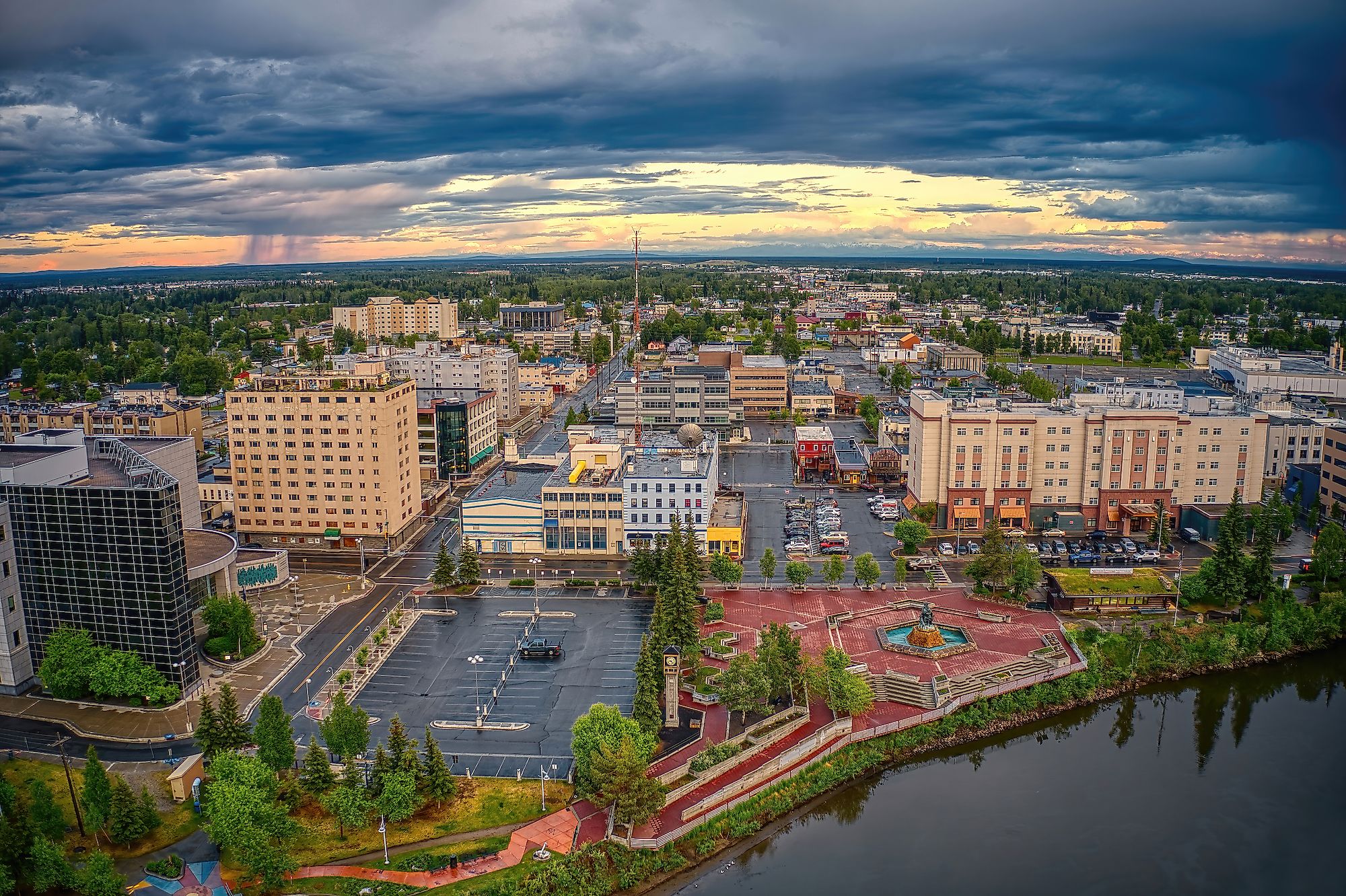
The population size of Fairbanks means that local businesses are the backbone of the economy and a vital part of the community’s character. For tourists, choosing to support these local establishments—from family-run restaurants and independent shops to locally owned tour operators—is more than just a consumer choice; it’s an opportunity to connect with the local culture and contribute directly to the community’s well-being. These businesses often reflect the unique personality of Fairbanks, offering authentic products, services, and hospitality that large chains cannot replicate. Engaging with local entrepreneurs and artisans provides deeper insights into life in Alaska and ensures that tourism dollars directly benefit the people who call Fairbanks home. This interaction enhances the authenticity of the tourist experience, fostering a more meaningful connection with the destination.
In conclusion, the population of Fairbanks, Alaska, though not massive, is a dynamic figure that profoundly shapes every aspect of its appeal as a tourist destination. From the welcoming local culture and diverse activities to the thoughtful infrastructure and the balance between urban convenience and wilderness access, the human element of Fairbanks is inseparable from its unique charm. Understanding these demographic insights allows visitors to truly appreciate the Golden Heart City, ensuring a more informed, engaging, and unforgettable Alaskan adventure.
LifeOutOfTheBox is a participant in the Amazon Services LLC Associates Program, an affiliate advertising program designed to provide a means for sites to earn advertising fees by advertising and linking to Amazon.com. Amazon, the Amazon logo, AmazonSupply, and the AmazonSupply logo are trademarks of Amazon.com, Inc. or its affiliates. As an Amazon Associate we earn affiliate commissions from qualifying purchases.