
The prospect of a hurricane making landfall in a popular travel destination like Florida naturally raises urgent questions for current and prospective travelers. As Hurricane Debby looms, understanding the potential impact on travel plans, safety, and experiences becomes paramount. Florida, known globally for its sun-drenched beaches, vibrant cities, and world-class theme parks, is also situated in a region prone to tropical weather systems. For those planning a trip, or currently enjoying one, the arrival of a hurricane like Debby introduces a layer of complexity that demands careful consideration, proactive planning, and informed decision-making. This guide aims to provide comprehensive travel advice, focusing on preparedness, safety protocols, and navigating the aftermath of a significant weather event, ensuring that travelers are equipped to handle the uncertainties that hurricane season can bring.
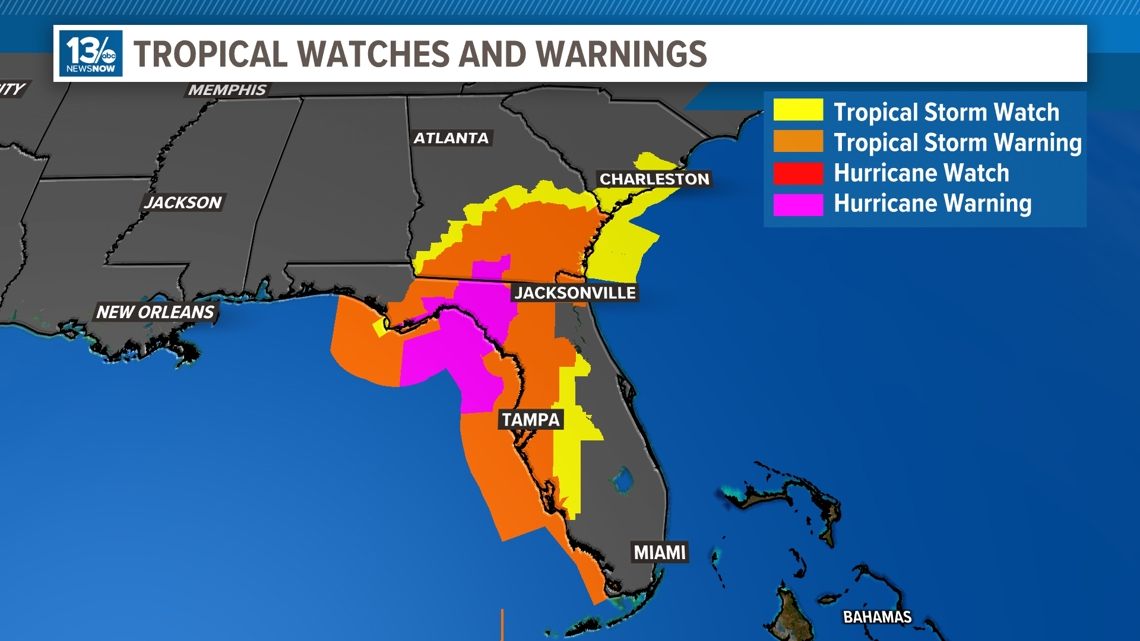
Understanding Hurricane Season and Florida’s Vulnerability
Florida’s allure as a premier travel destination is undeniable, drawing millions annually to its diverse attractions. However, its geographic location makes it susceptible to hurricanes, primarily between June 1st and November 30th. For travelers, understanding this inherent vulnerability is the first step in responsible travel planning.
Florida as a Premier Travel Destination
From the thrilling rides of Disney World and Universal Studios in Orlando to the Art Deco splendor of Miami Beach and the unique ecosystem of Everglades National Park, Florida offers an unparalleled variety of experiences. The Florida Keys, with gems like Key West, provide a distinctly laid-back island vibe. Cities like Tampa, Jacksonville, St. Petersburg, and Sarasota boast cultural attractions, exquisite dining, and beautiful coastlines. This rich tapestry of attractions often means that even when a hurricane threatens one part of the state, other areas might remain unaffected or recover quickly. However, the interconnectedness of travel infrastructure means that disruptions can have far-reaching effects.
The Dynamics of Tropical Systems and Hurricane Debby’s Potential Impact
Hurricanes are powerful tropical cyclones characterized by sustained winds of 74 mph or higher, forming over warm ocean waters, typically in the Atlantic Ocean, Caribbean Sea, or Gulf of Mexico. Their formation, intensity, and precise trajectory are notoriously difficult to predict far in advance, evolving constantly based on atmospheric conditions. When a system like Hurricane Debby develops, meteorologists work tirelessly to forecast its path and strength. The potential impact can range from heavy rainfall and strong winds to devastating storm surges and widespread flooding, necessitating significant travel adjustments and safety measures. Understanding the basic mechanics of these storms helps travelers appreciate the urgency of official advisories and the need for prompt action.
Pre-Travel Preparation: Navigating Potential Storm Threats
For travelers heading to Florida during hurricane season, or those already there when a storm like Debby is brewing, proactive preparation is non-negotiable. This involves continuous monitoring, securing appropriate travel protection, and having essential items readily available.
Monitoring Official Sources and Travel Advisories
The most critical step is to stay informed through official and reliable sources. The National Hurricane Center (NHC) and the National Oceanic and Atmospheric Administration (NOAA) are the primary authorities for hurricane forecasting and advisories. Travelers should regularly check their websites for the latest tracking maps, projected timelines, and storm severity ratings. Additionally, state and local emergency management agencies in Florida provide specific guidance for residents and visitors, including evacuation orders and shelter information. Airlines, cruise lines, and major attractions like Disney World will also issue their own operational updates and advisories, which are crucial for re-planning travel logistics. Subscribing to alerts from these organizations can provide real-time updates directly to your device.
Insurance and Flexible Booking: Your Safety Net
Investing in comprehensive travel insurance is perhaps the most prudent decision for anyone traveling to hurricane-prone regions. Policies vary, so it’s essential to read the fine print to understand what is covered, especially concerning natural disasters, trip cancellations, delays, or medical emergencies during a storm. Some policies may offer “cancel for any reason” clauses, which provide maximum flexibility but come at a higher cost. Furthermore, when booking flights, accommodations, or activities, prioritize options with flexible cancellation or rebooking policies. Many airlines and hotels offer waivers or allow changes without fees if a hurricane directly threatens the destination. While non-refundable options might seem cheaper upfront, the potential costs and stress of a disrupted trip due to a hurricane far outweigh the initial savings.
Essential Packing and Emergency Kits
Should a hurricane threaten your travel plans, having an emergency kit is vital, whether you’re sheltering in place or evacuating. This isn’t just for residents; travelers should also consider carrying a condensed version. Key items include copies of important documents (passport, ID, insurance policies), prescription medications, a first-aid kit, a portable power bank for electronic devices, a battery-powered radio, and some non-perishable snacks and water. For those traveling by car, ensure your vehicle is fueled. If you are staying in an area likely to be impacted, also consider a flashlight, extra batteries, and cash, as ATMs and credit card systems may be down during power outages. Packing light but smart, focusing on essentials, can make a significant difference in comfort and safety during an emergency.
During the Storm: Safety and Adapting Travel Plans
Once Hurricane Debby is imminent, the focus shifts entirely to safety and immediate adaptation of travel plans. This phase requires strict adherence to official instructions and a clear understanding of the challenges that lie ahead.
Evacuation Procedures and Sheltering in Place

Local authorities will issue specific instructions regarding evacuations or sheltering in place. It is imperative to heed these directives without delay. Evacuation orders are issued based on risk, especially for coastal areas susceptible to storm surge. If an evacuation is ordered for your location, depart immediately along designated evacuation routes, if safe to do so. If you are advised to shelter in place, ensure your accommodation is secure, stay indoors, away from windows, and follow all safety guidelines provided by local officials or hotel management. Remember that emergency services may not be able to reach you during the peak of the storm, making self-reliance crucial.
Impact on Transportation and Infrastructure
A significant hurricane like Debby will invariably cause severe disruptions to transportation networks. Airports, including major hubs like Miami International Airport and Orlando International Airport, are likely to cease operations. Flights will be canceled or delayed, and passengers may be stranded. Roads, especially coastal highways and bridges, may be closed due to flooding, debris, or structural damage, impacting car travel. Public transportation systems will also be suspended. Travelers should anticipate significant delays and be prepared for limited mobility. It’s critical to check with airlines and local transportation authorities for real-time updates and not attempt to travel until it is officially deemed safe.
Communication Challenges and Staying Connected
During and immediately after a hurricane, communication can become a major challenge. Cell towers may be damaged, leading to widespread outages for mobile phone services and internet access. Landlines may also be affected by power cuts. To prepare, ensure your phone and any portable chargers are fully charged. Consider having a car charger as a backup. Text messages often get through when calls cannot. Inform your family and friends of your plans and status before the storm hits, and establish a check-in protocol for when it’s safe to communicate. A battery-powered radio can be invaluable for receiving updates from emergency services when other communication methods fail.
Post-Storm Travel: Assessing Damage and Resuming Journeys
Even after Hurricane Debby passes, the journey is far from over. The aftermath can present its own set of challenges and require continued patience and flexibility from travelers.
Road to Recovery: Patience and Preparedness
The immediate aftermath of a hurricane is a critical period focused on search and rescue, damage assessment, and restoration of essential services. Travelers should exercise extreme patience and avoid obstructing recovery efforts. Roads may be impassable, power could be out for days or weeks, and access to food, water, and fuel may be limited. Respect all warnings and stay clear of damaged areas. Do not attempt to travel unless absolutely necessary and only when authorities have declared it safe. The recovery process is extensive, and travelers must adjust their expectations accordingly.
Re-evaluating Travel Itineraries and Local Conditions
Once the immediate danger has passed, travelers should reassess their itineraries. Major attractions like Disney World or Universal Studios might close temporarily for safety checks and cleanup. Beaches, natural parks, and specific landmarks may be damaged or closed for an extended period. It’s crucial to check directly with specific venues and local tourism boards for updates on their operational status. Avoid visiting areas that are still heavily impacted, as resources will be stretched, and your presence could inadvertently hinder recovery. Be prepared for changes to transportation schedules, accommodation availability, and access to services.
Supporting Local Tourism During Recovery Efforts
For those whose travel plans coincide with a post-hurricane period in Florida, there’s an opportunity to contribute positively to the recovery. Once destinations are declared safe and open for visitors, returning travelers can provide a much-needed boost to the local economy. Supporting local businesses, dining at local restaurants, and engaging with attractions that have reopened helps communities rebuild and regain a sense of normalcy. However, ensure your visit is conducted respectfully and thoughtfully, mindful of the ongoing challenges faced by residents and local services.
Long-Term Considerations for Florida Travel
Understanding the realities of hurricane season in Florida can inform long-term travel planning, making future trips safer and more enjoyable.
Best Times to Visit to Minimize Hurricane Risk
To minimize the risk of encountering a hurricane like Debby, travelers might consider planning their trips outside the peak hurricane season. Late fall (after November 30th), winter, and spring (December through May) offer beautiful weather and significantly lower chances of tropical storm activity. While Florida remains an attractive destination year-round, these shoulder seasons and off-peak months present an ideal balance of pleasant weather and reduced storm threat, offering peace of mind for an uninterrupted vacation.

Building Resilience into Your Travel Mindset
Traveling to hurricane-prone regions inherently carries a level of risk that necessitates a resilient and adaptable mindset. Understanding that natural events can disrupt even the best-laid plans is key. By remaining informed, preparing proactively, and being flexible with itineraries, travelers can navigate potential challenges with greater ease and safety. While the prospect of a hurricane like Debby can be daunting, a well-prepared traveler is a safe traveler, ready to make informed decisions and prioritize well-being above all else. This approach not only safeguards personal safety but also fosters a more responsible and respectful engagement with destinations that share their beautiful, yet sometimes vulnerable, environments with the world.
LifeOutOfTheBox is a participant in the Amazon Services LLC Associates Program, an affiliate advertising program designed to provide a means for sites to earn advertising fees by advertising and linking to Amazon.com. Amazon, the Amazon logo, AmazonSupply, and the AmazonSupply logo are trademarks of Amazon.com, Inc. or its affiliates. As an Amazon Associate we earn affiliate commissions from qualifying purchases.