
Florida, often dubbed the Sunshine State, is a magnet for travelers worldwide, famous for its pristine beaches, vibrant cities, and world-class attractions. However, its geographical location also places it directly in the path of tropical cyclones during hurricane season, which typically runs from June 1st to November 30th. When a hurricane makes landfall, the immediate question for many potential visitors and residents alike is, “Where did it hit?” This question is paramount for understanding the safety of travel, the condition of popular destinations, and the timeline for recovery. For anyone planning a trip to Florida, understanding the typical patterns of hurricane impact and how to navigate post-storm travel is essential for a safe and enjoyable experience.
Understanding Florida’s Vulnerability to Hurricanes
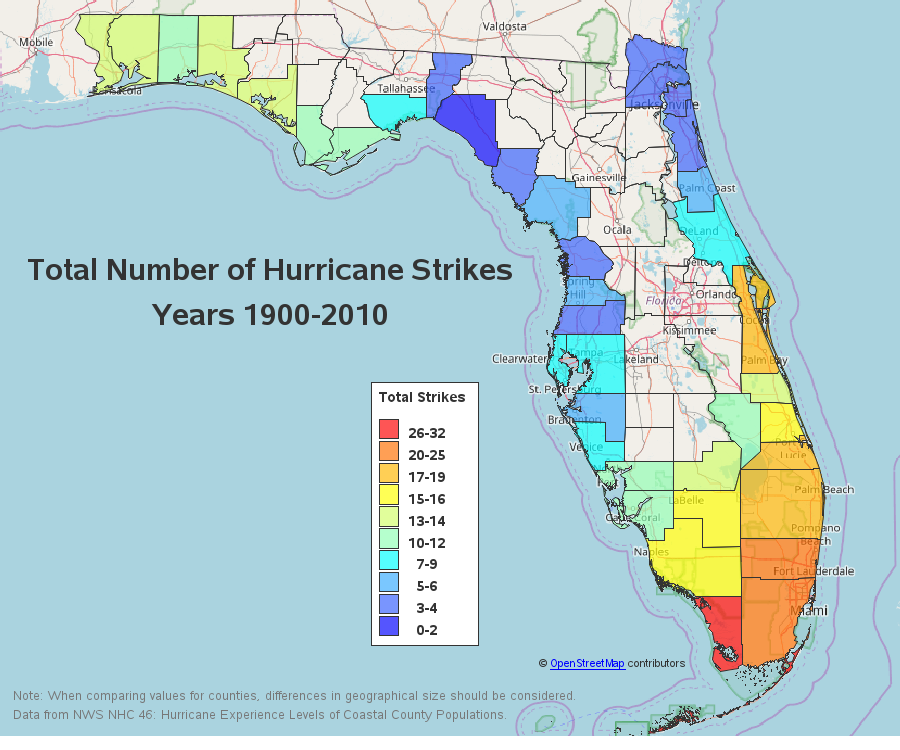
Florida’s unique peninsula shape, bordered by the Atlantic Coast to the east and the Gulf of Mexico to the west, makes it particularly susceptible to hurricanes. The state sits at a crossroads for storms originating in the Caribbean Sea, the Gulf of Mexico, and the open Atlantic Ocean.
Geographical Exposure and Seasonality
The hurricane season brings a heightened risk, with peak activity typically occurring from mid-August through October. Different parts of Florida face varying degrees of vulnerability. The coastal regions, particularly the barrier islands and low-lying areas, are most exposed to storm surge, intense winds, and heavy rainfall. Inland areas, while somewhat protected from surge, can still experience significant wind damage, flooding, and tornadoes associated with these powerful weather systems. Understanding the seasonality is crucial for any traveler; visiting outside the peak season can mitigate risk, but year-round vigilance is always advisable when planning for Florida.
Common Paths and Impact Zones
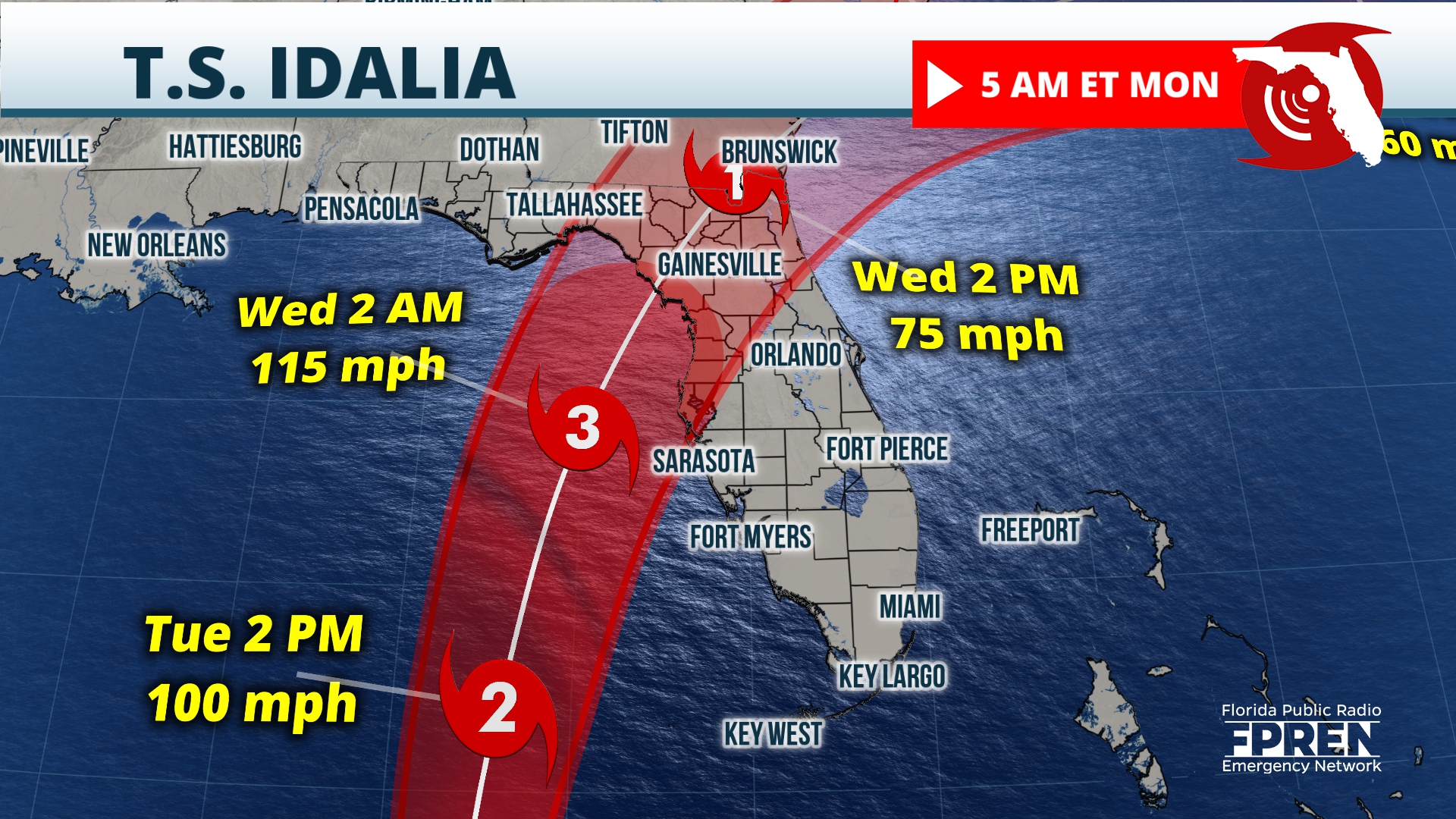
Hurricanes affecting Florida can take several common paths. Storms tracking across the Gulf of Mexico often threaten the state’s Panhandle and Southwest Florida regions, bringing powerful winds and significant storm surge to areas like Naples, Sarasota, Fort Myers, and Panama City. Storms approaching from the Atlantic Ocean frequently impact Southeast Florida, including metropolitan areas like Miami and Fort Lauderdale, as well as the entire Atlantic Coast up to Jacksonville. The Florida Keys, a delicate chain of islands extending southwest into the Gulf of Mexico, are uniquely exposed to both Atlantic and Gulf storms and are often the first to feel the effects of a passing system. Even Central Florida, home to theme parks like Walt Disney World Resort and Universal Orlando Resort in Orlando, can experience substantial disruption from heavy rains, high winds, and power outages, even without a direct landfall.
Immediate Travel Disruptions and Safety Protocols
When a hurricane approaches or hits Florida, the most immediate impact is on travel infrastructure and safety. Understanding these disruptions is critical for anyone in or planning to visit the affected areas.
Evacuation Orders and Travel Advisories
Official evacuation orders are the most serious travel advisories. Issued by local emergency management, these mandates prioritize the safety of residents and visitors in vulnerable coastal and low-lying areas. Ignoring an evacuation order can put lives at risk and strain emergency services. Travelers should always heed these warnings. Furthermore, general travel advisories are often issued by state and local authorities, recommending against non-essential travel to areas under storm threat or those recently impacted. The National Hurricane Center and the Florida Division of Emergency Management are primary resources for real-time information.
Airport and Road Closures
As a storm approaches or makes landfall, major transportation hubs like airports and seaports often cease operations. Miami International Airport, Orlando International Airport, Tampa International Airport, and others in affected regions may close for extended periods. Road networks, including major interstates like I-75 and I-95, can experience severe congestion during evacuations or become impassable due to flooding, downed trees, or debris. Bridges, especially those leading to barrier islands or the Florida Keys, are often closed for safety during high winds. These closures are not just for the duration of the storm but can extend into the immediate aftermath as damage assessments and clearing efforts take place.
Prioritizing Safety for Travelers
For travelers caught in or near a hurricane’s path, safety is paramount. This means securing accommodations in a sturdy, inland location if evacuation isn’t necessary, stocking up on essential supplies, and following all local emergency instructions. If travel plans coincide with a hurricane, it’s almost always advisable to postpone or reroute your trip. Many airlines and hotels offer waivers for rebooking or cancellation during hurricane threats, recognizing the exceptional circumstances. Always contact your travel providers directly for their specific policies.
Assessing Damage and Recovery in Key Destinations
The extent of hurricane damage varies significantly depending on the storm’s intensity, size, and specific landfall location. Recovery efforts begin immediately, but the timeline for different destinations can vary widely.
Southwest Florida: The Gulf Coast Impact
Southwest Florida, including popular cities like Naples, Fort Myers, and Sarasota, is particularly vulnerable to storm surge from Gulf of Mexico hurricanes. Damage here can include significant beach erosion, destruction of coastal properties, and widespread flooding. Infrastructure, including power grids and water systems, can be severely compromised. Post-storm, beaches may be re-nourished, damaged piers rebuilt, and local businesses, often reliant on tourism, work diligently to restore services. Travelers should expect impacts on coastal attractions, boat tours, and beachfront dining for weeks or even months after a severe storm.
Southeast Florida: Atlantic Coast Resilience
Cities like Miami, Fort Lauderdale, and Palm Beach on the Atlantic Coast are well-versed in hurricane preparedness. While these areas can experience substantial wind damage, power outages, and coastal flooding, modern building codes often mitigate the worst structural damage. Recovery tends to be swift for essential services and major attractions. However, beaches may still be impacted by erosion, and some coastal parks or boardwalks might require repairs. Major resorts and urban centers often have robust contingency plans, allowing them to rebound relatively quickly for incoming travelers, though individual facilities might experience delays.
The Florida Keys: A Unique Challenge
The Florida Keys, stretching from Key Largo to Key West, present a unique recovery challenge due to their linear geography and low elevation. Storm surge can inundate entire islands, damaging infrastructure and affecting the fragile marine ecosystem crucial for tourism, such as coral reefs and fishing grounds. Recovery here can be extensive and prolonged, particularly for smaller businesses and natural attractions like those in Everglades National Park which might see significant ecological shifts. Travelers planning to visit the Keys post-hurricane should verify the status of specific islands, dive shops, and fishing charters, as each can have a different recovery timeline.
Central Florida: Inland Attractions and Recovery
While spared the direct brunt of storm surge, Central Florida, home to Orlando’s world-famous theme parks, can still suffer from heavy rainfall, localized flooding, and high winds causing power outages and tree damage. Theme parks such as Walt Disney World Resort and Universal Orlando Resort have extensive hurricane protocols and usually close for only a day or two during a direct hit, reopening swiftly once conditions are safe and power is restored. However, surrounding areas might experience more prolonged disruptions. Visitors to attractions like the Kennedy Space Center Visitor Complex near Cape Canaveral should also monitor their operational status, as coastal proximity can bring additional concerns.
Navigating Post-Hurricane Travel: What Travelers Need to Know
Deciding to travel to Florida after a hurricane requires careful consideration and planning. It’s not just about when a destination reopens, but how the experience might be altered and how travelers can contribute positively to recovery.
Before You Go: Research and Resources
Thorough research is non-negotiable. Consult official sources like the National Hurricane Center, the Florida Division of Emergency Management, and local county emergency services websites. Check the social media accounts and official websites of specific hotels, attractions, and tour operators you plan to visit. Many destinations will actively post updates on their recovery status and reopening timelines. Consider calling ahead to confirm operational status, especially for smaller businesses. Be prepared for potentially limited services, altered schedules, or unexpected closures, even in areas deemed “open.”
Supporting Local Recovery Through Tourism
Traveling to Florida after a hurricane, when it’s safe to do so, can be a vital part of the recovery process. Your tourist dollars directly support local businesses, workers, and communities trying to rebuild. By choosing to visit, you contribute to economic stability. However, this means being a responsible traveler: be patient, understanding, and respectful of the challenges locals face. Embrace the opportunity to experience a destination in a different light, perhaps by supporting newly reopened restaurants or businesses that might need your patronage more than ever.
Adapting Your Itinerary and Expectations
Post-hurricane travel might require flexibility. Your initial itinerary might need adjustments if certain attractions, beaches, or roads are still inaccessible. Embrace this adaptability. Perhaps a popular beach is closed, but a beautiful state park inland is open for exploration. Be prepared for visible signs of recovery efforts, such as debris removal or ongoing construction. Understand that the goal is to enjoy your trip while also recognizing the reality of the situation. Lower your expectations for perfection and heighten your appreciation for resilience.
Future-Proofing Your Florida Travel Plans
While hurricanes are an inherent risk of visiting Florida during certain months, smart planning can significantly mitigate potential disruptions and ensure peace of mind.
Travel Insurance and Contingency Planning
Investing in comprehensive travel insurance is perhaps the single most important step for hurricane season travel to the United States. Ensure your policy specifically covers hurricane-related cancellations, delays, and emergency medical evacuation. Read the fine print carefully regarding “named storms” and “cancellation for any reason” clauses. Beyond insurance, always have a contingency plan. This could involve identifying alternative destinations or having a flexible booking that allows for changes without penalty. Keep digital copies of all your travel documents and insurance policies accessible.

Staying Informed: Official Sources and Local News
Staying informed is your best defense. Before and during your trip, regularly check forecasts from reputable sources like the National Hurricane Center and local Florida news outlets. Many local governments offer text alert systems for emergency notifications. By monitoring the situation, you can make timely decisions, whether it’s adjusting your departure date or rerouting your journey. Knowledge is power, especially when navigating the unpredictable nature of tropical weather, ensuring your Florida adventure remains safe and enjoyable.
LifeOutOfTheBox is a participant in the Amazon Services LLC Associates Program, an affiliate advertising program designed to provide a means for sites to earn advertising fees by advertising and linking to Amazon.com. Amazon, the Amazon logo, AmazonSupply, and the AmazonSupply logo are trademarks of Amazon.com, Inc. or its affiliates. As an Amazon Associate we earn affiliate commissions from qualifying purchases.