
The question of “how big” an airport is often conjures images of sprawling runways, towering terminals, and endless corridors. For Chicago O’Hare International Airport (ORD), the answer is complex and multifaceted, extending far beyond mere physical dimensions. As one of the world’s busiest and most vital air travel hubs, ORD is not just a gateway to the vibrant city of Chicago and the state of Illinois; it’s a testament to modern engineering, a crucial economic engine, and an integral part of the global travel infrastructure. Understanding its scale is essential for any traveler passing through its gates, offering insights into navigation, efficiency, and the sheer magnitude of contemporary air travel.
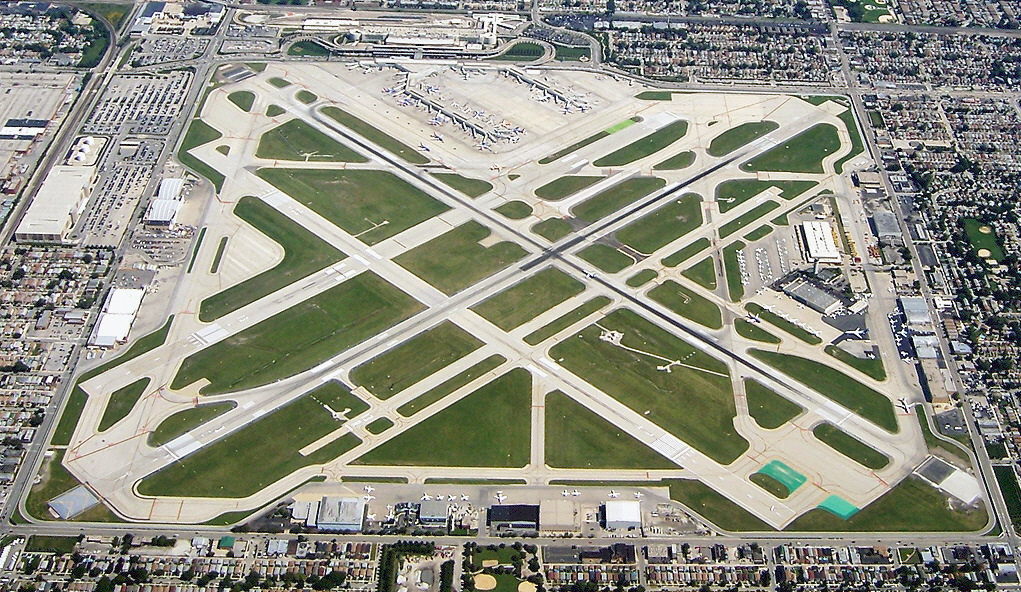
O’Hare isn’t just large; it’s a colossal enterprise designed to handle millions of passengers and hundreds of thousands of flights annually, connecting the United States to every corner of the globe. Its size impacts everything from the duration of connections to the array of services available, shaping the travel experience for leisure tourists, business travelers, and international visitors alike. Delving into the specifics of its land area, passenger volume, operational capacity, and strategic importance reveals an airport that truly defines “big” in the aviation world.
A Colossus of Concrete and Connectivity: The Physical Scale of ORD
When we talk about the size of O’Hare, the immediate thought often turns to its physical footprint. And in this regard, ORD is truly immense. Its vast expanse is critical to its operational capacity, allowing for multiple runways, extensive terminal facilities, cargo operations, and all the auxiliary services required to keep a global aviation hub running smoothly.
Expansive Land Area and Runway Network
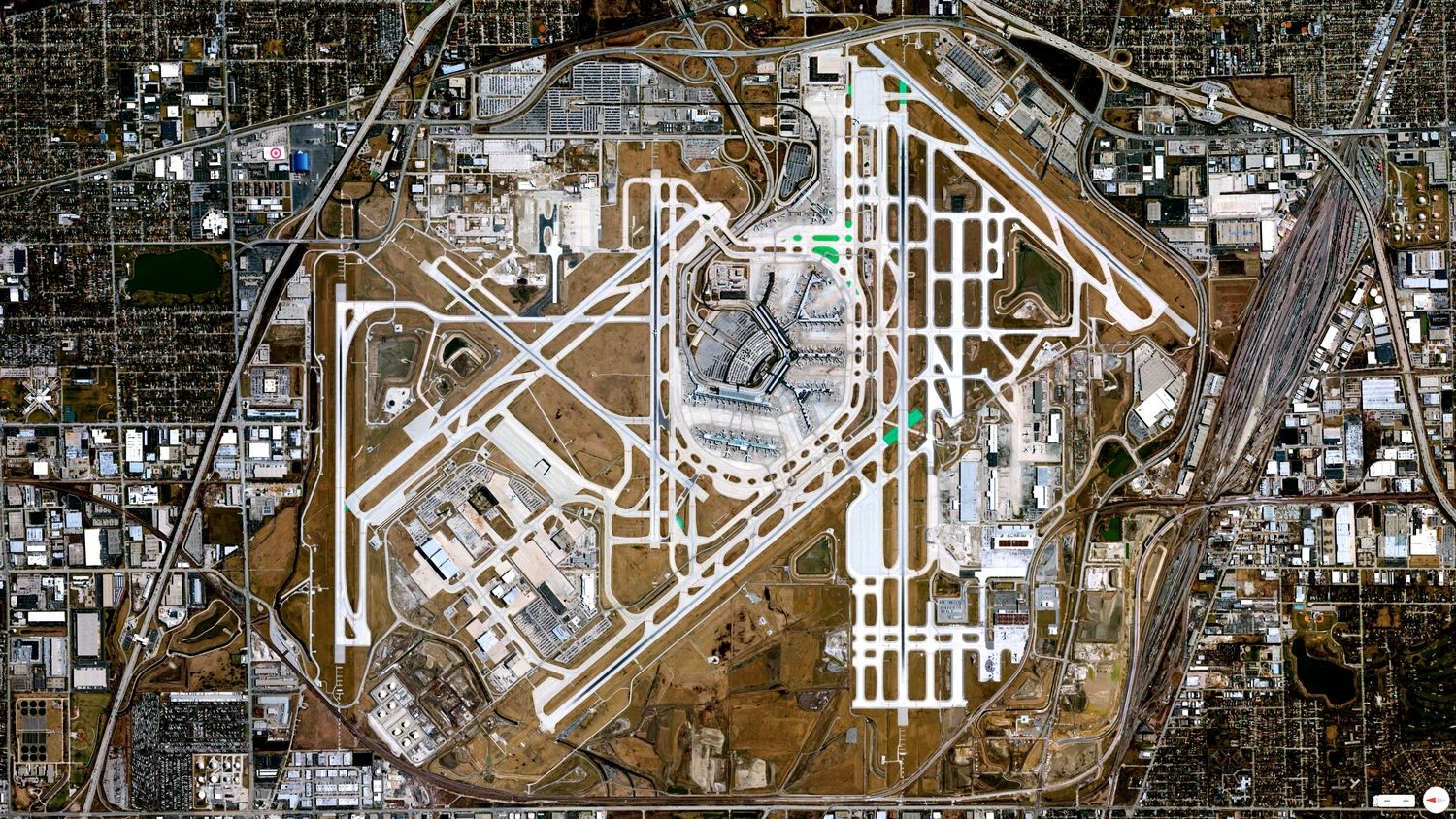
Chicago O’Hare International Airport sprawls across approximately 7,627 acres (over 11.9 square miles, or about 30.8 square kilometers). To put that into perspective, it’s roughly the size of a moderately sized city itself. This sprawling footprint is necessary to accommodate its extensive infrastructure. At the heart of its operational capabilities is a complex network of runways. ORD currently boasts eight runways, configured in a parallel layout that allows for simultaneous arrivals and departures, significantly increasing its air traffic capacity. This intricate design, often referred to as a “runway modernization plan,” has been incrementally developed over decades, aimed at reducing delays and enhancing safety and efficiency. The O’Hare Modernization Program, a multi-billion dollar effort, has dramatically reshaped the airfield, replacing older, intersecting runways with a more streamlined, parallel system. This investment in infrastructure directly translates to a more reliable and efficient travel experience for passengers, minimizing one of the biggest frustrations of air travel: delays.
Terminal Footprint and Gate Capacity
Beyond the runways, the sheer scale of ORD is evident in its terminal facilities. The airport currently operates four main passenger terminals (Terminals 1, 2, 3, and 5) that house a combined total of over 190 gates. These terminals are massive structures, each with multiple concourses stretching considerable distances. For travelers, navigating these expansive terminals can be a journey in itself, often requiring substantial walking or utilization of the Airport Transit System (ATS) to move between terminals and parking facilities.
Terminal 1 serves as the primary hub for United Airlines, an extensive and modern facility. Terminal 3 is dominated by American Airlines, another major carrier. Terminal 2 handles a mix of domestic airlines, while Terminal 5 is the dedicated international terminal, undergoing significant expansion and renovation to accommodate growing global traffic. The strategic layout and sheer number of gates are crucial for handling the immense volume of aircraft traffic, allowing ORD to simultaneously service numerous domestic and international flights, cementing its status as a critical global nexus.
A Nexus of Global Connectivity: Passenger and Cargo Traffic
The true measure of an airport’s size isn’t solely its physical dimensions but its capacity to move people and goods. O’Hare’s operational scale is astounding, consistently placing it among the busiest airports worldwide in terms of both passenger volume and aircraft movements. This operational intensity underscores its pivotal role in global travel and commerce.
Handling Millions: Passenger Volume Statistics
Before the global pandemic, ORD regularly served over 80 million passengers annually, a figure that often ranked it among the top five busiest airports globally. While numbers temporarily dipped, O’Hare has shown remarkable resilience, rapidly rebounding and demonstrating its enduring importance as a travel gateway. This massive passenger flow translates into a vibrant, bustling environment, with travelers from every corner of the world converging in Chicago. The experience of moving through ORD is often defined by this constant motion, a testament to its capacity to facilitate vast numbers of individual journeys.
The sheer volume impacts every aspect of the travel experience, from check-in lines to security wait times, baggage claim efficiency, and the availability of amenities. For travelers, understanding this scale helps in planning, allowing for adequate connection times and anticipating the flow of people in a major international hub.
A Cargo Powerhouse: Economic Implications
Beyond passenger traffic, O’Hare is also a significant global cargo hub. Its strategic location in the heart of the United States, combined with its extensive runway infrastructure, makes it an ideal nexus for air freight. Billions of dollars worth of goods, from high-tech electronics to pharmaceuticals and perishables, pass through ORD’s cargo facilities each year. This robust cargo operation is not just an ancillary service; it’s a vital component of the global supply chain, linking Chicago to international markets and bolstering the region’s economy. For businesses relying on efficient logistics, O’Hare’s capacity as a cargo airport is as important as its passenger-handling capabilities.
Navigating the Giant: Traveler Experience and Amenities
The vastness of O’Hare means that efficient navigation and traveler comfort are paramount. The Chicago Department of Aviation (CDA) has invested significantly in creating an environment that, despite its size, aims to be user-friendly and offer a comprehensive range of services.
Seamless Transit: The Airport Transit System and Walkways
To mitigate the challenges of its expansive layout, ORD relies heavily on its Airport Transit System (ATS), often affectionately called the “people mover.” This elevated rail system connects all four passenger terminals, the main parking lots, and the Multi-Modal Facility (MMF), which provides access to rental cars, regional buses, and the Metra commuter rail. The ATS is indispensable for transfers, particularly for travelers with tight connections between different terminals.
Within the terminals themselves, numerous moving walkways help traverse long concourses, and clear signage is crucial for directing passengers. Despite these aids, travelers should always factor in ample time for getting from one gate to another, especially when connecting between different airlines that might operate from separate terminals. This is a critical aspect of planning for any journey through a major hub like ORD.
A World of Services: Dining, Shopping, and Lounges
As expected from an airport of its magnitude, O’Hare offers an extensive array of amenities to cater to diverse traveler needs. Each terminal is equipped with a wide selection of dining options, ranging from quick-service cafes to sit-down restaurants featuring local Chicago favorites and international cuisine. Shopping opportunities abound, from convenience stores and newsstands to high-end retail boutiques.
For those seeking comfort and exclusivity, ORD houses numerous airline lounges operated by carriers like United Airlines, American Airlines, and other international airlines, as well as independent lounges. These spaces provide a quieter environment, complimentary food and beverages, and business services, significantly enhancing the travel experience, especially during long layovers or before international flights. The availability and quality of these services are directly correlated with the airport’s size and its role as a premier global hub.
Future Horizons: Evolution and Expansion
O’Hare is not static; it’s a living, evolving entity that continuously adapts to the demands of modern aviation. The scale of its ongoing development projects is as impressive as its current dimensions, signaling a commitment to maintaining its position as a world-class travel facility.
The O’Hare 21 Program
The most significant ongoing development is the O’Hare 21 program, an ambitious multi-billion dollar capital improvement project designed to modernize the airport for the 21st century. This program encompasses a wide range of initiatives, including:
- Terminal Area Plan: A complete overhaul and expansion of the terminal complex, including the construction of a new Global Terminal that will consolidate international and domestic operations, aiming to streamline connections and improve the passenger experience significantly.
- Gate Expansions: Adding dozens of new gates across all terminals to increase capacity and reduce gate congestion.
- Modernized Baggage Systems: Upgrading and expanding baggage handling infrastructure to improve efficiency and reduce lost luggage incidents.
- Enhanced Roadways and Parking: Improving ground transportation access and expanding parking facilities to better accommodate the flow of vehicles.
These enhancements are crucial for future growth, aiming to elevate ORD’s standing, not just in size, but also in passenger satisfaction, operational efficiency, and technological integration. For travelers, these improvements promise a more seamless and enjoyable journey through Chicago’s primary gateway.
Environmental Stewardship and Sustainability
As O’Hare expands, there’s also a growing focus on sustainability. Given its vast size and operations, the airport has a significant environmental footprint. Efforts are underway to implement green building practices in new construction, improve energy efficiency, expand recycling programs, and reduce emissions. These initiatives reflect a broader industry trend towards more environmentally responsible aviation, demonstrating that “big” can also be “green.” For the conscious traveler, these efforts contribute to a more sustainable travel ecosystem.
Conclusion: O’Hare – A Monument to Modern Travel
So, how big is the Chicago Airport? It is monumental, not just in its physical footprint of over 7,600 acres and eight runways, but in its operational capacity to process tens of millions of passengers and hundreds of thousands of flights annually. ORD is a sprawling, interconnected ecosystem of terminals, concourses, and services, designed to facilitate global travel on an unparalleled scale.
For any traveler, understanding this immense size is key to a smooth journey. It means planning for longer walks or using transit systems, appreciating the vast array of amenities, and recognizing the constant evolution aimed at enhancing the travel experience. Chicago O’Hare International Airport stands as a powerful symbol of Chicago’s global reach and a testament to the intricate complexities and boundless possibilities of modern air travel. It’s not just an airport; it’s a critical component of the global travel network, a destination in itself for those who appreciate the marvels of aviation infrastructure.
LifeOutOfTheBox is a participant in the Amazon Services LLC Associates Program, an affiliate advertising program designed to provide a means for sites to earn advertising fees by advertising and linking to Amazon.com. Amazon, the Amazon logo, AmazonSupply, and the AmazonSupply logo are trademarks of Amazon.com, Inc. or its affiliates. As an Amazon Associate we earn affiliate commissions from qualifying purchases.