
Embarking on a journey to the Mile-High City requires more than just packing your bags; it demands an understanding of its unique rhythm and, fundamentally, its time. When you ask, “What time is it in Denver, Colorado?” you’re not just seeking a simple numerical answer; you’re unlocking the key to seamless travel planning, maximizing your adventures, and immersing yourself fully in the vibrant culture of this dynamic United States destination. Denver operates on Mountain Time Zone, a crucial detail that impacts everything from flight schedules to dinner reservations and even your body’s internal clock. This comprehensive guide delves into the nuances of Denver’s time, offering insights into how to master your itinerary, select the perfect accommodation, and truly live out of the box during your visit to the heart of the Rocky Mountains.
Understanding Denver’s Time Zone: Mountain Time
At its core, understanding the time in Denver means familiarizing yourself with the Mountain Time Zone (MT), which observes Coordinated Universal Time (UTC) minus seven hours. This designation places Denver two hours behind the East Coast and one hour ahead of the West Coast of the United States. However, the situation isn’t always static, thanks to the observance of daylight saving time.
Mountain Standard Time vs. Mountain Daylight Time
Like much of North America, Denver adheres to daylight saving time, leading to a seasonal shift between two distinct designations:
- Mountain Standard Time (MST): During the fall and winter months, typically from early November to mid-March, Denver observes MST, which is UTC-7. This is the “standard” time when clocks are set back.
- Mountain Daylight Time (MDT): In the spring and summer, generally from mid-March to early November, Denver switches to MDT, which is UTC-6. Clocks are moved forward one hour, granting an extra hour of daylight in the evenings.
This biannual change is crucial for visitors. If you’re planning a trip during the transition periods, double-checking whether the city is on MST or MDT can prevent missed appointments or early arrivals. Websites often display “MT” for Mountain Time, which can be ambiguous; it’s always best to confirm the specific Standard or Daylight designation, especially when dealing with international travel or precise scheduling.
The Impact on Travel Planning and Jet Lag
The time difference can significantly influence your travel experience, particularly if you’re arriving from a distant time zone. For those traveling eastward, such as from California to Denver, the loss of an hour can feel negligible. However, for those arriving from the East Coast or, even more so, international destinations, jet lag can become a real concern.
For optimal planning:
- Adjust Gradually: If possible, begin adjusting your sleep schedule a few days before your trip. For example, if you’re coming from the Eastern Time Zone, try to go to bed and wake up an hour earlier each day.
- Hydrate and Stay Active: On your flight to Denver International Airport, drink plenty of water and try to move around. Upon arrival, resist the urge to nap immediately if it’s still daytime in Denver. Expose yourself to natural light to help reset your internal clock.
- Factor in Arrival Time: When booking flights, consider arriving earlier in the day if possible. This gives you time to settle into your accommodation and explore lightly before needing to sleep at a reasonable Denver hour.
- Synchronize Devices: Ensure all your electronic devices automatically update to the correct Mountain Time Zone. This simple step prevents confusion with appointments and opening hours.

By understanding and preparing for the time difference, you can mitigate the effects of jet lag and hit the ground running, ready to explore all that Denver has to offer.
Maximizing Your Denver Days: Attractions and Activities
With the clock now firmly understood, the next step is to fill those precious hours with unforgettable experiences. Denver is a city that beautifully blends urban sophistication with raw natural beauty, offering a plethora of activities for every type of traveler. From world-class museums to exhilarating outdoor adventures, knowing the operational hours and peak times is crucial for efficient planning.
Iconic Landmarks and Outdoor Adventures
Denver is often referred to as the gateway to the Rocky Mountains, and its proximity to breathtaking natural wonders means outdoor enthusiasts are spoilt for choice.
- Red Rocks Park and Amphitheatre: This geological marvel and world-renowned concert venue is a must-visit. During the day, it’s a fantastic spot for hiking and photography, with trails open from sunrise to sunset. If you plan to attend a concert, be mindful of start times, which often fall in the early evening, aligning perfectly with MDT’s extended daylight.
- Rocky Mountain National Park: While a bit of a drive, a day trip here is an absolute highlight. Timing is key; arrive early to beat the crowds, especially during peak summer months. Many trails and visitor centers operate from morning to late afternoon. Check road conditions and opening times, particularly for Trail Ridge Road, which is often closed in winter.
- Denver Botanic Gardens: A serene escape in the heart of the city, these gardens offer stunning displays year-round. They typically open in the morning (around 9 AM) and close in the late afternoon or early evening. Special events, like “Blossoms of Light” during winter, often have extended evening hours, providing a different perspective on the gardens after dark.
- City Park: Home to the Denver Zoo and the Denver Museum of Nature & Science, this sprawling urban oasis offers hours of entertainment. Both institutions generally operate from 9 AM or 10 AM to 5 PM. Arriving early allows you to enjoy the exhibits before crowds peak, especially if you have children.
These attractions provide ample opportunities for outdoor recreation and cultural enrichment, making judicious use of Denver’s daylight hours.
Urban Exploration: Culture, Cuisine, and Nightlife
Denver’s urban core is a vibrant tapestry of arts, history, and gastronomy. How you spend your time depends on your interests, from morning coffee to late-night entertainment.
- Denver Art Museum: Renowned for its indigenous art collection and striking architecture, the museum typically opens at 10 AM and closes at 5 PM, with extended hours on certain days. Allocate at least 2-3 hours to explore its diverse galleries.
- Union Station: A beautifully restored historic landmark, Union Station serves as a transportation hub, culinary destination, and boutique hotel. Its shops and restaurants have varying hours, but the grand hall is accessible early morning until late evening, making it a perfect spot for breakfast, lunch, or a pre-dinner drink.
- 16th Street Mall: This mile-long pedestrian promenade is bustling with shops, restaurants, and street performers. While accessible 24/7, its energy truly comes alive during business hours and into the evening. The free MallRide bus runs frequently, making it easy to hop on and off as you explore.
- LoDo (Lower Downtown) and RiNo Art District: These districts are perfect for experiencing Denver’s evolving cultural scene. LoDo boasts historic buildings, independent boutiques, and lively nightlife, with many bars and clubs open until the early morning hours. The RiNo Art District is famous for its vibrant street art, galleries, and breweries. Galleries typically open later in the morning (11 AM or noon) and close in the early evening, while breweries often remain open until 10 PM or later.
- Culinary Scene: Denver’s dining scene caters to all tastes, from casual eateries to fine dining establishments. Dinner reservations, especially at popular spots in Larimer Square or Cherry Creek, are highly recommended, particularly for peak dining hours (7 PM – 9 PM MDT). Brunch spots are also immensely popular on weekends, often requiring early arrival or reservations.
Whether you’re an early bird keen on museum visits or a night owl exploring Denver’s bars, aligning your activities with the city’s operating hours is key to a fulfilling trip.
Accommodating Your Stay: Hotels, Resorts, and More
The perfect place to rest your head after a day of exploration is paramount to a successful trip. Denver offers a wide array of accommodation options, from luxury resorts to budget-friendly apartments, each with its own advantages. Understanding how time impacts booking and check-in/out procedures is essential.
Choosing the Right Stay for Every Lifestyle
Your choice of accommodation should align with your travel style and itinerary.
- Luxury Travel: For those seeking opulent experiences, Denver boasts several high-end hotels and suites in areas like downtown and Cherry Creek. These often feature amenities like spa services, gourmet restaurants, and concierge services that can help with timed bookings for exclusive events. Consider properties like The Brown Palace Hotel and Spa or Four Seasons Hotel Denver.
- Budget Travel: Backpackers and cost-conscious travelers will find hostels and more affordable hotels or apartments, particularly outside the immediate downtown core in neighborhoods like Capitol Hill or near public transit lines. Booking in advance, especially during peak seasons, can secure better rates.
- Family Trips: Resorts and hotels with family-friendly amenities such as swimming pools, spacious suites, and kid-centric activities are ideal. Locations near attractions like the Denver Zoo or Elitch Gardens Theme & Water Park can save travel time. Consider properties with kitchenettes for easy meal preparation.
- Business Stays: Hotels in the financial district or near the Colorado Convention Center cater specifically to business travelers, often offering amenities like meeting rooms, high-speed internet, and convenient access to corporate offices.
- Long-Term Stays: For extended visits, serviced apartments or villas offer the comforts of home, including fully equipped kitchens and laundry facilities. This can be particularly beneficial if you’re exploring Colorado beyond Denver for several weeks, perhaps venturing to mountain towns like Breckenridge or Aspen.
Booking Smart: Timing Your Accommodation
The timing of your booking can significantly impact availability and price.
- Advance Booking for Peak Seasons: If you plan to visit during popular times—summer, major conventions, or ski season (for those heading to nearby resorts like Vail or Winter Park from Denver)—booking several months in advance is highly advisable. This is especially true for unique accommodations or specific room types.
- Weekday vs. Weekend Rates: Hotel rates often fluctuate. Weekday nights tend to be cheaper than weekends, particularly in business-focused hotels. If your schedule allows, consider starting your trip mid-week.
- Check-in/Check-out Times: Most Denver hotels have standard check-in times around 3 PM or 4 PM MDT/MST and check-out times around 11 AM or noon. If your flight arrives early or departs late, inquire about early check-in or late check-out options, often available for an additional fee or based on availability. Many hotels offer luggage storage, allowing you to explore the city without your bags.
- Flexible vs. Non-Refundable Rates: While non-refundable rates are usually cheaper, the flexibility of refundable options can be invaluable, especially if your travel plans are subject to change. Evaluate your certainty of travel against the potential savings.
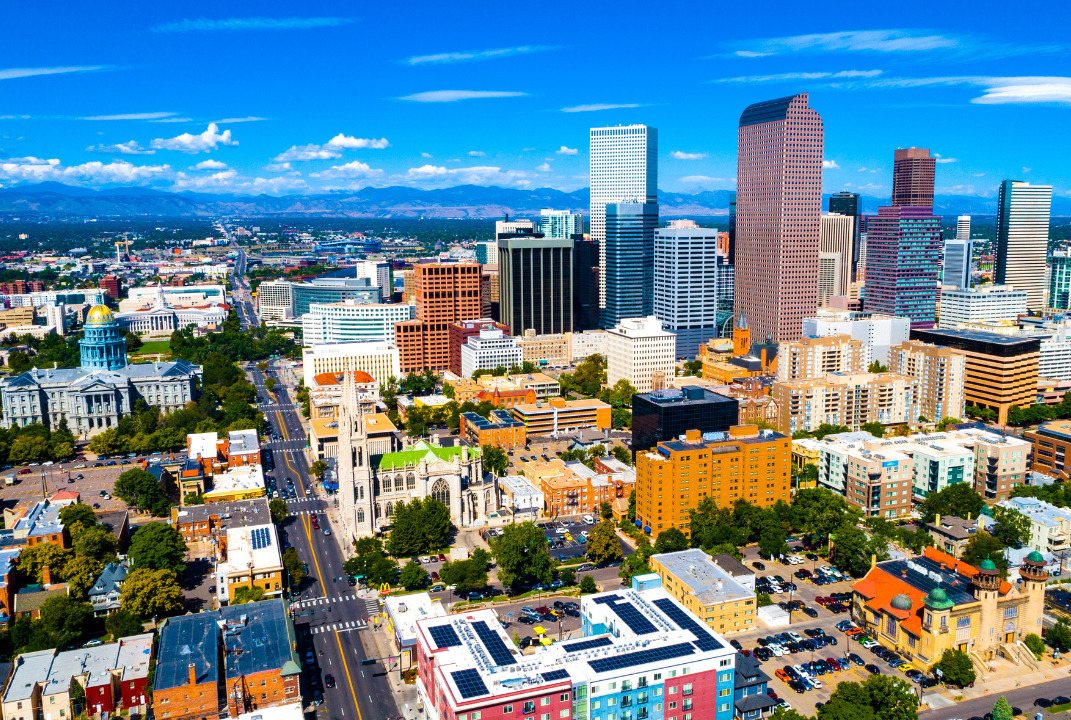
Utilizing accommodation booking platforms, reading reviews, and comparing options across different neighborhoods can help you find the perfect stay that suits both your budget and your travel aspirations, all while keeping Denver’s clock in mind.
Navigating Denver: Practical Tips for a Timely Trip
Beyond understanding the time itself, practical strategies can help you make the most of every moment in Denver. From adjusting to the city’s unique geographical features to choosing the optimal time for your visit, thoughtful preparation enhances the entire experience.
Adjusting to the Altitude and Time Difference
Denver’s nickname, the “Mile-High City,” is not merely a poetic flourish; it refers to its official elevation of exactly one mile (5,280 feet or 1,609 meters) above sea level. This altitude, combined with any time zone changes, can affect visitors, especially those coming from lower elevations.
- Hydration is Key: The dry air and altitude mean you need to drink more water than usual. Start hydrating even before you arrive. Avoid excessive alcohol and caffeine on your first day.
- Take it Easy: Don’t plan strenuous activities immediately after arrival. Give your body a day or two to acclimate before embarking on demanding hikes or intense exercise. Symptoms of altitude sickness can include headaches, nausea, and fatigue, which can be exacerbated by jet lag.
- Sun Protection: At higher altitudes, the sun’s rays are more intense. Wear sunscreen, a hat, and sunglasses, even on cloudy days.
- Listen to Your Body: If you feel unwell, rest. There’s no need to push yourself. Denver will still be there to explore when you’re feeling better.
Managing both the time change and the altitude simultaneously can feel like a double whammy, but with a conscious effort to acclimate, you’ll soon be enjoying all that Denver has to offer with full energy.
Best Times to Visit Denver
The “best” time to visit Denver largely depends on your interests, as each season offers a distinct charm and set of activities.
- Summer (June to August): This is prime time for outdoor enthusiasts. Warm, sunny days (often reaching into the 80s°F/27-32°C) are perfect for hiking, biking, and exploring the nearby Rocky Mountains. Concerts at Red Rocks are in full swing, and street festivals abound. However, it’s also the busiest and most expensive season for accommodation and flights. Afternoon thunderstorms are common but usually short-lived.
- Fall (September to October): Many consider autumn the ideal time to visit. The weather is crisp and pleasant, the crowds thin out slightly, and the Colorado aspens turn brilliant shades of gold, especially in the nearby mountains like Golden or Boulder. It’s an excellent time for scenic drives and enjoying Denver’s urban attractions without the summer rush.
- Winter (November to March): For snow lovers and ski enthusiasts, winter is magical. Denver itself doesn’t get as much snow as the mountains, but it serves as a perfect base for day trips or longer stays at world-class ski resorts. The city sparkles with holiday lights, and cozy indoor activities like museum visits and brewery tours are popular. Be prepared for cold temperatures and potential snow, which can affect travel plans. This is also when Denver observes MST.
- Spring (April to May): Spring brings variable weather, from warm, sunny days to late-season snowstorms, showcasing Colorado’s unpredictable charm. It’s a quieter time for tourism, often yielding better deals on hotels and flights. The city’s parks and gardens begin to bloom, offering a refreshing atmosphere before the summer heat.
Regardless of when you choose to visit, staying informed about the local time, weather forecasts, and event schedules will enable you to curate a trip that perfectly aligns with your expectations and the unique character of Denver.
A Timeless Experience in the Mile-High City
Ultimately, asking “What time is it in Denver, Colorado?” is the first step in unlocking a richer, more intentional travel experience. By understanding the ebb and flow of Mountain Time Zone, embracing the opportunities presented by MDT’s long summer days, and accounting for the logistical impacts of time changes, visitors can truly optimize their stay. From meticulously planning your visits to iconic landmarks like Red Rocks Park and Amphitheatre and the Denver Art Museum, to reserving a table at a bustling LoDo eatery, or finding the ideal hotel that caters to your lifestyle, time is the invisible thread that weaves through every aspect of your Denver adventure.
Denver is a city that rewards planning and an open mind. Whether you’re chasing the golden hour in the Rocky Mountains, exploring the vibrant murals of the RiNo Art District, or simply enjoying a craft beer in a lively brewery, every moment counts. So, set your watch, calibrate your internal clock, and prepare to immerse yourself in the timeless allure of Denver, Colorado—a destination where every second is an opportunity for discovery and delight.
LifeOutOfTheBox is a participant in the Amazon Services LLC Associates Program, an affiliate advertising program designed to provide a means for sites to earn advertising fees by advertising and linking to Amazon.com. Amazon, the Amazon logo, AmazonSupply, and the AmazonSupply logo are trademarks of Amazon.com, Inc. or its affiliates. As an Amazon Associate we earn affiliate commissions from qualifying purchases.