
For many, the mention of Florida immediately conjures images of sun-drenched beaches, theme parks, or the vibrant nightlife of Miami. Yet, tucked away in the sprawling urban landscape of South Florida lies a city that defies typical expectations, a place woven with a unique tapestry of history, architecture, and local life: Opa-locka. While it might not be the first name to appear on a conventional tourist itinerary, understanding “where Opa-locka is” transcends mere geography, offering a fascinating glimpse into one of Florida’s most distinctive, albeit often overlooked, destinations.
This article serves as a comprehensive guide for the curious traveler, demystifying Opa-locka’s location, unraveling its captivating history, highlighting its unique attractions, and positioning it within the broader South Florida experience. Prepare to discover a destination that offers more than just coordinates on a map; it provides a journey into a meticulously planned, architecturally ambitious, and historically rich corner of the Sunshine State.

Unveiling Opa-locka’s Unique Locale
Pinpointing Opa-locka on a map is the first step in appreciating its distinctive character. It’s not a coastal resort town, nor is it a major metropolitan center itself, but its strategic position within the Miami-Dade County area is key to understanding its identity and accessibility.
Geographical Coordinates: North Miami-Dade County
Opa-locka is situated in the northern part of Miami-Dade County, approximately 10 miles north of downtown Miami and about 20 miles south of Fort Lauderdale. This puts it firmly within the bustling greater Miami metropolitan area, yet it maintains a distinct identity separate from the glitz of Miami Beach or the commercial hubs. It shares borders with several other well-known Miami-Dade municipalities, including Hialeah to its west, North Miami to its east, and the unincorporated areas of Miami Gardens to its north.
Its inland location means it doesn’t boast direct ocean access, but its proximity to major highways and its own municipal airport (Opa-locka Airport) underscore its connectivity and historical significance as a transportation hub. The city’s land area is relatively compact, making its unique architectural features quite concentrated and accessible once you are within its boundaries.
Accessibility and Proximity
For travelers, Opa-locka’s location offers a compelling blend of accessibility and distinctiveness. It’s easily reachable via several major arteries, including the Florida Turnpike, I-95, and the Palmetto Expressway (SR 826). This makes it a straightforward drive from both Miami International Airport and Fort Lauderdale-Hollywood International Airport, typically within a 20 to 30-minute drive depending on traffic.
While public transportation in South Florida can be challenging without a car, Opa-locka is served by Miami-Dade Transit bus routes and has a commuter rail station (Opa-locka Train Station) on the Tri-Rail system, connecting it to other parts of Miami-Dade, Broward, and Palm Beach Counties. This interconnectedness means that while it’s a departure from the typical South Florida tourist circuit, it’s far from isolated, making it an intriguing side trip for those based in Miami or looking for a truly local experience.
A City Built on a Vision: The Arabian Nights Theme
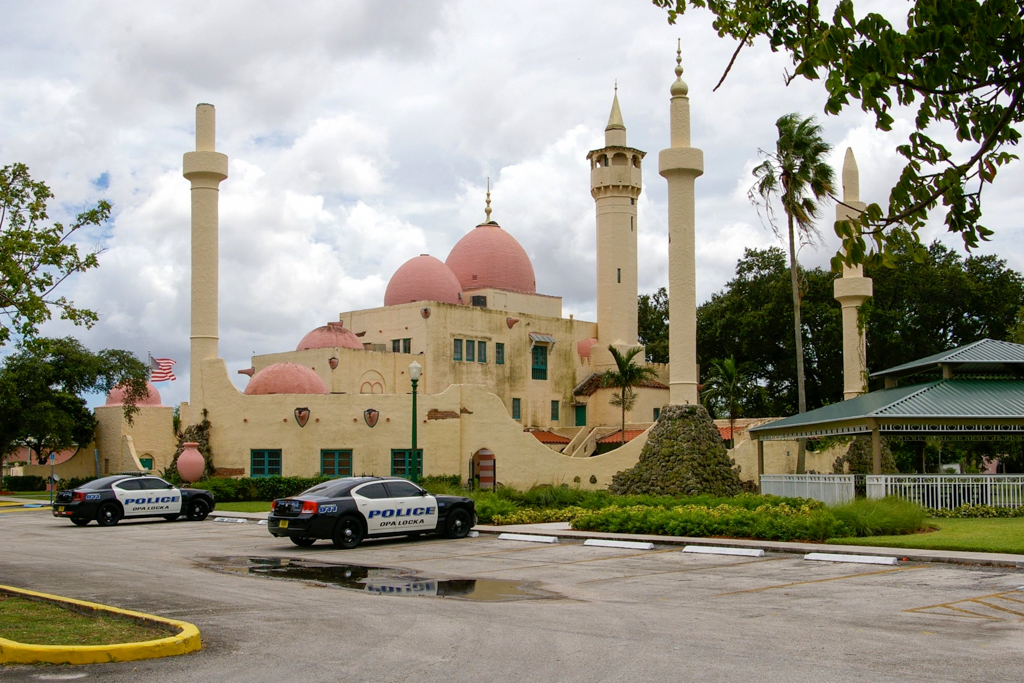
What truly sets Opa-locka apart from any other city in Florida, and arguably in the entire United States, is its mesmerizing and meticulously executed Arabian Nights architectural theme. This isn’t just a handful of buildings; it’s an entire city designed around a fantastical narrative, a testament to the grand visions of early 20th-century urban planners.
The Dream of Glenn Hammond Curtiss
The city of Opa-locka was founded in 1926 by aviation pioneer and developer Glenn Hammond Curtiss. A contemporary and rival of the Wright Brothers, Curtiss was instrumental in the development of both aviation and several South Florida communities. His vision for Opa-locka was audacious: to create a city that evoked the exotic allure of the Middle East, inspired by the tales of One Thousand and One Nights, often known as Arabian Nights.
Curtiss hired renowned architect Bernhardt E. Muller to bring this fantasy to life. The city plan was laid out with streets bearing names like Ali Baba Avenue, Baghdad Avenue, Pasha Place, and Sinbad Avenue. The architecture itself was to be uniformly themed, featuring domes, minarets, intricate courtyards, and vibrant colors reminiscent of Moorish and Islamic design.
Architectural Wonders and Historical Significance
Despite being severely impacted by the devastating 1926 Miami hurricane shortly after its founding, many of Curtiss’s original Arabian Nights structures survived and continue to define the city’s unique aesthetic. The most prominent examples include the iconic Opa-locka City Hall, often referred to as ‘The Palace of the Arabian Nights’, with its grand minaret and domed entrance. Other notable buildings such as the former Opa-locka Railroad Station (now part of the Tri-Rail network) and several residential homes also boast the distinctive Moorish Revival style.
These structures are not merely quaint historical relics; they represent a significant chapter in American urban planning and architectural history, earning Opa-locka a place on the National Register of Historic Places for its historic district. For a traveler, this means an opportunity to witness a living, breathing architectural marvel, a stark contrast to the art deco of Miami Beach or the modern high-rises that dominate much of South Florida. It’s a journey into a specific, ambitious vision that truly transports visitors to another time and place without ever leaving Florida.
Exploring Opa-locka for the Curious Traveler
While Opa-locka may not be teeming with conventional tourist traps, it offers a rich and rewarding experience for travelers keen on cultural immersion, historical exploration, and appreciating unique architecture. It’s a destination for those who seek authenticity beyond the well-trodden paths.
Beyond the Usual Tourist Trail
Visiting Opa-locka is an invitation to step outside the commercialized veneer of typical tourist destinations. It’s an opportunity to connect with a community rich in history and local flavor. Travelers won’t find bustling souvenir shops or themed restaurants, but rather a chance to observe daily life unfold against an extraordinary backdrop. This can be particularly appealing for photographers, architecture enthusiasts, and those interested in urban development stories.

The city’s vibrant community and distinctive cultural heritage, influenced by its diverse population, add another layer of depth. While the Arabian Nights theme is a visual anchor, the true essence of Opa-locka lies in its people and their stories. Engaging with local businesses or simply observing the rhythm of the city can provide insights often missed in more polished tourist zones.
Points of Interest and Local Charm
The primary draw for most visitors will undoubtedly be the Opa-locka City Hall. This magnificent building, often considered the crown jewel of Curtiss’s vision, is a must-see. Its intricate details, soaring minaret, and imposing dome are captivating. While not always open for public tours, its exterior alone is worth the visit.
A driving or walking tour through the older sections of Opa-locka will reveal numerous other themed homes and buildings. Look for residential properties with distinctive domes, arched windows, and decorative flourishes that hark back to the Arabian Nights motif. Many of these historical homes are still privately owned and occupied, offering a sense of living history.
Opa-locka Airport, while primarily a general aviation facility, also holds historical significance. It was once a major blimp base and a key hub during the golden age of aviation. Today, it serves as an important reliever airport for Miami International Airport. For aviation enthusiasts, observing the planes and perhaps catching a glimpse of the older hangars can be an interesting experience.
Another notable attraction close to Opa-locka is Amelia Earhart Park, named after the famous aviator who made history at the nearby airport. This sprawling park offers a range of recreational activities, including a farm village, pony rides, bike trails, a disc golf course, and a large lake for watersports. It’s a great spot for families or anyone looking to enjoy Florida’s outdoors just minutes from the city’s core.
Opa-locka’s Role in the Broader South Florida Experience
Understanding Opa-locka’s “where” also means understanding its interconnectedness with the vibrant and diverse tapestry of South Florida. It’s not an island unto itself but an integral part of a larger metropolitan area, offering unique contrasts and complementarities to its neighbors.
Proximity to Major Hubs and Attractions
Opa-locka’s location makes it a practical base or a compelling detour for those exploring South Florida. Its short distance from Miami International Airport means travelers can easily access it upon arrival or before departure. For business travelers, the proximity to various commercial and industrial zones in northern Miami-Dade County is a significant advantage.
Beyond its immediate vicinity, Opa-locka is just a relatively short drive from many of South Florida’s world-renowned attractions. The beaches of Miami Beach, the cultural districts of Wynwood and the Design District, and the bustling downtown Miami area are all within a 20-40 minute drive. Even natural wonders like the Everglades National Park are accessible for a day trip. This strategic position allows visitors to experience the architectural distinctiveness of Opa-locka without sacrificing access to more conventional Florida experiences.
A Glimpse into Local Florida Life
For many travelers, the allure of Opa-locka lies in its ability to offer a glimpse into local Florida life away from the tourist crowds. It’s a working city, with its own challenges and triumphs, reflecting the broader social and economic dynamics of the region. This raw authenticity can be a refreshing change for those accustomed to curated tourist experiences.
Exploring local eateries, small businesses, and community spaces can provide a deeper understanding of the diverse communities that call South Florida home. It’s a place where history, culture, and everyday life intersect in a unique way, making it a valuable stop for travelers interested in a more comprehensive and nuanced view of the Sunshine State. Opa-locka serves as a reminder that Florida is far more than just its beaches and theme parks; it is a tapestry of distinctive communities, each with its own story to tell.
Planning Your Visit to Opa-locka (or passing through)
For the adventurous and culturally curious traveler, including Opa-locka in your South Florida itinerary promises a memorable and educational experience. While it may not require an extended stay, a focused half-day or full-day visit can be incredibly rewarding.
Best Ways to Explore
The most effective way to experience Opa-locka’s unique architecture is by car. A self-guided driving tour allows you to cover more ground and comfortably observe the various themed buildings. Begin your exploration around the Opa-locka City Hall area, then navigate through the surrounding streets, paying attention to the distinct architectural details that define the city. Don’t forget to look for the Opa-locka Train Station and other historical landmarks identified on the National Register of Historic Places listings.
For those who prefer a more intimate experience, walking tours in specific historical zones can offer a closer look at the intricate designs and the charm of the residential areas. Always be mindful and respectful of private property, and remember that these are active neighborhoods. Combining a visit with time at Amelia Earhart Park nearby can provide a pleasant contrast, blending architectural history with outdoor recreation.
Practical Considerations for Travelers
When planning your visit, it’s advisable to go during daylight hours to fully appreciate the architecture. As with any urban area, practicing general travel safety precautions is recommended. Research local dining options in advance if you plan to eat within Opa-locka, as choices might be more localized than in major tourist centers.
For accommodations, most visitors choose to stay in hotels in neighboring cities like Miami Lakes, Hialeah, or downtown Miami, and then travel to Opa-locka for a day trip. Its accessibility from major highways makes this an easy option.
In conclusion, “Where is Opa-locka, Florida?” is a question that opens the door to discovery. It’s a place where history, fantasy, and everyday life converge, offering a truly unique travel experience that enriches one’s understanding of South Florida’s diverse landscape. For those seeking a destination with character, a compelling backstory, and a visual feast for the eyes, Opa-locka stands ready to surprise and delight.
LifeOutOfTheBox is a participant in the Amazon Services LLC Associates Program, an affiliate advertising program designed to provide a means for sites to earn advertising fees by advertising and linking to Amazon.com. Amazon, the Amazon logo, AmazonSupply, and the AmazonSupply logo are trademarks of Amazon.com, Inc. or its affiliates. As an Amazon Associate we earn affiliate commissions from qualifying purchases.