
Understanding the intricacies of time zones is an often-overlooked yet critical aspect of planning any successful trip, especially when venturing to a diverse and expansive destination like Florida. For tourists, knowing precisely “what GMT is Florida” is not merely a matter of academic interest but a practical necessity that can dictate everything from flight schedules to dinner reservations and communication with home. Greenwich Mean Time (GMT) serves as the world’s primary time reference, and knowing how Florida’s local time aligns with it is fundamental for a seamless travel experience. This guide will delve into the Sunshine State’s temporal landscape, offering invaluable insights and tips for tourists to navigate its clocks with confidence.

Decoding Florida’s Time Zone Landscape
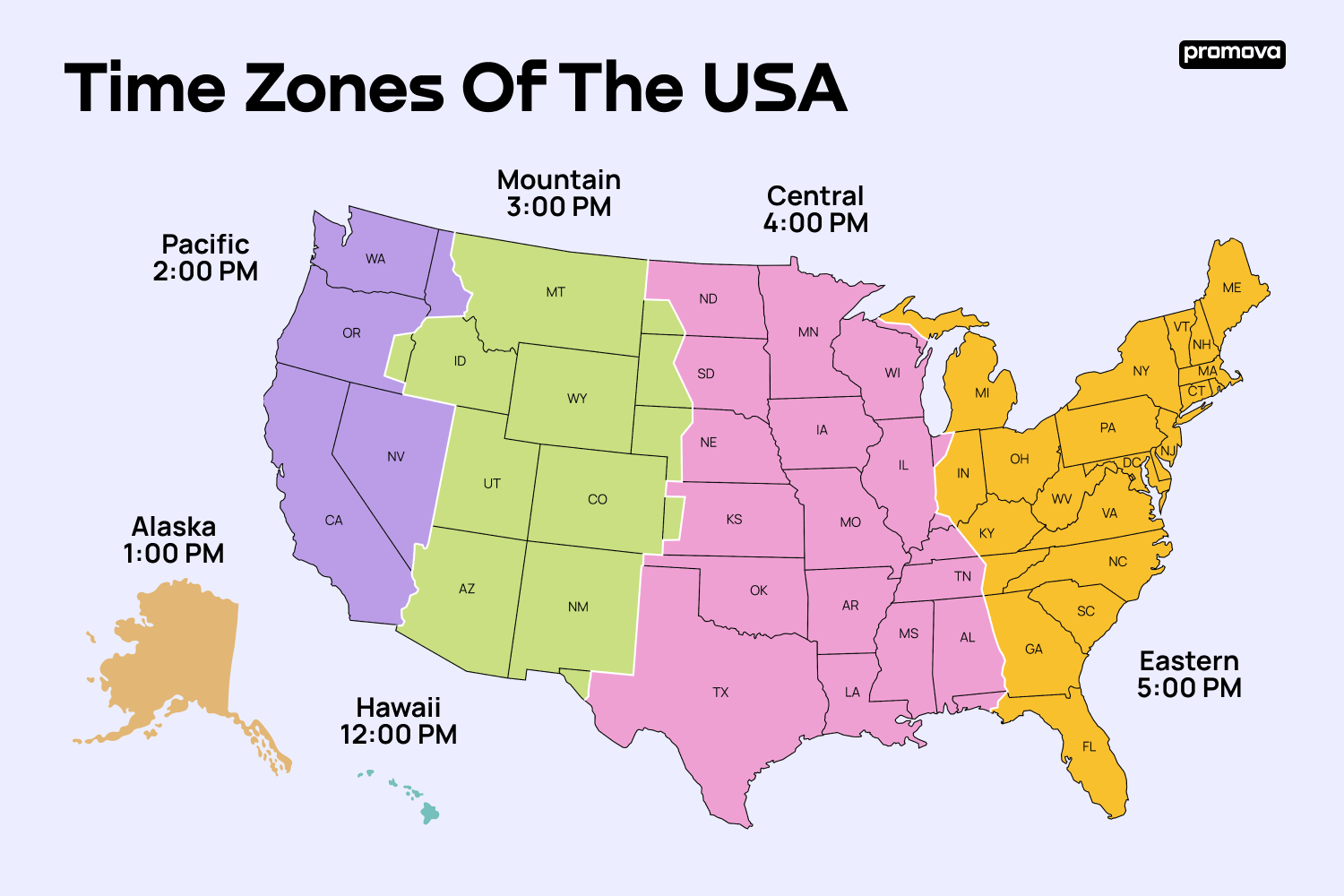
Florida, while seemingly a single entity, actually spans two distinct time zones, a detail that can easily trip up unsuspecting travelers. The vast majority of the state adheres to one, but a significant portion of its western Panhandle operates on another, creating a temporal boundary within its borders.
The Eastern Standard Time (EST) Zone
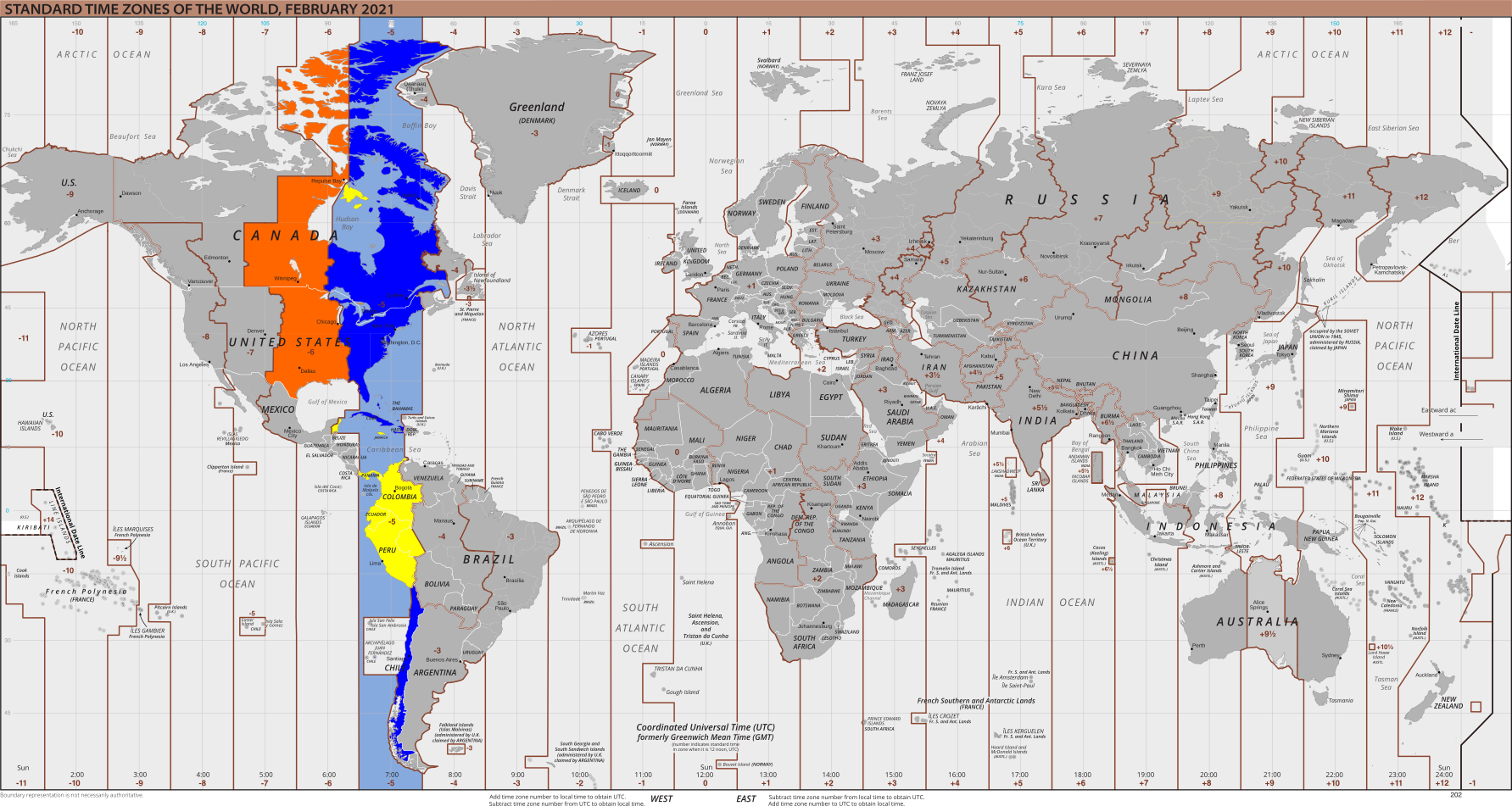
The overwhelming majority of Florida, encompassing its popular tourist hubs and vibrant cities, observes Eastern Standard Time (EST). This includes iconic destinations such as Miami, Orlando, Jacksonville, Tampa, Fort Lauderdale, and the entire Florida Keys, including Key West. EST is precisely five hours behind Greenwich Mean Time (GMT), commonly expressed as GMT-5. This means that when it’s noon in London (GMT), it’s 7:00 AM in Miami. This consistent offset simplifies planning for most visitors, especially those arriving from other parts of the United States that also use EST or other well-known time zones. For international travelers, understanding this GMT offset is crucial for calculating arrival times, adapting to the local schedule, and minimizing the effects of jet lag. The vibrant energy of South Florida‘s beaches, the magical allure of Orlando’s theme parks like Walt Disney World and Universal Studios Florida, and the natural beauty of Everglades National Park all operate on this consistent EST schedule, making itinerary planning straightforward for the majority of a Florida vacation.
The Panhandle’s Central Time Zone (CST)
A distinct geographical quirk places a portion of the Florida Panhandle in the Central Standard Time (CST) zone. This westernmost sliver of the state, including cities like Pensacola, Panama City Beach, and Destin, observes CST, which is GMT-6. This means it is one hour behind EST and six hours behind Greenwich Mean Time. The time zone line itself is somewhat unique, generally following the Apalachicola River west of Tallahassee. For instance, while Tallahassee itself is in EST, just a short drive west can put you in CST. This boundary is crucial for tourists who plan on exploring both the main peninsula and the Panhandle. Failing to account for this one-hour difference can lead to missed appointments, confusion over event timings, or even logistical headaches with transportation connections. Imagine missing a sunset cruise departure in Destin because you were still operating on Orlando’s time! Travelers moving between these zones should always confirm the local time, especially when dealing with flights, bus schedules, or timed attractions.
Greenwich Mean Time (GMT) as a Global Standard
At its core, Greenwich Mean Time (GMT) is a standard used worldwide to synchronize clocks. Originating from the Royal Observatory in Greenwich, London, United Kingdom, it represents the mean solar time at the prime meridian. While Coordinated Universal Time (UTC) has largely replaced GMT as the scientific standard, GMT remains widely recognized and used colloquially, particularly in navigation and general time zone discussions. Understanding Florida’s relationship to GMT (i.e., EST is GMT-5 and CST is GMT-6) provides a universal reference point. For international tourists, this baseline is indispensable for managing communication with family and friends back home, adjusting to new routines, and avoiding the pitfalls of jet lag. Whether you’re calling Europe or Asia, knowing Florida’s GMT offset ensures you connect at an appropriate local hour.
The Impact of Daylight Saving Time (DST) on Florida Tourism
Adding another layer of complexity to Florida’s timekeeping is the observance of Daylight Saving Time (DST). This annual adjustment, where clocks are moved forward in the spring and back in the fall, can have significant implications for tourists if not accounted for.
When the Clocks Change
Like most of the United States, Florida observes Daylight Saving Time, typically beginning on the second Sunday in March and ending on the first Sunday in November. During this period, Eastern Standard Time (EST) transitions to Eastern Daylight Time (EDT), becoming GMT-4. Similarly, Central Standard Time (CST) shifts to Central Daylight Time (CDT), which is GMT-5. Essentially, the clocks “spring forward” by one hour in March and “fall back” by one hour in November. This means that during the peak tourist seasons of spring, summer, and early fall, Florida operates on Daylight Time. While there have been proposals to make DST permanent in Florida (known as the “Sunshine Protection Act”), as of now, the state continues to observe the biannual clock changes. Tourists should always verify the current time observance when planning their trip, especially if their travel dates fall near the transition periods.
Practical Implications for Travelers
The switch to and from Daylight Saving Time carries several practical implications for tourists. Firstly, flight schedules are always based on local time. If you book a flight months in advance, ensure you’re aware if a DST change will occur between your booking and your travel date, as it could affect connections or arrival times. Secondly, tour timings, attraction opening and closing hours, and reservation slots (for dining, shows, or activities like those at Walt Disney World) are all adjusted with the clock. Arriving an hour late or early due to a DST oversight can lead to missed experiences and forfeited payments. Thirdly, communication with individuals outside Florida becomes even more critical. If your home region does not observe DST, or observes it on a different schedule, the time difference can shift, requiring a recalculation for calls or virtual meetings. Finally, the longer daylight hours during EDT and CDT can be a boon for tourists, allowing for more outdoor activities and extended evenings, but it also means sunrise occurs later in the morning. This can impact early bird plans for photography or certain outdoor excursions like fishing charters.
Navigating Time Zones for a Seamless Florida Experience
To ensure a truly stress-free and enjoyable vacation, tourists must proactively manage the temporal aspects of their Florida adventure.
Planning Your Itinerary Across Zones
For tourists planning an ambitious itinerary that includes both the main Florida peninsula (GMT-5/4) and the Panhandle (GMT-6/5), meticulous planning is essential. When transitioning between these regions, remember to adjust your watch and all electronic devices. Consider setting an alarm or reminder for the change, especially if you’re driving across the time zone line. Maps and GPS systems usually update automatically, but it’s always wise to double-check. For example, if you’re departing Tallahassee (EST/EDT) for Pensacola (CST/CDT), remember you’ll gain an hour when heading west. This can be beneficial for fitting in an extra activity or enjoying a leisurely meal, but reverse the journey, and you’ll effectively lose an hour, which could impact a scheduled flight or reservation.
Communication and Connectivity
Staying connected with family, friends, or business associates while vacationing in Florida requires an awareness of the time differences. Whether it’s a casual video call with relatives in California (Pacific Time, GMT-8/7) or a critical work meeting with colleagues in New York (Eastern Time, GMT-5/4) or Europe, factor in the local time. Many smartphones and digital calendars automatically adjust to local time and can display multiple time zones, making this easier. However, manually confirming the time zone of your contact’s location, especially if they are in a region with different DST rules or outside the standard United States time zones, will prevent inconveniently timed calls. This thoughtful consideration demonstrates professionalism and respect for others’ schedules, allowing you to enjoy your vacation without unnecessary communication disruptions.
Jet Lag and Adaptation
For international visitors, particularly those arriving from distant time zones (e.g., Europe, Asia, or Australia), adapting to Florida’s GMT offset is a primary concern for managing jet lag. The body’s internal clock, or circadian rhythm, takes time to adjust. To mitigate jet lag:
- Gradually Adjust Before Travel: If possible, start shifting your sleep schedule a few days before your flight.
- Hydrate: Drink plenty of water and avoid excessive alcohol or caffeine during your flight.
- Adjust to Local Time Immediately: As soon as you land, try to live by Florida’s time. Eat meals at local times, and try to stay awake until evening.
- Seek Sunlight: Exposure to natural light, especially in the morning, helps reset your body clock.
- Short Naps: If necessary, take short naps (20-30 minutes) to combat fatigue, but avoid long naps that interfere with nighttime sleep.
By proactively managing your body’s adjustment, you can maximize your energy and enjoyment of all the activities Florida has to offer.
Why Understanding Florida’s Time Zone Matters for Tourists
The simple answer to “what GMT is Florida” translates into a host of practical considerations that can make or break a tourist’s experience. It’s not just a statistic but a fundamental piece of information for effective trip planning.
Avoiding Missed Connections
Perhaps the most critical reason for time zone awareness is to avoid missed connections. This applies to flights, trains, and bus schedules, where even a one-hour discrepancy can lead to significant financial losses and wasted travel time. Restaurant reservations, guided tours (e.g., airboat rides in the Everglades, city tours in St. Augustine), and pre-booked tickets for attractions like Kennedy Space Center are all time-sensitive. A late arrival due to time zone confusion could mean losing your slot, or worse, your entire booking. For Walt Disney World or Universal Studios Florida visitors, precise timing for FastPass+ or virtual queue reservations is paramount to enjoying popular rides and shows, and even a small miscalculation can throw off an entire day’s meticulously planned schedule.
Maximizing Your Visit
Understanding Florida’s time zones allows tourists to strategically maximize their visit. Knowing the actual sunrise and sunset times (which vary with DST) helps in planning outdoor activities, beach visits, and scenic drives to take advantage of the best light and weather conditions. For early risers, knowing the time enables them to beat the crowds at popular attractions. For those who prefer a relaxed pace, it helps in scheduling breaks and avoiding peak hours. Essentially, time zone awareness empowers you to control your schedule rather than being controlled by it, ensuring you make the most of every precious moment in the Sunshine State.
Local Business Hours and Event Schedules
Florida’s vibrant local culture, unique shops, and community events are integral to the tourist experience. From farmers’ markets in Key West to art festivals in Sarasota or local seafood shacks in Tampa, these often operate on specific local hours. Public transportation, museum opening times, and even bank hours are all governed by the local clock. Relying on an incorrect time zone can lead to finding a desired establishment closed or missing a local parade or concert. Being correctly aligned with local time means you can fully immerse yourself in the authentic Florida experience without missing out on spontaneous discoveries or planned cultural events.
In conclusion, the question “What GMT is Florida?” unpacks into a series of crucial practical tips for any tourist. While most of the state observes EST/EDT (GMT-5/4), the western Panhandle operates on CST/CDT (GMT-6/5), and the biannual shift for Daylight Saving Time adds another layer of consideration. By acknowledging these nuances and actively planning around them, visitors can avoid common pitfalls, optimize their itineraries, and ensure a smooth, enjoyable, and memorable Florida vacation, free from temporal confusion. Your adventure in the Sunshine State begins with setting your watch correctly.
LifeOutOfTheBox is a participant in the Amazon Services LLC Associates Program, an affiliate advertising program designed to provide a means for sites to earn advertising fees by advertising and linking to Amazon.com. Amazon, the Amazon logo, AmazonSupply, and the AmazonSupply logo are trademarks of Amazon.com, Inc. or its affiliates. As an Amazon Associate we earn affiliate commissions from qualifying purchases.