
While the immediate focus of special elections in Florida typically centers on political shifts and policy debates, their reverberations extend far beyond the legislative chambers, particularly impacting the state’s vibrant tourism sector. Florida, a global tourism powerhouse, relies heavily on its reputation as a welcoming, stable, and attractive destination. Therefore, the outcomes and broader political climate surrounding such elections inevitably prompt questions within the tourism industry: How might new leadership or shifts in legislative priorities influence visitor numbers, infrastructure development, destination marketing, and the overall traveler experience? This article delves into the intricate relationship between political events like special elections and Florida’s crucial tourism landscape, exploring the potential implications for this economic cornerstone.
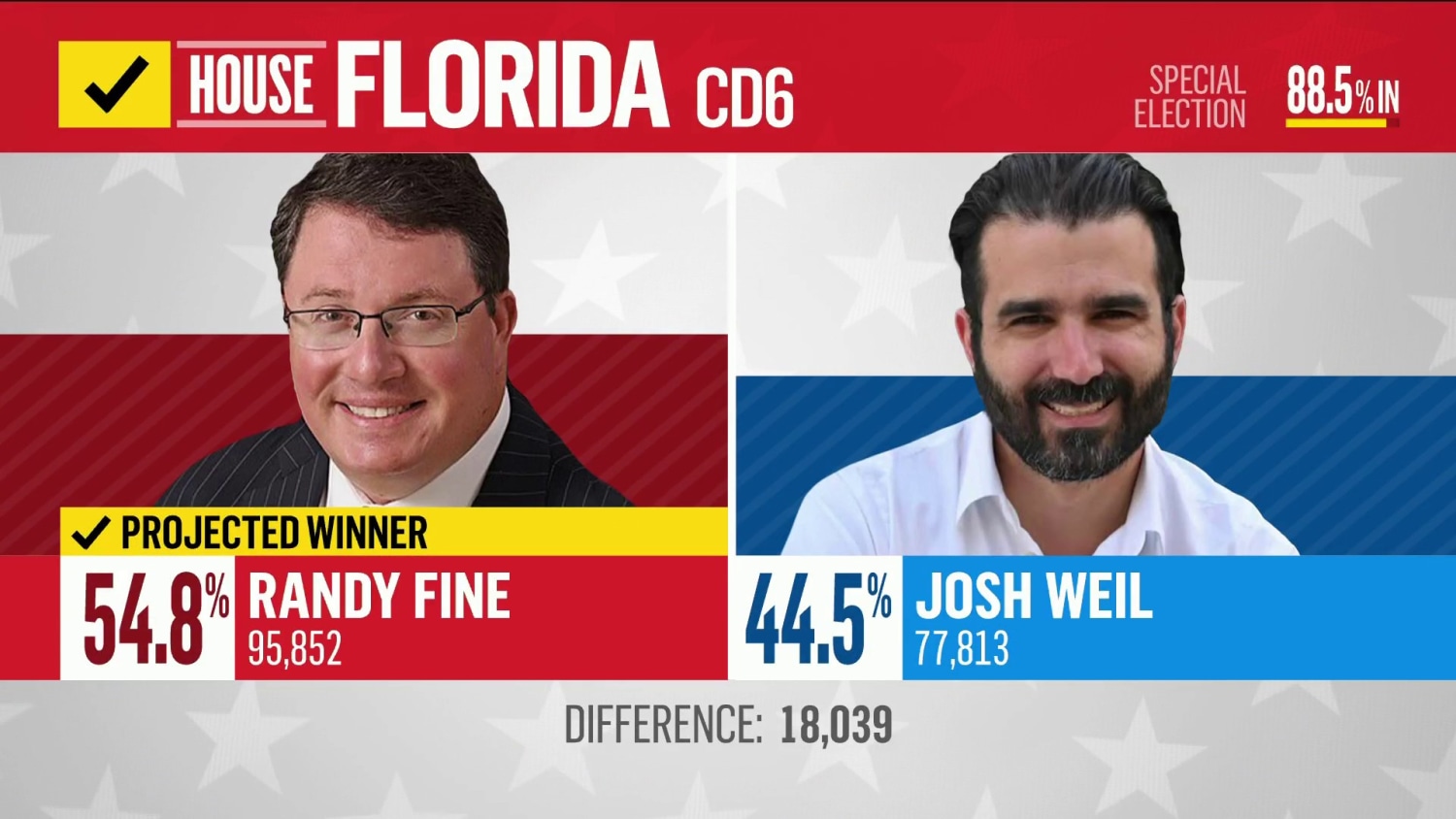
The Interplay Between Politics and Florida’s Tourism Landscape
The tourism industry, by its very nature, is sensitive to external factors, from economic recessions to global health crises. Political stability and the perception of a destination’s governance play a surprisingly significant role in attracting and retaining visitors. Special elections, while often localized, can be indicators of broader political currents that shape investor confidence, regulatory environments, and public perception – all critical elements for a thriving tourism economy.
Setting the Stage: Florida’s Economic Engine
Florida’s economy is inextricably linked to tourism. Millions of visitors flock to the Sunshine State each year, drawn by its diverse attractions, from the pristine beaches of South Beach and Key West to the world-renowned theme parks of Orlando, including Walt Disney World Resort and Universal Orlando Resort. This influx supports a vast ecosystem of hotels, restaurants, transportation services, and entertainment venues, generating billions in revenue and sustaining countless jobs. Given this economic reliance, any political event that could even subtly alter Florida’s appeal warrants careful observation from industry stakeholders. Special elections, especially those in high-profile or tourism-heavy districts, are watched for signals about future legislative directions that could impact this vital sector.
Beyond the Ballot: Perceived Stability and Visitor Confidence
One of the most profound, yet often indirect, impacts of political events on tourism is their effect on perceived stability and visitor confidence. Tourists, particularly international travelers, seek destinations that offer a sense of security and reliability. A contentious election cycle, regardless of the outcome, can sometimes create a perception of instability or uncertainty, potentially causing some travelers to hesitate or reconsider their plans. Conversely, an election that leads to clear governance and a focus on pro-tourism policies can bolster confidence. Industry leaders consistently monitor political discourse to gauge how it might influence traveler sentiment, understanding that even minor shifts in perception can have tangible effects on booking trends and destination appeal. The outcome of special elections, therefore, is not just about who holds power, but about the message it sends to the global travel market regarding Florida’s future trajectory.
Policy Implications for Tourism and Hospitality
The legislative agenda set by elected officials can directly shape the operational landscape and future growth prospects for Florida’s tourism and hospitality industries. Special elections can introduce new voices or reinforce existing platforms that carry specific implications for funding, regulation, and strategic planning within the sector.
Infrastructure Development and Funding
Infrastructure is the backbone of any successful tourism destination. Roads, airports, seaports, public transportation, and even digital connectivity are crucial for facilitating visitor access and enhancing their experience. Special elections can influence the prioritization and funding of these essential projects. A newly elected representative, for instance, might champion initiatives aimed at improving transit to popular attractions in Miami or expanding airport capacity in Tampa. Conversely, a shift in political focus could divert funds away from tourism-centric infrastructure, impacting long-term growth. The industry closely follows campaign promises and post-election legislative moves to understand how potential changes in local or state leadership might affect investments critical to accommodating Florida’s ever-growing visitor base. These decisions have a direct bearing on the efficiency and enjoyment of travel within the state.
Regulatory Changes and Business Environment

Beyond infrastructure, special elections can lead to shifts in regulatory policies that directly affect tourism businesses. This could include changes in taxation, labor laws, environmental regulations, or licensing requirements for hotels, resorts, and tour operators. For example, a new administration might introduce incentives for sustainable tourism practices, or conversely, enact stricter regulations on coastal development that impact resort expansions. Labor policies, such as minimum wage laws or worker protections, can also significantly affect the operational costs and hiring strategies of hotels and restaurants. The hospitality sector, a major employer, must adapt swiftly to these changes. Understanding the political leanings of newly elected officials provides critical foresight for businesses to plan and mitigate potential impacts, ensuring Florida remains competitive and attractive for both tourists and tourism investors.
Marketing Florida Post-Election
The “who won” question of special elections, from a tourism perspective, translates into how the political landscape influences the narrative and strategy behind promoting Florida as a premier global destination. Marketing campaigns are not just about showcasing attractions; they’re about selling an image, a feeling, and a promise. Political outcomes can subtly, or sometimes overtly, shape this image.
Shaping Florida’s Image as a Global Destination
Every election contributes to the ongoing narrative of a state. The outcomes of special elections, combined with the broader political dialogue, can influence how Florida is perceived both domestically and internationally. For tourism marketers, maintaining a positive, inclusive, and inviting image is paramount. A perception of political stability, progress, and a welcoming atmosphere can enhance Florida’s appeal, reinforcing its brand as the “Sunshine State” – a place of relaxation, excitement, and opportunity. Conversely, political controversies, even if localized, can sometimes cast a shadow, requiring more strategic and reassuring communication from tourism boards like Visit Florida. The challenge for destination marketers post-election is to either leverage favorable political environments to amplify positive messaging or navigate potentially challenging narratives to protect and enhance Florida’s global standing as a top-tier travel destination.
Targeted Campaigns and Niche Tourism Segments
Special elections can also highlight specific regional needs or priorities, leading to more targeted tourism campaigns. For example, if an election outcome signals increased support for environmental protection, tourism entities might amplify messaging around Florida’s ecotourism offerings, such as the Everglades National Park or unique wildlife preserves. Similarly, a focus on cultural heritage could spur campaigns promoting historical cities like St. Augustine or the vibrant arts scene in Jacksonville. Post-election, tourism boards and private enterprises often evaluate the new political landscape to identify opportunities for developing and marketing niche tourism segments that align with perceived legislative priorities or emerging consumer interests. This adaptive approach ensures that marketing efforts remain relevant and effective, capitalizing on the evolving political and social context to attract a diverse range of visitors to every corner of Florida.
Regional Variances and Local Impact
While special elections might occur in specific districts, their ripple effects can be felt across the state. However, the exact nature of these impacts on tourism often varies significantly from one region to another, depending on the local economy’s reliance on tourism, the specific nature of the election, and the distinct characteristics of the area.
Miami, Orlando, and Beyond: Diverse Tourism Economies
Florida is not a monolithic tourism entity. Its diverse regions boast distinct attractions and visitor profiles. For instance, an election impacting downtown Miami might have significant implications for cruise lines, luxury hotels, and international business travel, whereas an election outcome in the Orlando area could more profoundly affect theme parks, family resorts, and convention tourism. In a historical city like Tallahassee, a special election might influence state-level tourism funding or the preservation of historical sites. Each region has unique tourism drivers, and consequently, the localized outcomes of special elections can produce varied responses and strategic adjustments from the respective tourism industries. Understanding these regional nuances is crucial for predicting and responding to the aftermath of a special election. Local tourism organizations, chambers of commerce, and individual businesses in these distinct areas must analyze the specific implications for their operations and marketing efforts.

Community Engagement and Sustainable Tourism Initiatives
The outcomes of special elections can also galvanize local communities and influence the direction of sustainable tourism initiatives. Newly elected officials might champion policies that prioritize environmental conservation, support local businesses, or promote cultural preservation – all elements that contribute to more responsible and sustainable tourism practices. For example, a new representative might advocate for stronger protections for coastal ecosystems, enhancing Florida’s appeal to eco-tourists, or push for initiatives that empower local artisans and cultural institutions, enriching the visitor experience. Conversely, policies that are perceived as detrimental to the environment or local communities could generate opposition, potentially impacting a destination’s appeal to travelers increasingly seeking responsible travel options. The tourism industry often collaborates with local governments and community groups to ensure that growth is sustainable and benefits residents, and special elections can either strengthen or challenge these partnerships, shaping the long-term character and appeal of Florida’s numerous unique destinations.
Ultimately, while “Who Won The Special Elections In Florida?” might appear to be a purely political question, its answer carries significant weight for the state’s expansive tourism industry. The shifting political landscape, influenced by these elections, dictates the policies, perceptions, and priorities that shape Florida’s future as a premier global travel destination. The industry, ever vigilant, continues to adapt and innovate, ensuring that the Sunshine State remains a welcoming haven for visitors worldwide, irrespective of political winds.
LifeOutOfTheBox is a participant in the Amazon Services LLC Associates Program, an affiliate advertising program designed to provide a means for sites to earn advertising fees by advertising and linking to Amazon.com. Amazon, the Amazon logo, AmazonSupply, and the AmazonSupply logo are trademarks of Amazon.com, Inc. or its affiliates. As an Amazon Associate we earn affiliate commissions from qualifying purchases.