
The journey between two of America’s most iconic cities, Boston and Chicago, represents a significant cross-country traverse, connecting the historic charm of New England with the architectural marvels of the Midwest. Whether you’re planning a business trip, a leisurely vacation, or relocating, understanding the distance and various travel options between these two vibrant urban centers in the United States is crucial for a smooth and enjoyable experience. This guide delves into the geographical span, explores diverse modes of transportation, and offers insights to help you meticulously plan your travel between Massachusetts’s capital and Illinois’s bustling metropolis.
Understanding the Geographic Span
The vast expanse of the United States means that a trip between Boston on the East Coast and Chicago nestled on the shores of Lake Michigan covers a considerable distance. This journey offers a fascinating perspective on the country’s diverse landscapes, from the rolling hills of the Northeast to the expansive plains leading into the heartland.
The Direct Line: As the Crow Flies
For a purely theoretical understanding of the separation between these two cities, calculating the “as the crow flies” distance provides the shortest possible measurement. This direct air distance, unhindered by roads, rivers, or mountains, is approximately 850 miles (around 1,370 kilometers). While insightful for aviation planning, this figure doesn’t account for practical travel routes, which inevitably involve detours and geographical considerations. Air travel, however, comes closest to this theoretical straight line, making it the fastest option.
Road Distances and Major Routes
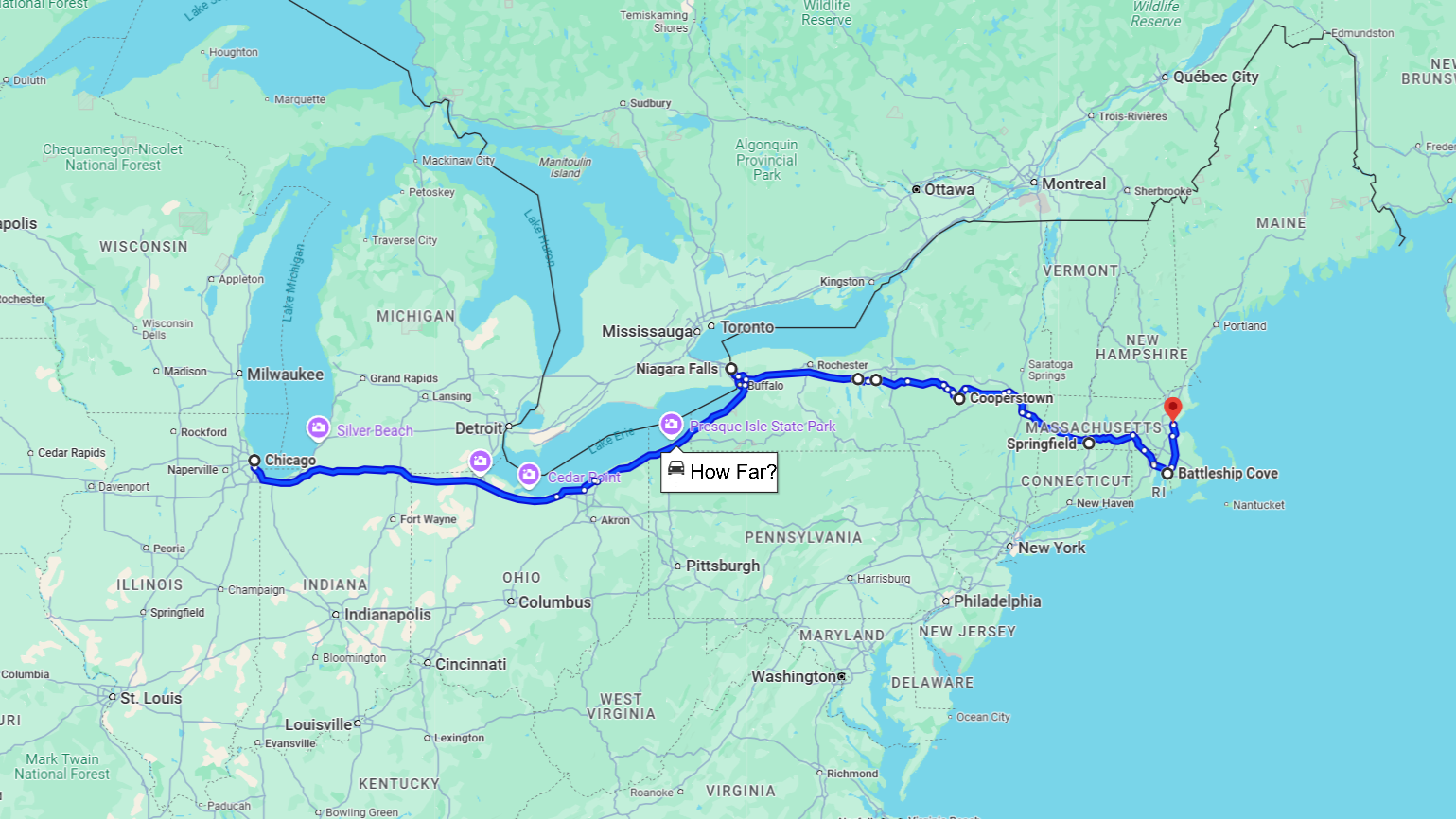
When it comes to ground travel, the distance naturally increases due to the necessity of following established road networks. The typical driving distance between Boston and Chicago ranges from about 960 to 1,000 miles (approximately 1,545 to 1,610 kilometers), depending on the specific route taken and any planned detours.
The most common and direct driving route largely involves following Interstate 90 (I-90), also known as the Massachusetts Turnpike and then the New York State Thruway, stretching across New York, through portions of Pennsylvania and Ohio, and eventually leading into Illinois. This route typically takes around 15 to 17 hours of pure driving time, not accounting for stops for fuel, food, rest, or potential traffic delays. An alternative might involve segments of Interstate 80, particularly through Pennsylvania and Ohio, before merging towards Chicago. Regardless of the exact path, this cross-country drive offers a quintessential American road trip experience, albeit a long one.
Modes of Travel: A Comprehensive Comparison
Traveling between Boston and Chicago offers a variety of transportation choices, each with its own advantages in terms of speed, cost, comfort, and experience. Your decision will likely hinge on your budget, time constraints, and personal preferences.
By Air: The Fastest Path
Without a doubt, flying is the quickest way to bridge the gap between these two major cities. Direct flights typically take around 2 hours and 30 minutes to 3 hours, covering the “as the crow flies” distance efficiently.
- Airports: In Boston, travelers depart from Logan International Airport (BOS). Upon arrival in Chicago, you have two primary options: O’Hare International Airport (ORD), one of the busiest airports in the world, or Midway International Airport (MDW), which is closer to downtown Chicago and often favored by budget airlines.
- Airlines: Major carriers like American Airlines, United Airlines, Delta Air Lines, and budget airlines such as Southwest Airlines offer frequent daily flights.
- Considerations: While fast, air travel involves additional time for security checks, boarding, and airport transfers, which can add several hours to the overall travel experience. Fares fluctuate significantly based on booking time, season, and demand. It’s advisable to book well in advance for the best prices.
By Road: A Classic American Journey
Driving offers unparalleled flexibility and the opportunity to explore sights along the way, transforming a simple transit into an adventure. As mentioned, the drive typically takes 15-17 hours of continuous driving.
- Duration: Most travelers choose to break up the journey into two days, with an overnight stop in a city like Buffalo, Cleveland, or a town in central Pennsylvania or Ohio. This allows for rest and prevents driver fatigue.
- Costs: Factor in fuel costs (which can be substantial for nearly 1,000 miles), potential tolls (especially on I-90 through New York and Massachusetts), and accommodation if you plan an overnight stay. Car rental fees would also apply if you don’t own a vehicle.
- Experience: A road trip allows for spontaneous detours to charming small towns, national parks, or roadside attractions. It’s an ideal choice for families or those carrying significant luggage. However, be prepared for varying road conditions, traffic congestion in urban areas, and potential weather challenges, particularly during winter months.
By Rail: Scenic and Relaxing
Train travel, specifically with Amtrak, provides a comfortable and often scenic alternative to flying or driving. The primary route connecting Boston and Chicago is the Lake Shore Limited.
- Route: The Lake Shore Limited originates in Boston (and New York), merging in Albany before continuing west through Cleveland and Toledo, eventually arriving at Chicago’s historic Union Station.
- Duration: The journey typically takes between 18 and 22 hours, making it an overnight trip. While longer than flying, it’s often more relaxing, offering comfortable seating, dining cars, and the option for sleeper cars for an additional cost.
- Amenities: Passengers can stretch their legs, enjoy meals, and watch the American landscape unfold outside their window. This mode of travel is particularly appealing to those who prefer not to drive or deal with airport hassles. Fares vary based on class of service and booking lead time.
By Bus: Economical Travel
Bus services offer the most budget-friendly option for traveling between Boston and Chicago, though it is also the longest in duration.
- Operators: Companies like Greyhound and FlixBus provide intercity bus services.
- Duration: A bus journey can take anywhere from 18 to 24 hours or even longer, depending on the number of stops, transfers, and traffic. This typically involves at least one, if not several, transfers in major hubs along the route.
- Considerations: While economical, bus travel can be less comfortable for such a long duration compared to trains or planes. Passengers should prepare for extended periods of sitting, potential delays, and basic amenities. However, for those with tight budgets, it remains a viable option.
Planning Your Journey: Considerations and Tips
Effective planning is key to a smooth and enjoyable travel experience between Boston and Chicago, regardless of your chosen mode of transport.
Time of Year and Weather Impacts
The weather across the northern United States can vary dramatically by season and significantly impact travel times and conditions.
- Winter (December to March): Expect potential snowstorms, ice, and extremely cold temperatures, particularly across the Great Lakes region. This can lead to flight delays or cancellations, hazardous driving conditions, and slower train or bus movements. If traveling by car, ensure your vehicle is winter-ready.
- Spring (April to May) and Fall (September to November): These shoulder seasons generally offer mild temperatures and beautiful scenery, making them ideal for travel. However, sudden weather changes are possible, including early or late snowfalls and heavy rains.
- Summer (June to August): Warm to hot temperatures are common. This is peak travel season, meaning higher prices for flights and accommodations, and potentially more crowded routes. Road trips are popular, but traffic can be heavy, especially around major holidays.
Budgeting for Your Trip
Understanding the costs associated with each travel mode is essential for effective budgeting.
- Flights: Prices can range from $100-$400+ for a round trip, heavily dependent on how far in advance you book, airline choice, and travel dates. Don’t forget potential baggage fees and airport transfer costs.
- Driving: Fuel costs can easily run $150-$250 one-way, plus tolls (potentially $20-$50+). If renting a car, add rental fees ($50-$100+ per day). Overnight accommodation, if chosen, would add another $100-$200+.
- Train: Amtrak coach fares typically range from $70-$150+ one-way, with sleeper cars costing significantly more ($300-$700+). Booking early often yields better rates.
- Bus: Bus tickets are usually the cheapest, often ranging from $40-$100+ one-way, making it the most budget-friendly option.
Always compare prices across different platforms and consider flexibility in your travel dates for potential savings.
Essential Packing Advice
Your packing strategy should align with your chosen mode of transport and the duration of your trip.
- For Flights: Pack light to avoid baggage fees. Keep essentials, medications, and valuables in your carry-on.
- For Road Trips: Bring snacks, drinks, entertainment, a first-aid kit, and roadside emergency supplies. Comfortable clothing is key for long hours in the car.
- For Train/Bus: Pack layers of clothing as temperatures can fluctuate. Bring entertainment (books, headphones, fully charged devices), snacks, a neck pillow, and a blanket for overnight journeys.
- General: Regardless of method, consider weather conditions at both your departure and arrival cities, and pack accordingly. Always carry a portable charger for your electronic devices.
What Awaits: Exploring Boston and Chicago
While the focus here is on the journey, it’s worth noting the incredible destinations that bookend your travels. Both Boston and Chicago offer unique experiences that make the distance well worth traversing.
Unveiling Boston’s Rich History and Culture
Boston, one of America’s oldest cities, is a vibrant blend of historical significance and modern innovation.
- History: Walk the Freedom Trail to see iconic Revolutionary War sites, explore the charming cobblestone streets of Beacon Hill, or delve into maritime history at the Boston Tea Party Ships & Museum.
- Culture: Visit world-class institutions like the Museum of Fine Arts or the Isabella Stewart Gardner Museum. Catch a Red Sox game at historic Fenway Park, or enjoy a meal in the North End, Boston’s oldest residential community and home to incredible Italian cuisine.
Discovering Chicago’s Urban Grandeur
Chicago, the “Windy City,” boasts breathtaking architecture, a thriving arts scene, and a lively culinary landscape.
- Architecture: Take an architectural boat tour along the Chicago River to admire masterpieces like the Willis Tower (formerly Sears Tower) and the John Hancock Center. Explore the stunning public art and vibrant green spaces of Millennium Park, home to “The Bean” (Cloud Gate).
- Culture: Immerse yourself in art at the Art Institute of Chicago, enjoy live blues and jazz music, or experience the world-renowned deep-dish pizza that defines Chicago’s culinary identity. The city also offers beautiful waterfront parks and beaches along Lake Michigan.

Making the Most of Your Inter-City Travel Experience
Traveling between Boston and Chicago is more than just covering a geographical distance; it’s an opportunity to experience different facets of American life and landscapes. By carefully considering the various travel modes, budgeting effectively, and preparing for the journey, you can transform what might seem like a daunting trip into an integral and enjoyable part of your overall adventure. Whether you choose the speed of air travel, the freedom of a road trip, the comfort of the train, or the economy of a bus, the path between these two great cities offers a rich tapestry of experiences awaiting your discovery. Safe travels!
LifeOutOfTheBox is a participant in the Amazon Services LLC Associates Program, an affiliate advertising program designed to provide a means for sites to earn advertising fees by advertising and linking to Amazon.com. Amazon, the Amazon logo, AmazonSupply, and the AmazonSupply logo are trademarks of Amazon.com, Inc. or its affiliates. As an Amazon Associate we earn affiliate commissions from qualifying purchases.