
For visitors to the Sunshine State, understanding the local rhythm goes beyond knowing when to visit the beaches or theme parks. One seemingly simple question – “Why is there no school today in Florida?” – can unlock a wealth of insights into the state’s culture, climate, and community dynamics. School closures, whether planned or unexpected, often reflect significant local events, public holidays, or environmental conditions that can directly or indirectly impact a tourist’s experience. From bustling holiday weekends that draw large crowds to the solemn preparation for a hurricane, a day off from school in Florida is rarely just a day off; it’s a pulse point of the state’s vibrant and sometimes unpredictable character. For the savvy traveler, knowing the reasons behind these pauses in the academic calendar is crucial for planning, safety, and a deeper appreciation of their chosen destination. This guide delves into the various reasons schools might close in Florida, offering valuable context for those exploring its shores, cities, and natural wonders.
Understanding Florida’s Calendar: Public Holidays and Observances
Many school closures in Florida, as across the United States, are tied to established federal and state holidays, alongside specific days designated by local school districts. These scheduled breaks offer a window into the cultural and historical fabric of the state, often coinciding with peak travel periods or unique local celebrations.
Federal and State Holidays: A Time for Reflection and Recreation
Florida public schools observe a standard set of federal holidays, providing students and staff with days off for national commemorations. These include:
- New Year’s Day: Kicking off the year, this holiday often extends into a long weekend, drawing visitors to Florida’s warmer climate to escape winter. Expect attractions to be open but potentially more crowded.
- Martin Luther King Jr. Day: Observed in January, this federal holiday honors the civil rights leader. While schools are closed, many businesses operate as usual, and commemorative events may take place in cities like Miami, Orlando, and Jacksonville.
- Presidents’ Day: Falling in February, this holiday often creates a three-day weekend, popular for short getaways. Many Florida attractions, especially theme parks, experience increased attendance during this time.
- Memorial Day: Marking the unofficial start of summer in late May, this holiday is a significant travel weekend. Beaches and popular tourist destinations like Key West and St. Augustine can become exceptionally busy.
- Juneteenth: Recognized as a federal holiday, Juneteenth commemorates the emancipation of enslaved African Americans. While a newer observance for some, schools typically close, and community events celebrating Black history and culture may be held.
- Independence Day: On July 4th, Florida explodes with patriotic celebrations, fireworks displays, and outdoor activities. School closures ensure families can partake in festivities, making it another peak period for domestic tourism.
- Labor Day: Signifying the end of summer in early September, Labor Day weekend is a final hurrah for many families before the full swing of the academic year. Expect crowds, particularly at coastal resorts and family-friendly destinations.
- Veterans Day: Observed in November, this day honors military veterans. Schools close, and while many businesses remain open, parades and ceremonies often take place, particularly in communities with a strong military presence like Jacksonville or Pensacola.
- Thanksgiving: A major holiday in late November, schools typically close for the entire week, or at least the latter half, for this holiday. It’s a busy travel period as families gather, and many Florida attractions embrace autumnal themes and special events.
- Christmas: The winter break around Christmas and New Year’s Day is usually the longest scheduled break for Florida schools. This period sees a massive influx of tourists seeking warm weather and festive experiences, leading to high demand for accommodations and attractions, especially in Orlando’s theme parks.
Local School District Specific Days: Beyond the National Calendar
Beyond federal observances, individual school districts in Florida often schedule additional days off. These can include:
- Spring Break: While not a single statewide holiday, most Florida school districts observe a week-long Spring Break period, typically in March or April. This coincides with college Spring Break and is an exceptionally popular time for families and students to visit, particularly coastal areas like Panama City Beach and Fort Lauderdale.
- Fair Days: Some districts, particularly in agricultural regions, might designate a “Fair Day” when the local county fair is in session, allowing students to participate in or attend the event.
- Teacher Workdays/Professional Development Days: These are days when students are off, but teachers report for training or administrative tasks. While not holidays, they result in kids being out of school and might mean busier local attractions or activities on those specific days.
For tourists, awareness of these school holidays is paramount. They often dictate peak travel times, influence the availability and pricing of accommodations, and determine crowd levels at popular destinations. Checking the Florida Department of Education calendar or specific school district calendars can offer valuable foresight when planning a trip.
Navigating Florida’s Climate: Weather-Related School Closures
Florida’s unique geography and climate make it susceptible to specific weather phenomena that frequently lead to school closures. These closures are not just inconveniences; they are critical safety measures that reflect the severity of the weather impact and can significantly affect travel plans.
Hurricane Season Preparedness: A Crucial Annual Cycle
The most prominent reason for unexpected school closures in Florida is hurricane activity. The Atlantic hurricane season officially runs from June 1 to November 30, with peak activity typically occurring from August through October.
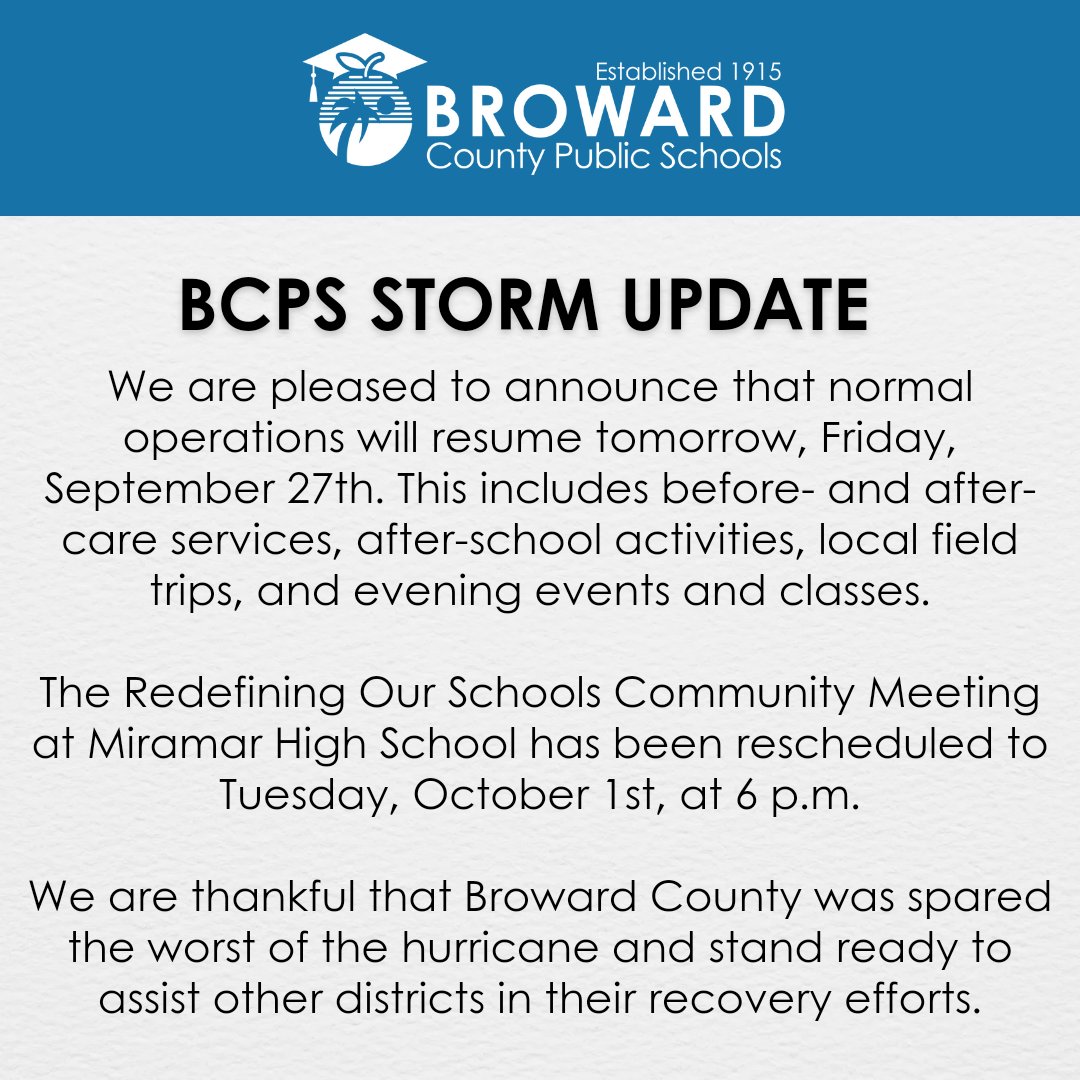
- Tropical Storms and Hurricanes: When a tropical storm or hurricane threatens a region, school districts often make closure decisions well in advance of landfall to ensure the safety of students and staff. These decisions are coordinated with local emergency management officials and may coincide with mandatory evacuation orders. Schools often double as designated shelters, necessitating their closure to regular instruction.
- Impact on Tourists: For visitors during hurricane season, school closures serve as a strong indicator of local risk and necessary precautions. It means roads may be impacted, public services strained, and travel plans (flights, cruises) severely disrupted. Tourists should monitor weather alerts from the National Weather Service and local news, have evacuation plans, and consider travel insurance.
Severe Weather and Other Anomalies: Beyond Hurricanes
While hurricanes dominate the conversation, other severe weather events can also lead to school closures:
- Heavy Rainfall and Flooding: Florida is prone to intense thunderstorms, especially during the summer. Prolonged periods of heavy rain can lead to localized flooding, making roads impassable and creating hazardous conditions for school buses and commutes. School districts, particularly in low-lying areas or near major waterways, may close preemptively.
- Tornado Warnings: Though less common for widespread closures, intense tornado warnings or confirmed tornadoes in the vicinity of schools can prompt early dismissals or closures for the day to ensure student safety.
- Unusual Cold Snaps: While rare, extreme cold weather, especially in northern Florida or areas unaccustomed to prolonged freezing temperatures, can occasionally lead to delays or closures if heating systems are compromised or if icy conditions develop on roads, though this is far less frequent than tropical weather events.
Understanding Florida’s vulnerability to weather helps tourists plan accordingly. Always consult local government and emergency services websites, as well as the specific school district website for the area you are visiting, for the most up-to-date information on closures and advisories.
Beyond Scheduled Breaks: Operational Considerations and Community Impact
Not all school closures are linked to holidays or major weather events. Some reflect the logistical realities of operating large public institutions or the role schools play as vital community hubs. While these reasons may not directly influence tourist activities, they offer a deeper understanding of the local infrastructure and social fabric.
Teacher Workdays and Professional Development: Staff Enhancements
As mentioned previously, these are days designated for school staff to engage in training, curriculum development, or administrative tasks. Students are not in attendance, meaning families might be seeking alternative activities or childcare. For tourists, this usually has a minimal direct impact, but it’s a good reminder that not every day without school is a “holiday” in the traditional sense. It also highlights the ongoing efforts in the Florida education system to continuously improve instruction and adapt to evolving educational standards.
School as Community Hubs: Elections and Emergency Shelters
Schools are often integral parts of their communities, serving functions beyond daily education. These roles can necessitate closures:
- Election Days: Many schools in Florida serve as polling places for local, state, and federal elections. For the safety of voters and to minimize disruption to the electoral process, schools may close on Election Day, especially during presidential election years or significant local referendums. This allows community members to cast their votes without the added complexity of student traffic.
- Emergency Shelters: In the event of a hurricane, severe storm, or other community emergency, schools are frequently designated as public shelters. If a school is activated as a shelter, it must cease regular operations to prepare for and accommodate evacuees. This is a critical function in Florida’s emergency preparedness plan and can lead to immediate, unexpected closures. For tourists, understanding that a local school has transitioned into a shelter underscores the seriousness of an approaching threat and the community’s organized response.
Unforeseen Disruptions: The Unexpected Challenges
Occasionally, schools may close due to unforeseen circumstances that affect the operational capacity or safety of the building:
- Utility Outages: Power outages, water main breaks, or significant HVAC failures can render a school building unsafe or unsuitable for occupancy, leading to temporary closures until services are restored.
- Health and Safety Concerns: While rare for an entire district, localized health emergencies (e.g., a widespread flu outbreak within a single school) or structural issues might necessitate short-term closures for deep cleaning or repairs.
- Local Civil Emergencies: In very unusual circumstances, a specific local emergency (e.g., a gas leak in the immediate vicinity of a school, a law enforcement situation) could prompt a temporary closure or early dismissal for safety reasons.
These less common closures highlight the dynamic nature of community management and public safety. While they might not be something a tourist typically plans for, awareness of these possibilities deepens an understanding of local resilience and preparedness in the face of unexpected events.
Maximizing Your Florida Visit During School-Free Days
Whether planned or unexpected, school-free days in Florida can either enhance or complicate a tourist’s itinerary. Being prepared and informed allows visitors to make the most of their time in the Sunshine State, regardless of local school schedules.
Embrace Local Events and Unique Experiences
When school is out due to a public holiday, it often means the community is alive with special events.
- Seek Out Local Celebrations: For holidays like Independence Day, Memorial Day, or even Martin Luther King Jr. Day, look for local parades, festivals, cultural events, or special exhibits at museums. Cities like Tampa, Orlando, and Miami frequently host family-friendly activities that provide a glimpse into Florida’s diverse communities.
- Benefit from Off-Peak Opportunities: If school is out for an unexpected reason (like a mild weather disruption that doesn’t close all attractions), some local, less-touristy spots might be less crowded than usual, offering a more relaxed experience.
- Explore Nature: Florida’s state parks, national forests, and natural springs remain open (weather permitting) and can be wonderful places to visit when children are off school, providing opportunities for hiking, swimming, or wildlife viewing.
Plan for Crowds (or Lack Thereof) and Stay Informed
Crowd levels are heavily influenced by school schedules, so proper planning is essential.
- Anticipate Peak Periods: During major school holidays like Spring Break, Thanksgiving, or the Christmas and New Year’s break, expect higher prices, fully booked accommodations, and significant crowds at popular attractions like Walt Disney World Resort in Orlando or the beaches of South Florida. Book well in advance and prepare for longer wait times.
- Monitor Official Sources: For unexpected closures, rely on official government websites, local news channels, and school district websites for the most accurate and timely information. The Florida Division of Emergency Management is a key resource during severe weather events.
- Consider Travel Insurance: Especially during hurricane season, travel insurance that covers weather-related cancellations or disruptions can be a wise investment.
Alternative Activities and Family-Friendly Options
When schools are closed, particularly unexpectedly, families with children will be looking for ways to fill the day.
- Indoor Attractions: If weather is a factor, consider indoor attractions such as museums, aquariums (like the Florida Aquarium in Tampa or the Miami Seaquarium), shopping malls, or entertainment centers.
- Educational Fun: Many communities offer recreational programs, libraries, or activity centers that might have special events or extended hours when schools are closed.
- Resort Amenities: If staying at a resort, utilize its pools, kids’ clubs, or other on-site amenities, which can be a sanctuary during unexpected downtime.
Ultimately, understanding why schools might be closed in Florida is more than just a logistical detail; it’s a valuable piece of local knowledge that enriches the tourism experience. By being informed about holidays, prepared for weather events, and aware of community rhythms, visitors can navigate the Sunshine State with greater ease, enjoying its offerings to the fullest.
LifeOutOfTheBox is a participant in the Amazon Services LLC Associates Program, an affiliate advertising program designed to provide a means for sites to earn advertising fees by advertising and linking to Amazon.com. Amazon, the Amazon logo, AmazonSupply, and the AmazonSupply logo are trademarks of Amazon.com, Inc. or its affiliates. As an Amazon Associate we earn affiliate commissions from qualifying purchases.