
Embarking on a transatlantic journey from Boston to London is a classic rite of passage for many travelers, connecting two vibrant cities rich in history, culture, and innovation. Whether you’re traveling for business, pleasure, or to visit friends and family, one of the most fundamental questions that arises during planning is: “How long will the flight take?” The answer, while seemingly straightforward, involves a fascinating interplay of geography, aviation technology, and operational logistics. Understanding these factors can not only help you plan your itinerary more accurately but also prepare for a smoother, more comfortable journey across the Atlantic Ocean. This comprehensive guide delves into the specifics of flight durations, influences, and what to expect on your journey from New England to the United Kingdom.

Understanding the Direct Flight Duration
The most direct and efficient way to travel from Boston to London is via a non-stop flight. These flights typically traverse the shortest possible route, optimizing for speed and efficiency.
The Core Non-Stop Journey
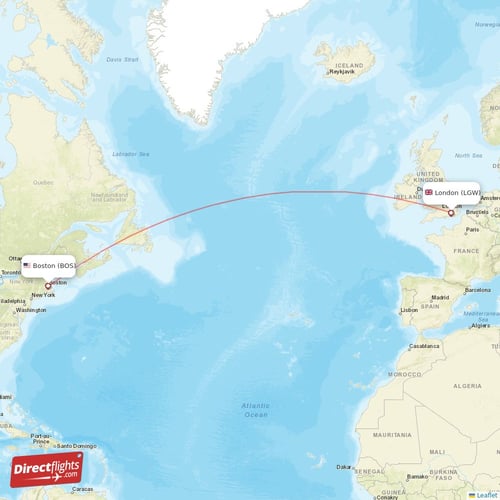
For a direct flight connecting Boston (Logan International Airport – BOS) to London (London Heathrow – LHR or Gatwick – LGW), the average flight time typically ranges between 6 hours and 30 minutes to 7 hours and 30 minutes. This duration accounts for the roughly 3,269 miles (5,261 kilometers) separating the two major metropolitan areas. It’s important to note that westbound flights (London to Boston) are often slightly longer, around 7 hours to 8 hours, due to prevailing headwind conditions. Eastbound flights, benefiting from tailwinds, tend to be shorter.
Factors Influencing Direct Flight Time
While the average provides a good baseline, several variables can subtly or significantly alter the actual flight duration:
- Jet Stream and Weather Conditions: The most prominent factor influencing transatlantic flight times is the jet stream. This fast-flowing, narrow air current found in the atmosphere can either provide a significant boost (tailwind) to eastbound flights, shortening the journey, or create resistance (headwind) for westbound flights, extending them. Beyond the jet stream, other weather phenomena, such as storms or strong headwinds/tailwinds at cruising altitude, can also impact the flight path and speed.
- Aircraft Type: Different aircraft models have varying cruising speeds and operational efficiencies. A newer, more fuel-efficient aircraft like a Boeing 787 Dreamliner or an Airbus A350 might complete the journey slightly faster than older models.
- Air Traffic Control (ATC) and Route Optimization: Air traffic congestion, particularly around busy airports like Logan or Heathrow, can lead to minor delays in takeoff or landing. Additionally, air traffic control may assign slightly altered flight paths to avoid restricted airspace, adverse weather, or congestion, which can minimally affect the total duration.
- Specific Airline and Schedule: Airlines may build a buffer into their scheduled flight times to account for potential minor delays, ensuring a higher on-time performance rate. Therefore, what an airline advertises might be a few minutes longer than the actual flight time.
Navigating Time Zones and Jet Lag
Beyond the physical duration of the flight, the journey from Boston to London involves a significant leap across time zones, which is crucial for travelers to understand and prepare for.
The Time Difference Explained
Boston operates on Eastern Time (ET), which is typically Eastern Daylight Time (EDT) during the summer months and Eastern Standard Time (EST) in winter. London operates on Greenwich Mean Time (GMT), which becomes British Summer Time (BST) during the summer.
The time difference between Boston and London is consistently 5 hours ahead for London. This means that if it’s 10:00 AM in Boston, it’s 3:00 PM in London. When you depart [Boston](https://lifeoutofthebox.com/boston] in the evening, you will arrive in London the following morning, having effectively “lost” a night due to the time difference. This is a critical element when planning your arrival day and initial activities.
Strategies for Minimizing Jet Lag
Crossing multiple time zones eastbound is notorious for causing jet lag, as your body’s internal clock (circadian rhythm) struggles to adjust. However, several strategies can help mitigate its effects:
- Adjust Before You Fly: A few days before your trip, try to shift your sleep schedule slightly closer to London time. Even an hour or two can make a difference.
- Hydrate, Hydrate, Hydrate: Drink plenty of water before, during, and after your flight. Dehydration can exacerbate jet lag symptoms. Avoid excessive alcohol and caffeine, which can disrupt sleep patterns.
- Prioritize Sleep on the Plane: If it’s nighttime at your destination, try to sleep on the flight. Utilize eye masks, earplugs, and comfortable clothing.
- Embrace the New Time Zone Immediately: Upon arrival, adjust your watch to local London time and try to stay awake until the local bedtime. Expose yourself to natural light during the day to help reset your circadian rhythm.
- Light Exercise and Movement: Gentle exercise or a walk upon arrival can help boost energy levels and promote better sleep later.
Exploring Connecting Flight Scenarios
While direct flights are the quickest, connecting flights are a common alternative, often offering more flexible scheduling or potentially lower fares. However, they significantly increase total travel time.
Common Layover Hubs
If a direct flight isn’t available or preferred, travelers from Boston to London might find themselves with a layover in one of several major airports. Common transatlantic hubs include:
- In Europe: Dublin Airport (Ireland), Keflavík International Airport (Iceland), Amsterdam Airport Schiphol (Netherlands), Charles de Gaulle Airport (Paris, France), or Frankfurt Airport (Germany).
- Within the United States: Less common for an eastbound transatlantic journey unless connecting from another US city to Boston first, but some itineraries might involve a stop at a larger US hub before the transatlantic leg.
Calculating Total Travel Time with Connections
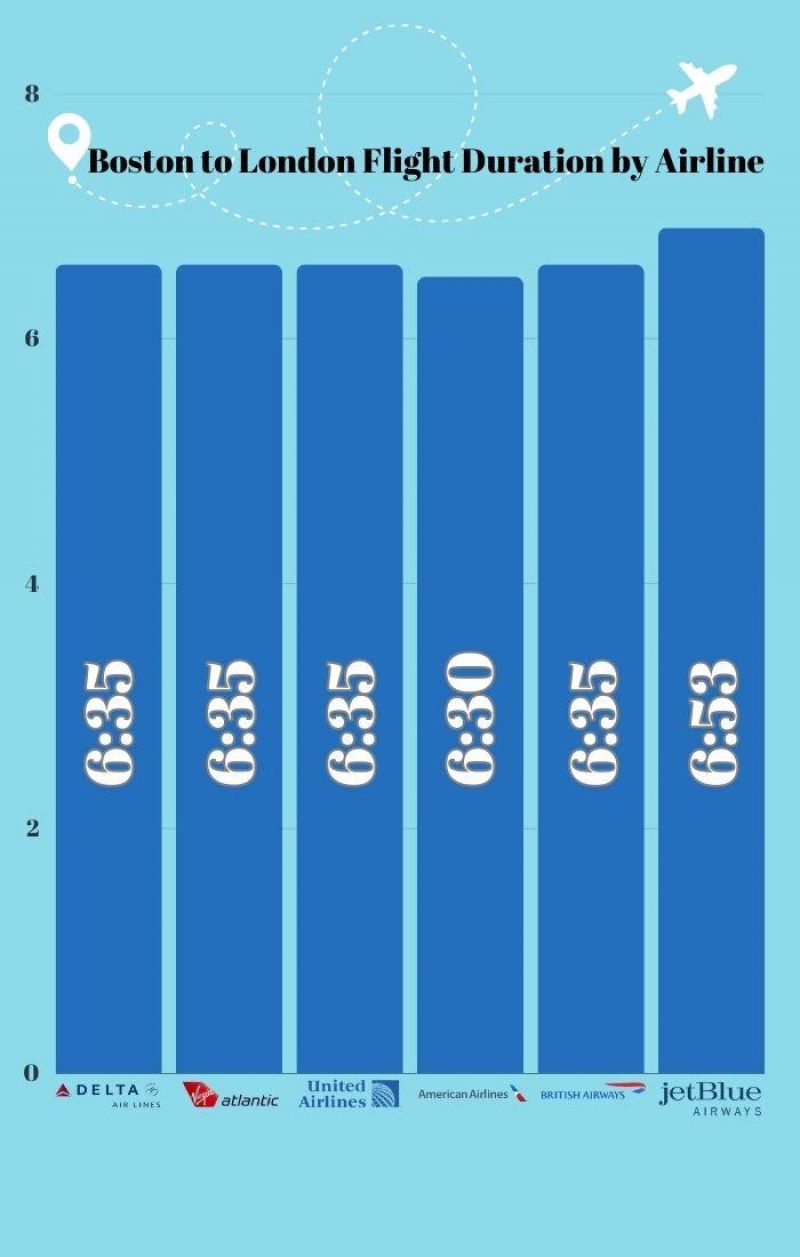
When opting for a connecting flight, the total travel time will encompass several components:
- First Flight Leg: The duration of your flight from Boston to your layover city.
- Layover Duration: This can vary significantly, from a quick 1.5-hour connection to an extended stop of 8+ hours. Factor in time for deplaning, navigating the airport, clearing security (if required), and boarding your next flight. A minimum of 2-3 hours is generally recommended for international connections, especially if changing terminals or airlines.
- Second Flight Leg: The duration of your flight from the layover city to London.
- Potential Delays: Connecting flights introduce more variables, increasing the chance of delays due to weather, air traffic control, or operational issues with either flight.
As a general rule, a connecting flight from Boston to London can easily take anywhere from 10 to 15 hours or more, depending on the layover location and duration. While this offers flexibility, it comes at the cost of additional travel time and potential fatigue.
Major Airlines and Airports for This Route
The Boston to London route is a busy and competitive corridor, served by several major airlines operating from key international airports.
Key Airlines Operating Boston to London
Travelers have a robust selection of reputable airlines offering direct and connecting services:
- British Airways: As the flag carrier of the United Kingdom, British Airways offers multiple daily direct flights, primarily to London Heathrow. They are known for their extensive network and range of cabin classes.
- Virgin Atlantic: Another prominent UK airline, Virgin Atlantic provides direct service, also predominantly to London Heathrow, known for its distinctive service and modern fleet.
- American Airlines: A major US carrier, American Airlines operates direct flights to London Heathrow, often in codeshare with British Airways as part of the Oneworld alliance.
- Delta Air Lines: Another significant US airline, Delta Air Lines offers direct flights to London Heathrow, typically in partnership with Virgin Atlantic.
- United Airlines: While not always direct from Boston to London, United Airlines offers numerous connecting options through its hubs like Newark or Chicago.
- Aer Lingus: The national airline of Ireland, Aer Lingus is a popular choice for connecting flights, typically with a layover in Dublin, allowing passengers to pre-clear US Customs and Border Protection on the return journey.
- Icelandair: Offers connecting flights via Reykjavik, Iceland, often at competitive prices and with the option of a stopover in Iceland.
- KLM Royal Dutch Airlines and Lufthansa also offer connecting services via their respective hubs in Amsterdam and Frankfurt.
Departures from Logan International Airport (BOS)
Logan International Airport (BOS) serves as the primary gateway for international travel from Boston and the greater New England region. It is a bustling airport with multiple terminals. Most transatlantic flights depart from Terminal E, the dedicated international terminal. Travelers should aim to arrive at the airport at least 3 hours before their scheduled international departure to allow ample time for check-in, baggage drop-off, security screening, and navigating to the gate.
Arrivals at London Heathrow (LHR) and Gatwick (LGW)
London is served by several airports, but the vast majority of transatlantic flights from Boston arrive at either London Heathrow (LHR) or London Gatwick (LGW).
- London Heathrow: As one of the busiest airports in the world, Heathrow is the primary hub for long-haul international flights. It has four operational terminals, and arrival procedures involve passport control (immigration), baggage claim, and customs. From Heathrow, travelers have excellent connectivity to central London via the Heathrow Express train, the London Underground (Piccadilly Line), or coaches and taxis.
- London Gatwick: Gatwick is the second-largest airport in London and also handles a significant number of international flights. It has two terminals, North and South. Connectivity to central London is primarily via the Gatwick Express train to Victoria Station, or through slower commuter trains and coach services.
When booking, pay close attention to which London airport your flight arrives at, as transfer times and costs to your final destination in the city can vary considerably.
Preparing for Your Transatlantic Journey
A transatlantic flight, while exciting, requires a degree of preparation to ensure a smooth and enjoyable experience.
Essential Pre-Flight Considerations
Before you even step foot in Logan Airport, there are several important steps to undertake:
- Passport and Visa: Ensure your United States passport is valid for at least six months beyond your intended stay in the United Kingdom. For US citizens traveling for tourism or business, a visa is generally not required for stays of up to six months, but always check the latest entry requirements for the UK government website.
- Travel Insurance: Given the investment in international travel, securing comprehensive travel insurance is highly recommended to cover unforeseen circumstances like trip cancellations, medical emergencies, or lost baggage.
- Packing Smart: Pack essentials in your carry-on, including any medications, a change of clothes, and valuables. Remember liquid restrictions for carry-on luggage. Consider a travel pillow, eye mask, and noise-canceling headphones for comfort.
- Booking in Advance: For the best fares and preferred flight times, especially during peak travel seasons, book your tickets several months in advance.
Making the Most of Your Onboard Experience
The flight itself is a significant portion of your travel time; making it comfortable and productive can greatly enhance your overall journey:
- Stay Hydrated: The dry cabin air can lead to dehydration. Drink water regularly and limit dehydrating beverages.
- Move Around: To prevent stiffness and reduce the risk of deep vein thrombosis (DVT), get up and walk around the cabin periodically. Perform in-seat exercises to keep your blood flowing.
- Entertainment: Most transatlantic flights offer extensive in-flight entertainment systems with movies, TV shows, music, and games. Bring your own loaded devices as a backup.
- Snacks: While meals are typically provided, having some personal snacks can be comforting, especially if you have dietary restrictions or preferences.
- Dress Comfortably: Wear loose, comfortable clothing and layers, as cabin temperatures can fluctuate.
- Set Your Clock: Once onboard, set your watch to London time to start mentally adjusting to the new time zone. Try to sleep if it aligns with nighttime in London.
In conclusion, a direct flight from Boston to London typically spans 6.5 to 7.5 hours, a relatively swift crossing that places you in the heart of the United Kingdom by morning. By understanding the factors influencing flight duration, preparing for the time zone change, and making smart choices about your journey, you can ensure your transatlantic adventure is as smooth and enjoyable as the destination itself.
LifeOutOfTheBox is a participant in the Amazon Services LLC Associates Program, an affiliate advertising program designed to provide a means for sites to earn advertising fees by advertising and linking to Amazon.com. Amazon, the Amazon logo, AmazonSupply, and the AmazonSupply logo are trademarks of Amazon.com, Inc. or its affiliates. As an Amazon Associate we earn affiliate commissions from qualifying purchases.