
The allure of Hawaii is undeniable: pristine beaches, lush volcanic landscapes, a vibrant culture, and an inviting aloha spirit. Millions flock to these Hawaiian Islands annually, seeking everything from serene relaxation to thrilling adventures. However, as with any natural paradise situated amidst the powerful forces of our planet, a question often arises for the conscientious traveler: “Does Hawaii have tsunamis?” The straightforward answer is yes. Given its location in the Pacific Ocean, Hawaii is indeed susceptible to tsunamis. This reality, while perhaps initially concerning, should not deter travelers but rather empower them with knowledge. Understanding the risks, the robust warning systems in place, and practical safety measures are paramount for a worry-free and enriching Hawaiian experience. This comprehensive guide will delve into Hawaii’s relationship with tsunamis, offering essential insights for every traveler planning a trip to this magnificent destination.

Hawaii’s Vulnerability: A Pacific Reality
Hawaii’s geographical position makes it particularly vulnerable to tsunamis, a natural phenomenon that has shaped its history and infrastructure. Being surrounded by the vast Pacific Ocean places it at the center of a dynamic geological stage.
The Ring of Fire and Tsunami Generation
The primary reason for Hawaii’s tsunami vulnerability lies in its proximity to the Ring of Fire. This horseshoe-shaped belt around the Pacific Ocean is characterized by a nearly continuous series of oceanic trenches, volcanic arcs, and volcanic belts and plate movements. The Ring of Fire is home to 75% of the world’s volcanoes and experiences 90% of the world’s earthquakes.
Tsunamis are most frequently generated by large undersea earthquakes (usually magnitude 7.0 or greater) that cause sudden displacement of the seafloor. When such seismic events occur anywhere along the Ring of Fire – from the coasts of Japan and Alaska to Chile and Indonesia – the resulting tsunami waves can travel across the entire Pacific Ocean. Due to its central location, Hawaii is often directly in the path of these powerful waves. Additionally, local tsunamis can be generated by underwater landslides or volcanic activity close to the Hawaiian Islands themselves, though these are less common than distant-source tsunamis.
Historical Context: Past Events and Lessons Learned
Hawaii has a long and documented history with tsunamis. These events, though tragic, have been crucial in developing the robust warning and preparedness systems in place today.
One of the most significant and devastating tsunamis occurred on April 1, 1946. An earthquake off the coast of the Aleutian Islands, Alaska, generated a tsunami that struck Hawaii approximately 4.5 hours later. With no warning system in place at the time, the waves, some reaching heights of 55 feet, caused immense destruction, particularly in Hilo on the Big Island, and resulted in 159 fatalities. This catastrophic event spurred the creation of the Pacific Tsunami Warning Center (PTWC) in 1949, located in Honolulu, Oahu.
Another notable event was the 1960 Chile tsunami, which also caused significant damage and fatalities, again mainly in Hilo. More recently, tsunamis from distant earthquakes, such as the 2011 Tohoku earthquake in Japan, led to significant inundation and damage to coastal areas across Hawaii, prompting widespread evacuations. These historical events serve as constant reminders of the power of nature and underscore the importance of continuous vigilance and preparedness for both residents and visitors.
Understanding Tsunami Warnings and Safety Protocols
While the existence of tsunamis might seem daunting, Hawaii’s proactive approach to safety provides a strong sense of security for travelers. The state boasts one of the most sophisticated tsunami warning and preparedness systems in the world.
Official Warning Systems in Hawaii
The cornerstone of Hawaii’s tsunami safety is the Pacific Tsunami Warning Center (PTWC). As part of an international effort, the PTWC monitors seismic activity and ocean levels across the Pacific Ocean 24/7. Upon detecting a potentially tsunamigenic earthquake, the PTWC issues bulletins to local emergency management agencies.
These agencies, such as the Honolulu Department of Emergency Management or the various county Civil Defense agencies, then activate local warning systems. Key components include:
- Sirens: A network of outdoor sirens located in coastal areas will sound a distinct “Wail” tone, indicating an emergency. These sirens are tested monthly (typically on the first working day of the month at 11:45 AM) to ensure functionality and public familiarity.
- Emergency Alert System (EAS): Warnings are broadcast over local radio and television stations.
- Wireless Emergency Alerts (WEA): Cell phone users within affected areas will receive text alerts.
- NOAA Weather Radio: Dedicated weather radios will broadcast emergency information.
Travelers should familiarize themselves with these warning methods upon arrival. Hotels and resorts typically have information available regarding emergency procedures.
Recognizing Natural Warning Signs
While official warnings are the most reliable, recognizing natural warning signs is also critical, especially if an event is locally generated or if you are in a remote area.
- Strong Earthquake: If you are near the coast and feel an earthquake strong enough to make it difficult to stand, a tsunami could be generated. This is an immediate sign to seek higher ground.
- Unusual Ocean Behavior: A sudden draw-down of the ocean that exposes the seafloor far beyond the normal low tide mark, or a sudden rise in water level, are clear indicators of an approaching tsunami.
- Loud Ocean Roar: A distant, unusual roar coming from the ocean, similar to a train or jet plane, can precede the arrival of a tsunami.
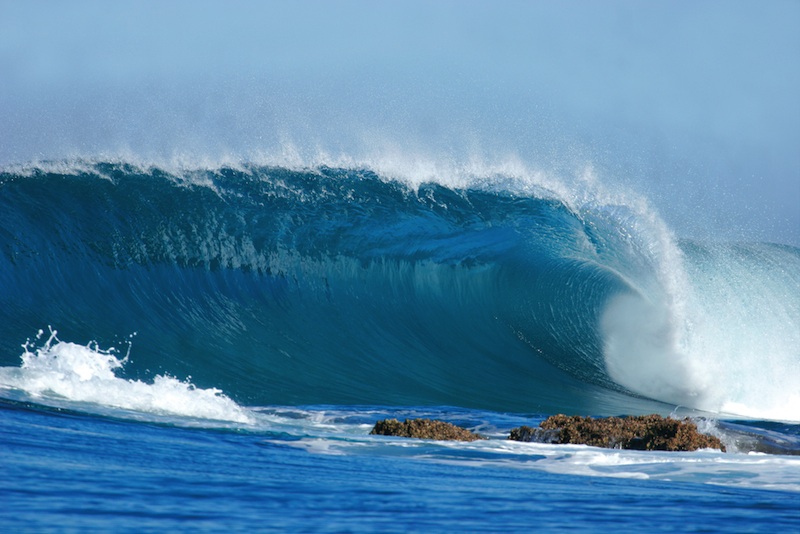
If you observe any of these signs, do not wait for an official warning. Immediately move to higher ground, as quickly and safely as possible.
Evacuation Procedures and Safe Zones
Every coastal area in Hawaii has designated tsunami evacuation zones and routes. These zones are typically marked by signs and maps. Hotels and vacation rentals are required to provide guests with information on tsunami preparedness, including evacuation routes and assembly points.
- Know Your Zone: Before or upon arrival, ask your accommodation provider for information on your specific tsunami evacuation zone. Most importantly, identify your nearest safe zone – typically at least 100 feet above sea level and at least a mile inland, depending on the topography.
- Follow Directions: In the event of an official warning, follow the instructions of local authorities, emergency personnel, and hotel staff. They are trained to guide visitors to safety.
- On Foot is Best: If an evacuation is ordered, it’s often best to evacuate on foot if possible, to avoid traffic congestion. Pack a small “go bag” with essentials like water, snacks, important documents, and any necessary medications.
Remember, a tsunami is not a single wave but a series of waves that can arrive minutes to hours apart. Never return to an evacuated area until authorities declare it safe.
Preparing for Your Hawaiian Getaway: Traveler’s Guide to Tsunami Preparedness
Traveling to Hawaii should be an experience of a lifetime, not a source of anxiety. With a few proactive steps, travelers can ensure they are well-prepared for any eventuality, including a tsunami.
Choosing Accommodation with Safety in Mind
When booking your stay, consider the location relative to tsunami inundation zones. While coastal properties offer stunning views, those located on higher ground or slightly further inland may offer an added layer of peace of mind.
- Check Maps: Use online mapping tools or consult with your accommodation provider to understand their location relative to known tsunami evacuation zones. Many hotels in areas like Waikiki have vertical evacuation plans or designated assembly points on higher floors.
- Review Safety Protocols: Inquire about the hotel’s specific tsunami emergency plan. Do they have multilingual staff who can assist? Where are the designated safe areas? Knowing this in advance can greatly reduce stress should an emergency arise.
- Consider Interior Rooms: If staying in a high-rise coastal hotel, an interior room on a higher floor might offer a marginally safer position during a tsunami event, though the primary safety measure is always evacuation to designated safe zones.
Essential Safety Gear and Information
While you won’t need specialized survival gear, having a small emergency kit and key information readily accessible is prudent.
- “Go Bag” Essentials: Prepare a small bag with water bottles, some non-perishable snacks, a flashlight, a fully charged power bank for your phone, copies of essential documents (passport, itinerary, hotel booking), and any necessary medications. Keep this bag easily accessible.
- Contact Information: Store emergency contact numbers in your phone and have a written list. Share your itinerary with family or friends back home.
- Local Emergency Numbers: Know that 911 is the emergency number in Hawaii for police, fire, and medical assistance.
Staying Informed During Your Trip
Active engagement with local information sources is key to staying safe and informed.
- Tune In: Keep a local radio station pre-set for emergency broadcasts.
- Sign Up for Alerts: Consider signing up for county-specific emergency alerts if available for visitors.
- Hotel Briefings: Attend any orientation or safety briefings provided by your resort or tour operator.
- Be Aware: Pay attention to local news and weather forecasts, especially if there have been significant earthquakes elsewhere in the Pacific Ocean.
Experiencing Hawaii Safely: Beyond Tsunami Concerns
While tsunami preparedness is a vital aspect of responsible travel to Hawaii, it’s important to remember that these events are rare. The vast majority of visitors will experience their entire trip without ever encountering a tsunami warning. The real focus for daily safety in Hawaii often revolves around more common ocean hazards.
Daily Ocean Safety Tips
Beyond tsunamis, basic ocean safety is crucial for enjoying Hawaii’s beautiful waters.
- Heed Warning Signs: Always pay attention to posted warning signs on beaches.
- Swim at Guarded Beaches: Opt for beaches with lifeguards, especially if you’re unfamiliar with the area.
- Understand Rip Currents: Learn how to identify and escape rip currents. If caught, swim parallel to the shore until you’re out of the current, then swim to shore.
- Never Turn Your Back on the Ocean: Even seemingly calm waters can have powerful waves.
- Respect Marine Life: Observe marine animals from a distance.
The Role of Local Communities and Resiliency
Hawaii’s residents are remarkably resilient and deeply connected to their environment. Local communities, emergency services, and the tourism industry work hand-in-hand to ensure the safety of everyone on the islands. They are well-versed in emergency protocols and actively participate in drills and public awareness campaigns. This collective preparedness fosters a safe environment for both locals and visitors. The spirit of aloha extends to looking out for one another, especially during challenging times.

Enjoying Hawaii’s Beauty Responsibly
Ultimately, the knowledge of tsunami risks should not overshadow the incredible experiences Hawaii offers. From hiking the volcanic trails of Maui, exploring the vibrant culture of Honolulu and Pearl Harbor on Oahu, surfing the legendary waves of the North Shore, to kayaking the serene Napali Coast of Kauai or stargazing on the Big Island, the islands invite exploration and wonder. By being informed, respecting the power of nature, and following established safety guidelines, travelers can fully immerse themselves in the magic of Hawaii with confidence and peace of mind. The occasional tsunami warning serves as a reminder of the dynamic world we live in, but with preparedness, it’s merely a brief interlude in an otherwise unforgettable journey.
LifeOutOfTheBox is a participant in the Amazon Services LLC Associates Program, an affiliate advertising program designed to provide a means for sites to earn advertising fees by advertising and linking to Amazon.com. Amazon, the Amazon logo, AmazonSupply, and the AmazonSupply logo are trademarks of Amazon.com, Inc. or its affiliates. As an Amazon Associate we earn affiliate commissions from qualifying purchases.