
Navigating the landscape of social assistance programs can often feel complex and overwhelming, especially when you’re facing financial hardship. In Florida, the Supplemental Nutrition Assistance Program (SNAP), commonly known as food stamps, serves as a vital lifeline for countless individuals and families struggling to afford nutritious food. This comprehensive guide aims to demystify the process, providing clear, actionable steps on how to apply for and receive food stamps in the Sunshine State. Understanding your eligibility, the application procedure, and how to effectively utilize your benefits can significantly alleviate food insecurity and contribute to a more stable lifestyle for you and your household.
Understanding Florida’s SNAP Program
The Supplemental Nutrition Assistance Program is a federal program administered at the state level by the Florida Department of Children and Families (DCF). It’s designed to help low-income individuals and families purchase healthy food, thereby improving their nutrition and overall well-being. This program isn’t just about providing aid; it’s about empowering people to make informed dietary choices and contribute to local economies.
What is SNAP?
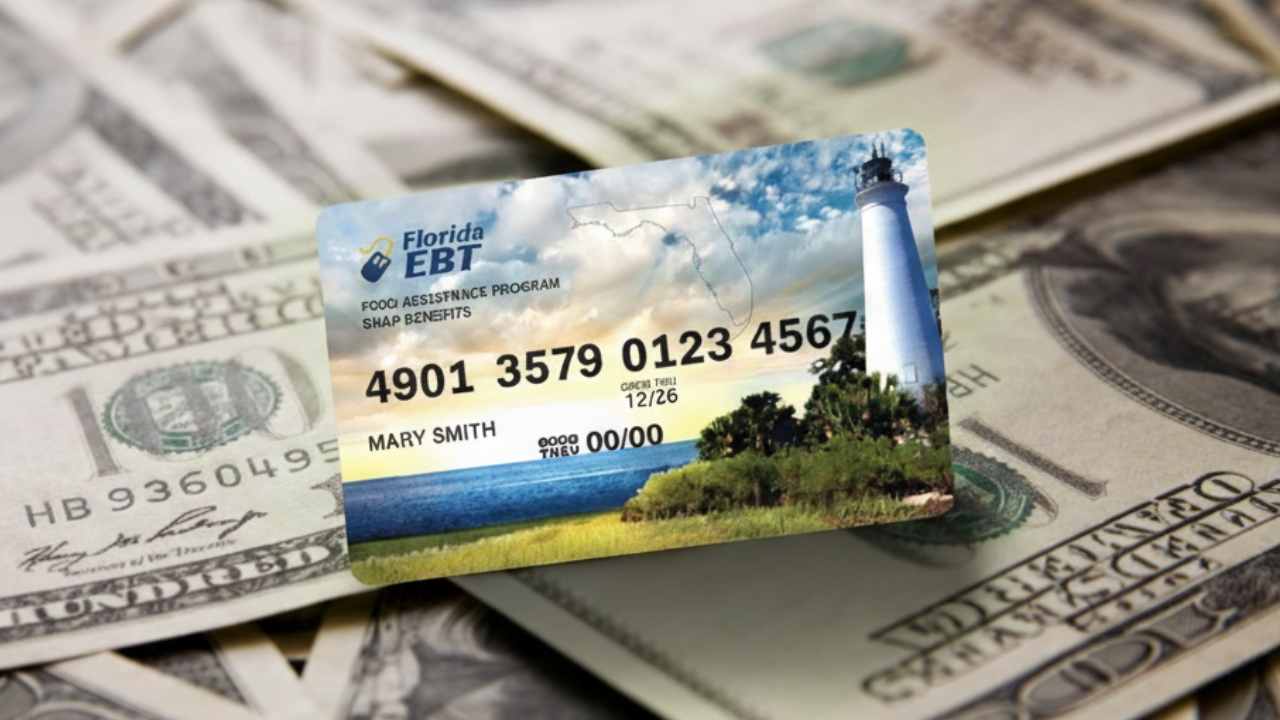
SNAP issues electronic benefits that can be used like cash to buy eligible food items at authorized retail stores, including grocery stores, supermarkets, and even some farmers’ markets. These benefits are loaded onto an Electronic Benefits Transfer (EBT) card, which functions much like a debit card. The program is crucial for families, seniors, and individuals with disabilities, ensuring they have access to essential nutrition when financial resources are stretched thin. It’s a cornerstone of the safety net, offering a temporary bridge during challenging times.
Eligibility Requirements: Who Qualifies?
Eligibility for SNAP in Florida is determined by several factors, primarily household income, assets, and specific circumstances of household members. The goal is to direct resources to those most in need.
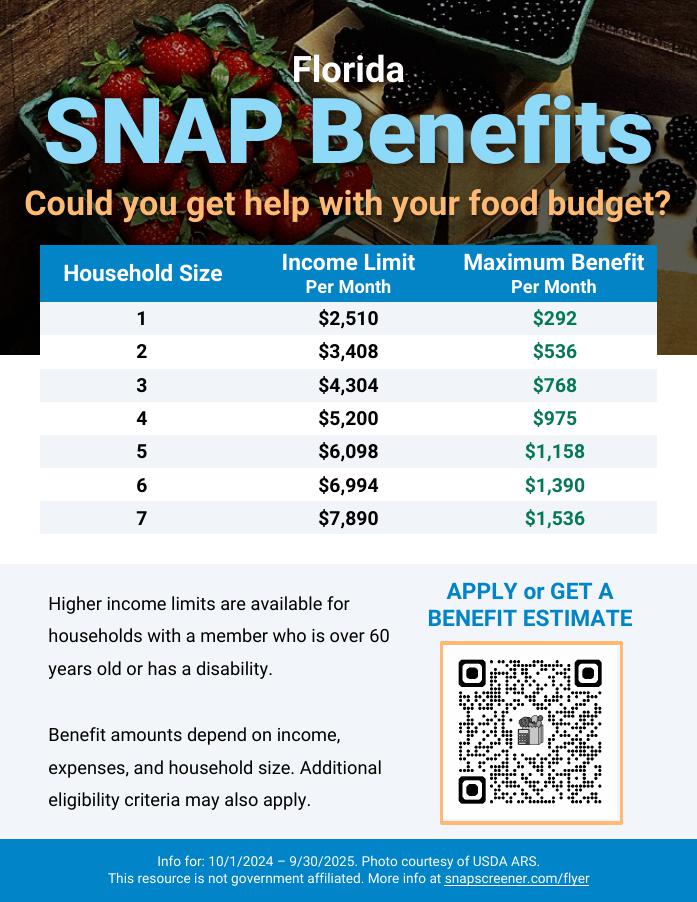
- Income Limits: Your household’s gross monthly income (before deductions) and net monthly income (after allowed deductions) must generally be at or below certain federal poverty levels. These limits vary annually and depend on the size of your household. For most households, gross income must be at or below 200% of the federal poverty level, and net income must be at or below 100% of the federal poverty level. Certain households, like those with an elderly or disabled member, may have slightly different criteria.
- Residency: You must be a resident of Florida.
- Citizenship/Eligible Non-Citizen Status: Applicants must be U.S. citizens or eligible non-citizens (e.g., permanent resident, refugee, asylum seeker). Certain restrictions apply to specific non-citizen categories.
- Work Requirements: Able-bodied adults without dependents (ABAWDs) between 18 and 50 years old are generally required to participate in work activities for a certain number of hours per week to maintain eligibility, though exemptions apply.
- Assets: While some assets are disregarded (like your primary residence and one vehicle), significant liquid assets can impact eligibility. However, Florida generally has fairly generous asset limits, and many households qualify without their assets being a barrier.
It’s important to remember that these are general guidelines. The Florida Department of Children and Families will conduct a thorough assessment of your specific situation to determine your eligibility.
Calculating Your Benefits: How Much Can You Receive?
The amount of SNAP benefits you receive is individualized, based on your household size, income, and certain allowable deductions. Deductions can include a standard deduction, earned income deduction, dependent care costs, medical expenses for elderly or disabled members, and shelter costs (rent/mortgage, utilities). The maximum benefit amount is set federally and adjusted annually. For instance, a larger household with lower net income and higher shelter costs would typically receive a higher benefit amount than a smaller household with higher net income. The system is designed to provide greater assistance to those facing more significant financial strain.
The Application Process: A Step-by-Step Guide
Applying for food stamps in Florida involves several key stages, from gathering your documents to attending an interview. Understanding each step can help streamline the process and reduce stress.
Gathering Necessary Documents
Before you begin your application, it’s crucial to collect all required documentation. Having these readily available will significantly speed up your application’s processing.
- Proof of Identity: A valid photo ID for all adult household members (e.g., driver’s license, state ID card).
- Proof of Residency: Documents showing your current Florida address (e.g., utility bill, lease agreement, mail with your address).
- Proof of Income: Pay stubs, employer statements, award letters for Social Security, unemployment benefits, child support, or any other income sources for all household members.
- Proof of Assets (if applicable): Bank statements, titles to vehicles (beyond the excluded one), or property deeds.
- Proof of Household Members: Birth certificates for children, school records, or other documents verifying who lives in your household.
- Proof of Expenses: Rent or mortgage statements, utility bills, child care receipts, and medical bills (for elderly or disabled members).
Where to Apply: Online, Mail, or In-Person
Florida offers multiple convenient ways to apply for SNAP benefits:
- Online (Recommended): The most efficient way is through the MyFloridaMyFamily portal, managed by the Florida Department of Children and Families. This online system allows you to complete and submit your application digitally, upload documents, and track its status.
- By Mail: You can print an application form from the Florida Department of Children and Families website, fill it out, and mail it to your local DCF office.
- In-Person: Visit a local Florida Department of Children and Families service center during business hours. While this option allows for direct assistance, waiting times can sometimes be long. You can find your nearest office on the Florida Department of Children and Families website.
The Interview
After submitting your application, a Florida Department of Children and Families representative will schedule an interview, which can often be conducted over the phone. The purpose of this interview is to:
- Verify the information you provided in your application.
- Clarify any discrepancies or missing details.
- Explain your rights and responsibilities as a SNAP recipient.
- Answer any questions you may have about the program.
It’s crucial to participate in this interview and provide all requested information honestly and completely.
Processing and Approval
Once your interview is complete and all necessary documentation has been submitted, the Florida Department of Children and Families will process your application. Federal regulations mandate that applications must be processed within 30 days. If you are in immediate need and meet certain criteria for “expedited processing” (e.g., very low income and limited assets), you might receive benefits within seven days. If approved, you will receive an approval letter detailing your benefit amount and an EBT card will be mailed to your address.
Using Your EBT Card in Florida
Once you receive your EBT card, understanding how to use it correctly is essential to maximize your benefits and maintain your eligibility.
What is an EBT Card?
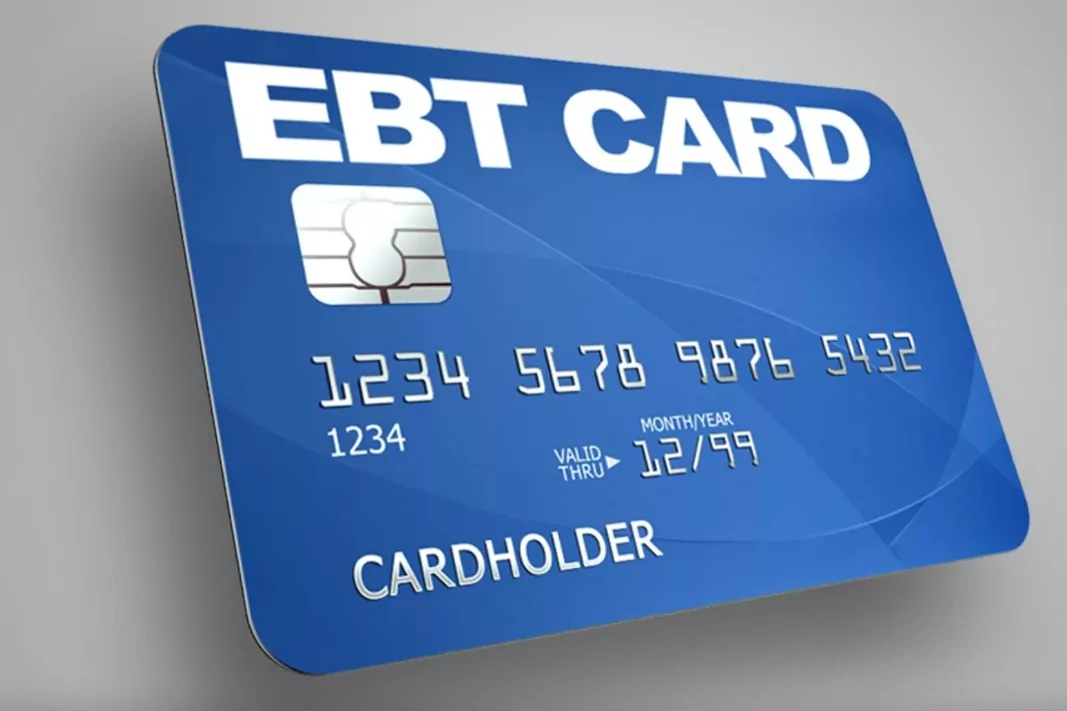
An EBT (Electronic Benefits Transfer) card is a plastic debit-like card that holds your SNAP benefits. It’s safe, secure, and convenient. Upon receiving it, you’ll need to activate it and set up a Personal Identification Number (PIN), similar to a bank debit card. Keep your PIN confidential and never share it with anyone.
Where Can You Use It?
Your Florida EBT card can be used at any grocery store, supermarket, convenience store, or farmer’s market that displays the Quest® logo or a sign indicating they accept EBT cards. Major retailers across Florida, including those in cities like Miami, Orlando, Tampa, and Jacksonville, are authorized to accept EBT.
What Can You Buy?
SNAP benefits are specifically for food items intended for consumption at home. This includes:
- Fruits and vegetables
- Meat, poultry, and fish
- Dairy products
- Breads and cereals
- Other foods such, as snacks and non-alcoholic beverages
- Seeds and plants which produce food for the household to eat
However, there are strict restrictions on what you cannot buy:
- Alcoholic beverages
- Tobacco products
- Vitamins and medicines
- Hot foods prepared for immediate consumption (e.g., rotisserie chickens from the deli)
- Live animals (except shellfish, fish removed from water, and animals slaughtered prior to pick-up from the store)
- Non-food items like pet food, cleaning supplies, paper products, and toiletries
Managing Your Benefits
It’s crucial to keep track of your EBT balance. You can check your balance:
- Online through the MyFloridaMyFamily portal.
- By calling the EBT customer service number on the back of your card.
- By checking your last grocery store receipt.
- At an ATM (though balance inquiries at ATMs may incur a fee).
Always protect your card and PIN. If your card is lost, stolen, or damaged, report it immediately to the EBT customer service number to prevent unauthorized use and arrange for a replacement.
Important Considerations and Resources
Beyond the initial application, understanding ongoing requirements and additional support can help you maintain your benefits and navigate financial challenges effectively.
Changes in Circumstances
It is your responsibility to report any significant changes in your household’s circumstances to the Florida Department of Children and Families within 10 days of the change. This includes:
- Increases or decreases in income
- Changes in household size (someone moving in or out)
- Changes in residency
- Changes in work status
Failure to report changes can lead to incorrect benefit amounts, potential overpayments that you may have to repay, or even benefit termination. Honesty and prompt reporting are key.
Recertification
SNAP benefits are not permanent. You will need to recertify your eligibility periodically, usually every six to twelve months. The Florida Department of Children and Families will send you a notice when it’s time to renew your benefits. The recertification process generally involves completing a new application and possibly another interview to ensure you still meet all eligibility criteria. Timely recertification is essential to avoid any interruption in your benefits.
Additional Support
While SNAP is a powerful tool, it’s just one part of the wider support network available in Florida. Many communities, including those in Tallahassee, Miami, and Orlando, have food banks, pantries, and other non-profit organizations that offer emergency food assistance. These resources can complement your SNAP benefits, especially if you find your monthly allocation doesn’t quite cover all your nutritional needs. Local DCF offices or community resource centers can often provide information on these additional programs.
Securing food stamps in Florida can provide crucial support, ensuring that you and your family have access to nutritious food. By understanding the eligibility requirements, meticulously preparing your application, and responsibly managing your benefits, you can successfully navigate the SNAP program. Remember, these programs are designed to help, and seeking assistance is a sign of strength and proactive financial management. If you are struggling with food insecurity, don’t hesitate to reach out to the Florida Department of Children and Families or explore their online resources to take the first step towards a more food-secure lifestyle.
LifeOutOfTheBox is a participant in the Amazon Services LLC Associates Program, an affiliate advertising program designed to provide a means for sites to earn advertising fees by advertising and linking to Amazon.com. Amazon, the Amazon logo, AmazonSupply, and the AmazonSupply logo are trademarks of Amazon.com, Inc. or its affiliates. As an Amazon Associate we earn affiliate commissions from qualifying purchases.