
The question “How Far From Hawaii To Japan?” isn’t merely a geographical query; it’s an inquiry into the vastness of the Pacific Ocean and the fascinating journey that connects two of the world’s most captivating archipelagos. One, a volcanic paradise renowned for its pristine beaches and laid-back aloha spirit; the other, an ancient land where vibrant traditions meet cutting-edge innovation. Bridging the gap between these distinct cultures involves traversing thousands of miles of open water, a journey that has evolved dramatically from ancient Polynesian navigators to modern commercial flights. Understanding this distance is crucial for anyone dreaming of a trans-Pacific adventure, influencing travel time, logistics, and the overall experience of transitioning between such unique destinations. This article will delve into the specifics of this journey, providing insights for travelers planning to cross this magnificent stretch of the globe.

The Vast Expanse: Understanding the Pacific Journey
The sheer scale of the Pacific Ocean often surprises those accustomed to shorter continental travel. Connecting Hawaii and Japan involves spanning a significant portion of the world’s largest and deepest ocean. This journey is not just about traversing a line on a map; it’s about appreciating the engineering marvels that make such a trip feasible in a matter of hours, rather than weeks or months.
Geographical Overview: Hawaii and Japan
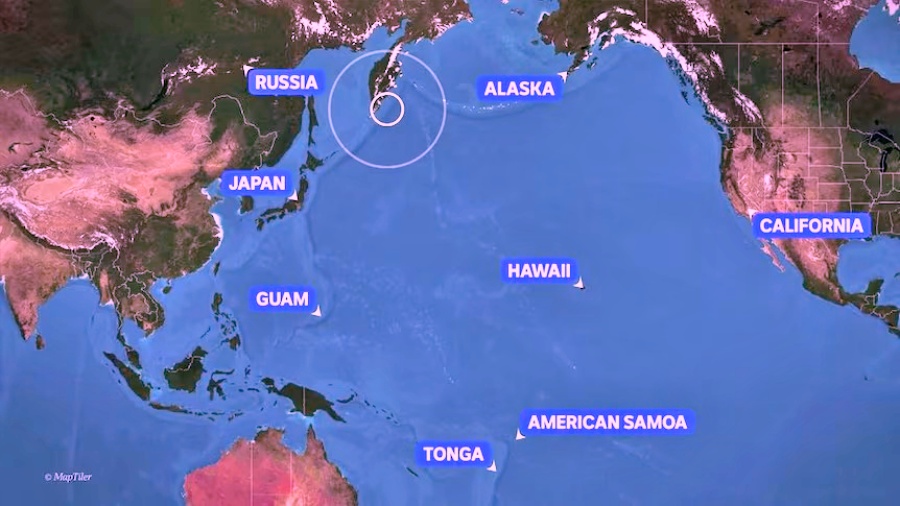
Hawaii, the 50th state of the United States, is a remote island chain located in the central Pacific Ocean. Its capital, Honolulu, on the island of Oahu, serves as a major gateway for international travel. Approximately 2,400 miles (3,860 kilometers) southwest of California, Hawaii acts as a crucial mid-Pacific hub.
Japan, an island nation in East Asia, is situated off the Pacific coast of the Asian continent. Its bustling capital, Tokyo, is one of the world’s largest metropolitan areas and a primary international gateway. The country stretches for thousands of kilometers from its northern island of Hokkaido to the southern Okinawa chain. The considerable geographical distance between these two nations underscores the impressive scale of trans-Pacific travel.
Measuring the Distance: Nautical Miles, Kilometers, and Miles
When discussing oceanic distances, both nautical miles and kilometers are commonly used, though nautical miles are often preferred in maritime and aviation contexts. The approximate great-circle distance (the shortest distance between two points on a sphere) between Honolulu, Hawaii, and Tokyo, Japan, is:
- Metric: Approximately 6,200 kilometers
- Imperial: Approximately 3,850 miles
- Nautical Miles: Approximately 3,350 nautical miles
It’s important to note that these figures represent direct flight paths. Actual travel routes can vary slightly based on air traffic control, weather conditions, and specific airport locations. For instance, traveling to Osaka or Fukuoka in Japan would present slightly different distances, as would flying to Maui or the Big Island in Hawaii. However, the Honolulu-Tokyo route serves as the most representative baseline for this trans-Pacific journey.
Tokyo to Honolulu: The Primary Air Corridor
The corridor between Tokyo (Narita International Airport or Haneda Airport) and Honolulu (Daniel K. Inouye International Airport) is one of the busiest trans-Pacific air routes. This route is favored due to the concentration of population and economic activity in these major cities, as well as their roles as international air hubs. The directness of this path minimizes flight time, making it the most efficient way to connect the two island nations. Travelers originating from other parts of Japan or Hawaii will typically route through these primary airports to make their trans-Pacific connection, highlighting their strategic importance.
Air Travel: The Preferred Trans-Pacific Passage
For the vast majority of travelers, flying is the only practical and efficient way to bridge the gap between Hawaii and Japan. Modern aviation has transformed what was once a perilous voyage into a routine journey, offering comfort and speed across the immense Pacific Ocean.
Flight Duration: Non-stop Efficiency
Non-stop flights are the preferred option for this route, drastically cutting down travel time. A direct flight from Honolulu to Tokyo typically ranges from 7.5 to 9 hours, depending on factors like wind speed, specific aircraft type, and air traffic control routing. Flights heading west, from Hawaii to Japan, generally experience favorable tailwinds, often making them slightly shorter than the eastbound return journey. While connecting flights might offer cost savings, the considerable time added by layovers, potentially in Pacific Rim cities like Seoul, South Korea, or the US mainland (Los Angeles or San Francisco), usually makes direct options more appealing for efficiency.
Key Airports and Connections
The primary airports facilitating travel between these two regions are:
- In Hawaii: Daniel K. Inouye International Airport (HNL) in Honolulu, Oahu. This is the main hub for international flights.
- In Japan:
- Narita International Airport (NRT), located outside Tokyo, is traditionally the primary international gateway.
- Haneda Airport (HND), closer to central Tokyo, has significantly increased its international flight offerings, including routes to Honolulu.
- Kansai International Airport (KIX) in Osaka serves as a major international hub for western Japan and often features direct connections to Honolulu.
These world-class airports are equipped with extensive amenities, making them comfortable hubs for long-haul travel.
Airlines Operating the Route
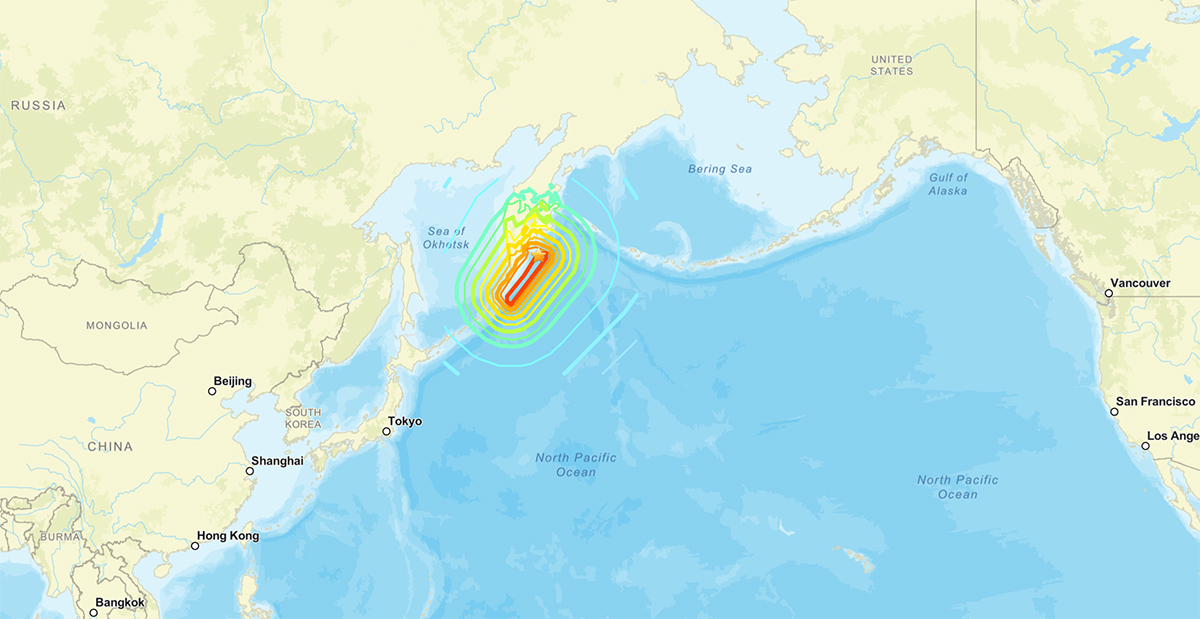
Several major airlines operate direct routes between Hawaii and Japan, reflecting the strong tourism and business ties. Key carriers include:
- Japan Airlines (JAL): Offers extensive service from Tokyo (NRT and HND) and Osaka (KIX) to Honolulu.
- All Nippon Airways (ANA): Another major Japanese carrier with frequent flights connecting Tokyo to Honolulu.
- Hawaiian Airlines: The flag carrier of Hawaii, providing direct services from Honolulu to multiple Japanese cities.
- Delta Air Lines and United Airlines: These US carriers may also offer direct routes, especially during peak seasons or as part of broader alliance networks.
When booking, travelers should consider the airline and aircraft type, as modern amenities, seat comfort, and in-flight entertainment greatly enhance long-haul flight experiences.
Planning Your Trans-Pacific Adventure
Embarking on a journey from Hawaii to Japan or vice versa requires thoughtful planning to ensure a smooth and enjoyable experience. The considerable distance and cultural shift necessitate attention to detail.
Navigating Time Zones and Jet Lag
Crossing the Pacific Ocean involves significant time zone changes. Hawaii Standard Time (HST) is 19 hours behind Japan Standard Time (JST). This means when it’s noon on Monday in Honolulu, it’s 7 AM on Tuesday in Tokyo. Traveling westbound from Hawaii to Japan means essentially losing a day, while eastbound travel gains a day.
Jet lag is a common challenge. Strategies to mitigate its effects include gradually adjusting sleep schedules before departure, staying hydrated, avoiding excessive caffeine or alcohol during the flight, attempting to sleep on the plane according to the destination’s nighttime, and immediately adopting the local schedule upon arrival, with a relaxed first day for adjustment.
Optimal Travel Seasons for Both Destinations
Both Hawaii and Japan offer distinct seasonal attractions, influencing the best time to travel.
- Hawaii: Enjoys a relatively consistent warm climate year-round. Peak seasons are generally December to April and June-August. Shoulder seasons (April-May, September-November) offer good weather with fewer crowds and often lower prices.
- Japan: Experiences four distinct seasons. Spring (March-May) is famous for cherry blossoms (Sakura), and autumn (September-November) for vibrant foliage, both highly popular. Summer (June-August) can be hot and humid, while winter (December-February) brings snow, especially in northern regions.
Considering the transition, travelers might opt for spring or autumn to enjoy pleasant weather in both destinations, or strategically plan to experience a specific seasonal event.
Crafting a Combined Hawaii-Japan Itinerary
For many, the journey between Hawaii and Japan isn’t just a transit but an opportunity to combine two incredible travel experiences. An epic itinerary could involve starting with the serene beauty and outdoor adventures of Hawaii (e.g., surfing in Waikiki, hiking on Maui, exploring the volcanoes on the Big Island), then embarking on the relatively short flight to Japan to immerse in its rich cultural tapestry (e.g., exploring ancient temples in Kyoto, experiencing the futuristic buzz of Tokyo, savoring exquisite Japanese cuisine). This allows travelers to experience two vastly different, yet equally captivating, island nations within a single trip.
Cultural Immersion Across the Pacific
The journey between Hawaii and Japan isn’t just a physical transition across distance but also a profound cultural shift. Understanding and preparing for these nuances can significantly enrich the travel experience.
Contrasting Cultures: Aloha to Omotenashi
Upon arrival in Hawaii, travelers are greeted by the warmth of aloha, a relaxed pace of life, and a melting pot of cultures, heavily influenced by Polynesian, Asian, and American traditions. The focus is often on natural beauty, outdoor activities, and casual hospitality. Japan, in contrast, offers a highly refined culture rooted in centuries of history, strict social etiquette, and a profound respect for tradition, alongside a vibrant embrace of modernity. The experience shifts to meticulous service (known as omotenashi), bustling urban centers, tranquil temples, and an emphasis on order and efficiency. The transition from the barefoot luxury of Hawaii to the intricate politeness and sophisticated artistry of Japan is striking and requires an open mind and willingness to adapt.
Preparing for a Smooth Cultural Transition
Travelers should take time to research the cultural norms of Japan before arriving, such as bowing etiquette, the importance of punctuality, proper use of chopsticks, and quiet public behavior. Similarly, understanding the unique Hawaiian culture, beyond just tourism, can enhance one’s appreciation for the islands. Learning a few basic phrases in Japanese or Hawaiian can also go a long way in showing respect and fostering positive interactions. This preparation is an integral part of the travel experience, enriching the journey beyond mere sightseeing.
Maximizing the Unique Travel Experience
The journey from Hawaii to Japan is more than just a logistical exercise; it’s an opportunity for an unparalleled exploration of diverse cultures, breathtaking landscapes, and the incredible engineering that connects them. By understanding the distances, choosing the right mode of transport, and preparing for the cultural and temporal shifts, travelers can transform a long-haul flight into the bridge of an unforgettable adventure. Whether seeking the tranquil beaches of Oahu or the neon-lit streets of Shinjuku, the path across the Pacific promises a rich tapestry of experiences waiting to be discovered.
LifeOutOfTheBox is a participant in the Amazon Services LLC Associates Program, an affiliate advertising program designed to provide a means for sites to earn advertising fees by advertising and linking to Amazon.com. Amazon, the Amazon logo, AmazonSupply, and the AmazonSupply logo are trademarks of Amazon.com, Inc. or its affiliates. As an Amazon Associate we earn affiliate commissions from qualifying purchases.