
San Francisco, a city synonymous with iconic landmarks, vibrant culture, and breathtaking views, often finds itself under a microscope when it comes to safety. As a premier travel destination, it draws millions of visitors annually, eager to explore its rolling hills, historic neighborhoods, and world-class attractions. However, recent narratives and public perception have fueled questions about whether San Francisco is indeed a dangerous place to visit or reside. This article delves into the multifaceted reality of safety in San Francisco, examining crime statistics, common concerns, and offering practical advice for travelers and residents alike to ensure a secure and enjoyable experience.
Understanding the nuances of urban safety is crucial. Cities, by their very nature, present a complex tapestry of experiences, and San Francisco is no exception. While the city boasts a wealth of opportunities for exploration and enjoyment, like any major metropolitan area, it faces challenges. Addressing the question “Is San Francisco Dangerous?” requires a balanced perspective that considers both statistical data and lived experiences, moving beyond sensationalized headlines to provide a comprehensive overview.
Navigating the Perceptions and Realities of Safety
The perception of danger in San Francisco has been shaped by a variety of factors, including media coverage, anecdotal evidence, and a visible increase in certain types of crime in recent years. It’s important to acknowledge these concerns while also grounding the discussion in factual data and context.
Crime Trends and Statistics
When assessing the safety of any city, crime statistics offer a valuable, albeit often incomplete, picture. San Francisco has experienced fluctuations in its crime rates, with notable increases in property crimes such as auto break-ins and larceny. Property crime, while distressing and inconvenient for visitors, does not necessarily equate to personal danger.
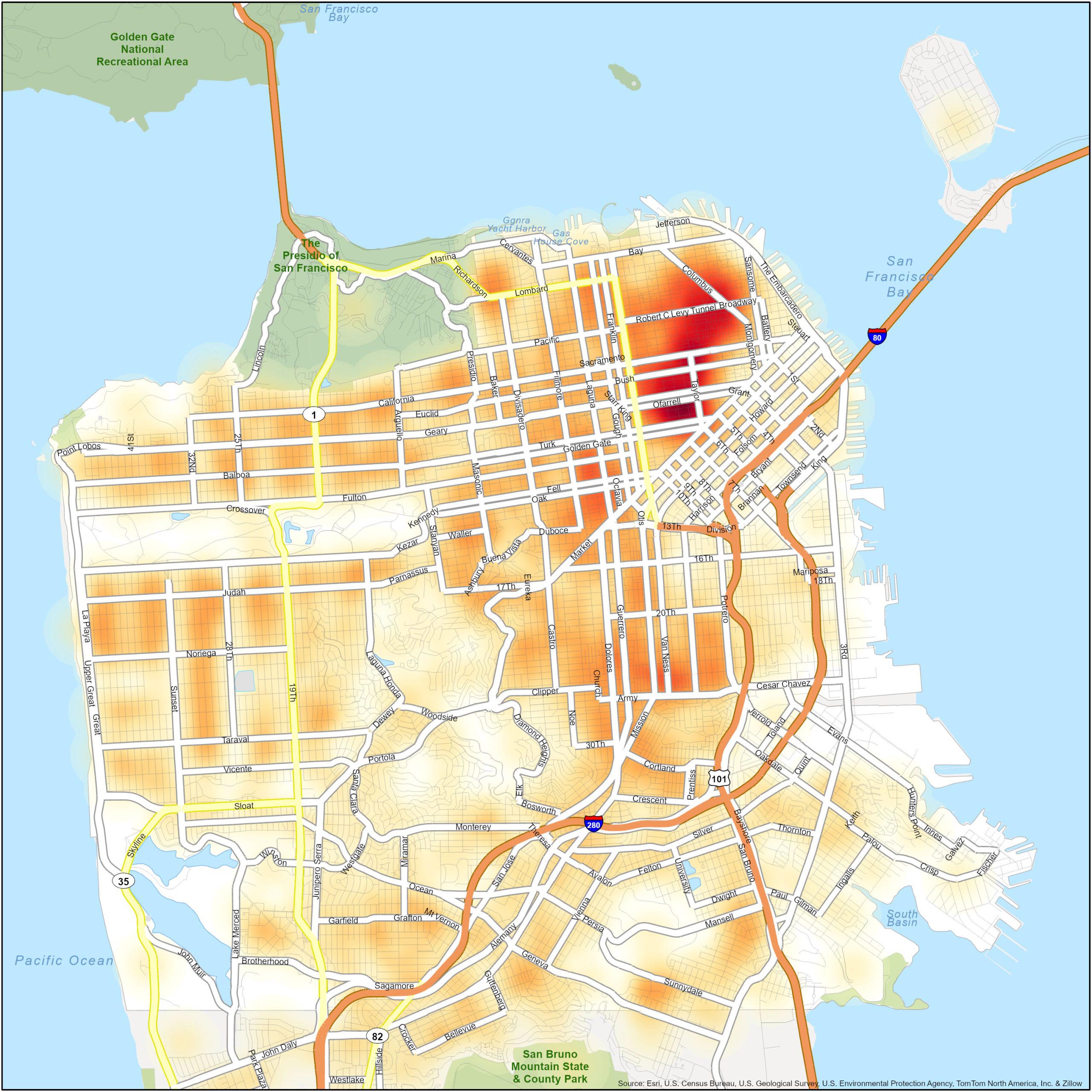
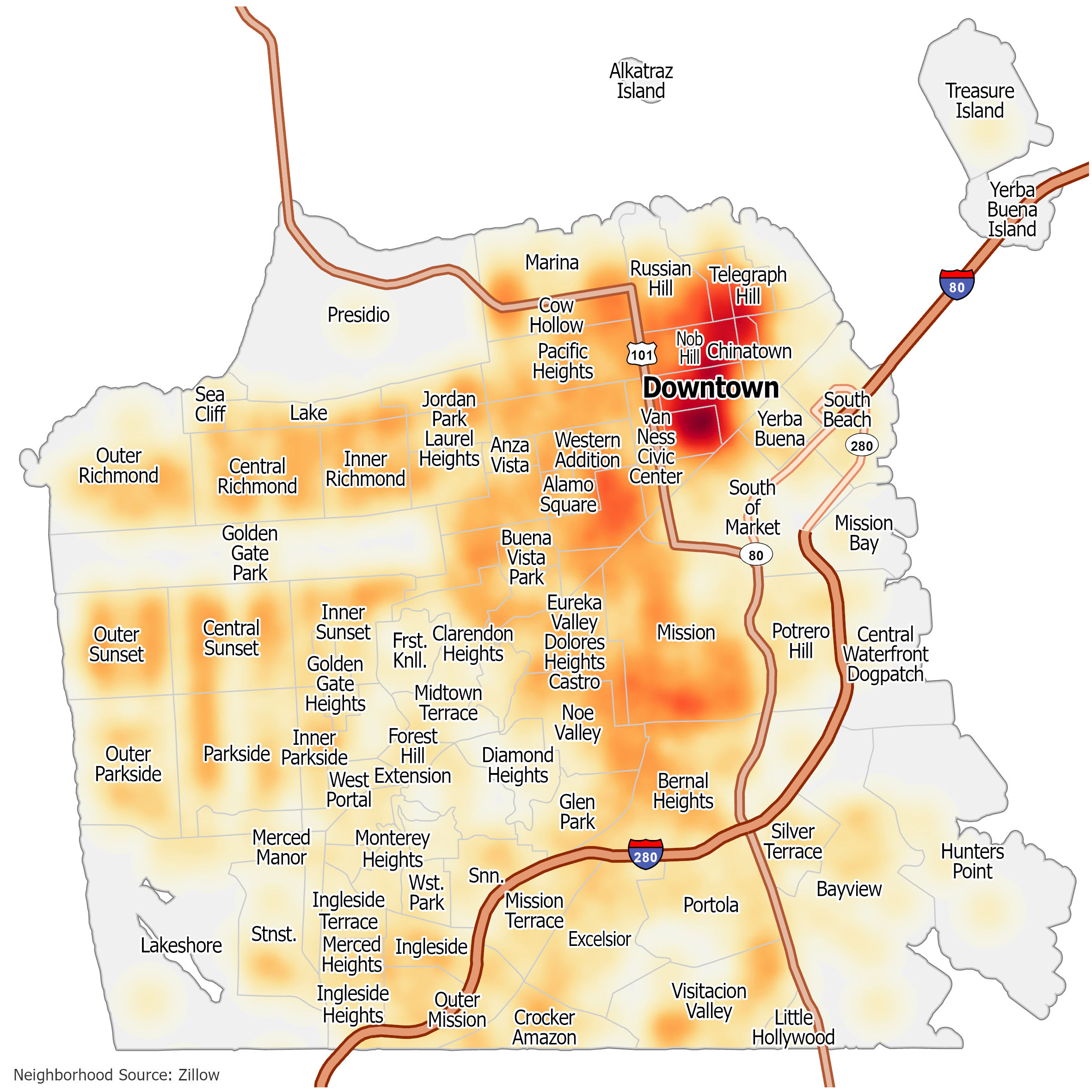
However, concerns about violent crime are also present. Data from the San Francisco Police Department and other sources indicate trends that warrant attention. It’s essential to look beyond raw numbers and understand the context. For instance, the majority of reported crimes are concentrated in specific areas and often involve offenses that do not directly impact tourists actively engaged in popular visitor activities.
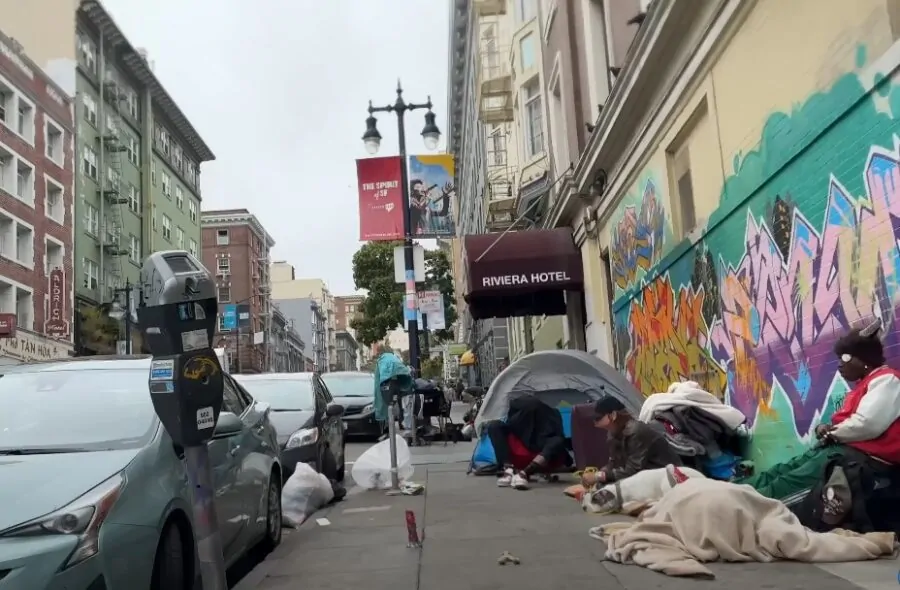
When comparing San Francisco to other major cities in the United States, its crime rates often fall within a range that is not exceptionally anomalous. However, the types of crime that have seen an increase, particularly property crime and some public order offenses, have contributed significantly to the negative perception. The visibility of homelessness and associated issues in certain districts also plays a role in how visitors perceive the overall safety of the city.
It’s crucial for travelers to recognize that statistics can be misleading if not interpreted with care. A single statistic can paint an alarming picture, but understanding the geographical distribution of crime and the specific types of offenses is more beneficial for planning a safe trip. For example, while car break-ins are a significant issue in certain parking areas, they are less likely to occur if one is exploring the city on foot or using ride-sharing services and taking precautions with vehicles.
Common Concerns and Areas to Be Aware Of
Several specific concerns are frequently raised when discussing safety in San Francisco:
-
Property Crime: Auto burglaries, especially in popular tourist areas and parking lots near attractions like the Golden Gate Bridge, Alcatraz Island, or tourist-heavy neighborhoods, are a persistent problem. Leaving any valuables visible in a car, even for a short period, is strongly discouraged. This includes GPS devices, shopping bags, or even charging cables. Many visitors opt for parking garages or utilize public transportation and ride-sharing services to mitigate this risk.
-
Homelessness and Public Disorder: The visible increase in homelessness in certain parts of San Francisco, particularly in areas like the Tenderloin and parts of South of Market (SoMa), has led to concerns about public safety and sanitation. While most individuals experiencing homelessness are not a threat to public safety, the presence of encampments and associated issues can make some areas feel less welcoming or safe, especially at night. It’s advisable to remain aware of your surroundings in these districts and avoid engaging with individuals who may be exhibiting erratic behavior.
-
Petty Theft: As with any bustling city, pickpocketing and petty theft can occur in crowded tourist spots, on public transportation like the Muni buses and streetcars, or in busy markets. Staying vigilant, keeping valuables secure, and being aware of your surroundings are standard precautions for any traveler.
-
Specific Neighborhoods: While most of San Francisco is safe for visitors, certain neighborhoods have higher crime rates. The Tenderloin district, for example, is widely acknowledged as an area to approach with caution, particularly after dark. Conversely, highly touristed areas like Fisherman’s Wharf, Union Square, North Beach, and Chinatown are generally safe during the day, though vigilance against petty theft is always recommended. Even in these popular areas, straying into less populated or dimly lit side streets late at night might not be advisable.
It’s important to reiterate that these concerns are often localized and manageable with sensible precautions. The vast majority of tourist experiences in San Francisco are positive and uneventful, focused on the city’s undeniable charms.
Enhancing Your Safety: Practical Tips for Travelers
Ensuring a safe and enjoyable trip to San Francisco is achievable by adopting a proactive approach to security. By understanding potential risks and implementing practical strategies, visitors can confidently explore all that this vibrant city has to offer.
General Safety Precautions
-
Be Aware of Your Surroundings: This is perhaps the most fundamental piece of safety advice for any urban environment. Pay attention to who and what is around you, especially in crowded places or when walking alone. Avoid distractions like constantly looking at your phone.
-
Secure Your Valuables: Keep cash, credit cards, and identification in a secure place, such as a front pocket, a money belt, or a bag that is worn across your body. Never leave bags unattended. When visiting attractions, it’s often best to travel light.
-
Avoid Displaying Wealth: Refrain from flashing expensive jewelry, large amounts of cash, or high-end electronics in public. This can make you a target for opportunistic theft.
-
Use Reputable Transportation: When using taxis or ride-sharing services, ensure they are licensed and reputable. Stick to well-lit and busy areas when waiting for transport. For longer distances or when arriving at the airport, pre-booking a shuttle or using established taxi companies can offer peace of mind.
-
Be Cautious at Night: While many parts of San Francisco are lively and safe at night, it’s always wise to exercise extra caution. Stick to well-lit, populated streets. If you are unsure about an area, it’s better to err on the side of caution and take a taxi or ride-share. Avoid walking alone in unfamiliar or poorly lit areas.
-
Inform Someone of Your Plans: Let a friend or family member know your itinerary, especially if you are traveling solo. Check in with them regularly.
Specific Advice for Navigating San Francisco
-
Vehicle Safety: As mentioned, car break-ins are a significant issue.
- Never leave anything visible in your car. This includes shopping bags, luggage, electronics, or even loose change.
- Park in well-lit, attended parking garages whenever possible, especially in downtown areas or near major attractions.
- Remove all items from your vehicle before arriving at your destination. If you cannot, take them with you.
- Consider leaving your GPS device at your hotel rather than in the car.
-
Public Transportation: San Francisco has an extensive public transportation system, including the Muni buses, streetcars, and BART (Bay Area Rapid Transit). These are generally safe and efficient ways to get around. However, as with any public transit, be mindful of your belongings. Hold onto your bags and be aware of who is around you, especially during peak hours or on less crowded routes.
-
Exploring Neighborhoods:
- Fisherman’s Wharf, Ghirardelli Square, and Pier 39 are very popular and generally safe, but they can be extremely crowded, making them prime spots for pickpockets. Keep your belongings close.
- Chinatown and North Beach are vibrant and generally safe during the day and early evening. Be aware of your surroundings, especially on side streets.
- Union Square is a busy shopping district. While generally safe, be mindful of your surroundings and any aggressive panhandlers.
- The Tenderloin is an area that many advise visitors to avoid, particularly at night, due to higher crime rates and visible social issues.
- Areas like Golden Gate Park, The Presidio, and the Marin Headlands (across the Golden Gate Bridge) are generally very safe and offer stunning natural beauty and iconic landmarks.
-
Emergency Information: Familiarize yourself with emergency contact numbers. In San Francisco, as in the rest of the United States, the emergency number is 911. Know the location of your accommodation and any major landmarks you plan to visit.
Beyond the Headlines: The Enduring Appeal of San Francisco
Despite the discussions around safety, it’s crucial to remember why San Francisco remains one of the world’s most beloved travel destinations. The city’s allure lies not just in its iconic sights but in its diverse culture, culinary scene, and the sheer breadth of experiences it offers.
Iconic Landmarks and Attractions
San Francisco is home to a multitude of world-famous landmarks. The majestic Golden Gate Bridge, an engineering marvel and a symbol of the city, offers breathtaking views and opportunities for walking or cycling. Alcatraz Island, a former federal penitentiary, provides a fascinating historical tour. The bustling Fisherman’s Wharf teems with sea lions, seafood stalls, and street performers. Riding a historic cable car up and down the steep hills is a quintessential San Francisco experience. Exploring the vibrant streets of Chinatown, the oldest in North America, offers a glimpse into a rich cultural heritage. The art and architecture of the Palace of Fine Arts and the natural beauty of Golden Gate Park provide further reasons to visit.
Rich Cultural Tapestry and Culinary Delights
San Francisco is a melting pot of cultures, reflected in its diverse neighborhoods, festivals, and artistic expressions. From the bohemian spirit of Haight-Ashbury to the sophisticated dining scene in SoMa and the vibrant LGBTQ+ community in the Castro, the city offers something for everyone.
The culinary landscape is equally diverse and world-renowned. San Francisco is a haven for food lovers, boasting everything from Michelin-starred restaurants to innovative food trucks and casual eateries. Fresh seafood from the Pacific, artisanal cheeses, and world-class coffee are just a few of the gastronomic highlights. Exploring the farmers’ markets, like the Ferry Building Marketplace, is a delicious way to experience local produce and artisanal products.
Lifestyle and Diverse Experiences
Whether you’re a luxury traveler seeking opulent accommodations at hotels like the Fairmont San Francisco or The Ritz-Carlton, San Francisco, or a budget-conscious explorer looking for charming boutique hotels or well-located apartments, San Francisco offers a wide range of accommodation options. The city caters to all travel styles, from romantic getaways and family adventures to business trips and solo explorations. The city’s laid-back yet dynamic lifestyle encourages exploration, whether it’s hiking in the nearby hills, visiting world-class museums like the de Young Museum or the California Academy of Sciences, or simply enjoying the panoramic views from Coit Tower.
In conclusion, while concerns about safety in San Francisco are valid and warrant attention, they should not overshadow the city’s immense appeal and the overwhelmingly positive experiences of its visitors. By staying informed, exercising common sense, and adopting practical safety measures, travelers can confidently immerse themselves in the unique charm, culture, and beauty that San Francisco has to offer. The city’s vibrancy, resilience, and enduring allure continue to draw people from around the globe, promising unforgettable experiences for those who venture to its shores.
LifeOutOfTheBox is a participant in the Amazon Services LLC Associates Program, an affiliate advertising program designed to provide a means for sites to earn advertising fees by advertising and linking to Amazon.com. Amazon, the Amazon logo, AmazonSupply, and the AmazonSupply logo are trademarks of Amazon.com, Inc. or its affiliates. As an Amazon Associate we earn affiliate commissions from qualifying purchases.