
The iconic silhouette of Diamond Head (Lēʻahi in Hawaiian) is synonymous with the breathtaking beauty of Hawaii. Perched majestically on the southeastern coast of Oahu, this volcanic tuff cone beckons travelers with its promise of unparalleled panoramic views and a rewarding outdoor adventure. For many visiting Honolulu and the bustling shores of Waikiki, hiking Diamond Head is a non-negotiable item on their itinerary. But a common and crucial question arises for eager explorers: “How long does it really take to hike Diamond Head?”
While the answer isn’t a simple one-size-fits-all, a general timeframe can be established, along with a deeper dive into the myriad factors that influence your personal hiking duration. From your fitness level and the time of day you visit to how many photo stops you make, understanding these elements is key to planning a successful and enjoyable excursion. This guide will meticulously break down the typical hiking times, offer insights into optimizing your experience, and ensure you’re fully prepared for one of Hawaii’s most beloved trails.
The Diamond Head Hike: An Overview of What to Expect
Before lacing up your hiking boots, it’s essential to understand the nature of the Diamond Head trail itself. This isn’t just a walk in the park; it’s a moderately challenging ascent that culminates in some of the most spectacular vistas the island has to offer. Knowing what lies ahead will help you mentally and physically prepare, ultimately influencing how long your journey takes.
A Brief History and Geological Significance
Diamond Head is a geological marvel, formed approximately 300,000 years ago during a single, explosive eruption. Its distinctive crater shape is a testament to its volcanic origins, creating a unique microclimate within its bowl. The name “Diamond Head” was coined by 19th-century British sailors who mistook calcite crystals in the rock for diamonds. Historically, it served as a strategic military lookout, with bunkers and observation posts constructed along its rim during the early 20th century, particularly after the attack on Pearl Harbor. These remnants of history are still visible today, adding an intriguing layer to the natural beauty of the hike. The trail itself was built in 1908 as part of the coastal defense system of the United States. Understanding this rich background enhances the appreciation for the landmark you’re about to conquer.
Trail Characteristics and Difficulty Level
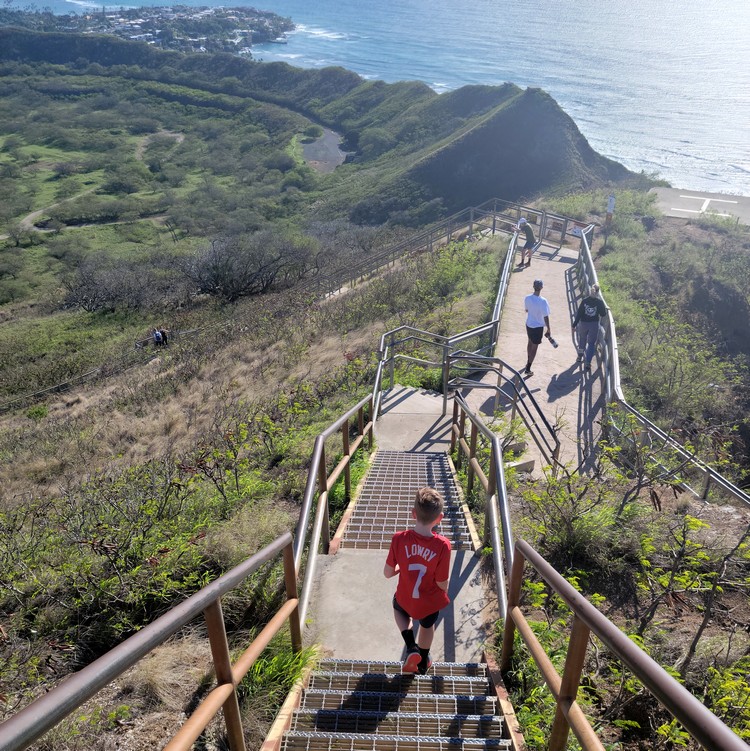
The Diamond Head Summit Trail is approximately 0.8 miles (1.3 kilometers) one-way, making it a 1.6-mile round trip. While this distance might seem modest, don’t be fooled. The trail gains about 560 feet (171 meters) in elevation from the crater floor to the summit. The path is paved in some sections, but also features dirt paths, steep switchbacks, and — famously — two sets of stairs: a winding concrete staircase of 99 steps and a steeper, narrower metal staircase of 76 steps, leading to the final lookout point.
The trail is generally considered moderate in difficulty. It’s suitable for most active individuals, including families with older children, but those with mobility issues or severe respiratory conditions might find it challenging. There are handrails on the stair sections, and various rest points along the way. The final push to the summit involves navigating through a narrow, unlit tunnel and then ascending the metal stairs. This varied terrain is a key factor in how long the hike takes, as different sections demand different paces and effort levels.
The Reward: Panoramic Views of Oahu
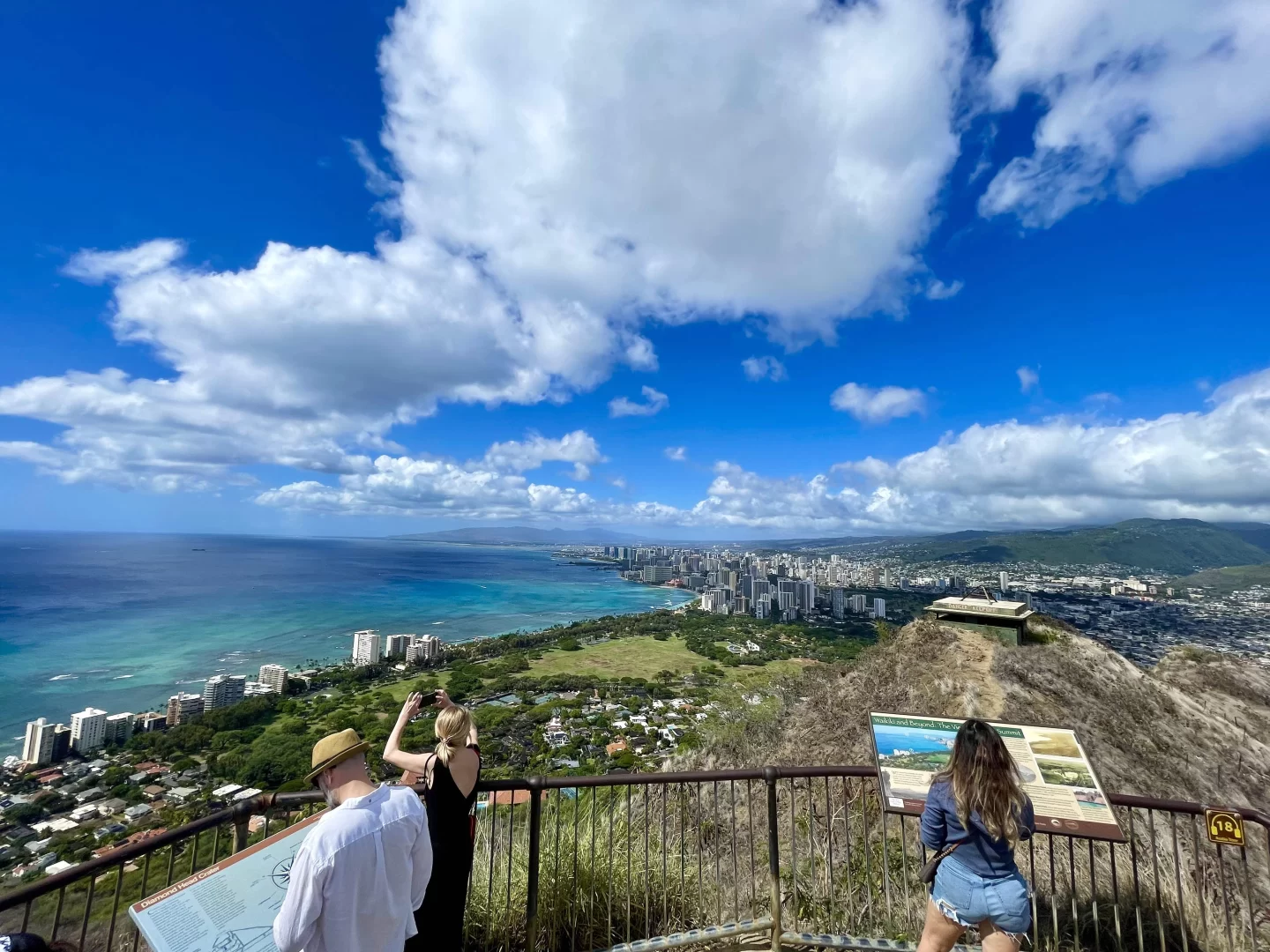
The primary motivation for undertaking the Diamond Head hike is undoubtedly the unparalleled views from the summit. Once you emerge from the final bunker and ascend to the observation deck, you are greeted with a breathtaking 360-degree panorama. To the west, the glittering skyline of Waikiki stretches along the coast, with surfers dotting the turquoise waters of the Pacific Ocean. To the east, the rugged coastline of Oahu unfolds, revealing hidden coves and distant landmarks. The vast expanse of the Pacific Ocean shimmers under the sun, often dotted with distant ships. This incredible vista is the ultimate payoff, making every step of the ascent worthwhile and providing ample reason to linger at the top.
Factors Influencing Your Hiking Duration
So, how long does it really take? For the average person, the round trip hike to the summit of Diamond Head typically takes between 1.5 to 2 hours. This estimate includes the ascent, time spent at the summit enjoying the views and taking photos, and the descent back to the trailhead. However, several variables can significantly alter this timeframe.
Your Personal Fitness Level and Pace
This is arguably the most significant factor. An avid hiker in excellent physical condition might complete the ascent in 30-40 minutes and the descent in 20-30 minutes, totaling an hour to an hour and a half with a brief stop at the top. Conversely, someone who is less accustomed to strenuous activity, or who prefers a more leisurely pace, could take 60-90 minutes for the ascent alone, and another hour for the descent and summit time, extending their total trip to well over 2 hours. Listen to your body, take breaks when needed, and remember that it’s not a race. Enjoying the journey is just as important as reaching the destination.
The Impact of Crowds and Peak Times
Diamond Head is one of Hawaii’s most popular attractions, meaning crowds are almost a guarantee, especially during peak seasons and popular times of day. Weekends, holidays, and mid-morning hours (roughly 8:00 AM to 11:00 AM) often see the largest influx of visitors. When the trail is congested, particularly on the narrower sections and staircases, your pace will inevitably slow down. You might find yourself waiting in line to ascend or descend certain sections, or simply moving at the speed of the slowest person in front of you. To mitigate this, consider hiking early in the morning (shortly after opening at 6:00 AM) or later in the afternoon (after 2:00 PM), though be mindful of the park’s closing time.
Photo Opportunities and Rest Stops

With such stunning scenery, it’s virtually impossible not to pause for photos. From sweeping vistas along the trail to detailed shots of the military bunkers and, of course, the panoramic views from the summit, photographic opportunities abound. Many hikers also opt to take several rest stops, especially on the steeper sections or before tackling the staircases. These pauses, while essential for comfort and enjoyment, add to the overall duration. If you’re someone who loves to capture every moment or needs frequent breaks, factor in an additional 30 minutes to an hour beyond the average estimate.
Getting There and Back: Accounting for Travel Time
The “how long does it take” question shouldn’t just pertain to the hike itself but also the journey to and from the trailhead. Diamond Head State Monument is a short drive from Waikiki, typically 10-20 minutes depending on traffic. You’ll need to account for parking (which often involves a wait, especially during peak hours), checking in at the entrance, and the walk from the parking lot to the official trailhead. Public transportation, ride-shares, or shuttle services will also add to your total time. Budgeting an extra 30-60 minutes for travel and logistics outside of the actual hike is a wise decision to avoid feeling rushed.
Preparing for Your Diamond Head Adventure
A successful hike isn’t just about showing up; it’s about being prepared. Proper planning ensures comfort, safety, and ultimately, a more enjoyable and efficient experience.
Essential Gear and Hydration
- Water: This is non-negotiable. Even on a seemingly cool day, the tropical climate and physical exertion will lead to dehydration. Bring at least 1-2 liters of water per person.
- Sun Protection: Hawaii’s sun is intense. Wear sunscreen (reef-safe if possible), a hat, and sunglasses.
- Comfortable Footwear: Sturdy walking shoes or hiking sandals with good grip are essential for navigating the varied terrain. Avoid flip-flops or high heels.
- Light Snacks: A granola bar or fruit can be a lifesaver for an energy boost, especially if you’re hiking early in the morning before breakfast.
- Camera: To capture those incredible views!
- Small Backpack: To carry your essentials, leaving your hands free.
The Importance of Reservations and Timing Your Visit
Since May 12, 2022, reservations are required for all visitors, including Hawaii residents, to enter Diamond Head State Monument. This system helps manage crowds and preserve the natural environment. Book your reservation well in advance, especially during peak travel seasons. Your reservation will be for a specific time slot. Arriving slightly early is good, but don’t be excessively early as they might not let you in before your slot.
As mentioned, timing your visit strategically can greatly impact your experience. Early mornings (6:00 AM – 8:00 AM) offer cooler temperatures, fewer crowds, and often the best light for photography, including stunning sunrises. Late afternoons (2:00 PM – 4:00 PM) also have fewer crowds, though temperatures might still be warm. Avoid midday if possible, both for heat and crowd reasons.
What to Wear: Comfort and Safety
Opt for lightweight, breathable clothing that wicks away sweat. Athletic shorts, capris, or light hiking pants, paired with a moisture-wicking t-shirt, are ideal. While the trail isn’t overly exposed to the elements, a light jacket might be useful for early morning starts when it can still be a bit breezy. Most importantly, choose closed-toe shoes with good ankle support to prevent slips and provide comfort on the uneven paths and stairs. Remember, comfort over fashion is key for a truly enjoyable hike.
Maximizing Your Diamond Head Experience (Before and After the Hike)
The Diamond Head hike is just one part of a larger travel experience. Enhancing your journey involves seamless navigation to the trailhead and planning enjoyable activities for when you descend.
Navigating to the Trailhead
The entrance to the Diamond Head State Monument is located within the crater itself, meaning you drive or are dropped off inside the crater.
- Driving: If you have a rental car, driving is convenient, but be prepared for a parking fee and potentially waiting in line for a spot, especially if you haven’t booked a parking reservation (which is separate from the entry reservation but highly recommended).
- Public Bus (TheBus): An affordable option, several routes connect Waikiki to the vicinity of Diamond Head. You’ll typically be dropped off at the crater entrance, requiring a short walk through the tunnel into the crater to reach the trailhead. This walk adds approximately 15-20 minutes to your total time.
- Ride-Share/Taxi: A convenient door-to-door option. Instruct your driver to take you inside the crater to the trailhead parking lot. This eliminates the walk through the tunnel.
- Walking from Waikiki: While possible for very fit individuals, it’s a long walk (3-4 miles one-way) and not recommended, as it will exhaust you before the actual hike even begins and significantly extends your overall “travel” time.
Nearby Attractions and Post-Hike Indulgences
Once you’ve conquered Diamond Head and descended, the adventure doesn’t have to end.
- Farmer’s Market: On Saturdays, the KCC Farmers Market at Kapiolani Community College, just a short walk from the crater entrance, offers an incredible array of local produce, prepared foods, and refreshing drinks – perfect for a post-hike refueling.
- Brunch in Kaimuki or Kapahulu: These neighborhoods, just beyond Diamond Head, are known for their vibrant food scenes. Treat yourself to a delicious brunch or lunch at one of the many local eateries.
- Beach Time: Head back to Waikiki Beach for a refreshing dip in the ocean, or explore the less crowded shores of Diamond Head Beach Park for some relaxation.
- Explore Kapiolani Park: This expansive park at the base of Diamond Head offers plenty of green space, walking paths, and picnic areas if you’re looking for a more relaxed post-hike activity.
Embracing the Spirit of Aloha
Ultimately, the goal of any travel experience, especially in Hawaii, is to embrace the local culture and create lasting memories. While timing your hike efficiently is important for planning, remember to slow down, breathe in the fresh air, and appreciate the incredible natural beauty surrounding you. Engage with the friendly staff, respect the natural environment, and take a moment to reflect on the historical significance of Lēʻahi. Whether your hike takes an hour or two and a half, the reward is a truly unforgettable Hawaii experience, etched into your memory long after you’ve left the summit.
LifeOutOfTheBox is a participant in the Amazon Services LLC Associates Program, an affiliate advertising program designed to provide a means for sites to earn advertising fees by advertising and linking to Amazon.com. Amazon, the Amazon logo, AmazonSupply, and the AmazonSupply logo are trademarks of Amazon.com, Inc. or its affiliates. As an Amazon Associate we earn affiliate commissions from qualifying purchases.