
Embarking on a journey from Atlanta, Georgia, to the paradisiacal shores of Hawaii is an adventure that many dream of. However, for those planning this significant trip, one of the most pressing questions is often about the travel time. Given the vast distance spanning over 4,000 miles across the continental United States and a considerable expanse of the Pacific Ocean, a flight from Atlanta to Hawaii is a serious commitment in terms of duration. While there are no direct, non-stop commercial flights currently operating between Hartsfield-Jackson Atlanta International Airport (ATL) and any of Hawaii’s major airports, the journey typically involves at least one, and sometimes two, layovers.
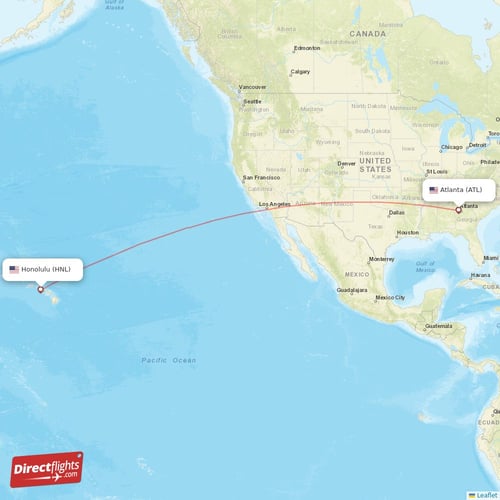
The total travel time can range significantly, but passengers should generally expect an overall trip duration of between 11 and 16 hours, or even more, depending on the number and length of layovers, the chosen airline, and the specific Hawaiian island destination. This comprehensive guide will break down the intricacies of this long-haul flight, offering insights into typical routes, factors influencing travel time, and practical tips to ensure a comfortable and smooth journey to the Aloha State. Understanding these elements is crucial for setting realistic expectations and planning an unforgettable Hawaiian escape.
Understanding the Marathon Journey: Atlanta to Hawaii Flight Duration
The immense geographical distance separating Atlanta from Hawaii necessitates a multi-leg journey for most travelers. While the idea of a single, non-stop flight might be appealing, the logistical and economic realities for airlines make such a route from the East Coast rare, particularly from a hub like Atlanta which often routes passengers through major West Coast gateways. This means understanding the components of your total travel time is paramount.
Direct vs. Connecting Flights: The Primary Time Factor
As previously mentioned, direct flights from Atlanta to Hawaii are not a standard offering. This immediately means that your journey will involve at least one stop, introducing the variable of layover time into your total travel duration. A “direct flight” usually implies a single flight number that might make a stop without passengers changing planes, but even this is highly uncommon for the Atlanta-Hawaii route. What travelers will primarily encounter are “connecting flights,” where you disembark one aircraft and board another, often in a different terminal or even a different airport.
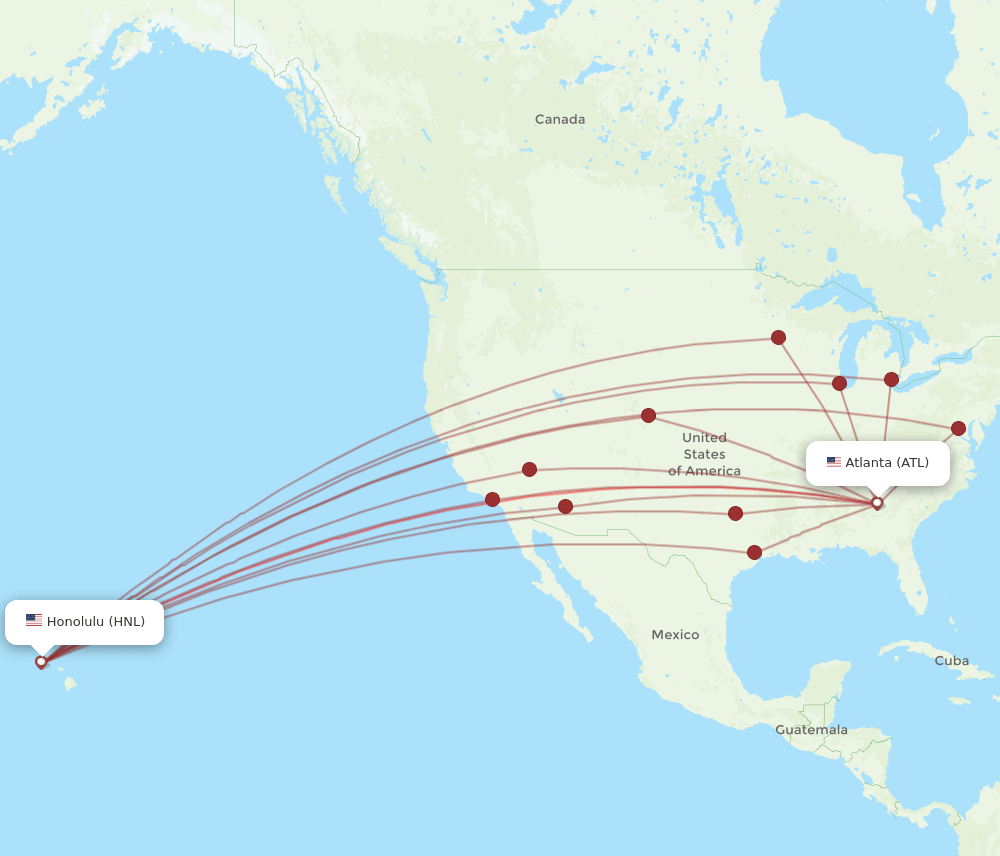
These connections almost invariably occur at major airline hubs on the U.S. West Coast. Common layover cities include Los Angeles, San Francisco, Seattle, Phoenix, or Denver. The duration of these layovers can dramatically impact your total travel time. A quick, well-timed connection might be as short as 1 to 2 hours, while a longer layover could stretch to 4-6 hours, or even overnight, depending on flight availability and scheduling.
Typical Flight Segments and Layovers
To better visualize the journey, let’s break it down into its typical segments:
Segment 1: Hartsfield-Jackson Atlanta International Airport (ATL) to a West Coast Hub
This first leg of the journey covers a substantial portion of the continental United States. Flights from Atlanta to key West Coast hubs typically last between 4.5 to 6 hours.
- Common West Coast Hubs:
- Los Angeles International Airport (LAX), Los Angeles, California
- San Francisco International Airport (SFO), San Francisco, California
- Seattle-Tacoma International Airport (SEA), Seattle, Washington
- Phoenix Sky Harbor International Airport (PHX), Phoenix, Arizona
- Denver International Airport (DEN), Denver, Colorado
These airports are strategic choices due to their extensive networks and numerous daily flights to Hawaii.
Segment 2: West Coast Hub to Hawaii
Once you’ve landed on the West Coast, the second leg of your journey takes you over the Pacific Ocean to your chosen Hawaiian island. This segment typically lasts between 5 to 6 hours.
- Major Hawaiian Airports:
- Daniel K. Inouye International Airport (HNL) in Honolulu, Oahu
- Kahului Airport (OGG) in Kahului, Maui
- Kona International Airport (KOA) in Kona, Big Island
- Lihue Airport (LIH) in Lihue, Kauai
Calculating Total Travel Time
To arrive at your total travel time, you combine the duration of each flight segment with the time spent during layovers.
- Minimum Total Travel Time (optimized connections):
- Flight 1: 5 hours (e.g., ATL to LAX)
- Layover: 1.5 hours
- Flight 2: 5.5 hours (e.g., LAX to HNL)
- Total: Approximately 12 hours
- Average Total Travel Time:
- Flight 1: 5.5 hours
- Layover: 3 hours
- Flight 2: 5.5 hours
- Total: Approximately 14 hours
- Longer Total Travel Time (multiple or extended layovers):
- Flight 1: 6 hours
- Layover 1: 2 hours (e.g., ATL to DEN)
- Flight 2: 3 hours (e.g., DEN to SFO)
- Layover 2: 3 hours
- Flight 3: 5.5 hours (e.g., SFO to HNL)
- Total: Approximately 19.5 hours (This scenario is less common but possible if searching for cheaper or less direct routes).
It’s important to factor in additional time for boarding, taxiing, and potential minor delays that are common in air travel. Therefore, always add a buffer to your expected arrival time.
Factors Influencing Your Travel Time
While the general flight segments provide a good baseline, several variables can alter the actual time it takes to get from Atlanta to Hawaii. Being aware of these can help you make more informed decisions when booking your trip.
Choice of Airline and Route

Different airlines operate varying schedules and use different hub cities, which directly impacts your flight options and layover durations.
- Major Carriers from ATL: Airlines like Delta Air Lines, which has a massive hub in Atlanta, typically offer numerous connections to Hawaii via their West Coast hubs (Los Angeles, Seattle). Other carriers such as United Airlines, American Airlines, Southwest Airlines, and Alaska Airlines also provide competitive options, usually connecting through their respective hubs (Denver, Phoenix, San Francisco, Los Angeles, Seattle).
- Route Optimization: Some routes might be slightly longer in terms of flying distance but offer better-timed connections, resulting in a shorter overall travel time. Conversely, a route with a shorter flying distance might have an inconveniently long layover, extending the journey considerably. When booking, always look at the “total travel time” rather than just the individual flight durations.
Weather Conditions and Air Traffic Control
Air travel is inherently susceptible to external factors.
- Headwinds and Tailwinds: Flights traveling east-to-west across the U.S. and the Pacific can experience strong headwinds, which will add to the flight time. Conversely, tailwinds can shorten the journey, though these are less common on the westward route.
- Weather Delays: Inclement weather at either departure, layover, or arrival airports can cause delays, pushing back your departure or delaying your connection. Atlanta, being a major hub, is prone to weather-related disruptions, especially during thunderstorm season.
- Air Traffic Control (ATC): High air traffic volumes, particularly around busy hubs like Los Angeles or San Francisco, can lead to ground delays, holding patterns, or slower taxi times, all of which add minutes to your journey.
Layovers: Duration and Location
The strategic choice of layovers is perhaps the most significant factor within your control when booking.
- Optimal Layover Duration: For a smooth connection, an ideal layover for domestic travel is usually 1.5 to 2.5 hours. This provides enough time to deplane, navigate to your next gate (which can be far in large airports), and perhaps grab a quick bite, without being excessively long.
- Short Layovers: While tempting to minimize overall travel time, very short layovers (under 60-90 minutes) carry a higher risk of being missed if your first flight experiences even a minor delay. This can lead to rebooking headaches and significant stress.
- Long Layovers: Layovers of 4 hours or more can be tiresome, but they also offer an opportunity to stretch, eat a proper meal, or even briefly explore the layover city if it’s an overnight stop. Some travelers intentionally choose longer layovers for this reason.
- Layover City Impact: The efficiency of the layover airport matters. Some airports are easier to navigate than others. For instance, while Los Angeles International Airport (LAX) offers abundant connections to Hawaii, its sheer size and sprawling layout can make tight connections challenging. Smaller, more streamlined airports might offer a less stressful experience.
Preparing for the Long Haul: Tips for a Comfortable Flight
A journey of 12-16 hours, or even more, is a significant undertaking. Thoughtful preparation can make a world of difference in ensuring you arrive in Hawaii feeling as refreshed as possible, ready to embrace the aloha spirit.
Essential Packing and In-Flight Comfort
Smart packing for your carry-on is crucial for long flights.
- Comfortable Clothing and Layers: Wear loose-fitting, comfortable clothes. Bring layers as cabin temperatures can fluctuate significantly. A light sweater or shawl can be a lifesaver.
- Hydration: Airplane cabins are notoriously dry. Drink plenty of water before, during, and after your flight. Avoid excessive alcohol and caffeine, which can dehydrate you.
- Snacks: While airlines provide meals, having your favorite healthy snacks can prevent hunger pangs and offer a more personalized experience.
- Entertainment: Load up your tablet or phone with movies, TV shows, podcasts, or e-books. Noise-canceling headphones are highly recommended to block out cabin noise and enhance your enjoyment.
- Neck Pillow and Eye Mask: These small items can dramatically improve your ability to rest or sleep, especially during the long Pacific leg.
- Compression Socks: To promote circulation and reduce the risk of swelling or deep vein thrombosis (DVT) on long flights, compression socks are a great investment.
- Basic Toiletries: A small bag with a toothbrush, toothpaste, moisturizer, and lip balm can help you feel refreshed.
Managing Layovers Effectively
Layovers, though sometimes tedious, can be managed to your advantage.
- Choose Wisely: When booking, prioritize layovers that are long enough to be comfortable but not so long that they become exhausting.
- Stay Active: Use layovers to stretch your legs, walk around the airport, or even find a quiet spot for some light exercises.
- Hydrate and Eat: Replenish fluids and grab a decent meal if time permits. Avoid heavy, greasy airport food that might make you feel sluggish on your next flight.
- Find Amenities: Many larger airports offer lounges (some accessible for a fee or with certain credit cards), charging stations, and even relaxation zones. Plan ahead to utilize these if desired.
Battling Jet Lag: Atlanta to Hawaii Time Difference
One of the most challenging aspects of traveling from the East Coast to Hawaii is the significant time zone change. Hawaii observes Hawaii Standard Time (HST), which is 6 hours behind Eastern Standard Time (EST) during standard time and 5 hours behind during daylight saving time (as Hawaii does not observe daylight saving). This means when it’s noon in Atlanta, it’s 6 AM or 7 AM in Honolulu.
- Adjust Gradually: A few days before your trip, try to shift your sleep schedule by an hour or two towards Hawaiian time.
- Hydrate and Avoid Alcohol: This cannot be stressed enough. Dehydration exacerbates jet lag symptoms.
- Embrace the Light: Upon arrival, expose yourself to natural light during the day, even if you feel tired. Avoid napping for too long if you arrive in the morning or afternoon.
- Melatonin: Some travelers find small doses of melatonin helpful in regulating their sleep cycle during the first few nights.
- Stay on Schedule: Try to eat and sleep according to Hawaiian local time as soon as you land.
Beyond the Flight: Making the Most of Your Hawaiian Adventure
After successfully navigating the long journey, the true reward begins. Hawaii offers a diverse range of experiences, and understanding your options upon arrival will help you seamlessly transition into your vacation.
Choosing Your Hawaiian Island Destination
While your flight might land on Oahu, the first point of entry for most, Hawaii is an archipelago with unique offerings on each main island:
- Oahu: Home to Honolulu and Waikiki Beach, offering a vibrant city experience, historical sites like Pearl Harbor, and world-class surfing on the North Shore.
- Maui: Known for its stunning beaches, the scenic Road to Hana, and the majestic Haleakala volcano for sunrise views.
- Big Island (Hawaii Island): The largest island, featuring active volcanoes at Hawaii Volcanoes National Park, black sand beaches, and diverse climates.
- Kauai: The “Garden Isle,” famous for its lush landscapes, the dramatic Na Pali Coast, and the impressive Waimea Canyon.
Consider what kind of vacation you envision when deciding which island or islands to visit. Inter-island flights are common and relatively short, ranging from 30 minutes to an hour.
Navigating Arrival and Local Transport
Once you land in Hawaii, especially after a long flight, seamless onward travel is key.
- Rental Cars: For flexibility and exploring the islands at your own pace, a rental car is highly recommended on most islands, particularly Maui, the Big Island, and Kauai. Book well in advance, especially during peak season.
- Shuttles and Taxis: From Daniel K. Inouye International Airport (HNL), numerous shuttle services and taxis are available to transport you to your accommodation in Honolulu or Waikiki. Ride-sharing services like Uber and Lyft also operate here.
- Public Transport: Oahu has “TheBus,” an extensive public transportation system, though it can be slow for tourists. Other islands have limited public transport.
Embracing the Aloha Spirit
After the long hours of travel, the feeling of stepping onto Hawaiian soil is uniquely invigorating. Take a deep breath of the fragrant tropical air and allow yourself to relax. The “Aloha Spirit” is real and infectious – a welcoming embrace of warmth, hospitality, and respect for the land and its people. Engage with local culture, try traditional foods, and immerse yourself in the natural beauty that surrounds you. Remember, the journey, though long, is simply the prelude to an extraordinary experience in one of the world’s most beautiful destinations.
In conclusion, a flight from Atlanta to Hawaii is a significant undertaking, generally spanning 11 to 16 hours or more with connections. While the duration might seem daunting, careful planning, smart packing, and an understanding of the factors involved can transform it from a grueling ordeal into a manageable part of your unforgettable Hawaiian adventure. The moment you feel the warm Hawaiian breeze and hear the gentle lapping of waves, every minute of that journey will undoubtedly prove to be worth it.
LifeOutOfTheBox is a participant in the Amazon Services LLC Associates Program, an affiliate advertising program designed to provide a means for sites to earn advertising fees by advertising and linking to Amazon.com. Amazon, the Amazon logo, AmazonSupply, and the AmazonSupply logo are trademarks of Amazon.com, Inc. or its affiliates. As an Amazon Associate we earn affiliate commissions from qualifying purchases.