
Embarking on a journey to the enchanting Hawaiian Islands promises an unforgettable experience, filled with pristine beaches, lush landscapes, and vibrant culture. For many travelers, exploring these unique destinations necessitates renting a car, offering the freedom to discover hidden gems beyond the typical tourist paths. However, a common question often arises when planning a Hawaii adventure: “How much gas will I need, and how much will it cost?” Understanding Hawaii’s distinct fuel landscape is crucial for budgeting and seamless travel, ensuring your focus remains on the breathtaking scenery rather than unexpected expenses at the pump. This guide delves into the specifics of gas prices, consumption, and strategic planning for your island travels.
Understanding Hawaii’s Unique Fuel Landscape
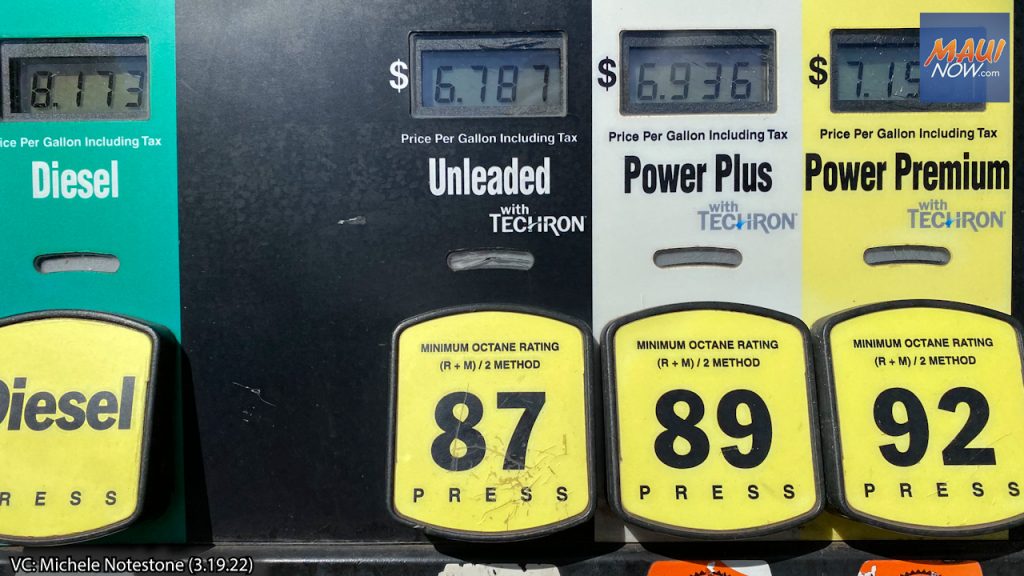
Hawaii stands apart from the mainland United States in many aspects, and the cost of gasoline is certainly one of them. Travelers quickly notice that fuel prices in the Aloha State are consistently among the highest in the nation. This elevated cost is a direct result of several intertwined economic and logistical factors, deeply impacting the overall travel budget for those planning to navigate the islands by car.
Why Gas is So Expensive in Hawaii
The primary drivers behind Hawaii’s high gas prices are a combination of its geographical isolation, reliance on imports, and a complex tax structure. As an archipelago located thousands of miles from the continental U.S., all crude oil and refined petroleum products must be shipped across vast oceanic distances. This intricate logistical chain involves significant transportation costs, which are inevitably passed on to the consumer. Unlike landlocked states that benefit from pipeline networks, Hawaii’s fuel supply is entirely dependent on maritime shipping, a process that adds layers of expense and time.
Furthermore, Hawaii imposes some of the highest state and county taxes on gasoline in the country. These taxes contribute substantially to the final price at the pump, supporting local infrastructure and public services. While necessary for the state’s operations, they undeniably inflate fuel costs for both residents and visitors alike. Additionally, the limited number of refineries on the islands, coupled with a smaller market size, means less competition among suppliers, which can also contribute to higher prices compared to more competitive mainland markets. Understanding these underlying factors helps travelers contextualize the prices they encounter and plan accordingly.
Average Gas Prices and Fluctuations
While exact prices fluctuate daily based on global oil markets and local demand, travelers can generally expect to pay anywhere from $4.50 to $6.00 per gallon for regular unleaded gasoline across the Hawaiian Islands. These figures are typically $1.00 to $2.00 higher than the national average at any given time. Premium and diesel fuels will naturally command even higher prices.
It’s important to monitor gas price trends closer to your travel date, using resources like GasBuddy or AAA to get the most up-to-date information. Prices can vary not only from month to month but also from island to island, and even between different regions on the same island. For instance, remote areas or those with limited gas stations might see slightly higher prices due to less competition and increased transportation costs to those specific locations. Planning your refueling stops strategically can make a small difference in your overall fuel expenditure.
Navigating Gas Prices Across the Hawaiian Islands
While the general rule is that gas is expensive in Hawaii, there are nuances between the different islands that travelers should be aware of. Each major island presents its own unique landscape, both geographically and economically, influencing local fuel costs and availability.
Island-Specific Differences: Oahu vs. Neighbor Islands
The island of Oahu, being the most populated and economically developed, often experiences slightly lower gas prices compared to the neighbor islands. This is primarily due to higher competition among numerous gas stations, closer proximity to major shipping ports, and a denser population that supports more frequent fuel deliveries. Cities like Honolulu and its famous Waikiki district have a higher concentration of service stations, which can drive prices down marginally.
In contrast, islands like Maui, Kauai, and the Big Island (also known as Hawaii Island) generally have higher fuel costs. These islands have fewer gas stations, longer internal transport distances, and less frequent deliveries, all contributing to elevated prices. Remote areas on these islands, such as the eastern side of Maui along the Hana Highway or the more rural parts of the Big Island near Volcanoes National Park or the Kona side, may have limited options and thus higher prices. Even smaller islands like Molokai and Lanai, while less frequently visited by rental car-driving tourists, would exhibit even more pronounced price differences due to extreme isolation and limited infrastructure.
Strategic Refueling and Planning
To mitigate the impact of high gas prices, strategic refueling is key. On Oahu, filling up your tank before heading out of Honolulu or Waikiki for a day trip around the island is a wise move. On the neighbor islands, it’s even more crucial to pay attention to your fuel gauge. Gas stations can be few and far between, especially when exploring scenic routes or venturing into national parks like Haleakala National Park on Maui or the aforementioned Volcanoes National Park on the Big Island.
Always plan your route and identify gas station locations in advance, especially before embarking on longer drives. Apps like GasBuddy are invaluable for finding the cheapest gas near your location or along your planned route. Don’t let your tank drop below a quarter full, particularly when exploring rural or less developed areas. Running out of gas in a remote part of Hawaii would not only be an inconvenience but could also be a costly mistake in terms of time and roadside assistance fees.
Strategies for Fueling Your Hawaiian Adventure

While gas prices in Hawaii may seem daunting, several strategies can help travelers manage their fuel budget effectively and enhance their overall experience. Smart planning before and during your trip can make a significant difference.
Choosing the Right Rental Car
The type of rental car you select can have a substantial impact on your fuel consumption. Opting for a fuel-efficient vehicle, such as a compact car, hybrid, or even an electric vehicle (if charging infrastructure aligns with your travel plans), can significantly reduce your gas expenses. While larger SUVs might seem appealing for hauling luggage or accommodating more passengers, their lower MPG ratings will translate to higher fuel costs over the duration of your trip. Consider the size of your party and the amount of luggage versus the fuel efficiency, especially if you plan on extensive driving. Rental car companies often highlight their fuel-efficient options, which are worth considering despite potentially slightly higher initial rental fees. The long-term savings at the pump often outweigh the upfront cost.
Efficient Driving Habits and Route Planning
Once you’ve chosen your vehicle, adopting fuel-efficient driving habits is the next step. Gentle acceleration, smooth braking, and maintaining a steady speed can drastically improve your gas mileage. Avoid excessive speeding, as it dramatically increases fuel consumption, particularly on highways. Using cruise control on flatter, less congested stretches of road can also help maintain efficiency.
Crucially, smart route planning minimizes unnecessary driving. Grouping attractions by geographical location allows you to explore an area thoroughly before moving on, reducing back-and-forth travel. Utilize GPS and mapping apps not only for navigation but also to identify the shortest or most efficient routes. Be mindful of traffic patterns, especially around urban centers like Honolulu, where rush hour congestion can lead to prolonged idling and increased fuel consumption. Planning your drives during off-peak hours can save both time and gas.
Leveraging Technology and Local Knowledge
Modern technology offers excellent tools for optimizing fuel use. As mentioned, apps like GasBuddy provide real-time gas prices, allowing you to locate the cheapest stations along your route. Some rental car companies also offer loyalty programs or specific apps that might provide discounts on fuel. Don’t hesitate to ask locals or hotel staff for recommendations on where to find better gas prices; they often have insider knowledge about community gas stations that might be less expensive than those prominently featured on main tourist routes. Additionally, inquire about local grocery store loyalty programs, as some offer points that can be redeemed for discounts at affiliated gas stations.
Beyond the Pump: Alternative Transportation in Hawaii
While a rental car offers unparalleled freedom, it’s not the only way to explore the beauty of Hawaii. For some travelers, or for specific parts of their itinerary, alternative transportation methods can offer cost savings, unique experiences, and a reduced carbon footprint.
Public Transportation Options
Each major island offers some form of public transportation, though their extent and efficiency vary. Oahu boasts “TheBus,” an extensive and affordable public bus system serving most major areas, including Honolulu and Waikiki. It’s a fantastic option for day trips to attractions like Pearl Harbor or the North Shore without the hassle of parking or high gas costs. Fares are reasonable, and multi-day passes are often available.
On islands like Maui and the Big Island, public bus systems are less comprehensive, primarily serving commuter routes between major towns like Kahului and Lahaina on Maui, or Hilo and Kona on the Big Island. While they might not reach every tourist attraction, they can be useful for travel between specific urban centers, allowing you to rent a car for shorter periods or for specific excursions.
Ride-Sharing, Taxis, and Shuttles
For shorter distances or when you prefer not to drive, ride-sharing services like Uber and Lyft are readily available in more populated areas, especially on Oahu, Maui, and the Big Island. Taxis are also an option, particularly from airports and major hotels, though they tend to be more expensive than ride-sharing.
Airport shuttle services are highly recommended for transfers to and from your accommodation, especially if you’re staying in popular areas like Waikiki. Many resorts also offer complimentary shuttle services to nearby attractions, shopping centers, or even inter-resort travel, which can help minimize your driving needs. Leveraging these services can provide flexibility and reduce reliance on a personal vehicle.

Biking, Walking, and Tours
For localized exploration, especially in pedestrian-friendly areas like Waikiki, walking is an excellent way to soak in the atmosphere and save on transportation costs. Many hotels offer bike rentals, and dedicated bike paths are increasingly common, particularly on Maui and parts of Kauai. Exploring on two wheels offers a different perspective and can be a fantastic way to cover short to medium distances.
Finally, consider booking organized tours for specific attractions or experiences. Many tours include transportation from your hotel, eliminating the need for a rental car for that particular outing. This is especially beneficial for remote destinations like the sunrise experience at Haleakala National Park or excursions to the Na Pali Coast on Kauai. While tours have their own costs, they can simplify logistics and remove the burden of driving, parking, and fueling up in unfamiliar territories.
In conclusion, while “How Much Gas In Hawaii?” is a valid and important question for any traveler, a combination of informed planning, strategic choices, and an openness to alternative transportation methods can ensure that fuel costs do not overshadow the incredible experience of visiting the Hawaiian Islands. By understanding the unique fuel landscape and implementing smart travel tactics, you can enjoy the freedom of exploration while keeping your budget in check.
LifeOutOfTheBox is a participant in the Amazon Services LLC Associates Program, an affiliate advertising program designed to provide a means for sites to earn advertising fees by advertising and linking to Amazon.com. Amazon, the Amazon logo, AmazonSupply, and the AmazonSupply logo are trademarks of Amazon.com, Inc. or its affiliates. As an Amazon Associate we earn affiliate commissions from qualifying purchases.