
The allure of owning a piece of paradise in Hawaii is a powerful dream for many. With its breathtaking landscapes, vibrant culture, and year-round tropical climate, the idea of calling Hawaii home is undeniably appealing. However, transforming this dream into a reality often comes with a significant financial consideration: the cost of a house. Understanding the nuances of the Hawaiian real estate market is crucial for anyone contemplating a long-term stay or permanent move to this unique island state. From the bustling urban environment of Oahu to the serene, untouched beauty of Kauai, housing prices vary dramatically, influenced by a complex interplay of demand, limited land, and unique geographical factors. This article will delve into what prospective homeowners can expect when exploring the housing market in Hawaii.
The Lure of Hawaiian Homeownership: A Dream or a Reality?
The image of waking up to the sound of waves, surrounded by lush greenery, and basking in the warmth of the Pacific sun is a potent fantasy. For many, Hawaii represents more than just a vacation destination; it embodies a desired lifestyle, a slower pace, and a deep connection to nature. This profound attraction translates directly into high demand for housing, making the market exceptionally competitive and, consequently, expensive.
A Tropical Paradise Dream
The dream of a Hawaiian home is often rooted in the unparalleled natural beauty the islands offer. Imagine living just a short drive from pristine beaches like Waikiki Beach on Oahu, or having access to the dramatic cliffs of the Na Pali Coast on Kauai. The lifestyle associated with Hawaii is one of outdoor activity, cultural richness, and a strong sense of community. For those seeking a long-term stay, whether for retirement, remote work, or raising a family, the appeal of this environment is immense. The year-round warmth eliminates the need for heavy winter clothing and opens up endless opportunities for surfing, hiking, diving, and exploring.
More Than Just a Vacation Spot
While millions visit Hawaii each year for short-term getaways, a growing number are looking to establish a more permanent presence. This shift from transient tourism to long-term residency underscores the unique accommodation challenges of the islands. Homeownership in Hawaii offers a deep immersion into the local culture, a chance to become part of an ‘ohana (family), and to contribute to the local economy. It represents a commitment to a different way of life, one that values sustainability, community, and the profound beauty of the natural world. However, this commitment comes with a significant financial gateway, making it imperative to understand the underlying market dynamics.
Understanding the Hawaiian Real Estate Landscape
The real estate market in Hawaii is notoriously one of the most expensive in the United States. This isn’t merely anecdotal; data consistently shows median home prices far exceeding the national average. Several unique factors contribute to this elevated cost structure, making it a market unlike any other.
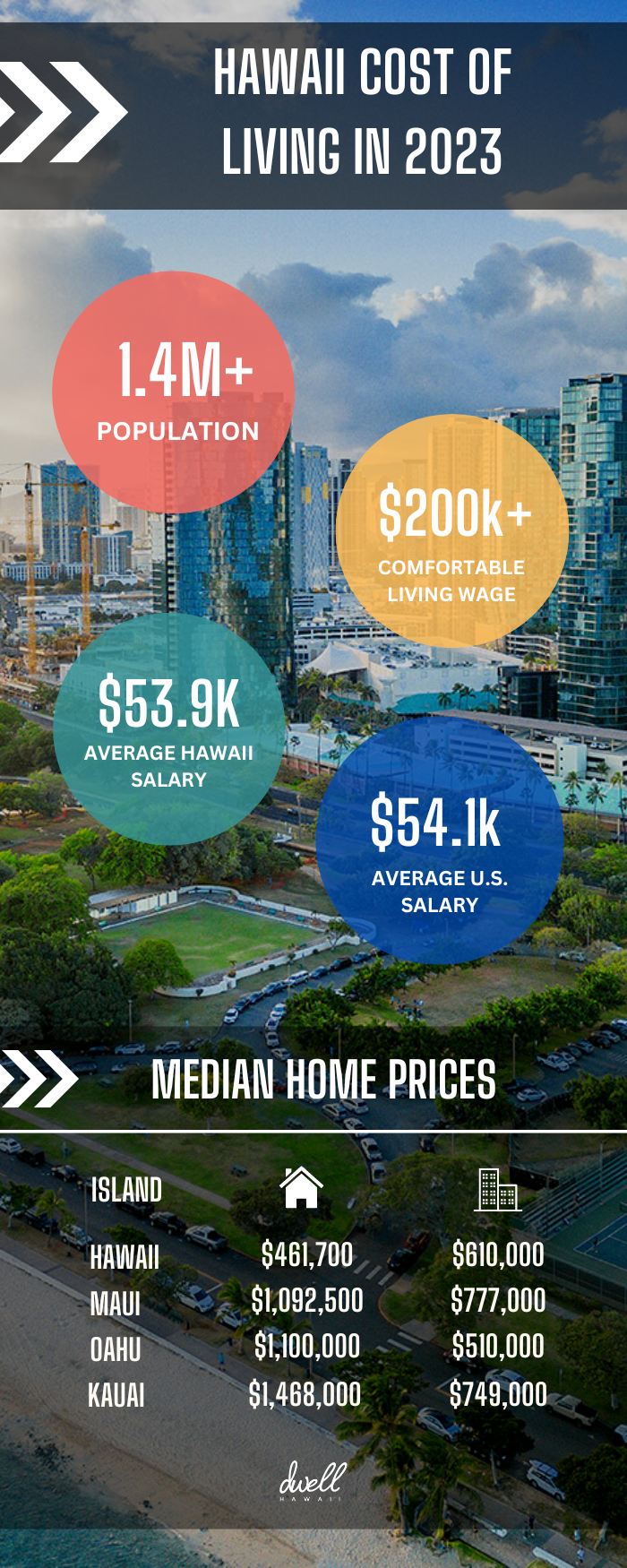
Median Home Prices Across the Islands
While Hawaii as a whole is expensive, housing costs can vary significantly from one island to another, and even within different communities on the same island.
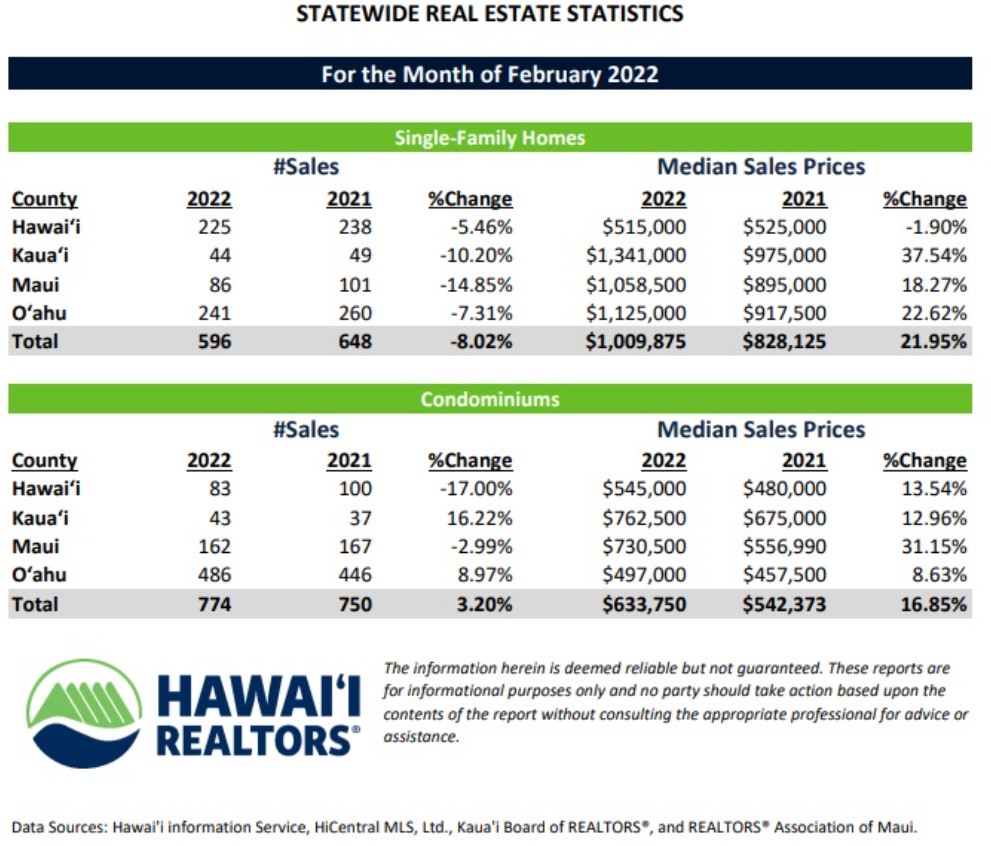
- Oahu: As the most populous island and home to the capital city of Honolulu, Oahu typically has the highest median single-family home prices. Areas like Kailua and Kahala are particularly sought after, driving prices even higher. Condominiums offer a relatively more affordable entry point into the Oahu market, especially in urban centers.
- Maui: Known for its luxurious resorts and stunning beaches, Maui also boasts a premium real estate market. Areas such as Wailea and Kapalua command some of the highest prices globally, catering to an affluent clientele seeking high-end vacation homes or permanent residences.
- Big Island (Island of Hawaii): Generally, the Big Island tends to be more affordable than Oahu or Maui, though prices have been steadily rising. The vastness of the island means greater diversity in property types and locations, from oceanfront estates in Kona to more rural properties in Puna. Volcanic activity and lava zones also play a role in property values and insurance costs in certain areas.
- Kauai: The “Garden Isle” maintains a high value due to its pristine natural environment and more relaxed pace. While perhaps not reaching the absolute peak prices of some Maui luxury enclaves, Kauai housing remains expensive, particularly in desirable areas like Poipu or the North Shore.
As of early 2024, median single-family home prices across the state hover significantly above the national average, often exceeding $1 million in major counties. Condominiums provide a more accessible alternative, but still command prices that are high compared to mainland markets.
Factors Driving High Costs
The reasons behind Hawaii’s steep housing costs are multifaceted:
- Limited Land Availability: As an island state, Hawaii has a finite amount of developable land. Much of the land is protected for agricultural use, conservation, or is challenging to build on due to topography. This scarcity fundamentally drives up property values.
- High Demand: The desirability of living in Hawaii creates constant demand from both local residents and mainland buyers, including retirees, investors, and those seeking second homes.
- Construction Costs: Building materials must be shipped to the islands, significantly increasing construction expenses. Labor costs are also higher due to the elevated cost of living for workers. Permitting and regulatory processes can also add time and expense.
- Strict Zoning and Environmental Regulations: Efforts to preserve Hawaii’s natural beauty and agricultural lands mean stringent zoning laws, which limit new development and contribute to the scarcity of available housing.
- Geographic Isolation: The remote location contributes to higher costs for almost everything, from transportation to goods and services, which ultimately impacts housing prices and the cost of living.
Deconstructing the Costs: Beyond the Sticker Price
The advertised price of a home is just the beginning of the financial journey for a prospective homeowner in Hawaii. There are numerous other expenses, both upfront and ongoing, that must be factored into the overall cost of long-term accommodation.
Upfront Costs
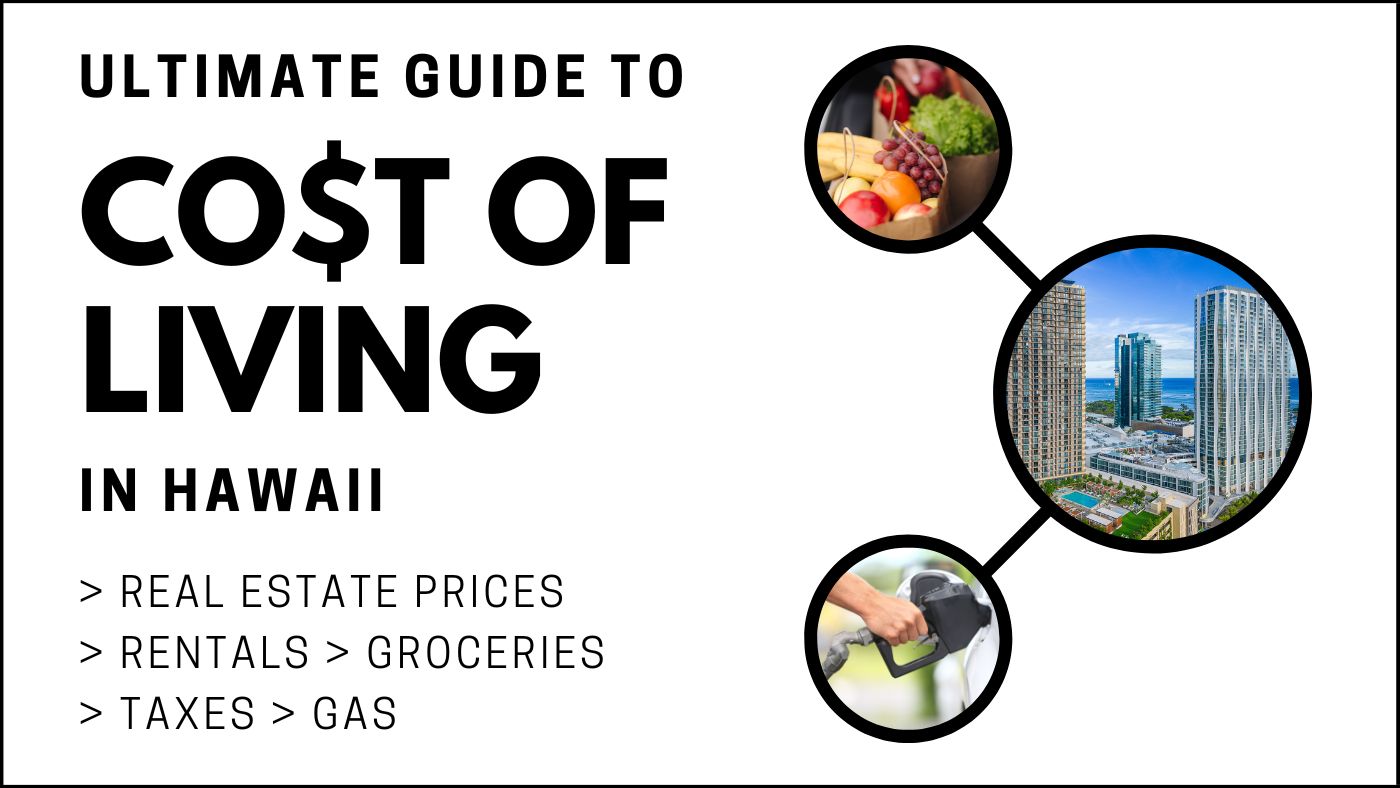
Beyond the down payment, which is typically 20% or more of the purchase price, buyers face several significant upfront expenditures:
- Closing Costs: These can range from 2% to 5% of the home’s value and include a variety of fees such as escrow fees, title insurance, appraisal fees, loan origination fees, attorney fees, and recording fees.
- Property Taxes: While Hawaii boasts some of the lowest property tax rates in the United States as a percentage of home value, the high home values mean the actual dollar amount can still be substantial, especially for non-owner-occupied properties where rates are often higher. Taxes are assessed annually by the respective counties (Honolulu County, Maui County, Hawaii County, Kauai County).
Ongoing Expenses
Once the keys are in hand, the financial obligations continue:
- Homeowners Insurance: Due to its geographic location, Hawaii is susceptible to natural disasters such as hurricanes, tsunamis, and volcanic activity (on the Big Island). Consequently, homeowners insurance premiums can be significantly higher than on the mainland, often requiring separate policies for wind, flood, and sometimes even lava coverage.
- Homeowners Association (HOA) Fees: Many homes, especially condominiums, townhouses, and properties within planned communities, are subject to HOA fees. These fees cover maintenance of common areas, amenities (pools, gyms), and sometimes even utilities. In Hawaii, these fees can be substantial, often hundreds or even over a thousand dollars per month, reflecting the high cost of maintaining property in a tropical environment.
- Utilities: Electricity costs in Hawaii are among the highest in the nation due to reliance on imported oil for power generation. Water and sewer costs can also be considerable. Many residents invest in solar panels to offset electricity expenses in the long run.
- Maintenance and Repairs: The tropical climate, with its humidity and salt air, can take a toll on homes. Regular maintenance is crucial, and unexpected repairs can be more expensive due to higher labor and material costs. Termite control is a particular concern.
The Impact of Interest Rates
Like any real estate market, interest rates play a critical role in the affordability of homes in Hawaii. Even a slight increase in interest rates can add hundreds of dollars to a monthly mortgage payment, making an already expensive purchase even more challenging. Prospective buyers should always consider the prevailing interest rates and their long-term impact on overall housing costs.
Navigating the Market: Tips for Prospective Buyers
For those determined to achieve their dream of Hawaiian homeownership, navigating this unique market requires careful planning, local expertise, and an open mind.
Working with Local Real Estate Agents
Engaging a knowledgeable local real estate agent is paramount. A good agent will have an intimate understanding of specific neighborhoods, zoning laws, property history, and the nuances of buying property on each island. They can provide invaluable insights into market trends, guide you through the complex paperwork, and connect you with local lenders, inspectors, and contractors who understand the unique Hawaiian environment. Look for agents with strong connections to the community and a proven track record in your desired area.
Exploring Different Island Markets
Don’t limit your search to just one island if your preferences allow. While Oahu and Maui are often the first choices, the Big Island and Kauai offer distinct lifestyles and potentially different price points. Even within an island, explore various communities. For example, inland areas or smaller towns might offer more affordable options than prime beachfront locations. Researching average prices, amenities, and lifestyle on each island will help narrow down your search and maximize your budget.
Considering Alternative Housing Options
Traditional single-family homes are not the only option for long-term accommodation.
- Condominiums and Townhouses: These often present a more affordable entry point into the Hawaiian housing market, especially in denser urban areas like Honolulu. They typically come with HOA fees, but these cover exterior maintenance, which can be a significant advantage in a tropical climate.
- Leasehold vs. Fee Simple: A unique aspect of Hawaiian real estate is the prevalence of leasehold properties. With a fee simple property, you own both the land and the structure. With leasehold, you own the structure but lease the land from a landowner for a specific period (e.g., 50-99 years). Leasehold properties are significantly cheaper upfront but come with different financial considerations, such as escalating lease rents and the eventual expiry of the lease. Understanding the pros and cons of each is crucial.
- Fractional Ownership/Time-shares: While not traditional homeownership, these can offer a way to have a dedicated long-term stay experience without the full financial commitment, though they come with their own set of rules and limitations.
Is Hawaiian Homeownership Right for You?
The decision to buy a house in Hawaii is a deeply personal one, weighing financial realities against lifestyle aspirations. It requires a clear understanding of both the investment and the dividends.
Weighing the Investment
Financially, buying a house in Hawaii is a substantial investment. The high purchase price, combined with elevated ongoing costs, means a considerable long-term financial commitment. Prospective buyers should have a robust financial plan, including a healthy down payment, emergency funds, and a realistic budget for ongoing expenses. While Hawaiian real estate has historically appreciated, like any investment, market fluctuations can occur. It’s essential to view it as a long-term commitment rather than a quick return. Consider the potential for rental income if you plan to be away for periods, but be aware of local regulations regarding short-term rentals, which are becoming increasingly strict in many areas.
The Lifestyle Dividend
Beyond the financial spreadsheet, the true value of Hawaiian homeownership lies in the lifestyle dividend. For those who are deeply drawn to the unique blend of culture, community, and natural beauty, the investment can be priceless. Living in Hawaii means embracing a slower pace, connecting with the ‘āina (land), and immersing oneself in a diverse and welcoming community. It means a life filled with outdoor adventures, cultural festivals, and the daily wonder of a tropical paradise. While the financial barriers are significant, for those who can navigate them, a home in Hawaii offers a quality of life that few other places in the world can match, truly making it a dream destination for long-term accommodation.
LifeOutOfTheBox is a participant in the Amazon Services LLC Associates Program, an affiliate advertising program designed to provide a means for sites to earn advertising fees by advertising and linking to Amazon.com. Amazon, the Amazon logo, AmazonSupply, and the AmazonSupply logo are trademarks of Amazon.com, Inc. or its affiliates. As an Amazon Associate we earn affiliate commissions from qualifying purchases.