
Florida, often dubbed the Sunshine State, beckons with its pristine beaches, vibrant cities, and endless recreational opportunities. For many considering a move, an extended stay, or simply understanding the economic backdrop that shapes the lifestyle here, a fundamental question arises: What is the average pay in Florida? Understanding the economic landscape is crucial, as it directly influences everything from daily living expenses to the feasibility of a luxurious getaway or a budget-friendly family trip. This insight provides a foundational understanding for navigating the diverse lifestyles that Florida offers, whether you’re a long-term resident, a potential relocator, or a discerning traveler planning your next adventure.

Understanding Florida’s Economic Landscape
The economic fabric of Florida is as diverse as its geography, ranging from bustling metropolitan centers to serene coastal towns and agricultural heartlands. This diversity significantly impacts the average pay across the state, creating a complex picture that defies a single, simple figure. Unlike states dominated by one or two major industries, Florida boasts a broad economic base, which contributes to both opportunities and variations in earning potential.
Key Industries and Their Influence
Florida’s economy is powered by several robust sectors, each with distinct wage structures. Tourism and hospitality undoubtedly stand out as major employers, encompassing everything from theme parks and resorts to restaurants and retail. While these industries create a wealth of jobs, particularly in service roles, the average pay can sometimes skew lower for entry-level or seasonal positions. However, management, specialized culinary roles, and entertainment positions within this sector can command significantly higher salaries.
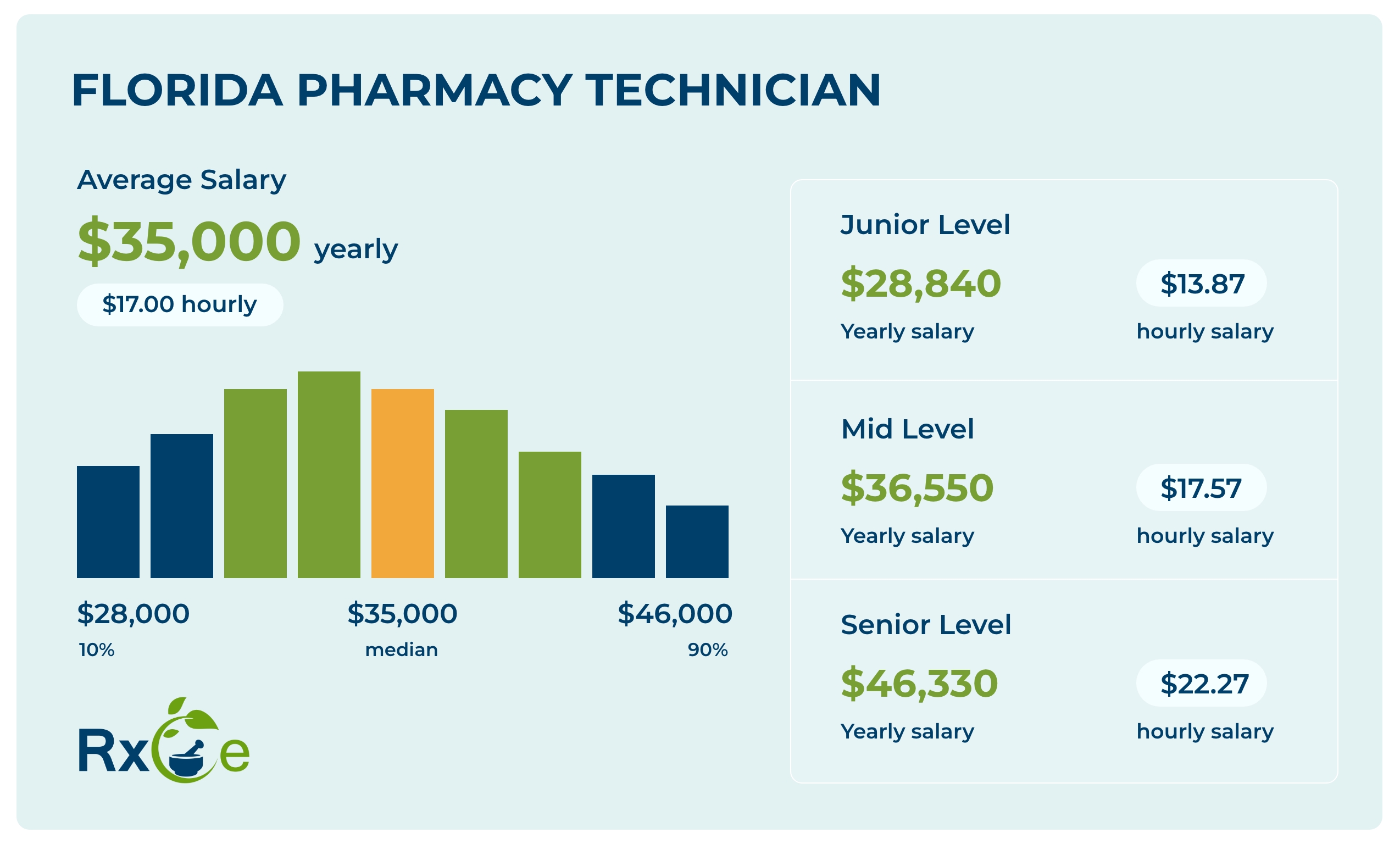
Beyond tourism, other crucial industries drive the state’s economy. Healthcare is a burgeoning sector, with a growing demand for nurses, doctors, and allied health professionals, often offering competitive salaries. Technology and innovation are also on the rise, particularly in cities like Orlando and Miami, attracting talent in software development, engineering, and IT, which typically come with above-average compensation packages. Real estate and construction remain vital, given the state’s continuous population growth, while agriculture, logistics, and international trade (especially through ports like PortMiami and Port Everglades) also contribute substantially to employment and overall economic activity. Each of these sectors presents a unique set of career paths and earning potentials, collectively shaping the state’s average pay.
Regional Wage Variations Across Florida
Florida is not a monolith when it comes to wages. The average pay can vary dramatically depending on the specific region or city. Metropolitan areas generally offer higher wages due to a greater concentration of businesses, diverse job opportunities, and often a higher cost of living. For instance, cities in South Florida like Miami, Fort Lauderdale, and Palm Beach often report higher average salaries, particularly in finance, international business, and specialized medical fields.
Similarly, the Orlando area, driven by its massive tourism industry and growing tech sector, presents a dynamic job market with varied pay scales. The Tampa Bay area, encompassing Tampa, St. Petersburg, and Clearwater, is another economic powerhouse, particularly strong in healthcare, finance, and logistics. In contrast, more rural or less densely populated areas might have lower average wages, often reflecting a different industry mix or a lower cost of living. Understanding these regional disparities is crucial for anyone evaluating the financial aspects of a Florida lifestyle, as a seemingly good salary in one part of the state might feel less substantial in another.
Average Income and the Cost of Living in the Sunshine State
While understanding the average pay is vital, it’s only half the equation. To truly grasp the lifestyle one can afford in Florida, it’s imperative to consider the cost of living. What a salary can buy in terms of housing, transportation, groceries, and leisure activities ultimately defines the quality of life. Florida generally boasts a competitive cost of living compared to some other major coastal states, largely due to the absence of a state income tax. However, other expenses, particularly housing in desirable areas, can quickly add up.
Affordability for Residents and Relocators
For those looking to make Florida their home, affordability is a primary concern. The state’s appeal often lies in its blend of economic opportunity and lifestyle benefits, but these need to be weighed against daily expenses. Housing is arguably the most significant factor in the cost of living equation. While rural and inland areas might offer more affordable housing options, highly sought-after coastal communities and major metropolitan centers like Miami and Sarasota can have real estate prices comparable to or even exceeding national averages.
Beyond housing, the cost of utilities, groceries, and transportation plays a role. While gas prices generally align with national averages, the need for air conditioning for a significant portion of the year can lead to higher electricity bills. Property insurance, especially in hurricane-prone areas, can also be a notable expense. For potential relocators, it’s crucial to research the specific city or region they are considering, as the overall cost of living index can vary substantially from one part of Florida to another. A salary that provides a comfortable lifestyle in, say, Jacksonville might feel stretched thin in Key West.
Budgeting for a Florida Lifestyle
Effective budgeting is key to enjoying the full spectrum of a Florida lifestyle, regardless of one’s income level. With careful planning, even an average pay can open doors to exciting experiences and comfortable living. Beyond essential expenses, residents and visitors alike will want to budget for Florida’s unique recreational opportunities. This includes everything from theme park visits, which can be a significant cost, to more budget-friendly activities like exploring state parks, enjoying free beach access, or attending local festivals.
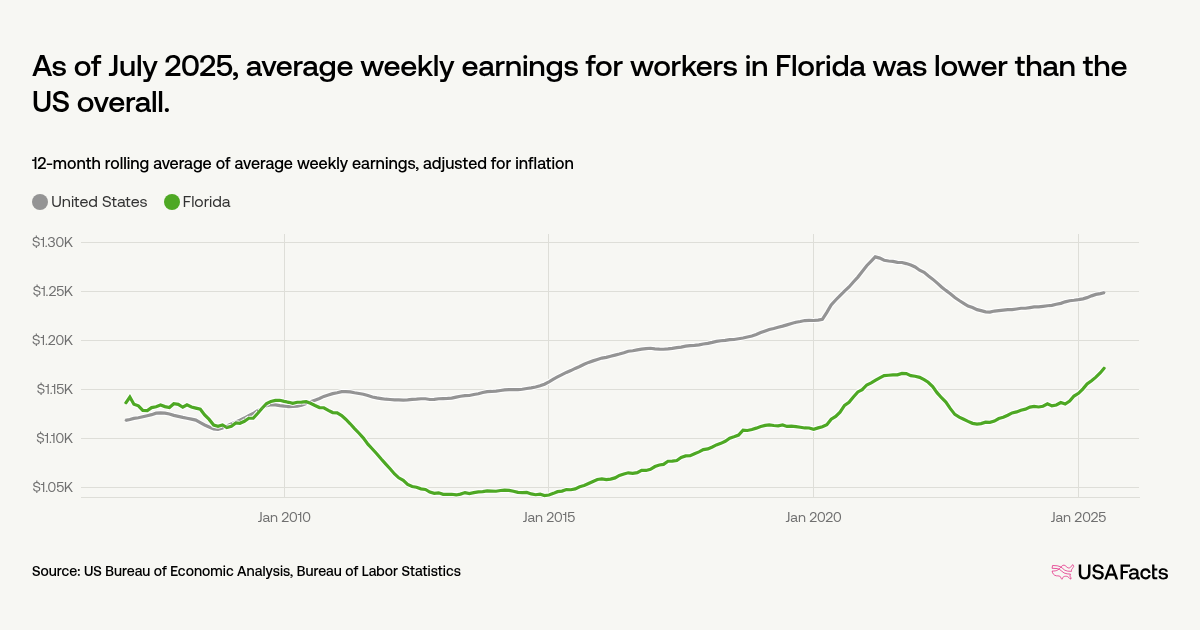
Transportation costs should also be factored in; while many Florida cities are car-dependent, some larger areas offer public transit options. Moreover, understanding tax implications – particularly property taxes and sales tax – is essential for a comprehensive budget. For those earning an average wage, strategic choices in housing location, food shopping, and entertainment can significantly impact disposable income, freeing up funds for travel within the state or indulging in Florida’s renowned dining and leisure scene. The goal is to maximize the Sunshine State experience without overstretching financial resources.
Impact on Lifestyle Choices: From Daily Living to Travel
The average pay in Florida is not just a statistic; it’s a determinant of lifestyle. It influences the type of neighborhood one can reside in, the quality of amenities accessible, and the extent to which one can indulge in the state’s famous attractions and diverse travel opportunities. From choosing between a quaint beachfront cottage and a bustling downtown apartment to planning a luxurious cruise or a thrifty weekend getaway, income plays a pivotal role.
Funding Florida Adventures: Luxury vs. Budget Travel
Florida is a playground for all types of travelers, and your income bracket significantly shapes the kind of adventures you can embark on. For those with an above-average income, luxury travel in Florida becomes an accessible reality. This might involve staying at five-star resorts in Naples or South Beach, chartering a yacht for a weekend in the Florida Keys, enjoying gourmet dining experiences in Miami, or frequenting exclusive golf courses. These experiences, while unforgettable, naturally come with a higher price tag.
Conversely, an average or below-average income necessitates a more budget-conscious approach to travel, yet Florida still offers a wealth of incredible experiences. This might mean opting for vacation rentals or more affordable hotels, exploring state parks and natural springs (many with low or no entry fees), enjoying public beaches, and dining at local, inexpensive eateries. Public transportation or carpooling can save on travel costs, and visiting attractions during off-peak seasons can often yield significant savings. The key is smart planning and prioritizing experiences that align with one’s financial capacity, ensuring that the magic of Florida is accessible to all.
Residential Lifestyle: Urban vs. Suburban vs. Coastal Living
The average pay also dictates residential lifestyle choices within Florida. The dream of coastal living, with its stunning ocean views and direct beach access, often comes with a premium price tag. Areas like Miami Beach, Sarasota, and the Emerald Coast are highly desirable but typically require higher incomes to afford the associated housing costs and property taxes.
Urban living in major cities like Tampa, Orlando, or downtown Jacksonville offers proximity to cultural attractions, dining, and employment centers, but often entails higher rent or property values compared to suburban areas. For those with average incomes, suburban communities often provide a sweet spot, balancing affordability with good schools, family-friendly amenities, and reasonable commutes to urban centers. These areas allow for a comfortable lifestyle, often with larger homes and yards, without the premium associated with prime urban or coastal real estate. Understanding the interplay between average pay and housing costs is fundamental to shaping one’s day-to-day lifestyle in the Sunshine State.
Navigating Employment Opportunities in Florida
For those considering a move to Florida or current residents looking to advance their careers, understanding the employment landscape is paramount. The state’s dynamic economy constantly creates new opportunities, but knowing where to look and how to prepare can significantly impact one’s earning potential and overall lifestyle quality.
High-Demand Sectors and Growth Areas
As discussed, Florida’s economy is diverse, but certain sectors consistently show high demand for skilled workers and offer promising growth trajectories. Healthcare is perhaps the most prominent, fueled by a growing and aging population. Nursing, medical specialties, and healthcare administration are fields with robust demand and competitive salaries. The technology sector, particularly in the Orlando- Tampa corridor and South Florida, is another hotbed for talent, with significant opportunities in software development, cybersecurity, and fintech.
Logistics and trade, benefiting from Florida’s strategic position as a gateway to Latin America and its extensive port infrastructure, are also expanding, creating jobs in supply chain management, warehousing, and transportation. Furthermore, the construction and real estate development industries continue to thrive to accommodate the state’s rapid growth. Identifying these high-demand sectors can guide career decisions, helping individuals align their skills with areas offering the best earning potential and career longevity in Florida.
Resources for Job Seekers and Career Advancement
Navigating the job market in Florida can be made easier with the right resources. The state offers numerous channels for job seekers, from online portals like Employ Florida to local career centers that provide assistance with resume building, interview skills, and job placement. Networking within specific industries, attending career fairs, and leveraging professional organizations can also be highly effective strategies.
For career advancement, continuous learning and skill development are crucial. Florida is home to a robust network of public and private universities, community colleges, and vocational schools that offer programs tailored to the needs of the local economy. Investing in further education or certifications can open doors to higher-paying positions, particularly in specialized fields like healthcare IT, advanced manufacturing, or environmental sciences. Ultimately, understanding the average pay in Florida is just the starting point; actively engaging with the job market and continuously investing in one’s professional development are key to securing a fulfilling and financially rewarding lifestyle in the Sunshine State.
LifeOutOfTheBox is a participant in the Amazon Services LLC Associates Program, an affiliate advertising program designed to provide a means for sites to earn advertising fees by advertising and linking to Amazon.com. Amazon, the Amazon logo, AmazonSupply, and the AmazonSupply logo are trademarks of Amazon.com, Inc. or its affiliates. As an Amazon Associate we earn affiliate commissions from qualifying purchases.