
For many travelers dreaming of a Hawaiian escape, the shimmering beaches, lush volcanic landscapes, and vibrant culture are the primary focus. However, an often-overlooked yet critical aspect of budgeting and planning for a trip to the Aloha State is the cost of transportation, specifically gasoline. Understanding how much you’ll pay at the pump in Hawaii is essential for anyone planning to explore the islands independently, from scenic drives along the Road to Hana on Maui to historical tours around Oahu or volcanic adventures on the Big Island. Hawaii consistently ranks among the states with the highest fuel prices in the United States, a factor that can significantly impact a traveler’s budget and overall experience. This comprehensive guide will delve into the nuances of gasoline costs in Hawaii, explore the reasons behind these elevated prices, and offer practical advice for navigating the islands without breaking the bank on fuel. By being informed, you can better allocate your travel funds, ensuring your Hawaiian adventure is as smooth and enjoyable as possible.
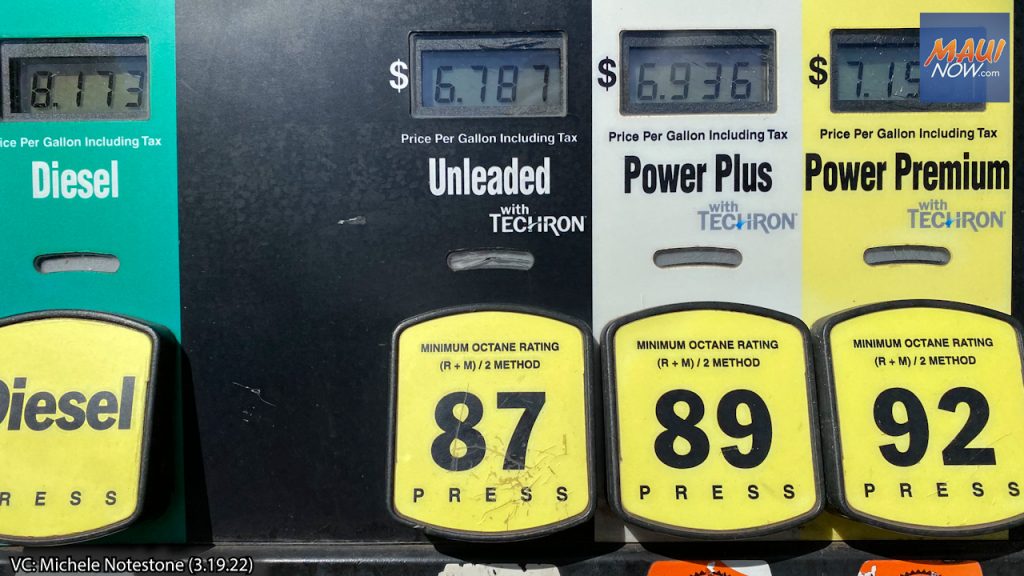
The Unique Economics Behind Hawaii’s High Fuel Costs
Hawaii’s geographical isolation and unique economic landscape create a perfect storm for elevated gasoline prices, distinguishing it significantly from the continental U.S. Several intertwined factors contribute to this consistent trend, making it a critical consideration for any traveler planning an itinerary that involves driving.
Island Isolation and Logistics
The most fundamental reason for Hawaii’s high gas prices stems from its remote location in the middle of the Pacific Ocean. Unlike mainland states where fuel can be transported relatively easily via pipelines, trucks, or trains, all of Hawaii’s crude oil and refined petroleum products must be shipped thousands of miles by sea. This transoceanic journey involves substantial shipping costs, insurance, and the logistical complexities of transporting a volatile commodity. Once crude oil arrives, it is typically refined on Oahu and then distributed to the other islands—Maui, the Big Island, and Kauai—which incurs additional inter-island shipping expenses. Each leg of this journey adds to the final price consumers pay at the pump. The limited number of refineries and distributors further concentrates market power, which can also influence pricing.
State and County Taxes
Like all states, Hawaii imposes taxes on gasoline, but its cumulative tax burden is among the highest nationally. These taxes include federal excise taxes, state fuel taxes, and additional county-specific taxes. While these taxes fund critical infrastructure projects and public services, they undeniably add a significant layer to the per-gallon cost. For example, Honolulu County, which includes the island of Oahu, often has slightly different tax structures than other counties, leading to minor variations in price across the islands. Keeping abreast of the latest tax rates can offer a partial explanation for price discrepancies you might observe between different Hawaiian islands or even within different areas of the same island.
Local Demand and Tourism Impact
Hawaii’s economy is heavily reliant on tourism, which, while beneficial in many ways, also contributes to higher demand for gasoline. Rental cars are ubiquitous, with visitors frequently driving to explore attractions such as Waikiki, Pearl Harbor, or the scenic overlooks along the Kona Coast. This consistent, high demand from both residents and the millions of tourists who visit annually puts upward pressure on prices. Furthermore, the limited physical space on the islands means fewer gas stations per capita compared to the mainland, which can also influence pricing dynamics. When demand is high and supply is constrained by logistics and infrastructure, prices naturally tend to climb.
Navigating the Islands: Practical Tips for Saving on Gas
Given the high cost of fuel in Hawaii, strategic planning can significantly mitigate its impact on your travel budget. Embracing smart driving habits and transportation choices can transform your experience from a costly chore into a more economical and even more immersive adventure.
Choose Your Rental Car Wisely
When booking a rental car, opt for fuel-efficient models. While a convertible might seem iconic for cruising Maui’s coastal roads, its fuel economy might not be the best. Compact cars, hybrids, or even electric vehicles (if charging infrastructure is accessible for your itinerary) can offer substantial savings over the duration of your trip. Consider the size of your travel party and luggage: a smaller vehicle is often sufficient and more economical for two to four people. Always factor in the estimated daily fuel consumption when comparing rental rates, as a slightly more expensive rental with better mileage could save you money overall.
Plan Your Routes and Group Activities
Spontaneous drives are part of the fun, but in Hawaii, efficiency is key. Before heading out, map your daily itinerary to minimize unnecessary driving. Combine attractions that are in close proximity, and consider tackling activities in specific regions of an island on the same day. For example, if you’re on Oahu, dedicate one day to the North Shore and another to the eastern coast, avoiding crisscrossing the island multiple times. Carpooling with fellow travelers or friends can also split fuel costs, making longer drives to remote spots like the Na Pali Coast lookout on Kauai much more affordable.

Utilize Gas Price Comparison Apps
Before filling up, leverage technology. Apps like GasBuddy or Google Maps often provide real-time gas prices at stations nearby. A quick check can reveal significant price differences even within a few miles, allowing you to choose the most economical option. While the savings per gallon might seem small, they add up over a week-long trip, especially if you’re exploring multiple islands or covering extensive distances. Filling up in urban centers like Honolulu or Kailua-Kona might sometimes be cheaper than in more remote areas, where competition is limited.
Beyond the Pump: Alternatives to Driving in Hawaii
While a rental car offers unparalleled freedom, it’s not always the only or best option for exploring Hawaii. Diverse transportation alternatives can not only save you money on gasoline but also provide unique perspectives on the islands.
Embrace Public Transportation
On Oahu, “TheBus” offers an extensive and reliable public transportation network covering most major tourist areas, including Waikiki, Diamond Head, and even to the North Shore. A day pass or multi-day pass can be incredibly cost-effective. While public transport options are less comprehensive on other islands, some, like Maui’s Maui Bus, connect key towns and resorts such as Lahaina and Wailea. Utilizing these services for parts of your trip can reduce your reliance on a rental car and thus, your fuel expenditure.
Explore Shuttle Services and Ride-Shares
Many resorts and hotels, particularly in popular tourist hubs like Kaanapali on Maui or Waikiki on Oahu, offer complimentary shuttle services to nearby attractions, shopping centers, or even airports. Inquire about these options when booking your accommodation. Ride-sharing services like Uber and Lyft are also widely available in metropolitan areas and can be convenient for shorter distances or when you prefer not to drive. While not always cheaper than a rental for extensive touring, they can be a good alternative for specific outings, especially if you factor in parking costs.
Discover by Foot, Bike, or Tour
Some of Hawaii’s most captivating experiences are best enjoyed without a car. Exploring vibrant areas like Honolulu’s historic downtown, the charming streets of Paia, or the beachfront paths of Waikoloa on foot allows for a more intimate engagement with the local culture. Bicycle rentals are available on all islands, offering an eco-friendly way to see coastal paths or town centers. For excursions to remote or complex destinations, consider booking an organized tour. Companies offering trips to the Haleakala crater, Volcanoes National Park, or Waimea Canyon typically include transportation, allowing you to relax and enjoy the scenery without worrying about navigation or fuel costs.
Budgeting for Your Hawaiian Road Trip
Incorporating the cost of gasoline into your overall travel budget from the outset is a crucial step for a stress-free Hawaiian vacation. Rather than being surprised by the pump prices, a well-informed approach allows for more accurate financial planning.
Start by estimating your anticipated mileage. If you plan extensive drives, such as circumnavigating Maui or exploring the entire Big Island, your fuel costs will naturally be higher. Research average gas prices for the specific island you’re visiting—prices can vary. A good rule of thumb is to allocate a daily fuel budget that is considerably higher than what you might typically spend at home, perhaps 1.5 to 2 times more per gallon, assuming a standard daily driving distance.
Consider purchasing a pre-paid fuel option from your rental car company with caution. While convenient, these options are often priced above market rates. It’s usually more economical to fill up the tank yourself before returning the vehicle, utilizing the gas price apps mentioned earlier. Factor in potential fluctuations in gas prices; global events can impact fuel costs, so leaving a buffer in your budget is always wise. By proactively addressing gasoline expenses, you ensure that your focus remains on the breathtaking beauty and unique experiences that make a Hawaiian vacation truly unforgettable, rather than on the rising numbers at the fuel pump.

Conclusion: Driving Smart in Paradise
Exploring the stunning landscapes and diverse attractions of Hawaii by car offers an unparalleled sense of freedom and adventure. However, the reality of high gasoline prices is an undeniable aspect of travel in the Aloha State. By understanding the unique economic factors that drive these costs—from geographical isolation and intricate logistics to state taxes and robust tourist demand—travelers can better prepare their budgets. More importantly, by adopting smart strategies such as selecting fuel-efficient vehicles, meticulously planning routes, utilizing price comparison tools, and embracing public transport or tour alternatives, you can significantly mitigate the impact of fuel expenses. A well-planned approach to transportation ensures that your Hawaiian journey remains focused on its natural splendor and cultural richness, allowing you to savor every moment without unnecessary financial stress. Drive smart, explore widely, and immerse yourself fully in the magic of the islands, knowing you’ve navigated the practicalities with savvy foresight.
LifeOutOfTheBox is a participant in the Amazon Services LLC Associates Program, an affiliate advertising program designed to provide a means for sites to earn advertising fees by advertising and linking to Amazon.com. Amazon, the Amazon logo, AmazonSupply, and the AmazonSupply logo are trademarks of Amazon.com, Inc. or its affiliates. As an Amazon Associate we earn affiliate commissions from qualifying purchases.