
When planning a trip to Hawaii, visions of pristine beaches, lush rainforests, and vibrant culture often come to mind. But beyond the iconic surf and volcanic landscapes lies a rich botanical heritage, epitomized by the state’s official flower. Understanding this floral emblem is not merely an academic exercise; it’s an immersion into the very soul of Hawaiian local culture, a gateway for tourists to connect more deeply with the spirit of the islands. The state flower serves as a powerful symbol, intricately woven into the fabric of daily life, hospitality, and traditional practices, offering visitors a unique lens through which to appreciate the beauty and authenticity of Hawaii. It’s a touchstone for the Aloha spirit, a floral representation of welcome, warmth, and the islands’ unparalleled natural splendor. For those seeking to move beyond superficial sightseeing, learning about this treasured bloom provides invaluable insight into the traditions, artistry, and environmental consciousness that define the Hawaiian experience.
The Official Emblem: Unveiling Hawaii’s Botanical Gem
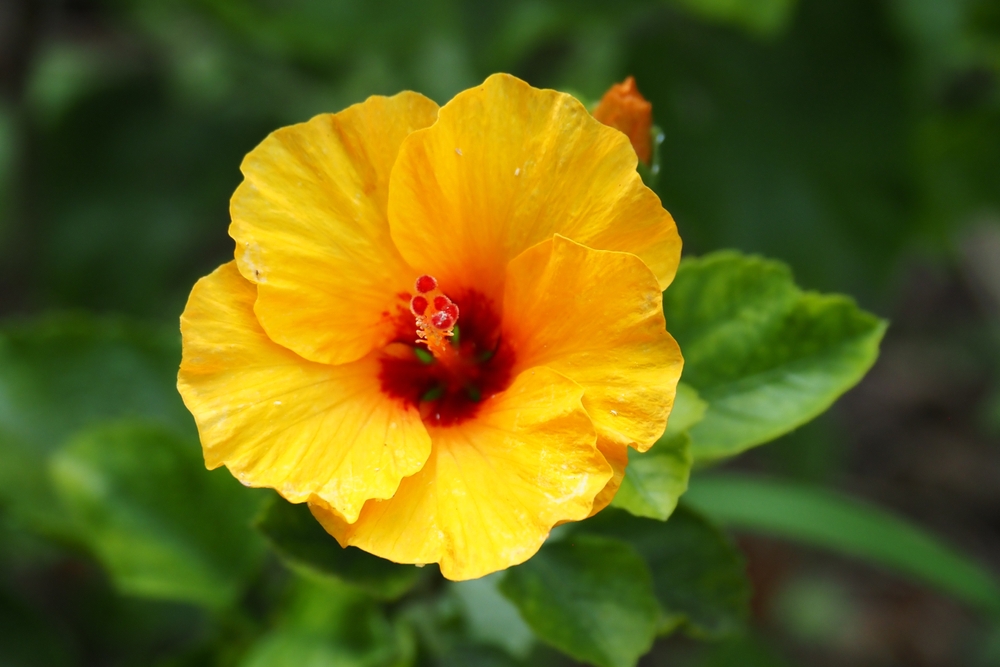
The official state flower of Hawaii is the yellow hibiscus, specifically Hibiscus brackenridgei, known in Hawaiian as Maʻo Hau Hele. This particular species holds a distinctive place among the myriad of beautiful flowers found across the archipelago. Its selection as the official emblem reflects not only its striking beauty but also its deep historical and ecological significance to the Hawaiian Islands. Unlike its more common, brightly colored relatives often seen gracing postcards and commercial imagery, Maʻo Hau Hele possesses a delicate charm and a rarer, more subdued elegance. Its native status underscores Hawaii’s commitment to preserving its unique biodiversity and celebrating flora that is indigenous to its volcanic soils. For tourists, recognizing this specific flower provides an authentic connection to the land and a deeper appreciation for the nuanced beauty of the local ecosystem, moving beyond generic tropical clichés.
The Yellow Hibiscus (Hibiscus brackenridgei)
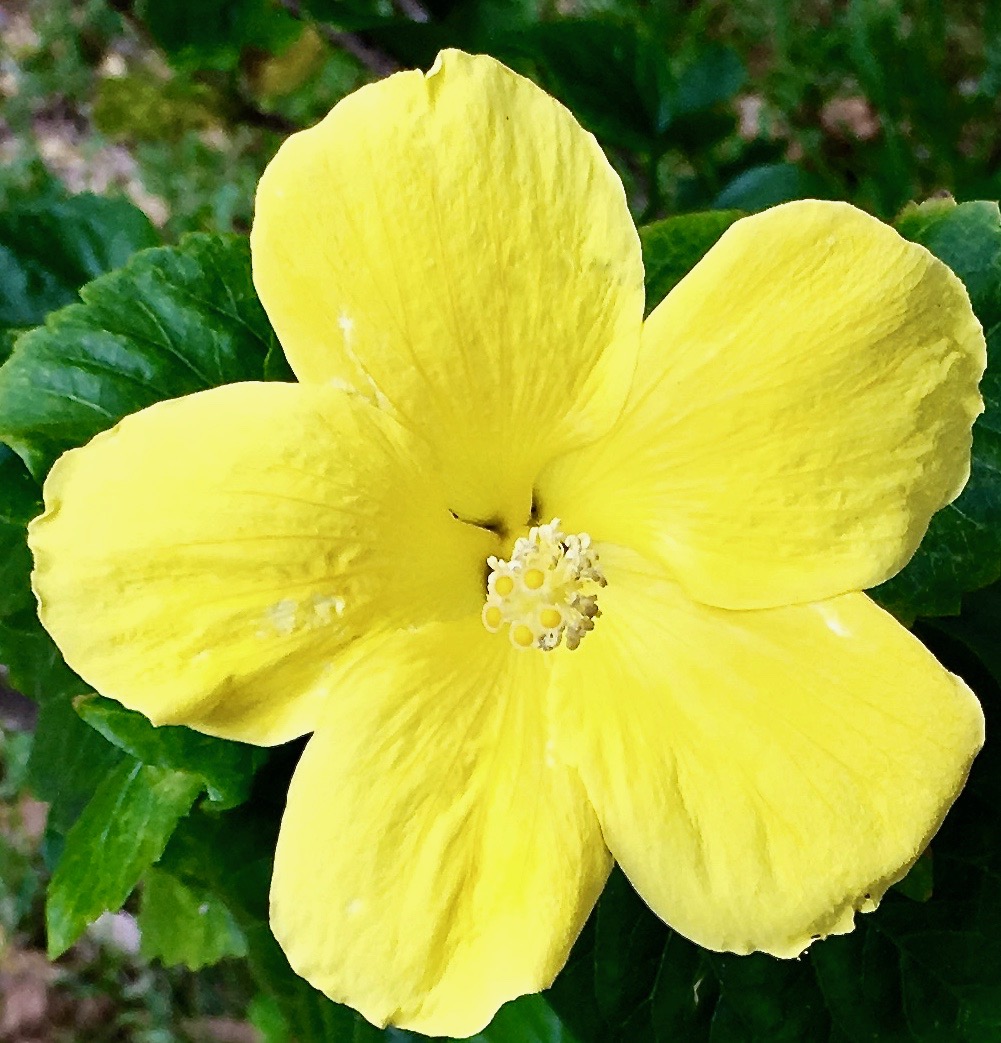
Hibiscus brackenridgei is a fascinating species, endemic to Hawaii, meaning it is found nowhere else in the world naturally. It is typically a sprawling shrub or small tree, reaching heights of up to 15 feet, and its vibrant yellow petals unfurl to reveal a deep maroon or red center. This striking contrast makes it a truly distinctive flower. Historically, it was found in dry forests and shrublands on most of the main Hawaiian islands, including Oahu, Maui, Molokai, Lanai, and the Island of Hawaii (often called the Big Island), though today its populations are significantly diminished and considered endangered. Its resilience, thriving in the sometimes harsh conditions of Hawaii’s dry regions, speaks volumes about the enduring spirit of the islands. For visitors, learning about its endangered status often inspires a greater sense of responsibility and appreciation for the fragility and uniqueness of Hawaii’s natural heritage, encouraging mindful tourism practices and a desire to support conservation efforts.
A Legacy of Symbolism: From Local Favorite to State Icon
The journey of the yellow hibiscus from a beloved local plant to the official state flower is steeped in cultural reverence. Prior to 1988, Hawaii recognized the hibiscus in general as its territorial flower, without specifying a particular species. This broader recognition often led to confusion, with the common red hibiscus, a non-native species, frequently being mistakenly identified as the state flower due to its widespread cultivation and vibrant presence. The decision to officially designate Hibiscus brackenridgei was a conscious effort to honor and highlight a truly indigenous Hawaiian plant. This move was not just about botanical accuracy; it was a powerful statement about identity, pride in local heritage, and the importance of native species in the state’s cultural narrative. For tourists, understanding this distinction enriches their perception of Hawaii, revealing a deeper layer of cultural pride and an emphasis on what is truly Hawaiian, encouraging them to look beyond the superficial and appreciate the authentic. It highlights the state’s efforts to educate both residents and visitors about its unique flora and the critical need for conservation.
More Than Just a Flower: Its Deep Cultural Roots in Hawaiian Tourism
The yellow hibiscus, and indeed the broader family of hibiscus, permeates Hawaiian culture in ways that significantly enhance the tourist experience. It’s not just a decorative plant; it’s an integral part of the islands’ hospitality, spirituality, and artistic expression. For visitors, encountering the hibiscus in its various forms offers a tactile and visual connection to the heart of Hawaiian tradition. From the moment they are greeted with a floral lei upon arrival to observing local crafts and culinary uses, the presence of the hibiscus serves as a constant, beautiful reminder of Hawaii’s unique cultural tapestry. This pervasive presence transforms a simple flower into a powerful cultural ambassador, helping tourists understand the depth of the Aloha spirit and the profound respect Hawaiians hold for their natural environment. It enables a more immersive travel experience, encouraging visitors to look closer, ask questions, and engage with local customs rather than merely observing from a distance.
The Art of Lei Making: A Floral Welcome
Perhaps one of the most iconic representations of Hawaiian culture, and one most immediately experienced by tourists, is the lei. While leis are crafted from a multitude of flowers, leaves, and seeds, the hibiscus, particularly the larger, more common varieties, frequently features in these beautiful garlands. The giving and receiving of a lei is more than just a gesture; it’s a profound act of welcome, affection, respect, and celebration, embodying the Aloha spirit. For a tourist, being presented with a fresh flower lei upon arrival at Honolulu International Airport or a resort in Maui is an unforgettable introduction to Hawaiian hospitality. It instantly creates a sense of connection and warmth. Learning about the different types of leis and the specific flowers used, including various hibiscus, allows visitors to appreciate the intricate artistry and the deeper cultural meanings behind this cherished tradition. It transforms a simple floral ornament into a tangible piece of Hawaiian heritage that they can wear and cherish.
Symbolism in Hawaiian Culture and Hospitality
In Hawaiian culture, flowers, including the hibiscus, carry rich symbolic meanings. The hibiscus, with its ephemeral beauty—each bloom often lasting only a day—can symbolize delicate beauty, fleeting moments, and the vibrant life cycle. Its common depiction in art and textiles also represents the natural beauty of the islands. In the context of hospitality, the ubiquitous presence of hibiscus flowers in hotels, restaurants, and public spaces throughout destinations like Waikiki or along the Na Pali Coast on Kauai signifies a welcoming environment, a celebration of life, and an invitation to relax and embrace the island rhythm. For tourists, these subtle cues enhance the immersive experience, creating an atmosphere that is distinctly Hawaiian. The flower becomes a visual shorthand for the essence of the islands, fostering a deeper understanding of the values of kindness, grace, and abundance that are central to the Hawaiian way of life.
The Hibiscus in Hawaiian Arts, Crafts, and Fashion
Beyond leis, the hibiscus is a pervasive motif in various forms of Hawaiian art, crafts, and fashion, offering tourists myriad ways to take a piece of Hawaii home. From intricate fabric prints on aloha shirts and muumuus to carvings in wood and designs in jewelry, the hibiscus pattern is a constant. Local artists and artisans skillfully incorporate the flower’s distinct shape and vibrant colors into their creations, which can be found in galleries, markets, and shops across the islands. Exploring these local crafts provides tourists with an opportunity to support Hawaiian artists and to purchase authentic souvenirs that tell a story. Engaging with these artistic expressions allows visitors to appreciate the creativity and skill rooted in Hawaiian traditions, and to understand how nature inspires human endeavor. It’s a tangible link to the culture that transcends mere souvenir shopping, offering a glimpse into the creative spirit of the islands.
Exploring Hawaii’s Floral Heritage: Where Tourists Can Experience the Hibiscus
For tourists eager to witness the yellow hibiscus and other incredible Hawaiian flora firsthand, the islands offer numerous opportunities. Engaging directly with the natural environment where these flowers thrive provides a richer, more profound appreciation for their beauty and ecological significance. This exploration goes beyond simply seeing a picture; it involves experiencing the sights, sounds, and scents of Hawaii’s diverse landscapes, deepening one’s understanding of the unique ecosystems that support such precious botanical life. It’s an active form of tourism that connects visitors directly to the natural wonders and conservation efforts of the state, enriching their overall journey with genuine discovery and appreciation.
Botanical Gardens and Nature Reserves
The most direct way to encounter Hibiscus brackenridgei and a vast array of other native and endemic Hawaiian plants is through visits to the islands’ exceptional botanical gardens and nature reserves. Institutions like the National Tropical Botanical Garden with locations on Kauai and Maui, or the Waimea Valley on Oahu, actively participate in conservation efforts for endangered species, including the yellow hibiscus. These gardens provide carefully cultivated environments where visitors can learn about the plants, their habitats, and the challenges they face. Guided tours often offer insightful commentary on the cultural and medicinal uses of various plants, further enriching the experience. These sites not only showcase the beauty of Hawaii’s flora but also serve as vital educational centers, demonstrating the ongoing commitment to protecting the islands’ natural heritage for future generations of residents and tourists alike.
Local Markets and Festivals
Local farmers’ markets and cultural festivals are vibrant hubs where tourists can experience the living culture of Hawaii, often adorned with and selling fresh flowers, including many varieties of hibiscus. At markets in Honolulu or Hilo, you might find vendors selling fresh cut hibiscus blooms, intricate leis, or even hibiscus-infused culinary delights. Festivals, such as the Merrie Monarch Festival on the Big Island, which celebrates Hula and Hawaiian culture, often feature elaborate floral decorations and lei contests that prominently showcase local flowers. These events offer a lively and engaging way for tourists to interact with local communities, sample traditional foods, and witness firsthand the deep reverence Hawaiians have for their natural surroundings and the artistry involved in their floral traditions. They are dynamic venues for cultural exchange, allowing visitors to feel a part of the local scene.
Everyday Encounters: From Resorts to Souvenirs
Even in more commercial settings, the hibiscus is ever-present. Many resorts and hotels across Hawaii incorporate hibiscus plants into their landscaping, creating lush, tropical environments for their guests. You’ll find hibiscus designs on everything from hotel linens to restaurant menus and postcards. Souvenir shops offer a plethora of items featuring the iconic flower, from magnets and keychains to clothing and home decor. While these commercial representations may not always feature the specific Hibiscus brackenridgei, they collectively reinforce the hibiscus as a quintessential symbol of the islands. For tourists, these everyday encounters contribute to the overall tropical ambiance and serve as gentle reminders of their Hawaiian experience, even after they have returned home. It’s a constant visual thread that ties the entire tourism experience together, making the trip feel consistently authentic and beautiful.
Responsible Tourism and the Appreciation of Hawaii’s State Flower
Appreciating Hawaii’s state flower, and its flora in general, goes hand-in-hand with practicing responsible tourism. For visitors, understanding the cultural and ecological significance of Maʻo Hau Hele should translate into respectful and sustainable interactions with the islands’ environment and communities. This approach ensures that the beauty and integrity of Hawaii’s natural heritage, including its cherished state flower, are preserved for future generations of both residents and tourists. Responsible tourism enhances the authenticity of the travel experience, allowing visitors to leave a positive footprint and contribute to the well-being of the destination they’ve come to admire. It’s about more than just enjoying the scenery; it’s about actively participating in its preservation and showing respect for local customs.
Understanding Conservation Efforts
Given that Hibiscus brackenridgei is an endangered species, responsible tourists should be aware of and support conservation efforts. This means refraining from picking wild flowers, staying on marked trails in natural areas, and educating oneself about the fragile ecosystems of Hawaii. Many botanical gardens and conservation organizations offer volunteer opportunities or accept donations that directly support the propagation and protection of native Hawaiian plants. By being mindful and contributing, even in small ways, visitors can play a part in safeguarding the future of the state flower and the rich biodiversity of the islands. This proactive engagement transforms a typical vacation into a meaningful journey of contribution and ecological awareness.
Supporting Local Artisans and Florists
When purchasing floral products, such as leis, or crafts featuring the hibiscus, tourists should prioritize supporting local artisans and florists. Choosing locally made items ensures that the economic benefits stay within the community and that traditional crafting techniques are sustained. Many local florists use sustainably grown flowers, often sourced from small Hawaiian farms, which helps reduce the environmental impact of imported blooms. By consciously choosing local, tourists contribute to the economic vitality and cultural preservation of the islands, making their purchases more meaningful than simply acquiring a souvenir. This direct support helps keep Hawaiian traditions alive and ensures that the skills and knowledge associated with floral arts are passed down through generations.

Embracing the Spirit of Aloha
Ultimately, appreciating Hawaii’s state flower is about embracing the spirit of Aloha – a philosophy encompassing love, peace, compassion, and respect. This spirit encourages visitors to approach the islands, their people, and their natural environment with an open heart and a mindful attitude. Understanding the significance of Maʻo Hau Hele as a cultural emblem, and respecting its role in the ecosystem, is a beautiful way to honor this philosophy. It encourages a deeper, more empathetic engagement with the destination, fostering connections that extend beyond a typical vacation. By doing so, tourists don’t just visit Hawaii; they become part of its story, leaving with not just memories, but a profound appreciation for its enduring beauty and cultural richness, exemplified by its precious yellow hibiscus.
LifeOutOfTheBox is a participant in the Amazon Services LLC Associates Program, an affiliate advertising program designed to provide a means for sites to earn advertising fees by advertising and linking to Amazon.com. Amazon, the Amazon logo, AmazonSupply, and the AmazonSupply logo are trademarks of Amazon.com, Inc. or its affiliates. As an Amazon Associate we earn affiliate commissions from qualifying purchases.