
Embarking on a road trip to Las Vegas is an iconic American adventure, promising freedom, discovery, and the thrill of the open road leading to the shimmering oasis of entertainment in the Nevada desert. While flying might offer speed, driving provides an unparalleled opportunity to dictate your own pace, explore hidden gems, and truly experience the diverse landscapes that characterize the journey. The question of “how long” is multifaceted, depending heavily on your starting point, chosen route, number of stops, and even the time of day you travel. This comprehensive guide will delve into the various factors influencing your drive time and offer insights to help you plan the ultimate road trip to Sin City.
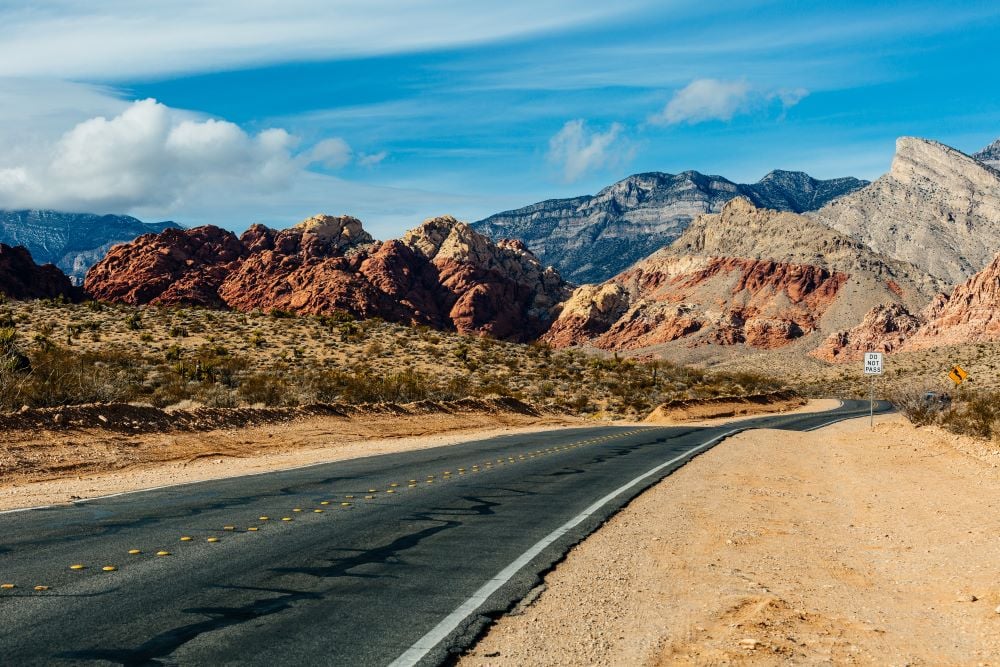
The Allure of the Open Road to Las Vegas
There’s a unique romance associated with driving to Las Vegas. It’s not just about reaching a destination; it’s about the journey itself, the anticipation building with every mile. The transition from bustling cities to vast desert expanses, dotted with quirky roadside attractions and breathtaking natural beauty, makes the drive an integral part of the overall experience.
Why Drive to Las Vegas?
For many, the decision to drive isn’t merely about cost savings; it’s about control and flexibility. A road trip allows you to pack more, avoid airport hassles, and travel on your own schedule. It opens up opportunities for spontaneous detours to lesser-known sights or simply to pull over and admire a stunning sunset over the desert horizon. Beyond the practicalities, there’s an undeniable sense of accomplishment in navigating the diverse terrains, from the coastal cities of California to the arid beauty of Nevada. It’s a journey that builds excitement for the vibrant energy awaiting you in Las Vegas.
Factors Influencing Your Driving Time
Several variables play a significant role in determining the total duration of your drive. Understanding these can help you better estimate your arrival time and plan accordingly:
- Starting Location: This is the most obvious factor. Driving from Los Angeles is a vastly different proposition than driving from Denver or Seattle.
- Traffic Conditions: Especially when departing from major metropolitan areas or traveling during peak hours (e.g., Friday afternoons, holiday weekends), traffic can add hours to your journey.
- Number and Duration of Stops: Fueling up, grabbing a meal, stretching your legs, or exploring a roadside attraction all add to the overall travel time. Minimal stops mean a faster trip; leisurely stops make for a richer experience.
- Speed Limits and Road Conditions: Adhering to posted speed limits is crucial for safety and avoiding fines. Construction, weather, or unexpected road closures can also impact travel speed.
- Driver Fatigue and Breaks: It’s vital to take regular breaks to combat fatigue. Driving for extended periods without rest can be dangerous and reduces efficiency. Aim for a break every 2-3 hours.
- Vehicle Performance: The type of vehicle, its fuel efficiency, and even its load can subtly affect your travel speed and the frequency of fuel stops.
Key Starting Points and Estimated Driving Times
To provide a clearer picture, let’s explore common driving routes and their approximate durations from popular departure cities. These estimates assume ideal conditions, minimal stops (for fuel and quick breaks only), and adherence to speed limits.
Driving from Southern California
The most popular route to Las Vegas originates from Southern California, primarily Los Angeles and San Diego.
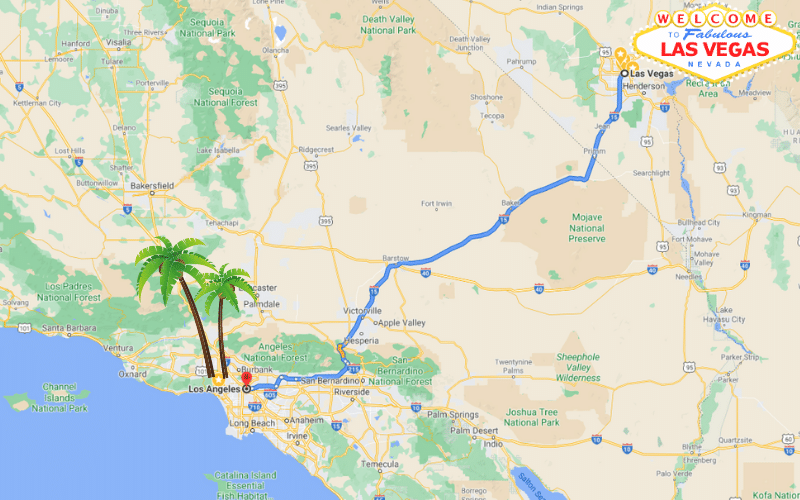
- From Los Angeles: The drive is typically 4 to 5 hours, covering approximately 270 miles. The main artery is Interstate 15 (I-15) North. Expect significant traffic delays, especially on Fridays heading east and Sundays heading west, particularly around the Barstow and Primm areas. Leaving very early in the morning (before 6 AM) or late at night can help mitigate traffic.
- From San Diego: This journey is slightly longer, around 5 to 6 hours, spanning about 330 miles. Travelers from San Diego will also take I-15 North, often joining it after taking I-215 North or I-79/I-15 North. Traffic can be a concern when getting out of San Diego and then again when merging onto the main I-15 corridor from Los Angeles.
Driving from Arizona
Another common starting point for Las Vegas bound travelers is Arizona, particularly its capital.
- From Phoenix: The drive from Phoenix typically takes 4.5 to 5.5 hours, covering approximately 300 miles. The primary route involves I-17 North to US-93 North, which connects to I-40 West and then I-95 North, or more directly US-93 North through Kingman and then onto I-11/US-93 directly into Las Vegas. The opening of the I-11 corridor has significantly streamlined this route, bypassing some of the historical bottlenecks. This route offers stunning desert vistas and the opportunity to pass near the Hoover Dam as you approach Las Vegas.
Driving from Northern California
For those venturing from further north in California, the drive becomes a multi-state journey.
- From San Francisco: The drive from San Francisco is a longer commitment, typically 8 to 9 hours, covering roughly 560 miles. The most common route involves I-5 South to CA-58 East (near Bakersfield), then US-395 North to CA-14 North, which eventually leads to CA-58 East again before connecting to I-15 North into Las Vegas. Another option is to take I-80 East through Reno, Nevada, then south on US-95, though this is often longer. This drive showcases dramatic shifts in scenery, from coastal fog to agricultural valleys and high desert landscapes.
Driving from Utah
Utah serves as a gateway to Las Vegas from the northeast, offering a straightforward route.
- From Salt Lake City: The drive from Salt Lake City to Las Vegas takes approximately 6 to 7 hours, covering around 420 miles. The route is predominantly I-15 South, making it one of the most direct and scenic drives, especially as you pass through St. George and the Virgin River Gorge. This corridor is generally less prone to heavy traffic than the Southern California approaches, but specific holiday weekends can still see increased volumes.
Maximizing Your Road Trip Experience
Beyond simply reaching your destination, a drive to Las Vegas can be an incredible journey in itself. Strategic planning can transform a mere transit into an unforgettable part of your vacation.
Strategic Planning for a Smooth Journey
Preparation is key to a stress-free road trip. Map out your route in advance, noting potential fuel stops, rest areas, and major towns. Consider using GPS applications that provide real-time traffic updates, such as Google Maps or Waze, to navigate around unexpected delays. If traveling with companions, discuss driving shifts to ensure everyone stays refreshed. Booking accommodation in Las Vegas ahead of time, especially during peak seasons, can also alleviate arrival stress, allowing you to focus on the drive itself.
Essential Road Trip Checklist
Before you hit the road, ensure your vehicle is in prime condition. Check tire pressure, fluid levels, and brakes. Pack an emergency kit including jumper cables, a first-aid kit, a flashlight, and extra water. For personal comfort and entertainment, prepare a playlist, download podcasts or audiobooks, and pack snacks and drinks to minimize unscheduled stops. Don’t forget chargers for your electronic devices and physical maps as a backup in areas with spotty cell service.
Incorporating Scenic Stops and Attractions
The drive to Las Vegas is rich with opportunities for memorable detours. These stops can break up long stretches of driving and offer a taste of the region’s unique charm.
- Hoover Dam: Located less than an hour southeast of Las Vegas, this engineering marvel is an absolute must-see. Tours offer fascinating insights into its construction and operation, and the views of Lake Mead National Recreation Area are stunning.
- Mojave National Preserve: Situated between Los Angeles and Las Vegas, this vast desert landscape offers unique geological features, cinder cones, and abundant Joshua trees. It’s a fantastic spot for a short hike or scenic drive if you have an extra hour or two.
- Red Rock Canyon National Conservation Area: Just a short drive west of the Las Vegas Strip, this area offers spectacular vibrant red rock formations and excellent hiking trails. It’s an ideal escape for nature lovers before diving into the city’s neon glow.
- Valley of Fire State Park: Nevada’s oldest state park, about an hour northeast of Las Vegas, boasts incredible Aztec sandstone outcrops that appear to be ablaze when reflecting the sun. It’s a fantastic photo opportunity and offers short, accessible hikes.
- The World’s Tallest Thermometer in Baker, California: A classic roadside attraction on the I-15 route from Los Angeles, offering a quirky photo op.
Navigating Challenges and Ensuring Safety
While road trips are exciting, they come with their own set of challenges. Being prepared for these can make your drive much smoother and safer.
Managing Traffic Congestion
Traffic is arguably the biggest variable impacting drive times to Las Vegas, especially on the I-15 corridor from Southern California. To mitigate this, consider traveling during off-peak hours:
- Departing: Early mornings (before 6 AM) on weekdays or very late at night. For Friday departures, try to leave before noon or after 7 PM.
- Returning: Monday mornings or late Sunday night, avoiding peak Sunday afternoon traffic.
Using real-time traffic apps is essential for navigating unexpected bottlenecks or accidents.
Weather Considerations
The desert climate means extreme temperatures can be a factor. Summers in Nevada and Arizona can reach well over 100°F (38°C), putting strain on your vehicle and passengers. Ensure your air conditioning is functional and carry plenty of water. Conversely, winter months can bring unexpected snow or ice to higher elevations, particularly on routes from Northern California or Utah, such as through the Spring Mountain Range near Las Vegas. Always check weather forecasts along your entire route before departing.
Vehicle Maintenance and Emergency Preparedness
A well-maintained vehicle is your best defense against breakdowns in remote desert areas. Beyond pre-trip checks, consider having roadside assistance coverage. In case of an emergency, having a fully charged phone, an external battery pack, and knowledge of your exact location can be lifesavers. It’s also wise to have a basic understanding of how to change a tire.
The Final Stretch: Arriving in the Entertainment Capital
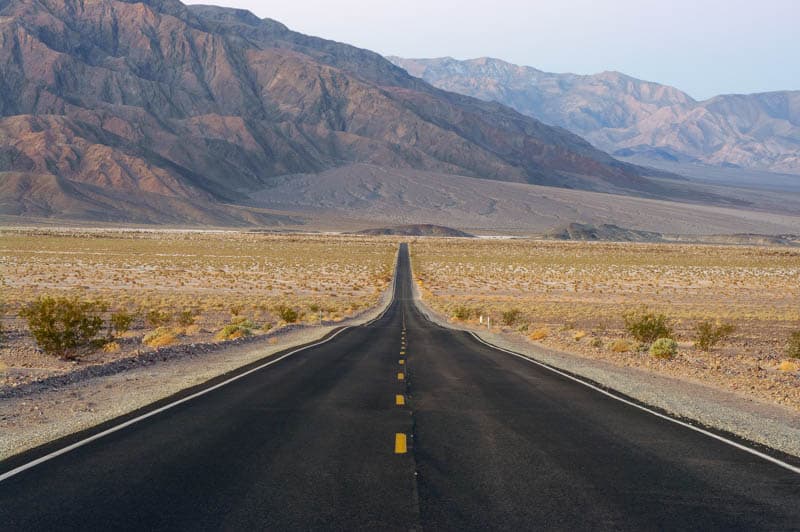
As you draw closer to Las Vegas, the landscape begins to transform. The vast, empty desert gradually gives way to signs of civilization, culminating in the dazzling skyline that emerges almost magically from the horizon.
First Impressions and Welcome to Las Vegas Boulevard
The approach to Las Vegas is an experience in itself. From I-15, you’ll often catch your first glimpse of the iconic Las Vegas Strip, a surreal panorama of glittering resorts and neon lights. This grand entrance sets the tone for the excitement that awaits. The transition from the stark desert to the vibrant, bustling Las Vegas Boulevard is a dramatic and unforgettable moment. Take a moment to soak it all in – the energy is palpable even before you’ve parked your car.
Parking and Accommodation Logistics
Once you’ve arrived, navigating parking can be a concern. Most major resorts offer ample parking garages, though some now charge for self-parking, especially on weekends or during special events. Valet parking is also widely available. If your hotel is on the Strip, consider off-loading your luggage first, then parking your vehicle. Familiarize yourself with your hotel’s parking policies beforehand to avoid surprises. With your vehicle safely parked, you are finally ready to shed the road-trip persona and immerse yourself in everything the entertainment capital of the world has to offer, from world-class dining and shows to thrilling casino floors and vibrant nightlife.
Driving to Las Vegas is more than just a means to an end; it’s an integral part of the adventure. By planning thoughtfully, embracing the journey, and preparing for potential challenges, your road trip can be just as memorable as your stay in the city itself. Safe travels!
LifeOutOfTheBox is a participant in the Amazon Services LLC Associates Program, an affiliate advertising program designed to provide a means for sites to earn advertising fees by advertising and linking to Amazon.com. Amazon, the Amazon logo, AmazonSupply, and the AmazonSupply logo are trademarks of Amazon.com, Inc. or its affiliates. As an Amazon Associate we earn affiliate commissions from qualifying purchases.