
Navigating the complexities of divorce is a profound personal journey, and for many in California, a primary concern is understanding the timeline involved. The question, “How long does it take to divorce in California?” isn’t straightforward, as numerous factors can influence the duration, from the nature of the marital assets to the willingness of both parties to cooperate. For individuals embarking on a new chapter, understanding this timeline is critical for planning a renewed lifestyle, whether it involves financial reorganization, new living arrangements, or even future travel plans. This guide will delve into the statutory minimums, the variables that can extend the process, and how careful planning can help you transition smoothly into your post-divorce life.
Understanding the Minimum Timeline: The Statutory Six Months
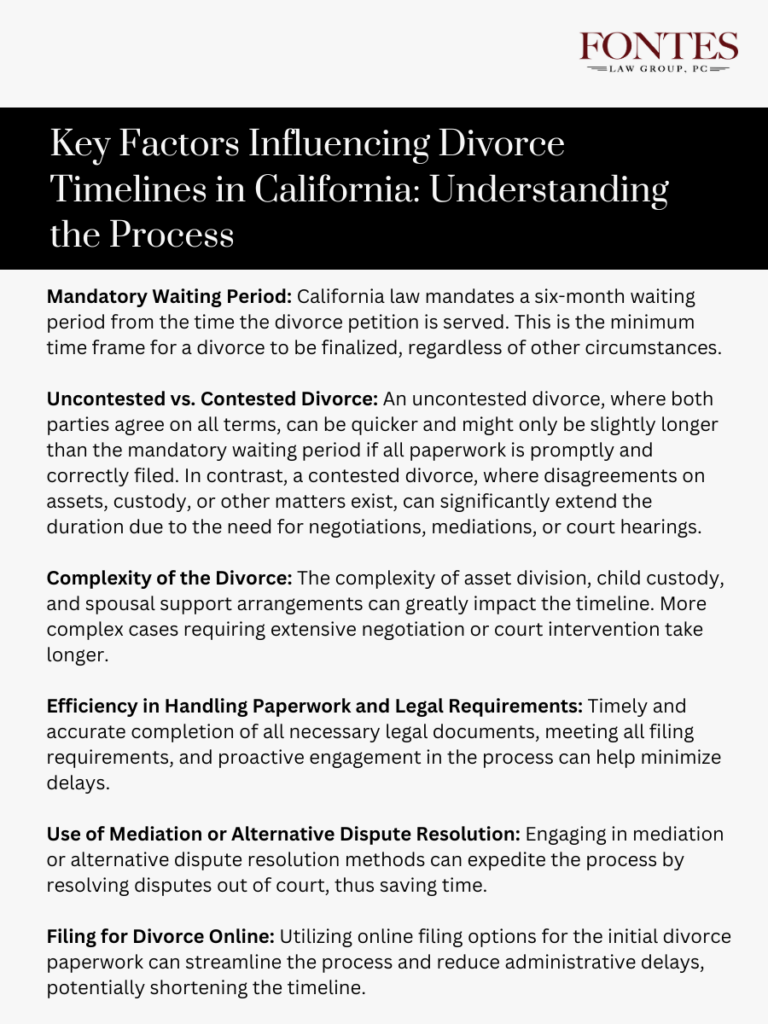
Even in the most amicable and straightforward divorce cases, there is a mandatory waiting period that dictates the absolute minimum time it can take to finalize a divorce in California. This is a crucial piece of information for anyone looking to understand their path forward and begin shaping their future lifestyle.
The Cooling-Off Period
California law mandates a six-month “cooling-off” period from the date the respondent is served with the divorce papers or makes a general appearance in court (whichever comes first). This means that, even if all terms of the divorce are agreed upon immediately, the court cannot legally finalize the dissolution of marriage until at least six months and one day have passed. This period is designed to give couples time to consider their decision, potentially reconcile, or at least ensure all arrangements are thoroughly thought out before becoming legally binding. For many, this window serves as an opportunity to begin adapting to a new routine, initiating financial planning, or even contemplating what their independent lifestyle might look like. It’s a time for reflection and strategic preparation for the next phase of life.
Initial Filing and Service of Process
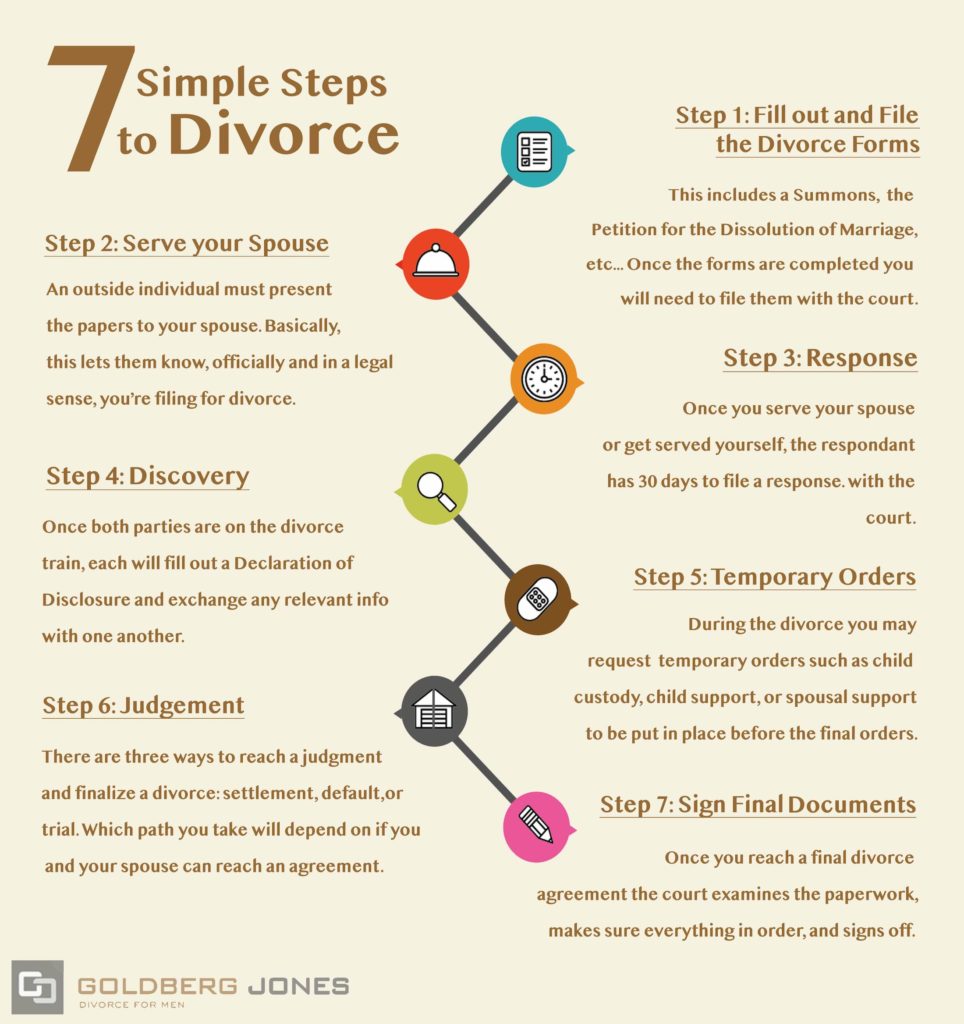
The clock for the six-month waiting period officially starts once the petition for dissolution of marriage is filed with the Superior Court of California and the other spouse (the respondent) is formally “served” with the legal documents. The act of serving ensures that the respondent is officially notified of the divorce proceedings. This initial step involves:
- Filing the Petition: One spouse (the petitioner) files a Petition for Dissolution with the appropriate California county court, usually where they or their spouse reside. This document outlines the request for divorce and may include preliminary requests regarding property, children, or support.
- Serving the Respondent: The respondent must then be legally served with a copy of the petition and summons. This can be done by a process server, sheriff, or any adult not involved in the case. Once service is complete, proof of service is filed with the court, and this date officially marks the beginning of the six-month minimum waiting period.
- Respondent’s Response: The respondent typically has 30 days from the date of service to file a response with the court. Their response can agree with the petition, dispute certain claims, or introduce their own requests.
Successfully completing these initial steps efficiently is the first critical stride in adhering to the minimum timeline. Delays in filing or serving documents can push back the start date of the six-month clock, consequently delaying the entire process and the ability to fully embrace a new lifestyle.
Factors Influencing Divorce Duration
While the six-month minimum provides a baseline, most divorces in California take significantly longer. The actual duration is heavily influenced by a range of factors, primarily stemming from the level of agreement or disagreement between the spouses. These variables directly impact the complexity of the legal process and, by extension, how quickly individuals can transition into their new independent lives.
Contested vs. Uncontested Cases
The most significant determinant of divorce duration is whether the case is contested or uncontested.
- Uncontested Divorce: In an uncontested divorce, both spouses agree on all key issues, including property division, child custody, child support, and spousal support. This is the fastest path to finalizing a divorce beyond the statutory minimum. When couples can work together, either directly or through mediation, to reach a comprehensive agreement, the court’s role is primarily to review and approve the terms. An uncontested divorce, assuming the six-month waiting period has passed, can often be finalized within 6-12 months. This allows individuals to move forward with their lifestyle changes much more quickly.
- Contested Divorce: A contested divorce occurs when spouses cannot agree on one or more significant issues. These cases often involve extensive negotiations, discovery (the process of exchanging information), multiple court hearings, and potentially a trial. Each disputed issue—be it the valuation of a business in San Francisco or a custody schedule in Los Angeles—can add months, or even years, to the divorce process. The emotional and financial toll of a contested divorce can significantly delay one’s ability to plan for and enjoy a new lifestyle.
Division of Assets and Debts
California is a community property state, meaning that all assets and debts acquired during the marriage are presumed to be equally owned by both spouses and must be divided equally upon divorce. The complexity of this division can dramatically extend the timeline:
- Simple Assets: Cases involving straightforward assets like bank accounts and a single family home are generally easier to resolve.
- Complex Assets: Divorces involving businesses, multiple properties, retirement accounts, stock options, intellectual property, or significant debt can require extensive appraisals, forensic accounting, and expert testimony. Valuing a startup in Silicon Valley or a vineyard in Napa Valley can be a lengthy process. Disagreements over asset valuation or the characterization of property (community vs. separate) are common sources of delay. Resolving these issues is critical before either party can truly establish financial independence and new lifestyle plans.
Child Custody and Support Issues
When minor children are involved, divorce becomes more complex, often requiring more time to resolve. The court’s primary concern is always the best interests of the children.
- Parenting Plans: Developing a comprehensive parenting plan that addresses legal custody (decision-making authority) and physical custody (where the children live) can be challenging. Disputes over schooling in San Diego, holiday schedules, or relocation requests frequently lead to lengthy negotiations, mediation, and sometimes child custody evaluations.
- Child Support: California has specific guidelines for calculating child support, but disputes can arise over income determination, add-ons (like healthcare or childcare), or special needs.
Resolving these issues not only impacts the timeline but profoundly shapes the future lifestyle and living arrangements for both parents and children. Until these matters are settled, planning for future housing, schooling, or even family travel can be difficult.
Spousal Support Considerations
Spousal support (alimony) is another area that can lead to significant contention and prolong a divorce.
- Duration and Amount: Determining the amount and duration of spousal support involves considering a multitude of factors, including the length of the marriage, the earning capacity of each spouse, their health, age, and marital standard of living. For marriages lasting less than 10 years, support is generally granted for half the length of the marriage. For marriages of 10 years or more, the court may retain jurisdiction indefinitely.
- Earning Capacity: Disagreements often arise when one spouse believes the other is intentionally underemployed or could earn more, necessitating vocational evaluations and financial expert testimony.
Resolving spousal support is crucial for both parties to establish financial stability and plan their individual lifestyles post-divorce.
The Role of Legal Representation and Mediation
The path to divorce in California is intricate, and the methods chosen for navigating it can significantly impact the timeline and the eventual transition into a new lifestyle. Engaging with legal professionals or alternative dispute resolution methods like mediation can either streamline the process or, if mishandled, introduce further delays.
Expediting the Process with Legal Counsel
While some individuals opt for self-representation in uncontested divorces, securing experienced legal counsel, especially for complex or contested cases, can often expedite the process. A skilled attorney understands California family law, court procedures, and effective negotiation strategies.
- Navigating Bureaucracy: Lawyers can efficiently prepare and file necessary paperwork, ensuring accuracy and compliance with legal deadlines, thus preventing avoidable delays. They manage communication with the court and opposing counsel, streamlining the exchange of information.
- Strategic Negotiation: Attorneys are adept at negotiating settlements, advocating for their client’s best interests regarding assets, debts, and children. Their ability to present a strong case and anticipate potential issues can lead to quicker resolutions, particularly in contentious situations. For instance, an attorney in Orange County might have specific insights into local court tendencies that could benefit a client.
- Protecting Your Future: By ensuring a fair and equitable settlement, legal counsel helps establish a solid foundation for your post-divorce lifestyle, safeguarding your financial stability and long-term well-being. This can allow you to confidently plan for future endeavors, including travel or career changes, sooner rather than later.
Benefits of Mediation and Collaborative Divorce
For those seeking to minimize conflict and control the timeline, mediation and collaborative divorce offer compelling alternatives to traditional litigation. These methods prioritize cooperation and aim for mutually agreeable solutions.
- Mediation: In mediation, a neutral third-party mediator facilitates discussions between spouses, helping them communicate effectively and reach agreements on all divorce-related issues. The mediator does not make decisions but guides the parties toward a resolution. This process is typically less formal, more private, and significantly faster and less expensive than court litigation. It empowers couples to retain control over their future lifestyle decisions rather than relinquishing them to a judge.
- Collaborative Divorce: Collaborative divorce involves each spouse hiring a specially trained collaborative attorney. Both parties and their attorneys commit to resolving issues outside of court. If an agreement cannot be reached, the collaborative attorneys must withdraw, and the parties must hire new counsel to litigate. This “no court” clause provides a strong incentive for cooperation and settlement. It’s a structured approach designed to foster respect and creativity in finding solutions that work for both parties and their children, leading to quicker and more amicable transitions to separate lifestyles.
Both mediation and collaborative divorce can dramatically reduce the overall time frame of a divorce, often allowing couples to finalize their separation within 9-18 months (after the six-month statutory period), thereby accelerating their journey toward a new, independent lifestyle.
Preparing for Your Post-Divorce Lifestyle
As you navigate the legal timeline of divorce in California, it’s equally important to simultaneously prepare for the significant lifestyle changes that lie ahead. The duration of the legal process, whether short or extended, provides a critical window for personal planning and reimagining your future. This proactive approach can transform the waiting period from a source of anxiety into an opportunity for growth and strategic preparation.
Financial Planning for a New Chapter
One of the most immediate and impactful lifestyle changes post-divorce is financial. Regardless of how long the divorce takes, robust financial planning is paramount to ensuring stability and freedom in your new chapter.
- Budgeting and Asset Management: Begin creating a realistic post-divorce budget, factoring in new living expenses, potential spousal or child support, and individual income. Understand how assets will be divided and start thinking about managing your share independently. This might involve opening new bank accounts, consolidating debts, or seeking financial advice.
- Investment and Retirement: Re-evaluate your investment portfolio and retirement plans based on your new financial situation. Divorce often necessitates adjustments to beneficiaries, estate plans, and long-term financial goals. Consulting with a financial advisor can help you secure your financial future and allow you the freedom to pursue new lifestyle aspirations, like purchasing a new home or investing in a personal venture.
- Credit and Debt: Assess your credit score and any joint debts. Work to separate finances completely and protect your individual credit. A clean financial slate is crucial for accessing future loans, housing, or any other financial commitments that support your independent lifestyle.
Emotional Well-being and Personal Growth
The emotional journey of divorce can be as challenging as the legal one, and addressing it is vital for transitioning into a healthy new lifestyle. The duration of the divorce process offers a chance to focus on self-care and personal development.
- Support Systems: Lean on friends, family, or support groups for emotional backing. Don’t underestimate the power of a strong social network during this period of transition.
- Professional Help: Consider therapy or counseling to process emotions, develop coping mechanisms, and articulate your vision for a new life. Mental health professionals can provide invaluable tools for managing stress and fostering resilience.
- Rediscover Hobbies and Interests: Use this time to rediscover old passions or explore new ones. Whether it’s picking up a new skill, joining a club in Pasadena, or dedicating time to a personal project, focusing on personal growth can significantly enhance your sense of self and purpose, enriching your emerging lifestyle.

Reimagining Future Travel and Living Arrangements
With the legal ties dissolving, you gain the freedom to redefine your living situation and explore personal aspirations, including travel. The divorce timeline is an ideal period to start envisioning these aspects of your new life.
- New Living Spaces: Research potential new neighborhoods or types of housing that align with your post-divorce budget and lifestyle preferences. This could mean a smaller apartment in a vibrant city like San Jose, a quiet retreat in a suburban area, or even considering relocation to a different state or country for a complete change of scenery.
- Travel Aspirations: Divorce often marks a significant milestone, prompting many to consider new experiences, including travel. Use the planning phase to research destinations, solo travel tips, or even plan trips with friends or children (if applicable). Understanding your divorce timeline helps you set realistic dates for when you can embark on these adventures, allowing for proper budgeting and scheduling.
- Long-Term Goals: Reflect on long-term lifestyle goals. Do you envision a career change, volunteer work, or extensive travel? The conclusion of your divorce is not just an end but a powerful beginning. Strategizing during the divorce process ensures that once the legalities are behind you, you are well-prepared and excited to embrace the richness and potential of your new, independent life.
While the question “How long does it take to divorce in California?” has no single answer, understanding the legal framework and proactive planning for your new lifestyle can transform a potentially daunting period into a launchpad for future growth and fulfillment. By being informed and intentional, you can effectively manage the legal timeline and confidently step into the next chapter of your life.
LifeOutOfTheBox is a participant in the Amazon Services LLC Associates Program, an affiliate advertising program designed to provide a means for sites to earn advertising fees by advertising and linking to Amazon.com. Amazon, the Amazon logo, AmazonSupply, and the AmazonSupply logo are trademarks of Amazon.com, Inc. or its affiliates. As an Amazon Associate we earn affiliate commissions from qualifying purchases.