
Embarking on a journey to Hawaii promises an unparalleled experience, a tapestry woven with vibrant cultures, breathtaking landscapes, and an enduring spirit of aloha. While many envision a singular tropical paradise, Hawaii is, in fact, an archipelago comprising eight main islands, each offering its own unique allure and adventures. For those seeking to truly immerse themselves in the diverse wonders of the Aloha State, island hopping becomes not just an option, but an essential part of the travel itinerary. The question then arises: how does one navigate these Pacific gems and seamlessly transition from one idyllic shore to another? This comprehensive guide delves into the practicalities and strategies for inter-island travel, ensuring your Hawaiian adventure is as smooth as the trade winds themselves.
Understanding Hawaii’s Geography and Your Travel Needs
The Hawaiian Islands stretch over 1,500 miles across the Pacific Ocean, but the major populated islands are concentrated within a smaller, more accessible chain. Each island boasts distinct characteristics, from bustling cityscapes to serene beaches, dramatic volcanic terrains to lush rainforests. Understanding what each offers and how you wish to experience them is the first step in planning your inter-island logistics.
The Major Hawaiian Islands
The primary islands frequented by travelers, and thus the focus of inter-island travel, include:
- Oahu: Home to the state capital, Honolulu, and iconic Waikiki Beach, Oahu offers a blend of urban sophistication, historical landmarks, and world-class surfing.
- Maui: Known as “The Valley Isle,” Maui is celebrated for its stunning beaches, the scenic Road to Hana, and the majestic dormant volcano Haleakala.
- Kauai: “The Garden Isle” mesmerizes with its verdant rainforests, dramatic cliffs of the Na Pali Coast, and the geological marvel of Waimea Canyon.
- Big Island (Hawaii Island): The youngest and largest island, it’s famous for Hawaii Volcanoes National Park, featuring active volcanoes, black sand beaches, and diverse climatic zones.
- Lanai: Once an island-wide pineapple plantation, Lanai now offers luxury resorts, rugged off-roading adventures, and a tranquil escape.
- Molokai: Often called “The Friendly Isle,” Molokai remains true to its Hawaiian roots, offering a glimpse into traditional island life and stunning natural beauty.
Why Island Hopping? Exploring the Diversity of Hawaii
For many travelers, choosing just one island feels like an impossible task. Island hopping allows you to:
- Experience Diverse Landscapes: From Oahu’s bustling city life and surfing beaches to Big Island’s volcanic grandeur and Kauai’s lush jungles, each island presents a unique ecosystem and aesthetic.
- Engage in Varied Activities: Snorkel with manta rays on the Big Island, hike Maui’s Pipiwai Trail, explore Pearl Harbor on Oahu, or kayak the Na Pali Coast of Kauai. The possibilities are endless.
- Delve Deeper into Hawaiian Culture: While a common thread of aloha binds them, each island has its own stories, traditions, and local flavors waiting to be discovered.
Key Considerations Before You Book
Before you start booking flights, reflect on these crucial factors:
- Cost: Inter-island flights add to your overall travel budget. Factor in the cost of flights, potential baggage fees, and ground transportation on each island.
- Time: Each island transition consumes at least half a day due to travel to/from airports, check-in, security, and flight time. Consider if you have enough time to justify multiple island changes.
- Flexibility: While planning is key, allow for some spontaneity. Booking flights with refundable options or understanding change fees can be beneficial.
- Preferred Mode of Travel: While air travel is dominant, understanding the limited ferry options is also important for managing expectations.
The Primary Mode of Inter-Island Travel: Air
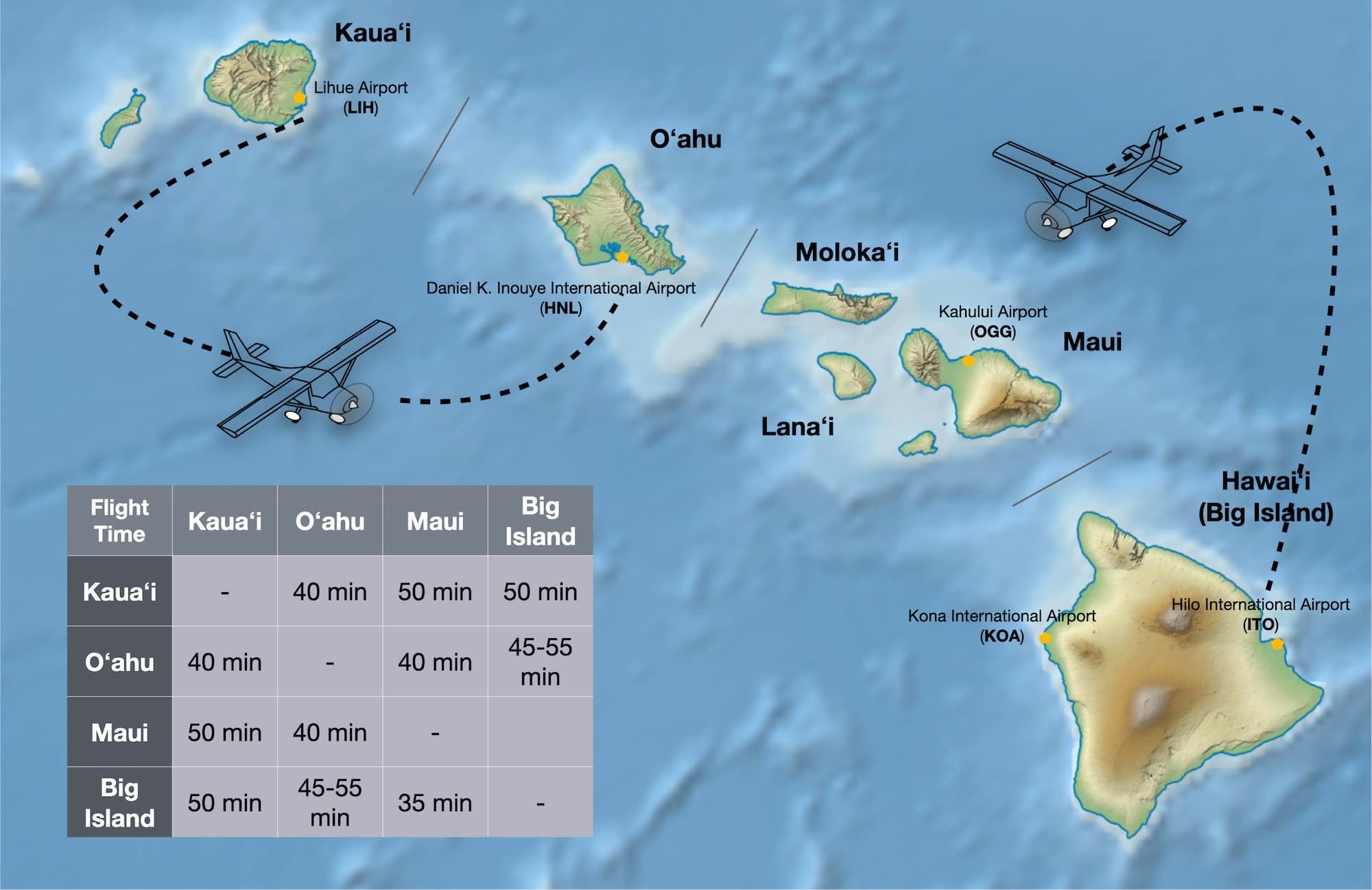
Without a doubt, flying is the most efficient, common, and often the only practical way to travel between the major Hawaiian Islands. The flights are short, typically lasting between 20 to 50 minutes, offering stunning aerial views of the azure Pacific and verdant islands below.
Major Airlines Serving Inter-Island Routes
Several airlines facilitate inter-island air travel, each with its own advantages:
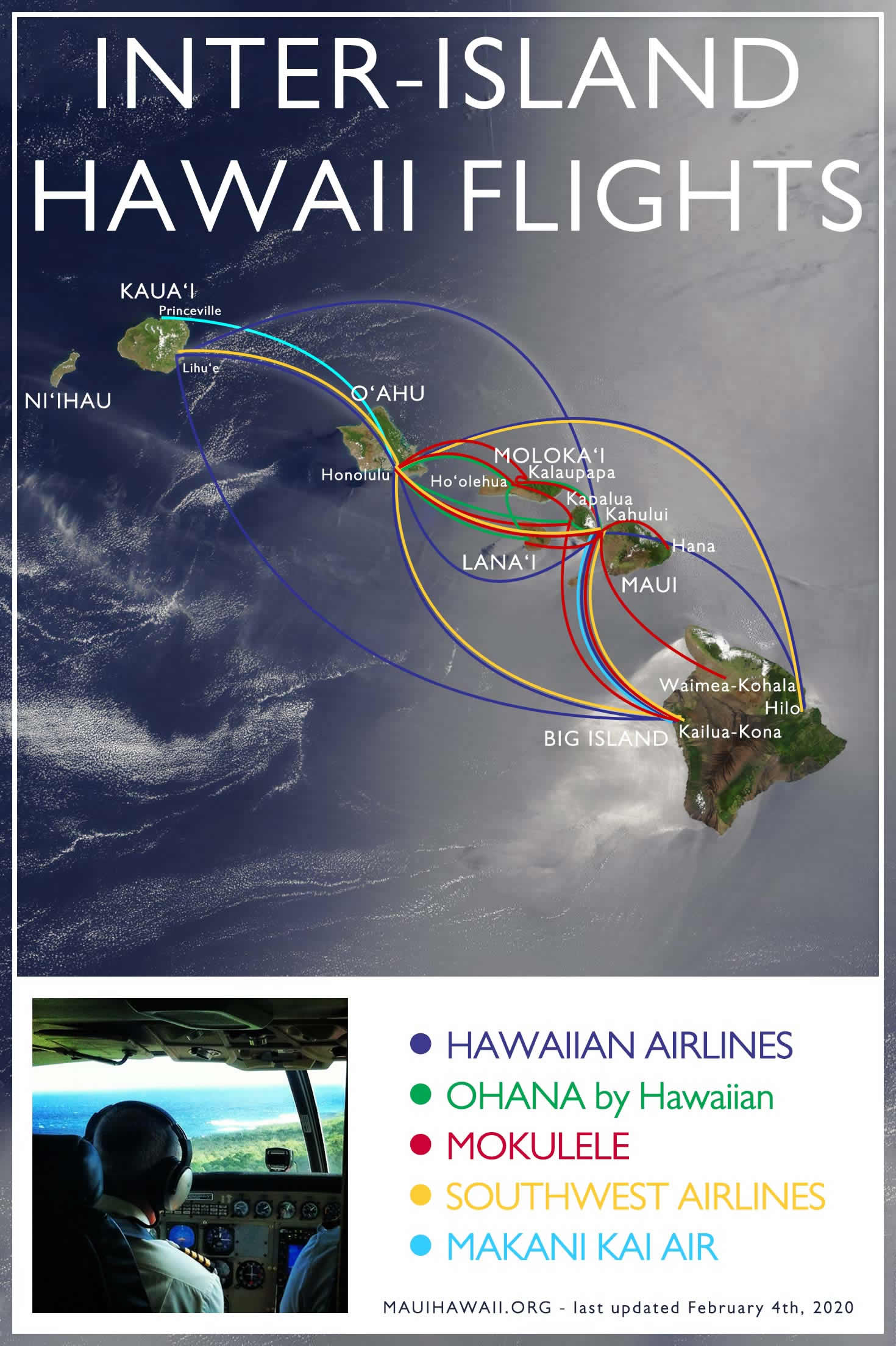
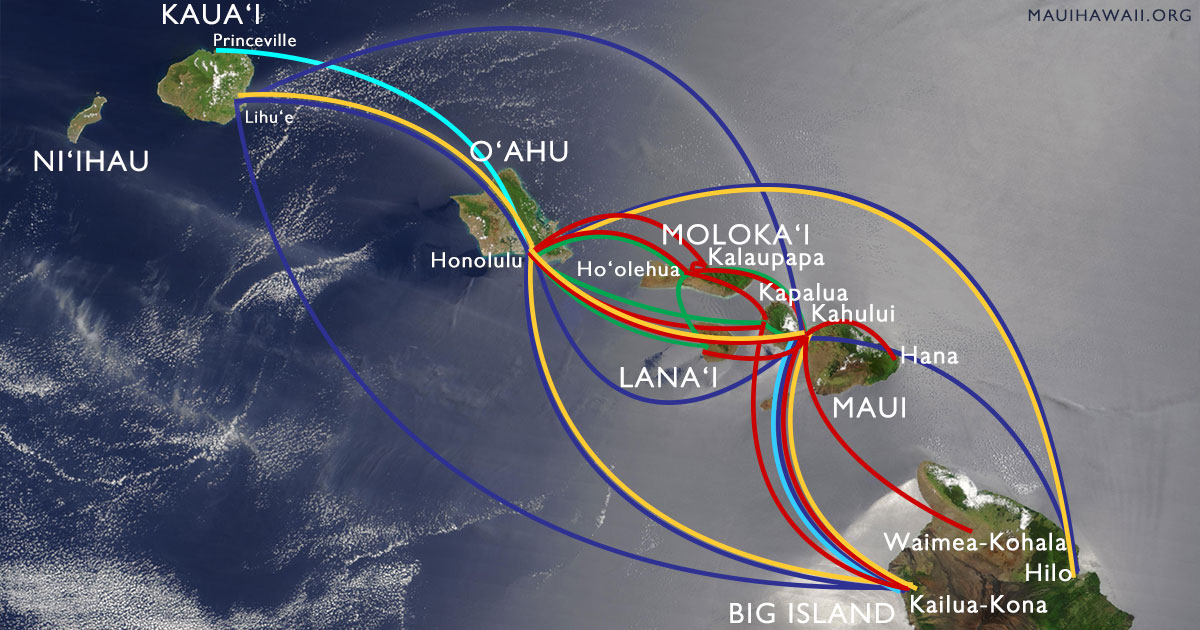
- Hawaiian Airlines: The largest and most established carrier, Hawaiian Airlines offers the most frequent flights and routes connecting all major islands. They are known for their reliable service and modern fleet.
- Mokulele Airlines: Operating smaller turboprop aircraft, Mokulele Airlines specializes in connecting smaller communities and offering direct routes to islands like Molokai and Lanai, often from secondary airports. They offer a more intimate, scenic flight experience.
- Southwest Airlines: A newer entrant to the inter-island market, Southwest Airlines has brought increased competition, often leading to lower fares. They serve popular routes between Oahu, Maui, Kauai, and the Big Island (Kona and Hilo).
Key Airports for Inter-Island Flights
Each major island has at least one primary airport facilitating inter-island connections:
- Oahu: Daniel K. Inouye International Airport (HNL) in Honolulu is the main hub, connecting to all other islands.
- Maui: Kahului Airport (OGG) is the primary gateway, with smaller airports in Kapalua (JHM) and Hana (HNM) offering limited service.
- Kauai: Lihue Airport (LIH) is the sole commercial airport on the island.
- Big Island: Kona International Airport (KOA) on the west side and Hilo International Airport (ITO) on the east side both serve inter-island flights.
- Lanai: Lanai Airport (LNY) has direct flights from Honolulu and connections via Maui.
- Molokai: Molokai Airport (MKK) connects to Honolulu and Maui.
Booking Tips for Inter-Island Flights
To ensure a smooth and cost-effective experience:
- Book in Advance: Especially during peak season (winter, spring break, summer), flights can fill up quickly and prices can rise. Aim to book several months ahead if possible.
- Check Baggage Policies: Unlike mainland flights, inter-island carriers often have stricter baggage weight limits and fees, even for carry-ons. Always verify the airline’s policy to avoid surprises.
- Consider Early Morning Flights: These are often less prone to delays caused by afternoon weather patterns or cascading issues from earlier flights. Plus, it gives you more daylight hours on your destination island.
- Factor in Airport Transfer Time: Remember to account for travel time to and from the airports on each island, as well as check-in and security processes. While airports are smaller, they still require buffer time.
- Use Aggregator Sites, but Check Direct: Start with sites like Google Flights or Skyscanner to get an overview, but always check the airline’s direct website for the best fares and accurate policies.
The Air Travel Experience
Inter-island flights are remarkably short, often feeling more like a quick bus ride than a traditional flight. The journey itself becomes part of the adventure, offering unparalleled views of Hawaii’s volcanic peaks, cascading waterfalls, and vibrant coral reefs from above. It’s an efficient way to cover significant distances and maximize your exploration time on each island.
Exploring Alternatives to Flights: Ferries and Charters
While air travel dominates inter-island transport, a limited number of ferry services and private charter options exist, catering to specific routes and needs. It’s crucial to understand their scope, as they do not offer the widespread connectivity that flights do.
The Maui to Lanai Ferry
The most prominent and reliable inter-island ferry service is the Expeditions Maui-Lanai Ferry. This passenger ferry operates daily between Lahaina Harbor on Maui and Manele Bay on Lanai. The scenic journey takes approximately 45 minutes and is a popular choice for day-trippers or those staying at Lanai’s resorts. It offers a unique opportunity to view both islands from the ocean, and it’s not uncommon to spot dolphins or whales during the crossing.
Private Charters and Boat Tours
For unique circumstances or highly customized itineraries, private boat charters can connect islands. However, these are generally much more expensive and less practical for general point-to-point travel between major islands. More commonly, boat tours depart from one island to explore offshore attractions or smaller, uninhabited islets, such as snorkeling trips to Molokini (from Maui) or cruises along the Na Pali Coast (from Kauai). These are primarily recreational excursions, not scheduled transport services between primary islands.
Why Ferries Are Limited
Despite popular demand from tourists and locals alike, extensive inter-island ferry services (like those found in other archipelagoes) do not exist in Hawaii. Historical attempts to establish such services have faced numerous challenges:
- Ocean Conditions: The channels between the islands can experience rough seas, making consistent, comfortable ferry operations difficult.
- Environmental Concerns: Protecting Hawaii’s delicate marine ecosystems, including endangered whale populations, is a paramount concern, leading to strict regulations.
- Economic Viability: The cost of building and operating large, fast, and environmentally compliant ferries, coupled with competition from relatively inexpensive air travel, has made widespread ferry service financially unfeasible.
- Logistics: The complexities of passenger and cargo transport across multiple ports, alongside regulatory hurdles, also contribute to the limited options.
Therefore, for most travelers planning to visit more than one major island, air travel remains the undisputed primary and most practical choice.
Planning Your Inter-Island Itinerary Effectively
A well-structured itinerary is the backbone of a successful multi-island Hawaiian vacation. Strategic planning can optimize your time, budget, and overall enjoyment.
Choosing Your Islands
Select islands that align with your travel style and interests:
- First-timers: Often combine Oahu (for its iconic sights and city amenities) and Maui (for beaches, relaxation, and scenic drives).
- Nature Enthusiasts: Kauai and the Big Island offer unparalleled hiking, volcanic landscapes, and lush wilderness.
- Luxury & Seclusion: Consider adding Lanai to your Maui itinerary for an exclusive escape.
- Cultural Immersion: Molokai provides a deep dive into authentic Hawaiian life, often paired with Maui or Oahu.
Optimal Length of Stay Per Island
To genuinely experience an island without feeling rushed, aim for a minimum of 3-5 full days on each. This allows for dedicated exploration, relaxation, and accounting for travel time between islands. For larger islands like the Big Island, which boasts diverse climate zones and attractions, 5-7 days might be more appropriate.
Combining Islands Logically
Consider geographical proximity and direct flight availability when planning your sequence. For instance:
- Oahu to Kauai: Direct, frequent flights make this a straightforward combination.
- Maui to Big Island: Also very well connected.
- Maui to Lanai: The convenient ferry makes this pairing seamless.
Try to minimize backtracking or overly complex routes. For example, if you want to see Kauai, Oahu, and Maui, flying Kauai -> Oahu -> Maui (or vice versa) might be more efficient than flying Kauai -> Maui -> Oahu then back to Maui.
Budgeting for Inter-Island Travel
Beyond the flight costs, remember to budget for:
- Rental Cars: Essential for exploring most islands, and prices can vary greatly. Book these well in advance.
- Ground Transportation: Taxis, ride-shares, or shuttles to and from airports on each island.
- Accommodation: Factor in lodging costs for each night, especially if you’re staying in different types of accommodations.
- Activities & Food: Research typical costs for attractions, tours, and dining on each island.
Conclusion
Navigating the beautiful archipelago of Hawaii is an integral part of experiencing its true magic. While the allure of ferry travel might appeal to some, the reality is that inter-island flights are overwhelmingly the most practical, efficient, and widely available method of transportation. With numerous airlines offering frequent, short flights connecting all major islands, island hopping is not only feasible but also highly recommended for those who wish to delve into the distinct wonders each island has to offer.
By understanding the available options, planning your itinerary thoughtfully, and booking your air travel in advance, you can ensure a seamless transition between the islands. Embrace the stunning aerial views, appreciate the diverse landscapes, and allow yourself the luxury of exploring multiple facets of Hawaii. Your journey from island to island will not just be a means of transport, but an unforgettable part of your ultimate Hawaiian adventure, rich with discovery and the enduring spirit of aloha.
LifeOutOfTheBox is a participant in the Amazon Services LLC Associates Program, an affiliate advertising program designed to provide a means for sites to earn advertising fees by advertising and linking to Amazon.com. Amazon, the Amazon logo, AmazonSupply, and the AmazonSupply logo are trademarks of Amazon.com, Inc. or its affiliates. As an Amazon Associate we earn affiliate commissions from qualifying purchases.