
The allure of Hawaii, a tropical paradise nestled in the heart of the Pacific Ocean, beckons travelers with its pristine beaches, volcanic landscapes, and vibrant culture. As the 50th state of the United States, this archipelago offers a unique blend of natural beauty and modern amenities. However, for many, the initial question remains: “How exactly do I get to Hawaii?” Given its remote location, reaching these idyllic islands requires careful planning and an understanding of the available transportation options. This guide will meticulously detail the primary pathways to Hawaii, ensuring your journey to paradise is as smooth and stress-free as possible. From the convenience of air travel to the leisurely pace of a cruise, we’ll explore the logistics, key considerations, and essential tips for embarking on your Hawaiian adventure.
Air Travel: The Primary Gateway to the Islands
For the vast majority of visitors, flying is the most efficient and popular method of reaching Hawaii. The journey by air offers speed and direct access to various islands, catering to diverse travel preferences and itineraries.
Major Departure Hubs to Hawaii
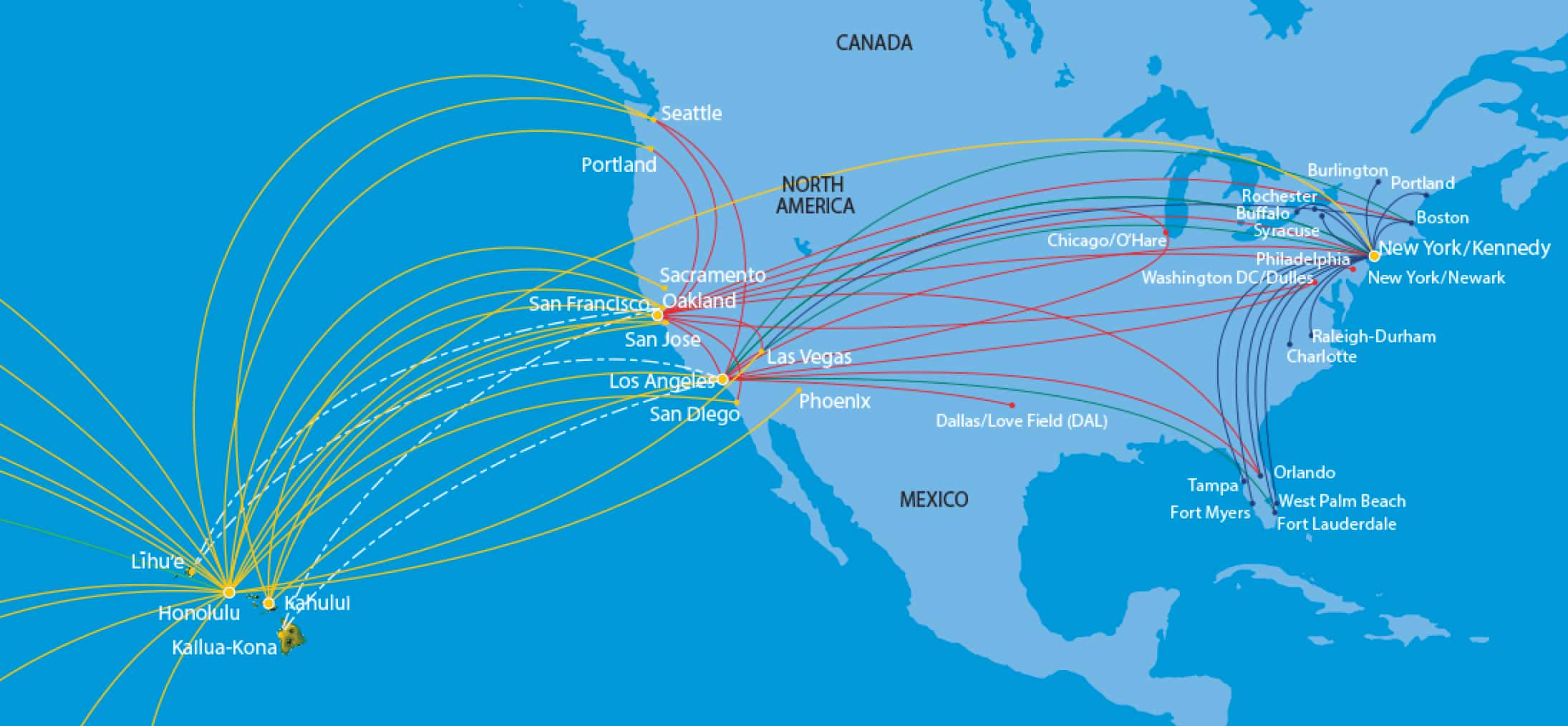
Flights to Hawaii typically depart from major international airports across the US mainland, as well as select international cities. The West Coast of the United States serves as the primary gateway, offering the shortest flight times. Key departure points include:
- Los Angeles International Airport (LAX), California: One of the busiest airports for Hawaiian bound flights, offering numerous daily options.
- San Francisco International Airport (SFO), California: Another major hub with frequent direct services.
- Seattle-Tacoma International Airport (SEA), Washington: A popular choice for travelers from the Pacific Northwest and Canada.
- Phoenix Sky Harbor International Airport (PHX), Arizona: Provides convenient access for those in the Southwest.
- Denver International Airport (DEN), Colorado: A growing hub for connecting flights from the central US.
- Dallas/Fort Worth International Airport (DFW), Texas: Serves as a significant gateway for travelers from the Southern US.
- Chicago O’Hare International Airport (ORD), Illinois: Offers direct flights, though with longer durations, for Midwest travelers.
- Newark Liberty International Airport (EWR) / John F. Kennedy International Airport (JFK), New York: Direct flights are available, typically the longest non-stop journeys.
International travelers from Asia (Japan, Korea, China, Philippines), Australia, New Zealand, and Canada also have direct flight options, predominantly landing in Honolulu.
Key Airlines Serving Hawaii
A variety of major airlines operate routes to Hawaii, offering different service levels, price points, and schedules. Popular carriers include:
- Hawaiian Airlines: The state’s flag carrier, known for its extensive inter-island network and authentic Hawaiian hospitality.
- United Airlines: Offers broad coverage from its hubs across the US.
- Delta Air Lines: Provides routes from its various hub cities.
- American Airlines: A major player with frequent flights from its key hubs.
- Southwest Airlines: Known for its budget-friendly options and expanding service, including inter-island flights.
- Alaska Airlines: A strong presence, especially for travelers from the West Coast.
When selecting an airline, consider factors such as baggage allowances, in-flight amenities for long journeys, and loyalty program benefits.
Choosing Your Arrival Airport in Hawaii
Hawaii boasts several international airports, each serving a different major island. Your choice depends on your final destination within the archipelago.
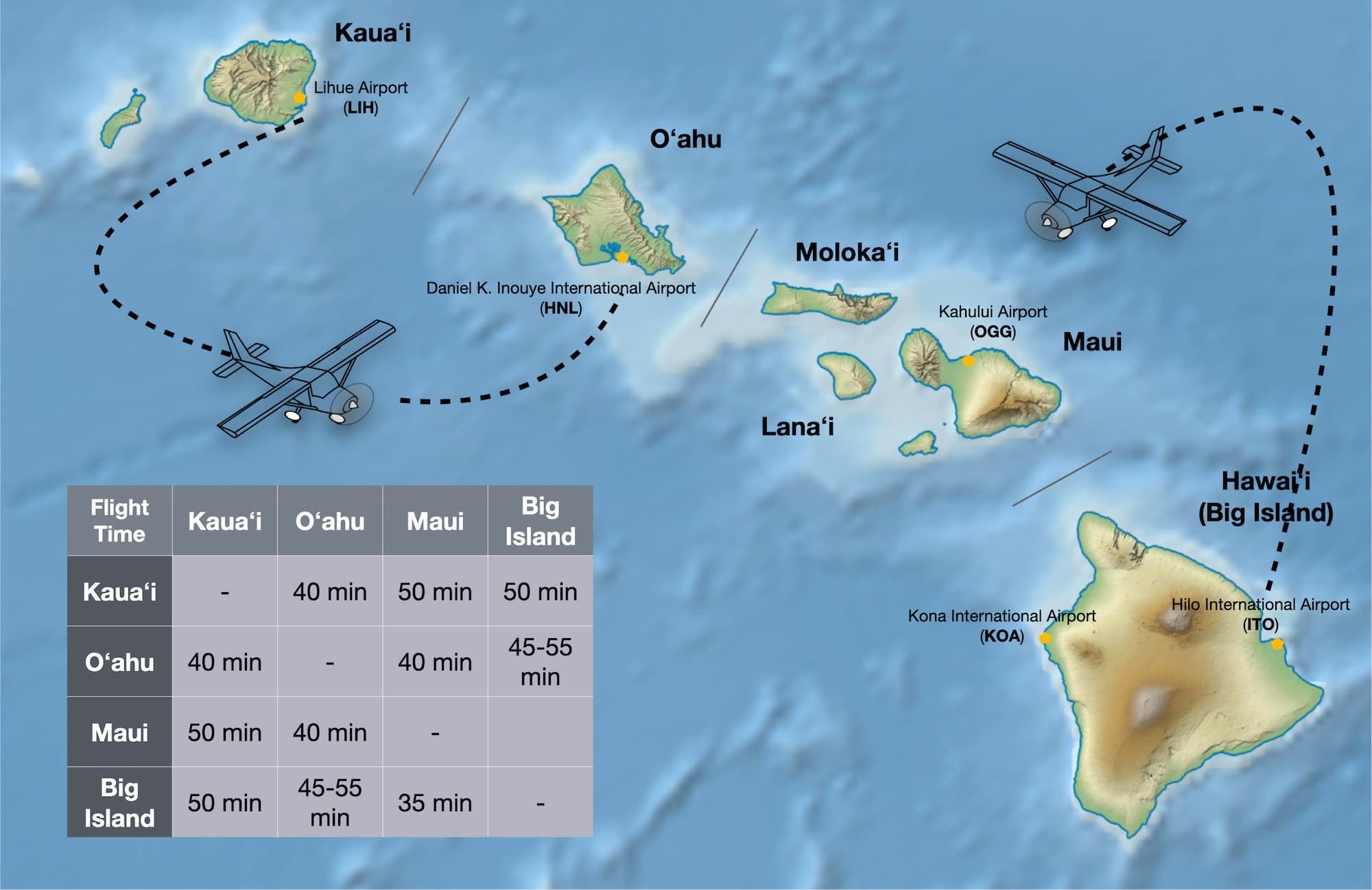
- Daniel K. Inouye International Airport (HNL), Honolulu, Oahu: The largest and busiest airport, serving as the primary hub for most international and mainland flights. If your first stop is Oahu, this is your gateway.
- Kahului Airport (OGG), Maui: The main airport for visitors heading to the “Valley Isle.” Many direct flights from the US mainland land here.
- Kona International Airport (KOA), Hawaii Island: Serves the Kona side of the Big Island, with direct flights from the mainland.
- Hilo International Airport (ITO), Hawaii Island: Located on the Hilo side of the Big Island, it primarily handles inter-island flights but also has some direct mainland connections.
- Lihue Airport (LIH), Kauai: The main airport for the “Garden Isle,” offering direct mainland flights.
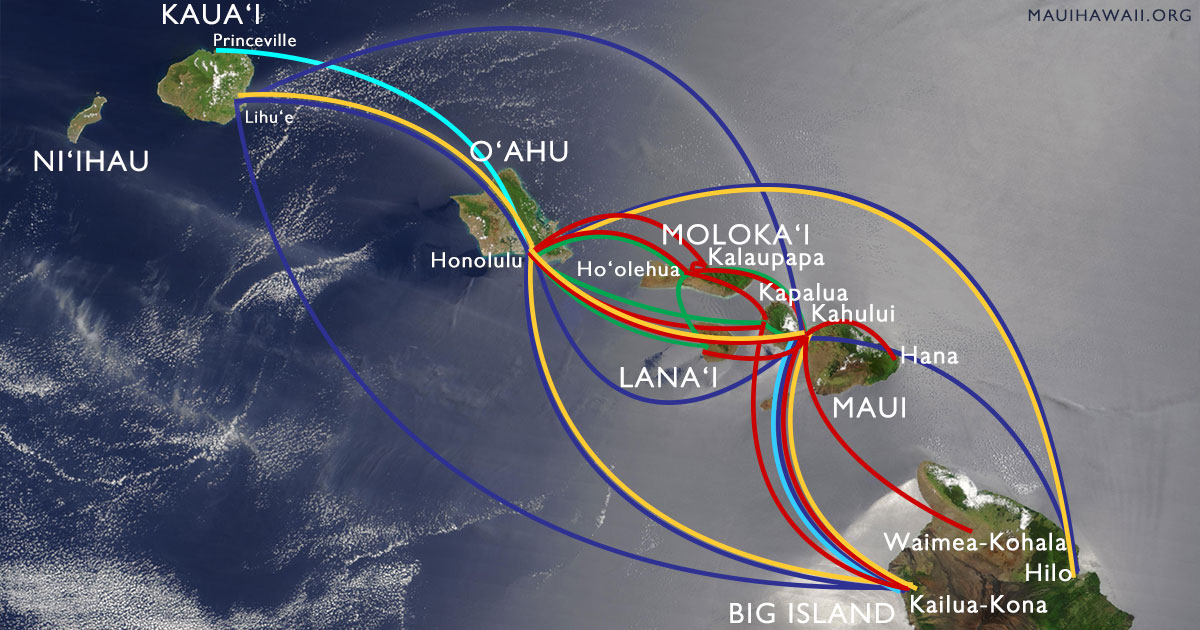
For travelers planning to visit multiple islands, flying into one major airport and then utilizing inter-island flights is common. Hawaiian Airlines and Southwest Airlines, along with commuter airlines like Mokulele Airlines, provide frequent connections between the islands of Oahu, Maui, Kauai, Hawaii Island, Molokai, and Lanai.
Cruising to Paradise: An Alternative Journey
While less common than flying, a cruise to Hawaii offers a unique and leisurely way to experience the journey. These voyages are typically longer, providing a relaxed travel pace and often include visits to multiple Hawaiian islands without the need for additional flights.
Cruise Lines Offering Hawaii Itineraries
Several prominent cruise lines feature Hawaii as a destination, each offering a distinct onboard experience. Popular options include:
- Norwegian Cruise Line: Notably, its Pride of America ship offers year-round inter-island cruises, embarking and disembarking in Honolulu, which is unique as it’s the only large ship that sails exclusively within Hawaii without visiting foreign ports, thus avoiding the Passenger Vessel Services Act restrictions for foreign-flagged ships.
- Royal Caribbean International: Offers itineraries from mainland ports, often as part of longer Pacific Ocean voyages.
- Carnival Cruise Line: Provides various cruise lengths, often repositioning cruises or round trips from California.
- Princess Cruises: Known for its longer voyages to Hawaii from the West Coast.
- Holland America Line: Offers premium cruises, often incorporating Hawaii into broader Pacific Rim itineraries.
Departure Ports for Hawaii Cruises
Most cruises to Hawaii depart from major West Coast ports in the US, and sometimes from Canada or other international locations. Common departure points include:
- Los Angeles (Long Beach / San Pedro), California
- San Francisco, California
- San Diego, California
- Seattle, Washington
- Vancouver, British Columbia, Canada
Cruises typically involve several sea days to cross the Pacific Ocean, followed by calls at various Hawaiian islands before returning to the mainland or continuing to another destination.
What to Expect on a Hawaii Cruise
Cruises offer a different travel dynamic than flying. Passengers enjoy a wide array of onboard activities, dining options, and entertainment during the long stretches at sea. The journey itself becomes a significant part of the vacation. While cruises allow you to visit multiple islands, port times are often limited, providing a taste of each location rather than an in-depth exploration. This method is ideal for those who enjoy the journey as much as the destination and prefer to unpack once.
Planning Your Journey: Key Considerations
Regardless of whether you choose to fly or cruise, several important factors should be addressed during your planning phase to ensure a smooth and enjoyable trip to Hawaii.
Best Time to Book and Travel
The timing of your booking and travel can significantly impact costs and availability.
- Booking in Advance: For flights, especially during peak seasons, booking 3-6 months in advance generally yields better prices. Cruises often require even earlier booking, sometimes 6-12 months out, to secure desired cabins and itineraries.
- Peak Seasons: Hawaii’s peak travel times include summer (June-August), winter holidays (December-January), and spring break periods (March-April). During these times, prices are higher, and availability is lower.
- Shoulder Seasons: Consider traveling during shoulder seasons (late April-May, September-November) for fewer crowds and potentially lower fares. The weather during these periods is typically still excellent.
Budgeting for Transportation
Transportation costs will be a major component of your Hawaiian travel budget.
- Flights: Fares vary widely based on departure city, time of year, airline, and how far in advance you book. Always factor in potential baggage fees, seat selection charges, and onboard meal costs if not included.
- Cruises: Cruise fares typically include accommodation, meals, and entertainment. However, additional expenses like gratuities, shore excursions, alcoholic beverages, and specialty dining can add up. Port fees and taxes are also usually extra.
- Transfers: Budget for ground transportation from the airport or port to your accommodation. Options include rental cars, shuttles, ride-sharing services, or public transit.
Entry Requirements and Documentation
As Hawaii is a US state, entry requirements depend on your nationality.
- US Citizens: A valid government-issued ID (such as a driver’s license or passport) is sufficient for air travel from the mainland. While a passport is not strictly required for domestic flights, it is recommended for all international travel and often preferred for identification purposes.
- International Travelers: A valid passport is required. Depending on your country of origin, you may need a visa or an approved ESTA (Electronic System for Travel Authorization) under the Visa Waiver Program. Ensure your travel documents are valid for at least six months beyond your intended stay.
- Agricultural Inspection: Upon arrival in Hawaii, all passengers and their luggage are subject to an agricultural inspection. This is to prevent the introduction of invasive species. Be prepared to declare any fruits, vegetables, plants, or seeds you are carrying.
Pre-Departure Checklist for a Smooth Trip
A thorough pre-departure checklist is essential to avoid any last-minute hitches and ensure a relaxed start to your Hawaiian journey.
Packing Essentials for the Journey
Focus on practicality and comfort for the long travel day.
- Travel Documents: Keep all necessary documents (boarding passes, passport/ID, accommodation confirmations) easily accessible.
- Comfortable Attire: Dress in layers for varying cabin temperatures on flights or ships.
- Entertainment: Load up your devices with movies, books, or podcasts. Consider noise-canceling headphones for improved comfort.
- Snacks and Hydration: While food is available, having your preferred snacks and a reusable water bottle (filled after security) can enhance comfort.
- Essential Medications: Keep any prescription medications in your carry-on bag.
Ground Transportation Upon Arrival
Upon landing at your chosen Hawaiian airport or docking at a port, consider your onward journey.
- Rental Cars: Highly recommended for exploring most islands, especially Maui, Kauai, and Hawaii Island. Book well in advance, especially during peak seasons.
- Shuttles & Taxis: Available at all major airports. Shuttles often provide shared rides to popular hotel zones.
- Ride-Sharing Services: Uber and Lyft operate on the main islands.
- Public Transit: On Oahu, TheBus offers an extensive network, but it may not be ideal if you have a lot of luggage. Other islands have limited public transportation options.
Getting to Hawaii is an integral part of the adventure. Whether you opt for the efficiency of air travel or the leisurely pace of a cruise, thorough planning is key. By understanding the transportation options, managing your budget, ensuring all documentation is in order, and preparing effectively, you can ensure your journey to these enchanting islands is as effortless and memorable as the destination itself. Aloha and safe travels!
LifeOutOfTheBox is a participant in the Amazon Services LLC Associates Program, an affiliate advertising program designed to provide a means for sites to earn advertising fees by advertising and linking to Amazon.com. Amazon, the Amazon logo, AmazonSupply, and the AmazonSupply logo are trademarks of Amazon.com, Inc. or its affiliates. As an Amazon Associate we earn affiliate commissions from qualifying purchases.