
For many planning a dream getaway to the enchanting islands of Hawaii, the allure extends beyond its pristine beaches and volcanic landscapes. Travelers often ponder various leisure activities, and gambling frequently surfaces as a popular pastime in many vacation destinations worldwide. However, when it comes to the Aloha State, the answer to “Is gambling legal in Hawaii?” is a resounding and unequivocal no.
Hawaii stands as one of only two U.S. states (the other being Utah) where virtually all forms of gambling are prohibited by state law. This includes everything from land-based casinos, slot machines, and poker rooms to sports betting, lotteries, and even charitable gaming. This deeply ingrained prohibition is a fundamental aspect of the state’s legislative and cultural identity, shaping the unique visitor experience it offers. Understanding this stance is crucial for any tourist hoping to fully immerse themselves in the genuine spirit of the islands, focusing on the myriad of legal and enriching activities that truly define a Hawaiian vacation.

The Unwavering Stance Against Gambling in Hawaii
Hawaii’s firm position on gambling is not a recent development but a long-standing policy deeply woven into its social fabric. Unlike many states that have gradually introduced various forms of gaming, Hawaii has consistently resisted these trends, prioritizing other values above potential revenue generation from casinos or lotteries.
A Deep-Rooted Cultural and Legislative Opposition
The prohibition of gambling in Hawaii is rooted in a combination of cultural, social, and economic considerations. The “Spirit of Aloha,” which emphasizes respect, harmony, and community well-being, is often cited as a guiding principle. Lawmakers and residents have historically expressed concerns that the introduction of gambling could lead to increased social problems, such as addiction, crime, and financial hardship for local families. There is a strong desire to preserve Hawaii’s unique natural beauty and cultural integrity, which many believe would be compromised by the commercialization and potential negative externalities associated with large-scale gambling operations.
Legislatively, the state’s criminal code explicitly outlaws gambling. Attempts to introduce bills for casinos, sports betting, or a state lottery have consistently failed to gain traction in the state legislature. While proponents occasionally argue for the potential tax revenue that could benefit public services or infrastructure, these arguments have been consistently outweighed by the strong opposition focused on protecting the state’s unique character and its residents’ quality of life. The focus remains on sustainable tourism that highlights Hawaii’s’s natural and cultural assets.
What Constitutes Gambling Under Hawaiian Law?
Under Hawaiian law, gambling is broadly defined as staking or risking something of value upon the outcome of a contest of chance or a future contingent event not under the actor’s control or influence, upon an agreement or understanding that the actor will receive something of value in the event of a certain outcome. This comprehensive definition covers virtually every form of commercial gaming found elsewhere.
Specifically, this means there are:
- No land-based casinos: You will not find any traditional casinos with table games, card rooms, or slot machines anywhere on the islands, from Oahu to Maui or the Big Island.
- No sports betting: Betting on professional or college sports, whether through physical sportsbooks or online platforms, is illegal.
- No state lottery: Unlike most U.S. states, Hawaii does not have a state-run lottery, meaning no Powerball, Mega Millions, or local scratch-off tickets.
- No poker rooms: Dedicated poker rooms or tournaments for money are prohibited.
- No slot machines or electronic gaming devices: Even in bars or private clubs, these machines are not permitted.
- No charitable gaming: While some states allow bingo nights or raffles for non-profit fundraising, these are generally also restricted or heavily regulated to prevent them from falling under the definition of illegal gambling.
It’s important for visitors to understand that participating in any of these activities, even casually, could lead to legal repercussions. The best advice is to respect Hawaii’s laws and avoid any activities that could be construed as gambling.
Beyond the Casino: Exploring Hawaii’s Unique Appeal
While the absence of gambling might be a surprise for some, it is precisely this distinction that allows Hawaii to offer an unparalleled vacation experience focused on natural beauty, adventure, and cultural richness. Tourists are encouraged to embrace the island’s unique offerings, which are far more memorable and fulfilling than any casino floor.
Embracing the Spirit of Aloha
The true essence of a Hawaiian vacation lies in connecting with its distinct culture and breathtaking environment. The “Aloha Spirit” is not just a greeting; it’s a way of life that encourages living in harmony with oneself, others, and nature. This philosophy permeates every aspect of island life, from the warm hospitality of its people to the reverence for the land (aina). Visitors are invited to slow down, appreciate the present moment, and engage with the islands on a deeper level, something a bustling casino environment would fundamentally contradict. Instead of chasing a jackpot, tourists can find true richness in the sun-drenched beaches, verdant valleys, and vibrant ocean life.
Outdoor Adventures and Natural Wonders
Hawaii is an outdoor enthusiast’s paradise, offering an incredible array of activities that require no entry fee beyond perhaps a park pass. Each island boasts its own unique set of attractions and adventures:
- Oahu: Home to the bustling capital city of Honolulu and the iconic Waikiki Beach, Oahu offers world-class surfing, snorkeling at Hanauma Bay, and hiking up Diamond Head for panoramic views. Visitors can also delve into history at Pearl Harbor.
- Maui: Known as the “Valley Isle,” Maui is famous for its scenic Road to Hana, sunrise views from Haleakala volcano, and exceptional whale watching (seasonal). The beaches of Maui are ideal for swimming, sunbathing, and watersports.
- Kauai: The “Garden Isle” is a haven for nature lovers, with dramatic cliffs of the Na Pali Coast, Waimea Canyon (the “Grand Canyon of the Pacific”), and lush tropical rainforests perfect for hiking and exploring.
- Big Island: Officially Hawaii Island, it’s famous for its active volcanoes within Volcanoes National Park, diverse climate zones, and opportunities for stargazing from Mauna Kea. Snorkeling with manta rays off Kona or exploring the waterfalls near Hilo are unforgettable experiences.
- Molokai and Lanai: These smaller islands offer a quieter, more authentic Hawaiian experience, focusing on unspoiled nature and local culture.

From surfing the legendary waves of the North Shore to snorkeling in vibrant coral reefs, hiking through volcanic craters, or simply relaxing on a black sand beach, Hawaii offers a wealth of activities that are inherently rewarding and unforgettable.
Cultural Immersion and Culinary Delights
Beyond its natural beauty, Hawaii’s rich Polynesian heritage offers incredible opportunities for cultural immersion. Attending a traditional lu’au, where you can enjoy authentic Hawaiian food, hula dancing, and storytelling, is a must-do. Visitors can also explore historical sites, learn about ancient Hawaiian traditions, or visit cultural centers like the Polynesian Cultural Center on Oahu.
The culinary scene in Hawaii is another highlight, blending traditional Hawaiian flavors with influences from Asia and the Pacific Rim. Savor fresh poke, kalua pig cooked in an imu, shave ice, and a vast array of tropical fruits. Exploring local farmers’ markets, enjoying farm-to-table dining, or indulging in fresh seafood caught that day are all experiences that engage the senses and provide a true taste of the islands.
The Economic and Social Rationale Behind the Ban
Hawaii’s steadfast ban on gambling is not arbitrary; it’s a deliberate policy choice underpinned by strong economic and social principles aimed at preserving the state’s unique character and fostering a sustainable future.
Protecting Local Communities and Quality of Life
One of the primary reasons for the ban is the protection of Hawaii’s’s local communities. Proponents of the ban argue that the social costs associated with widespread gambling—such as increased rates of gambling addiction, potential rises in crime, and financial distress among vulnerable populations—would outweigh any economic benefits. The state places a high value on maintaining a strong sense of community, family, and social well-being. Introducing large-scale gambling operations could introduce social pathologies that would erode these foundational values, impacting the quality of life for residents across all islands. Hawaii aims to avoid becoming a destination primarily known for gambling, which could fundamentally alter its identity and attract a different demographic of tourists than its current eco- and culture-conscious visitors.
A Sustainable Tourism Model
Hawaii’s’s tourism industry is built on a model of sustainability and respect for the environment and local culture. The state markets itself as a destination for natural beauty, adventure, relaxation, and cultural enlightenment. This approach seeks to attract visitors who appreciate these qualities, rather than those primarily seeking entertainment from casinos. By avoiding gambling, Hawaii maintains its focus on eco-tourism, cultural preservation, and outdoor activities, ensuring that its natural resources and unique heritage remain central to its appeal. This strategy aims to create a more resilient and environmentally friendly tourism economy, less susceptible to the boom-and-bust cycles sometimes associated with gambling-centric destinations. The emphasis is on enriching experiences that foster a deeper connection between visitors and the islands, promoting repeat visits based on genuine appreciation rather than transient entertainment.
Addressing Common Misconceptions and Future Prospects
Despite the clear legal framework, questions and misconceptions about gambling in Hawaii often arise, particularly concerning specific scenarios or potential future changes.
What About Cruise Ships and Private Games?
A common question concerns cruise ships. While gambling is illegal within Hawaii’s state waters, cruise ships often offer casinos and gambling activities once they enter international waters, typically 12 miles offshore. Passengers can participate in these games while the ship is at sea and outside of Hawaii’s jurisdiction. However, once the ship is docked or sailing within Hawaiian waters, all gambling activities must cease. It’s crucial for visitors to understand this distinction and not attempt to gamble once they are within the state’s legal purview.
Regarding private games, casual social gambling among friends, where no “house” takes a cut or profit (i.e., poker nights at home with no rake), generally exists in a gray area but is still technically illegal if money is involved. The state’s broad definition of gambling makes most forms of wagering problematic. It’s always safest to err on the side of caution and avoid any form of gambling for money while in Hawaii.
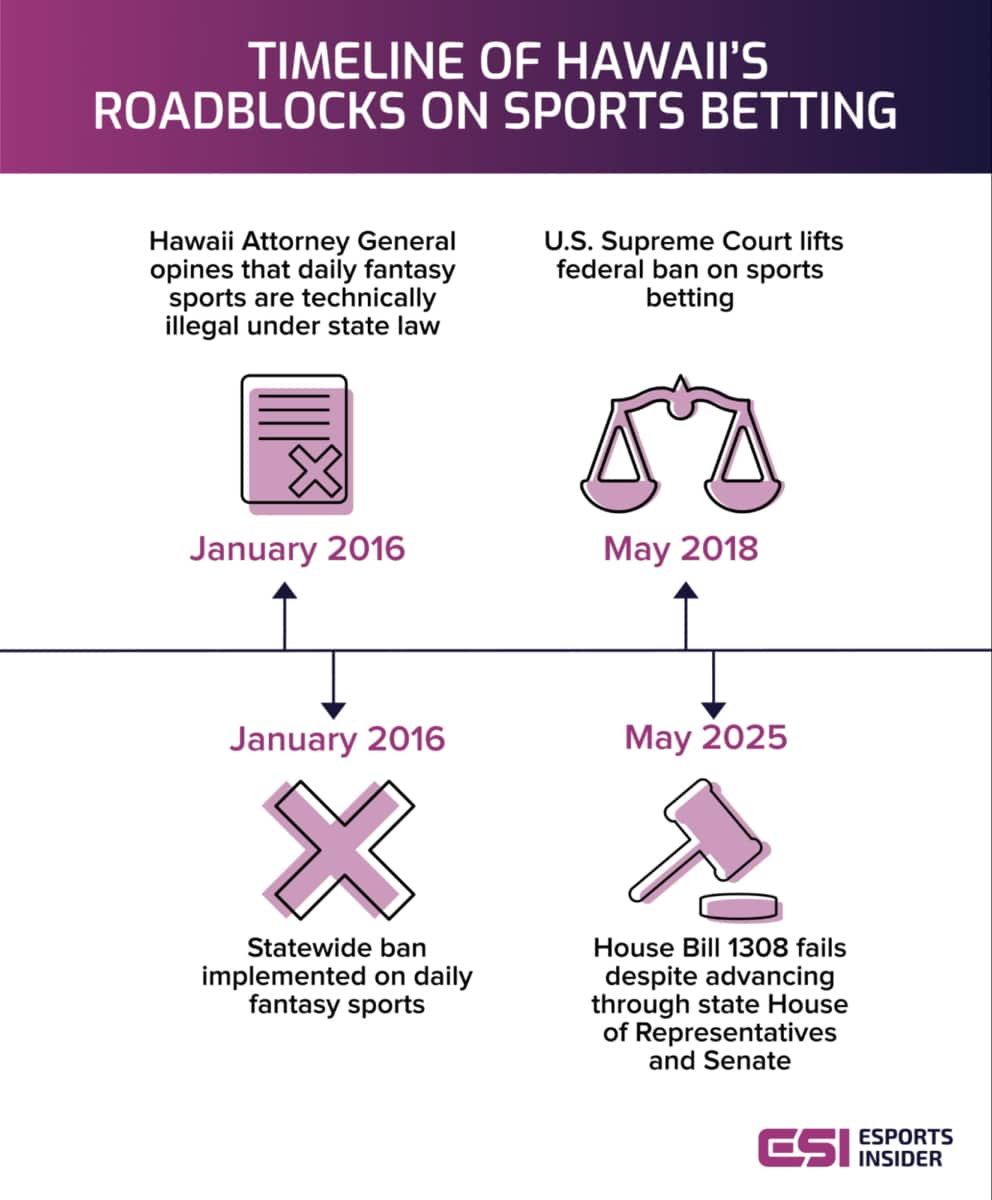
The Ongoing Debate: A Glimpse into Potential Changes?
Periodically, proposals to legalize some form of gambling, usually a state lottery or limited casino resorts, surface in the Hawaiian legislature. These discussions are often driven by considerations of generating additional tax revenue for the state, especially during economic downturns or budget shortfalls. However, these proposals invariably face fierce opposition from a coalition of community groups, religious organizations, and environmentalists who remain steadfast in their belief that gambling would be detrimental to the state’s culture and residents.
While the debate may continue to simmer, especially as other states expand their gambling offerings, the strong cultural and political resistance in Hawaii suggests that a significant change in its gambling laws is highly unlikely in the foreseeable future. The state’s unique identity, built on aloha, natural splendor, and cultural richness, continues to be prioritized over the potential economic gains from gaming.
In conclusion, for those dreaming of a Hawaiian escape, be assured that while the thrill of the casino floor may be absent, the islands offer an unparalleled richness of experiences that will leave you feeling truly fortunate. Embrace the opportunity to connect with nature, immerse yourself in a vibrant culture, and discover adventures that far outshine any roll of the dice. Hawaii is a destination where the true jackpot lies in its breathtaking landscapes, warm spirit, and unforgettable moments.
LifeOutOfTheBox is a participant in the Amazon Services LLC Associates Program, an affiliate advertising program designed to provide a means for sites to earn advertising fees by advertising and linking to Amazon.com. Amazon, the Amazon logo, AmazonSupply, and the AmazonSupply logo are trademarks of Amazon.com, Inc. or its affiliates. As an Amazon Associate we earn affiliate commissions from qualifying purchases.