
For prospective travelers and curious minds alike, the question of Phoenix, Arizona‘s temperature is far more nuanced than a single daily forecast. Nestled deep within the vast expanse of the Sonoran Desert, Phoenix offers a climate experience unlike almost any other major U.S. city. While today’s specific reading is just a snapshot, understanding the broader climatic patterns of the Valley of the Sun is paramount to planning an unforgettable visit. This guide delves into the distinctive weather characteristics of Phoenix, providing insights into what temperatures to expect throughout the year and how to best navigate them for a truly enriching travel experience.
Decoding Phoenix’s Climate: A Year-Round Guide for Travelers
The desert metropolis of Phoenix is famous for its abundant sunshine and hot temperatures, but the precise nature of that heat, and how it fluctuates, is key to appreciating this dynamic destination. Arizona’s capital enjoys over 300 days of sunshine annually, a major draw for visitors seeking warmth, especially during colder months elsewhere. However, this consistent sunshine comes with significant seasonal variations that dictate the rhythm of life and tourism in the region.
The Sonoran Desert Signature: Dry Heat Explained
One of the most defining characteristics of Phoenix’s climate is its “dry heat.” Unlike humid climates where high temperatures feel oppressive and sticky, Phoenix’s low humidity means that even scorching temperatures can feel more manageable. The air is often crisp, and sweat evaporates quickly, providing a cooling effect that is less prevalent in tropical or subtropical regions. This dry heat is a direct result of the city’s location within the Sonoran Desert, one of the hottest deserts in North America, characterized by sparse rainfall and clear skies for much of the year. Travelers often find that 100-degree Fahrenheit weather in Phoenix can feel similar to 85-90 degrees in a high-humidity environment, though respect for the sun’s intensity is always essential. Understanding this distinction is crucial for setting expectations and preparing adequately for your journey.
Seasonal Snapshots: From Scorching Summers to Delightful Winters
The year in Phoenix can be broadly divided into two primary seasons: a long, intensely hot summer and a mild, pleasant winter.
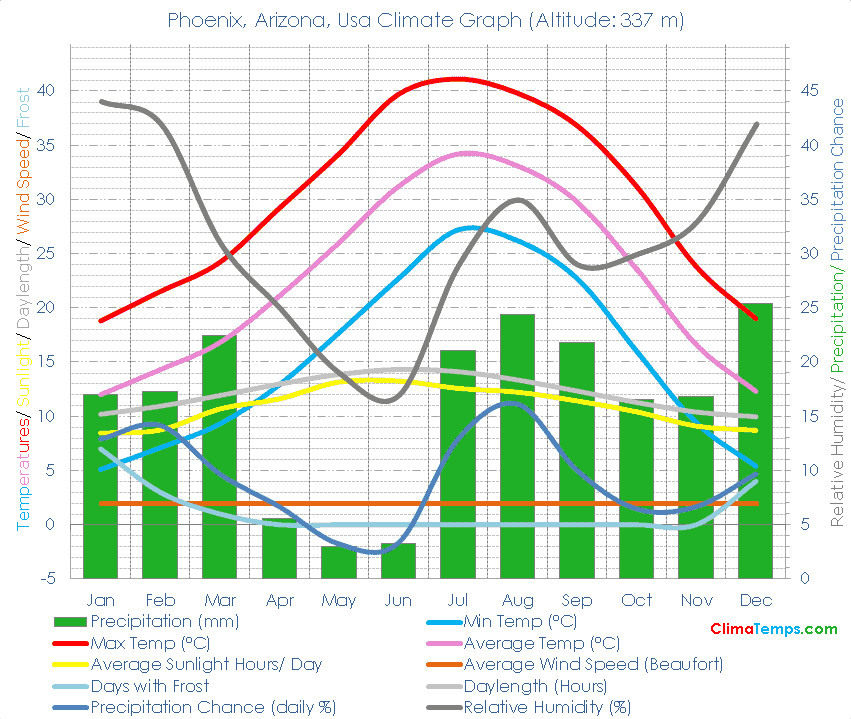
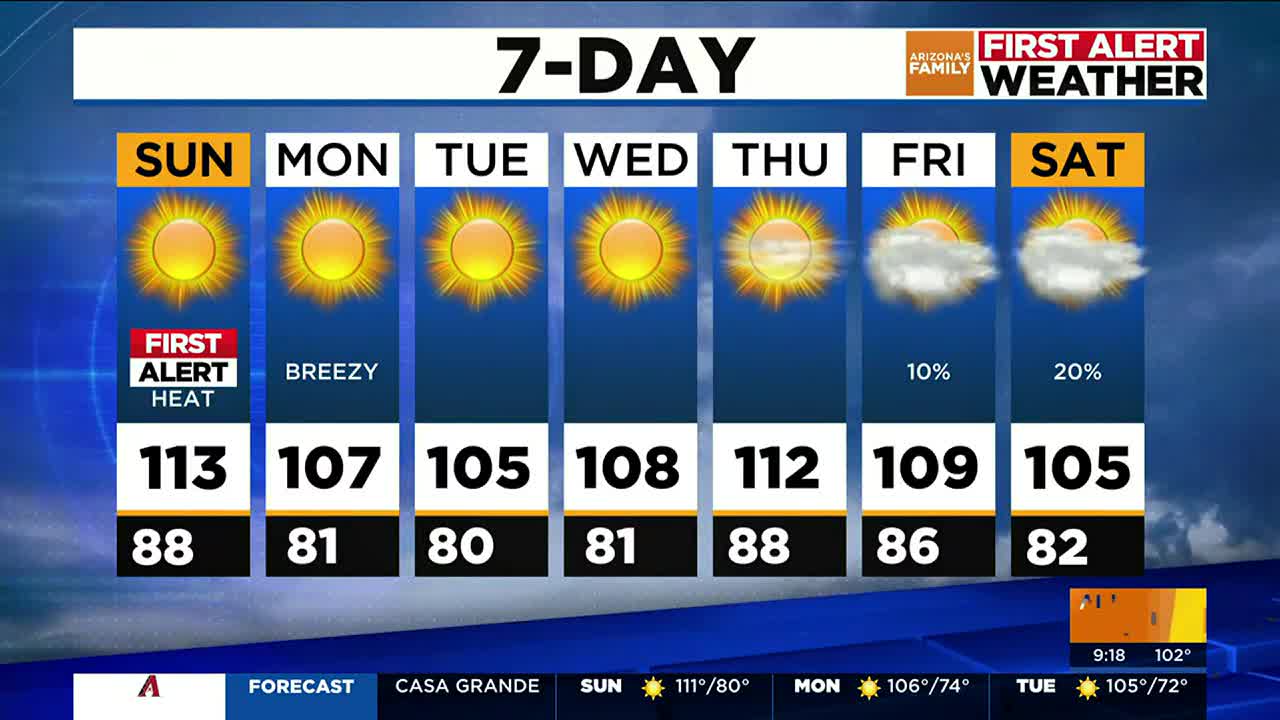
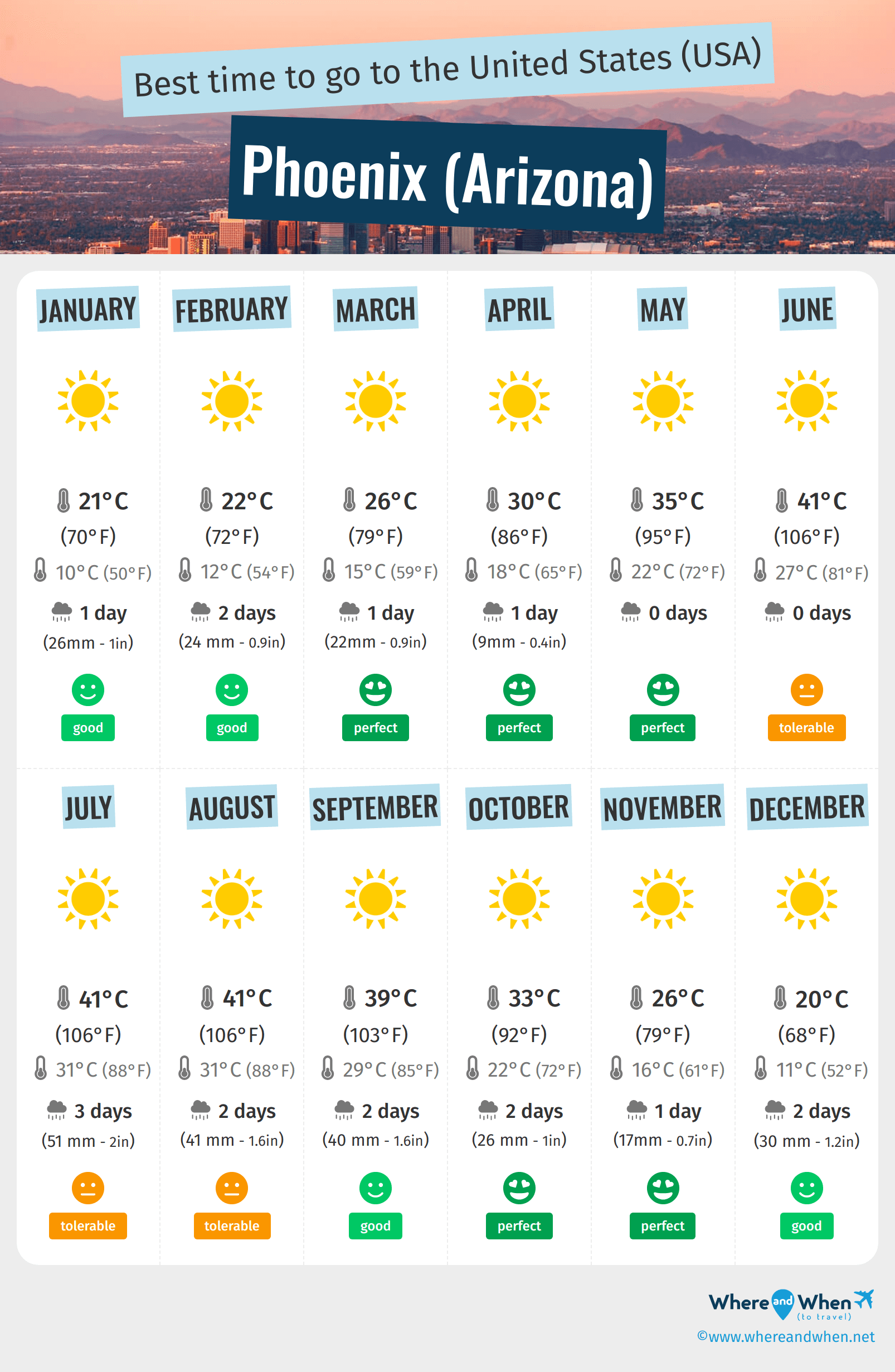
- Summer (June to September): This is when Phoenix truly lives up to its reputation for extreme heat. Daily high temperatures routinely exceed 100°F (38°C), often climbing into the 110s°F (43-46°C) and occasionally higher. Nights offer some reprieve, typically cooling into the 80s°F (27-32°C). While formidable, the dry nature of the heat, combined with widespread air conditioning, makes it bearable for many. This season also brings the short but intense “Monsoon Season” from late June to September, characterized by dramatic thunderstorms, heavy rain, and dust storms (haboobs).
- Fall (October to November): As summer transitions, Phoenix begins to cool beautifully. October sees temperatures comfortably in the 80s°F (27-32°C) during the day, making it a highly desirable time to visit. By November, daytime highs typically hover in the 70s°F (21-26°C), with cool, crisp evenings.
- Winter (December to February): This is Phoenix’s peak tourist season, and for good reason. Temperatures are idyllic, with daytime highs consistently in the 60s°F to low 70s°F (16-24°C). Nights are cool, often dropping into the 40s°F (4-9°C), perfect for enjoying outdoor patios with a light jacket. Rainfall is minimal, and the skies are almost perpetually clear and blue.
- Spring (March to May): A glorious time to visit, spring in Phoenix is characterized by steadily rising temperatures and blooming desert flora. March usually sees highs in the 70s°F (21-26°C), climbing into the 80s°F (27-32°C) in April, and reaching the low 90s°F (32-37°C) by May. This period offers abundant sunshine and perfect conditions for outdoor activities before the intense summer heat sets in.
Strategic Planning: When to Visit Phoenix for Your Ideal Experience
Choosing the right time to visit Phoenix largely depends on your tolerance for heat and the type of activities you wish to pursue. Each season presents a distinct set of opportunities and challenges for travelers.
The Peak Season Advantage: Winter’s Allure
From roughly October through April, Phoenix transforms into a paradise for those escaping colder climates. The mild, sunny weather is perfect for a vast array of outdoor activities. This period is prime time for hiking scenic trails, playing championship golf courses, and exploring the Sonoran Desert in comfort. Events like the Waste Management Phoenix Open and Cactus League Spring Training draw massive crowds, creating a vibrant, energetic atmosphere across the city and surrounding areas like Scottsdale, Mesa, and Tempe. While accommodation prices are generally higher during this peak season, the comfortable climate often makes the premium worthwhile for many travelers. For those prioritizing outdoor adventures and a lively social scene, winter and spring are unequivocally the best times to experience Phoenix.
Embracing the Off-Peak: Summer’s Unique Charms
While often overlooked due to its extreme heat, Phoenix in the summer holds its own unique charm and advantages for certain travelers. The most significant benefit is substantially lower prices for flights, hotels, and attractions. Many luxurious resorts, such as the Arizona Biltmore, A Waldorf Astoria Resort or The Camby, Autograph Collection, offer compelling deals, making a high-end experience more accessible. Travelers who don’t mind the heat, or who plan to spend most of their time indoors enjoying world-class amenities, spas, and air-conditioned attractions, will find summer to be an excellent value proposition. Early morning outdoor activities are still possible before the mercury soars, and evenings often bring stunning sunsets and slightly cooler temperatures perfect for dining al fresco on misters-cooled patios. Moreover, witnessing a monsoon thunderstorm roll in over the desert mountains is an awe-inspiring experience unique to summer.
Maximizing Your Phoenix Adventure: Activities for Every Temperature
No matter when you visit, Phoenix offers a wealth of activities. The key is to strategically plan your itinerary around the daily temperature fluctuations.
Outdoor Exploration: Trails, Golf Courses, and Botanical Gardens
When temperatures are mild (October-April), Phoenix’s natural beauty truly shines. Hiking is a quintessential desert experience, with popular spots like Camelback Mountain, Piestewa Peak, and the sprawling South Mountain Park and Preserve offering trails for all skill levels and panoramic city views. Golf enthusiasts will find themselves in heaven, with over 200 courses, many designed by renowned architects, spread across the metropolitan area. A visit to the Desert Botanical Garden is a must, showcasing the incredible biodiversity of the Sonoran Desert with its unique cacti and succulent collections. For a more relaxed outdoor experience, explore Papago Park, home to the famous Hole-in-the-Rock formation and the Phoenix Zoo.
Indoor Retreats: Museums, Spas, and Culinary Delights
During the hotter months, or simply when you need a break from the sun, Phoenix boasts an impressive array of indoor attractions. The Musical Instrument Museum offers an immersive journey through global music history, while the Heard Museum celebrates Native American art and culture. Art lovers should not miss the Phoenix Art Museum, and architecture enthusiasts will marvel at Frank Lloyd Wright’s Taliesin West, a UNESCO World Heritage site. Phoenix is also a haven for culinary exploration, with a burgeoning food scene ranging from authentic Southwestern cuisine to innovative fine dining experiences. Many restaurants offer refreshing indoor dining, providing a comfortable escape from the heat. Indulging in a spa day at one of the many luxurious resorts, such as the W Scottsdale, is another excellent way to relax and rejuvenate out of the sun. For family fun, indoor amusement parks like Castles N’ Coasters provide air-conditioned entertainment.
Evening Escapades: Enjoying the Cooler Hours
As the sun dips below the horizon, painting the desert sky with fiery hues, Phoenix comes alive with cooler temperatures. This is the perfect time for evening strolls through vibrant districts like Old Town Scottsdale, exploring its galleries, boutiques, and lively nightlife. Catch a professional sports game – the Phoenix Suns (NBA) at Footprint Center (formerly Talking Stick Resort Arena), the Arizona Diamondbacks (MLB) at Chase Field, or the Phoenix Mercury (WNBA) – or enjoy a concert at one of the city’s many venues. Evenings are also ideal for stargazing in less light-polluted areas surrounding the city or enjoying a leisurely dinner on a patio as the desert breeze offers sweet relief. For those interested in nightlife, areas in Glendale and Tempe also offer diverse options.
Preparing for Phoenix’s Sun: Essential Gear and Health Tips
Regardless of the time of year, packing and preparing wisely for Phoenix’s intense sun and dry climate is paramount for a comfortable and safe travel experience.
Smart Packing: Layers, Fabrics, and Footwear
Lightweight, breathable fabrics are your best friend in Phoenix. Cotton, linen, and moisture-wicking synthetic materials are ideal. Even in summer, long sleeves and pants made of these materials can offer better sun protection than shorts and tank tops. For winter visits, layers are key: pack light shirts for daytime, and a sweater or light jacket for cool evenings and mornings. A wide-brimmed hat is an absolute necessity for sun protection year-round. Comfortable walking shoes are essential for exploring attractions and trails, while sandals can be suitable for casual wear, especially around pools or resorts. Don’t forget swimwear, as pools are a significant part of the Phoenix experience, even in cooler months at heated facilities.
Hydration and Sun Safety: Your Desert Defense
Staying hydrated is non-negotiable in the Sonoran Desert. Always carry a reusable water bottle and refill it frequently, even if you don’t feel thirsty. Drink more water than you typically would, especially if you’re engaging in outdoor activities. Electrolyte-rich beverages can also be beneficial. Sunscreen with a high SPF (30+) should be applied liberally and frequently, even on cloudy days or during shorter outdoor excursions. Sunglasses are also crucial to protect your eyes from the intense glare. It’s advisable to schedule outdoor activities for the early mornings or late afternoons, avoiding the peak sun hours between 10 AM and 4 PM, particularly in the summer. Listen to your body and seek shade or air conditioning if you feel overheated. Recognizing the signs of heat exhaustion or heatstroke is important for your safety and the safety of your travel companions.
In conclusion, while “What’S The Temperature In Phoenix, Arizona Today?” is a simple question, the answer is a gateway to understanding a complex and captivating desert environment. By appreciating its unique climate and planning accordingly, travelers can transform a potentially challenging destination into a truly extraordinary and comfortable adventure, whether seeking winter warmth or embracing the intense beauty of a summer desert.
LifeOutOfTheBox is a participant in the Amazon Services LLC Associates Program, an affiliate advertising program designed to provide a means for sites to earn advertising fees by advertising and linking to Amazon.com. Amazon, the Amazon logo, AmazonSupply, and the AmazonSupply logo are trademarks of Amazon.com, Inc. or its affiliates. As an Amazon Associate we earn affiliate commissions from qualifying purchases.