
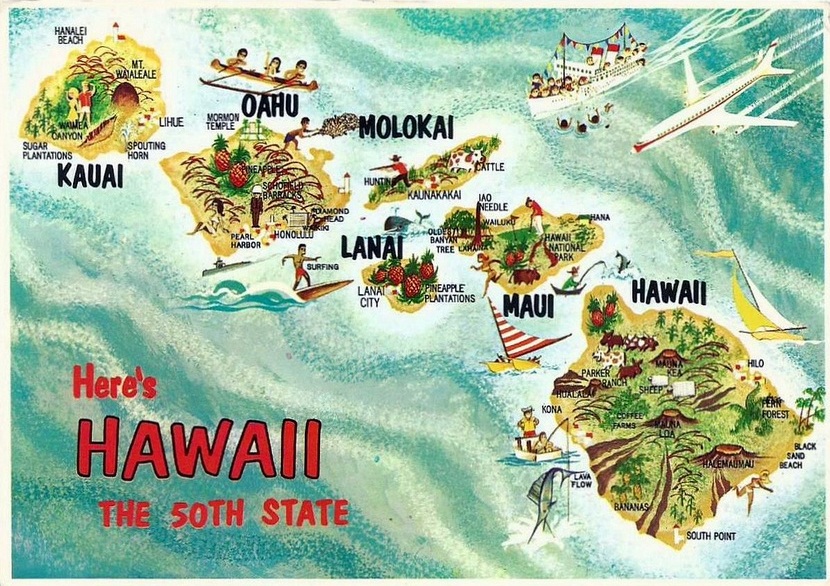
The question “Is Hawaii a United States Territory?” is a common one, often born from a misunderstanding of this archipelago’s unique history and geographical isolation. While Hawaii might feel distinct due to its Polynesian heritage, tropical climate, and position far out in the Pacific Ocean, its political status is firmly established. The unequivocal answer is no; Hawaii is not a territory, but rather the 50th state of the United States of America. This fact, while seemingly straightforward, carries profound implications for travelers, residents, and the state’s role within the broader American identity. Understanding Hawaii’s journey from an independent kingdom to a full-fledged state reveals a rich tapestry of cultural exchange, geopolitical maneuvering, and the enduring spirit of its people. For anyone planning a visit to these enchanting islands, grasping this fundamental truth is crucial to appreciating the seamless integration and yet distinct identity that defines the Aloha State.
Dispelling the Myth: Hawaii’s Status Defined
The misconception that Hawaii might still be a territory often stems from its relatively recent admission to the union compared to most other states, coupled with its non-contiguous location. However, Hawaii’s path to statehood is a compelling narrative that firmly places it as an equal among its continental counterparts.
From Kingdom to Republic: A Brief History
Before its association with the United States, Hawaii was a sovereign nation. For nearly a century, from 1810 to 1893, the islands were united under the Kingdom of Hawaii, ruled by a succession of monarchs, including the revered King Kamehameha I. This period saw significant engagement with Western powers, including missionaries and traders, which gradually began to shift the political and economic landscape of the islands. The monarchy, particularly under Queen Liliʻuokalani, faced increasing pressure from American and European businessmen and landowners who sought greater influence and economic control. In 1893, a group of these foreign residents, primarily American, orchestrated an overthrow of the monarchy with the support of the United States Minister to Hawaii and a contingent of US Marines. This led to the establishment of the Republic of Hawaii in 1894, a short-lived government largely controlled by the same individuals who had overthrown the monarchy.
The Territorial Period: A Stepping Stone to Statehood
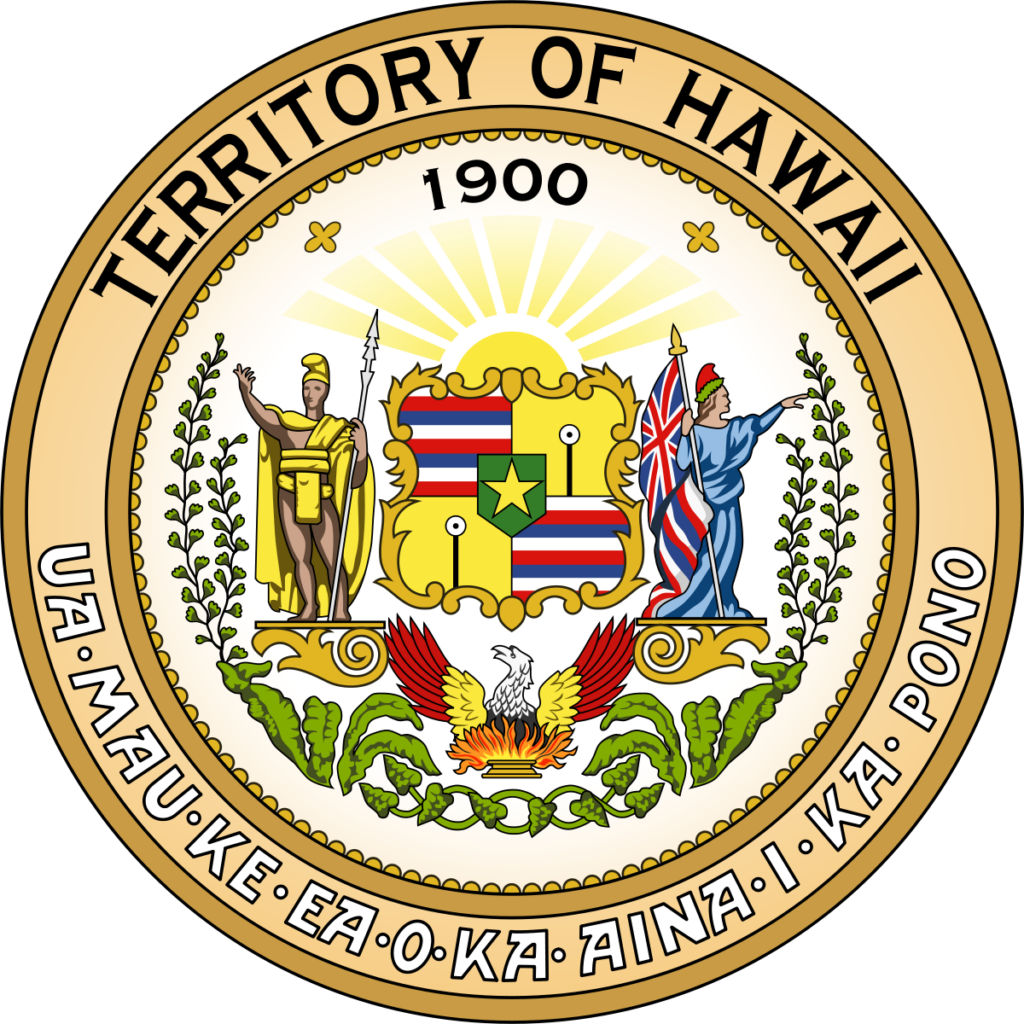
The Republic of Hawaii immediately sought annexation by the United States. Despite some domestic opposition in both Hawaii and the US, geopolitical considerations, particularly the growing strategic importance of naval bases in the Pacific Ocean during the Spanish-American War, swayed opinion. In 1898, the United States officially annexed Hawaii through the Newlands Resolution, transforming it into the Territory of Hawaii. This marked the beginning of a significant transition period for the islands. As a territory, Hawaii was governed by a presidentially appointed governor, and its residents were United States citizens but lacked full voting representation in Congress. The territorial era, lasting over six decades, saw immense economic development, particularly in pineapple and sugarcane plantations, and solidified Hawaii’s strategic importance, especially after the attack on Pearl Harbor during World War II.
The Path to Statehood: Becoming the 50th State
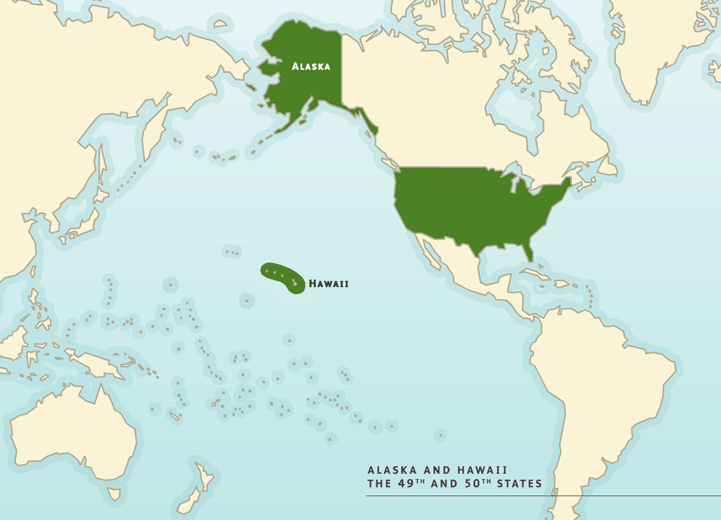
The desire for statehood grew steadily throughout the territorial period, championed by a diverse coalition of local residents who sought full political equality and the right to self-determination. After years of petitions, political maneuvering, and congressional debates, the culmination arrived in 1959. On March 12, 1959, President Dwight D. Eisenhower signed the Hawaii Admission Act, paving the way for a plebiscite. On June 27, 1959, Hawaiian residents voted overwhelmingly in favor of statehood, with 94.3% of the votes cast in favor of joining the union. On August 21, 1959, President Eisenhower issued a proclamation admitting Hawaii as the 50th state of the United States, following just seven months after Alaska became the 49th state. This historic moment brought full federal representation, the ability to elect their own governor, and equal standing under the US Constitution.
The Implications of Statehood for Travelers
For travelers, Hawaii’s status as a state, rather than a territory, translates into a seamless and reassuring travel experience, making it an incredibly popular destination for domestic and international visitors alike.
Seamless Domestic Travel
One of the most significant advantages of Hawaii’s statehood for travelers from the United States is the absence of international travel requirements. Americans do not need a passport to visit Hawaii, nor do they pass through customs or immigration checkpoints upon arrival or departure. Flights from the mainland US to Hawaii are considered domestic, simplifying the booking process and eliminating potential hurdles associated with international travel. This ease of access significantly boosts Hawaii’s appeal, making it as accessible as visiting California or Florida from a logistical standpoint, albeit with a much longer flight time. For international visitors, while a passport and appropriate US visa (or ESTA under the Visa Waiver Program) are required to enter the United States, once cleared, travel to Hawaii from any other US state or territory is equally seamless.
Legal Frameworks and Consumer Protections
As a US state, Hawaii operates under the full protection and legal framework of the United States Constitution and federal laws. This means travelers benefit from the same consumer protections, civil rights, and legal recourse as they would in any other state. From airline regulations to hotel safety standards, environmental protections, and business practices, visitors can expect consistency and familiarity with American legal norms. This provides a strong sense of security and reliability for tourists, ensuring that their rights are protected and that they are dealing with businesses operating under stringent US standards. Furthermore, the US dollar is the official currency, and common US banking services are readily available, eliminating currency exchange hassles for American visitors and simplifying transactions for international guests.
Infrastructure and Accessibility
Statehood has also contributed to the robust infrastructure and accessibility that characterizes modern Hawaii. Federal funding and oversight have supported the development and maintenance of world-class airports, inter-island transportation, roads, and utilities. The major islands, like Oahu, Maui, Kauai, and the Big Island (Hawaii Island), are well-connected by frequent inter-island flights, making island hopping an easy and popular option for exploring the diverse landscapes and experiences Hawaii offers. The telecommunications infrastructure is modern and integrated with the continental United States, meaning cell phone service and internet connectivity are generally reliable. This level of development ensures that while you are thousands of miles from the mainland, you still enjoy the conveniences and reliability associated with traveling within the United States.
What Makes Hawaii a Unique US Destination?
Beyond its political status, Hawaii stands out as a truly unique destination within the United States, offering a distinct cultural tapestry and unparalleled natural beauty.
A Blend of Cultures: Polynesian Heritage and American Influence
Hawaii’s identity is profoundly shaped by its rich indigenous Polynesian heritage, blended with significant influences from Asia (particularly Japan, China, and the Philippines) and, of course, the continental United States. This cultural fusion is evident in everything from its language (Hawaiian is an official language alongside English), to its cuisine, music, and traditions. Visitors can immerse themselves in traditional hula performances, attend a luau, learn about the historical significance of places like Iolani Palace (the only royal palace in the US), and experience the pervasive “Aloha spirit” – a philosophy of kindness, respect, and compassion. This vibrant mix ensures that while you are within the United States, you are also transported to a place with a deeply rooted and distinctly different cultural essence, offering an enriching experience beyond typical American travel.
Diverse Landscapes and Natural Wonders
Geographically, Hawaii is a marvel of biodiversity and dramatic landscapes. Each island presents its own unique ecological wonders. Oahu boasts the iconic surf breaks of the North Shore and the urban vibrancy of Honolulu, crowned by Diamond Head overlooking Waikiki Beach. Maui is home to the stunning sunrise from Haleakala National Park and the lush Road to Hana. Kauai, the “Garden Isle,” mesmerizes with the majestic cliffs of the Na Pali Coast and its verdant interior. The Big Island offers the active volcanoes of Hawaii Volcanoes National Park, where visitors can witness the raw power of creation at Kilauea and the towering presence of Mauna Loa. From black sand beaches to snow-capped mountains, dense rainforests to arid volcanic deserts, Hawaii’s natural environment is an endless source of exploration and awe.
A Vibrant Economy Supporting Tourism
Tourism is the largest single contributor to Hawaii’s economy, directly and indirectly supporting a vast array of businesses and employment opportunities. As a US state, Hawaii benefits from federal programs and a stable economic environment that fosters investment in the hospitality sector. This means a well-developed tourism infrastructure, including a wide range of accommodations from luxury resorts to boutique hotels and vacation rentals, diverse dining options, and a plethora of activities and tours. The state’s commitment to preserving its natural beauty and cultural integrity also plays a crucial role in maintaining its appeal as a sustainable and responsible travel destination. For travelers, this translates into high-quality services, experienced tour operators, and a diverse selection of experiences designed to cater to various interests and budgets.
Planning Your Trip to the Aloha State
Armed with the knowledge that Hawaii is indeed a state, planning your trip becomes an exercise in choosing which paradise to explore and how best to experience its magic.
Key Islands to Explore: Oahu, Maui, Kauai, and the Big Island
Each of Hawaii’s main islands offers a distinct personality and set of attractions.
- Oahu is often the first point of entry, home to Honolulu, Waikiki Beach, and historical sites like Pearl Harbor. It blends urban sophistication with stunning natural beauty and world-famous surfing.
- Maui is celebrated for its romantic landscapes, luxurious resorts, the scenic Road to Hana, and the volcanic grandeur of Haleakala. It’s a favorite for honeymooners and families seeking both relaxation and adventure.
- Kauai offers a more serene and rugged experience, with its dramatic Na Pali Coast, lush rainforests, and fewer crowds. Ideal for nature lovers and adventurers.
- The Big Island, or Hawaii Island, lives up to its name, offering vast diversity from active volcanoes in Hawaii Volcanoes National Park to snow-capped Mauna Kea, black sand beaches, and coffee plantations.
Consider what type of experience you seek – bustling city life, serene beaches, extreme adventure, or cultural immersion – to help you choose your ideal island, or plan an island-hopping itinerary.
Essential Travel Tips and Considerations
While Hawaii is part of the United States, there are specific considerations for planning your visit. Book flights and accommodations well in advance, especially during peak seasons. Renting a car is highly recommended on most islands for exploring independently. Be mindful of the sun’s intensity and practice sun safety. Respect local customs and the delicate ecosystem; “malama ‘aina” (care for the land) is a core value. Finally, be prepared for a higher cost of living and travel compared to the mainland, as most goods are imported.
Embracing the Spirit of Aloha
More than just a greeting, “Aloha” embodies a way of life in Hawaii characterized by love, peace, compassion, and mutual respect. When you visit, take the opportunity to not just see the sights but to engage with the culture and adopt this spirit. Learn a few Hawaiian words, try local cuisine, participate in cultural events, and respect the environment and its people. This engagement will deepen your appreciation for Hawaii’s unique identity and make your journey to the 50th state an unforgettable experience.
In conclusion, Hawaii’s status as a full-fledged state of the United States is integral to understanding its past, present, and future. It ensures a seamless travel experience for millions, while its distinct history and culture offer a travel destination unlike any other within the American union. Far from being a mere territory, Hawaii stands as a vibrant testament to cultural resilience and natural splendor, inviting travelers to explore its shores as a proud and integral part of the nation.
LifeOutOfTheBox is a participant in the Amazon Services LLC Associates Program, an affiliate advertising program designed to provide a means for sites to earn advertising fees by advertising and linking to Amazon.com. Amazon, the Amazon logo, AmazonSupply, and the AmazonSupply logo are trademarks of Amazon.com, Inc. or its affiliates. As an Amazon Associate we earn affiliate commissions from qualifying purchases.