
Understanding the economic heartbeat of a major metropolis like Los Angeles is essential for anyone planning an extended stay, a business relocation, or even a deep-dive budget travel experience. The city is often perceived through the lens of glamour, celebrity culture, and pristine beaches, but beneath the surface lies a complex economic engine driven largely by labor laws and wage standards. For many, the question “What’s the minimum wage in Los Angeles?” isn’t just about statistics; it is about understanding the cost of living, the price of services, and the lifestyle expectations in one of the most expensive regions in the United States.
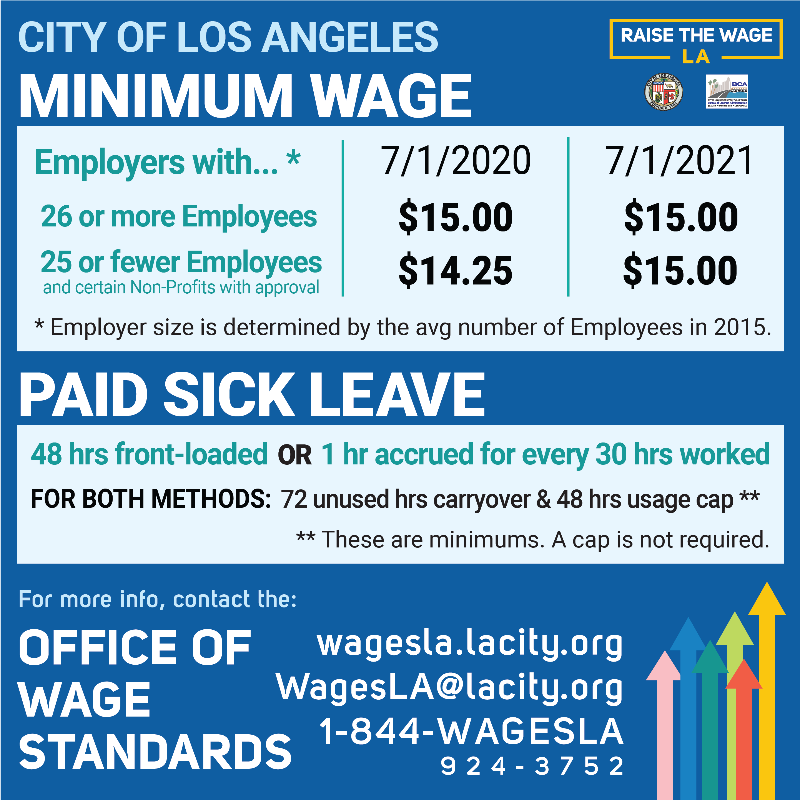
As of July 1, 2024, the minimum wage in the City of Los Angeles increased to $17.28 per hour. This rate applies to all employees who work at least two hours a week within the city limits, regardless of the size of the employer. This adjustment is part of a broader trend across California to align wages with the rapidly inflating costs of housing, transport, and daily necessities. For the lifestyle-conscious traveler or the business professional, these figures dictate everything from the price of a latte in Santa Monica to the service fees at high-end resorts.
The Economic Landscape of Southern California
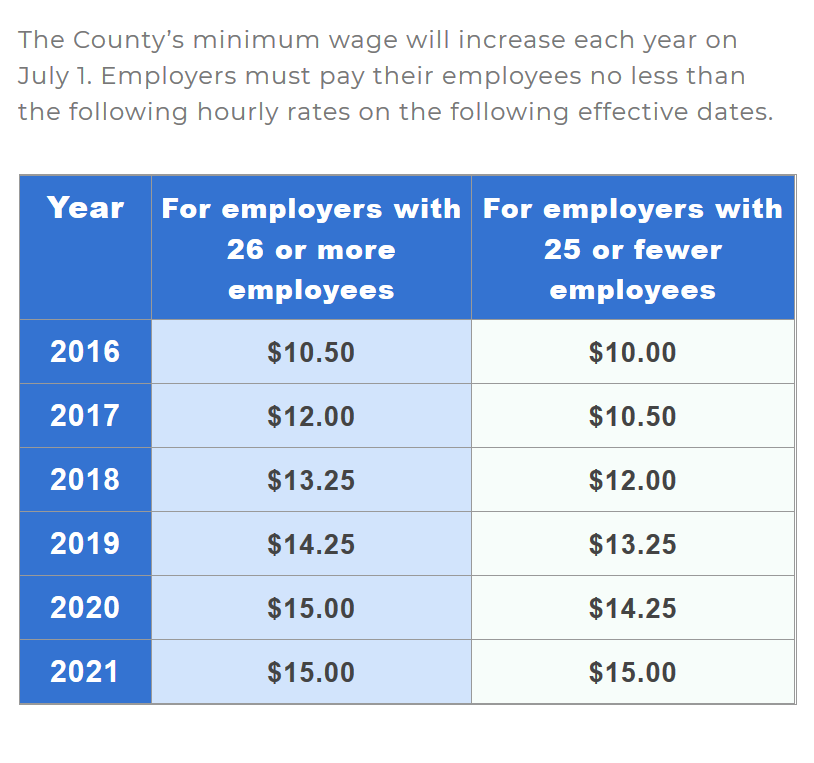
The economic structure of Southern California is a tapestry of various industries, including entertainment, aerospace, technology, and tourism. Because the region is so vast, the “minimum wage” can actually vary depending on exactly where you are standing. While the city itself mandates $17.28, unincorporated areas of Los Angeles County follow a similar but distinct schedule, and nearby cities like West Hollywood or Pasadena may have their own specific requirements.
The City vs. the County: A Geographic Distinction
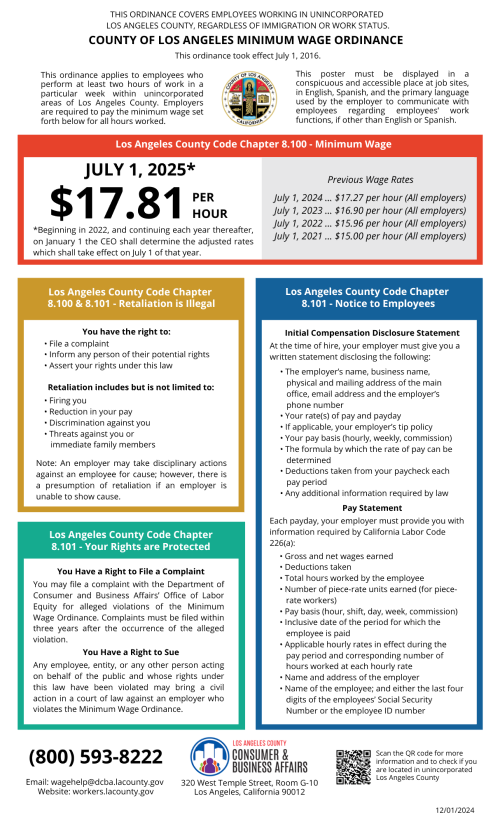
For a visitor, the distinction between the city and the county can be confusing. If you are visiting the Hollywood Walk of Fame, you are in the city. If you travel slightly north to certain parts of the San Fernando Valley, you might still be in the city, but moving into Marina del Rey could put you under county jurisdiction. Currently, Los Angeles County has matched the city’s rate of $17.28 to maintain consistency across the metropolitan area, ensuring that workers in unincorporated areas are not left behind.
Sector-Specific Wages: The Hotel Industry
Perhaps most relevant to those interested in luxury lifestyle and travel is the specific “Hotel Worker Minimum Wage.” In the City of Los Angeles, workers at hotels with 60 or more guest rooms are entitled to a higher wage rate, which currently sits at $19.73 per hour. This ordinance acknowledges the high physical demand and the vital role these workers play in the city’s massive tourism economy. When you book a stay at The Ritz-Carlton or the JW Marriott Los Angeles LA Live, a portion of the premium you pay goes toward sustaining this localized economic standard.
The Impact of Labor Costs on the Los Angeles Lifestyle
The minimum wage is a primary driver of the “cost of experience” in California. For those pursuing a lifestyle of luxury or even those seeking a comfortable mid-range vacation, these labor costs manifest in several ways. From the service charge at a trendy restaurant in Silver Lake to the price of valet parking at The Beverly Hills Hotel, the economic floor of the city shapes the ceiling of consumer prices.
Dining and the “Service Fee” Culture
In recent years, many establishments in Los Angeles have moved away from traditional tipping models or have added mandatory service fees ranging from 18% to 20%. This is often a direct response to rising minimum wages and the high cost of providing healthcare to staff. When dining at iconic spots like Spago or Nobu Malibu, visitors should be aware that the final bill reflects the city’s commitment to a higher standard of living for its workforce. While it may seem like a steep addition, it ensures that the staff providing your world-class experience can afford to live within a reasonable distance of their workplace.
The True Cost of Living: Wage vs. Reality
Despite having one of the highest minimum wages in the United States, Los Angeles remains a difficult place for many to thrive. The “living wage”—the amount required to cover basic needs like housing, food, and medical care—is estimated to be significantly higher than the legal minimum. For the lifestyle traveler, this creates a social backdrop where service is highly valued but also highly taxed by the environment. Understanding this helps travelers appreciate the effort that goes into maintaining the high-energy atmosphere of places like the Sunset Strip or the Santa Monica Pier.
Budgeting for Your Stay in a High-Wage Economy
If you are planning a trip to Los Angeles, whether for business or leisure, the minimum wage serves as a helpful barometer for your daily budget. Unlike some destinations where labor is inexpensive, California requires a more strategic approach to spending.
Navigating Accommodation Costs
Accommodation is the largest expense for any visitor. Because of the hotel worker wage mandates, hotel rates in Downtown Los Angeles and Beverly Hills are among the highest in the country. To maximize value, many lifestyle travelers look toward boutique stays in neighborhoods like Echo Park or Culver City. Alternatively, long-term stays in serviced apartments can offer a more domestic lifestyle experience while mitigating some of the daily service costs associated with major resorts.
Transportation and Accessibility
The cost of labor also trickles down to transportation. Rideshare services in Los Angeles are subject to California labor laws (such as Proposition 22), which influence pricing. To live like a local and save on costs, many are turning to the expanding Los Angeles Metro system. While the city is famously car-centric, taking the train from Union Station to Long Beach is a cost-effective way to see the coast without the high price of fuel and valet fees.
Maximizing Value: The Insightful Traveler’s Approach
Living or staying in a high-wage city doesn’t mean you have to overspend. In fact, some of the best lifestyle experiences in Los Angeles are those that utilize the city’s public investments.
High-End Experiences for Less
Many of the most famous landmarks in the city are free or low-cost, providing a balance to the high cost of dining and lodging. The Griffith Observatory offers some of the best views of the Hollywood Sign and the entire basin for the price of a short hike. Similarly, The Getty Center in Brentwood provides world-class art and architecture with no admission fee, though parking does come at a premium. By mixing these high-value attractions with splurge-worthy meals in Malibu, you can enjoy a balanced and luxurious lifestyle.
Seasonal Planning and Local Insights
The lifestyle of a savvy Los Angeles visitor involves timing. Business stays are often more expensive during major conventions at the Los Angeles Convention Center. Conversely, visiting during the “shoulder seasons” of late spring or early autumn can provide better rates at famous institutions like Hotel Bel-Air or the Chateau Marmont.
Furthermore, exploring the diverse culinary landscape of Koreatown or the authentic taco stands in Boyle Heights allows you to experience the rich cultural fabric of the city. These areas often provide incredible value while still supporting a workforce that benefits from the city’s progressive wage laws.
The Future of the Los Angeles Economy
As Los Angeles prepares to host major global events like the 2026 FIFA World Cup and the 2028 Summer Olympics, the conversation around minimum wage and the cost of living is only expected to intensify. For the lifestyle-oriented individual, this means the city will continue to evolve, with new infrastructure, upgraded public spaces, and perhaps even higher wage standards to meet the influx of global attention.
The minimum wage is more than just a number; it is a reflection of the city’s values and its status as a premier global destination. Whether you are sipping a cocktail at a rooftop bar in Venice Beach or attending a business gala in Century City, the economic vitality of the city is evident. By understanding “What’s the minimum wage in Los Angeles?”, you gain a deeper appreciation for the mechanics of this vibrant metropolis and can better navigate the luxurious, yet demanding, lifestyle that California offers.
In conclusion, while the $17.28 hourly rate sets the floor, the opportunities for experiences in the City of Angels are limitless. From the rugged beauty of Malibu to the urban sophistication of Downtown Los Angeles, the city remains a pinnacle of lifestyle and business, supported by a labor force that is among the most highly compensated in the nation. Planning your stay with these economic realities in mind ensures a trip that is both insightful and impeccably executed.
LifeOutOfTheBox is a participant in the Amazon Services LLC Associates Program, an affiliate advertising program designed to provide a means for sites to earn advertising fees by advertising and linking to Amazon.com. Amazon, the Amazon logo, AmazonSupply, and the AmazonSupply logo are trademarks of Amazon.com, Inc. or its affiliates. As an Amazon Associate we earn affiliate commissions from qualifying purchases.