
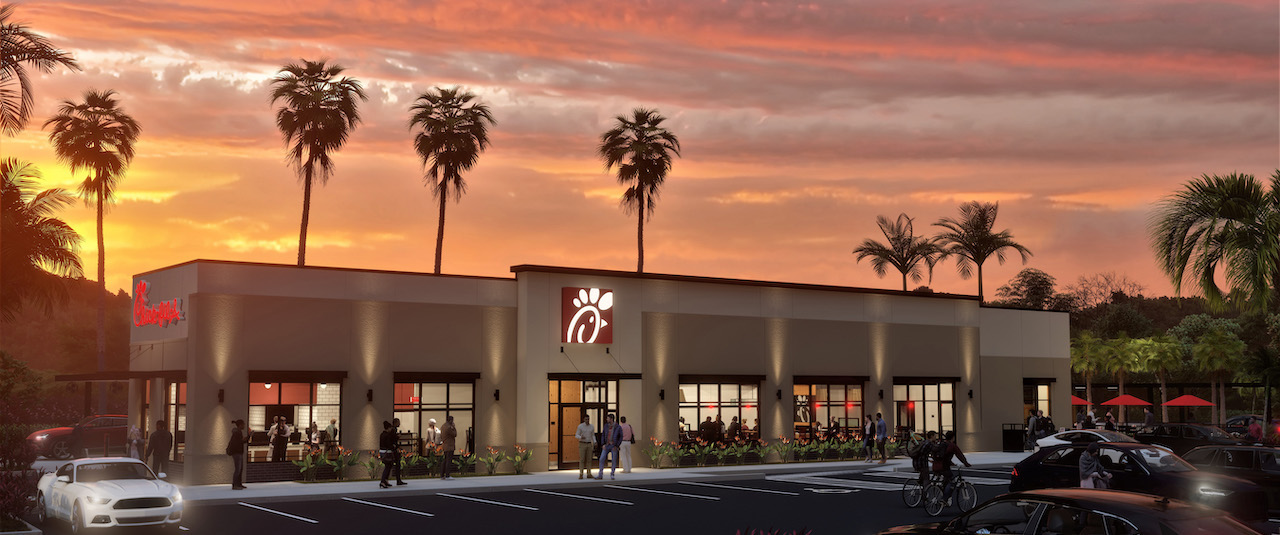
For many travelers, a journey to the idyllic shores of Hawaii represents the pinnacle of tropical escape. Visions of sun-drenched beaches, lush volcanic landscapes, and vibrant Polynesian culture often dominate pre-trip daydreams. Yet, amidst the anticipation of experiencing unique local flavors like fresh poke and kalua pig, a surprisingly common question often surfaces for visitors from the mainland United States: “Is there a Chick-fil-A in Hawaii?”
This seemingly simple query speaks volumes about the enduring appeal of comfort food and familiar brands, even in the most exotic of destinations. Chick-fil-A, with its celebrated chicken sandwiches, waffle fries, and reputation for exceptional customer service, has cultivated a fiercely loyal following across the continent. For many, finding a taste of home, even a quick and casual one, can add an unexpected layer of comfort and convenience to a travel experience. This article delves into the presence of Chick-fil-A in the Aloha State, exploring why this question matters to travelers and how it fits into the broader culinary landscape of a Hawaiian vacation.
The Quest for Comfort Food in Paradise
Traveling, by its very nature, is an adventure that invites exploration and discovery. However, even the most intrepid adventurers sometimes crave the familiar. The search for a beloved restaurant chain like Chick-fil-A in a far-flung destination like Hawaii is not merely about satisfying a craving for a specific meal; it taps into deeper psychological needs that often arise during travel.
Why Travelers Seek Familiar Brands
The human brain is hardwired for comfort and predictability. While the allure of new experiences is a primary driver for travel, the constant exposure to unfamiliar sights, sounds, languages, and foods can sometimes lead to a phenomenon known as “traveler’s fatigue” or even mild culture shock. In such moments, the presence of a familiar brand offers an instant anchor. For families traveling with children, a known menu can be a godsend, simplifying meal choices and ensuring contented diners, especially after a long day of sightseeing or beach activities. Moreover, for individuals with dietary restrictions or picky eaters, a trusted chain often represents a safe and reliable option where expectations are consistently met. Chick-fil-A’s commitment to quality and consistency makes it a prime candidate for this role. It’s not just about the food; it’s about the peace of mind that comes with knowing what to expect. This comfort can be particularly valuable on longer trips or when adjusting to a new time zone and environment.
Chick-fil-A’s Unique Appeal
What is it about Chick-fil-A that makes it such a sought-after establishment, even thousands of miles from its typical strongholds? Beyond the perfectly breaded chicken breast and the addictive waffle fries, the brand has cultivated an almost cult-like following due to several distinctive factors. Its unwavering commitment to customer service, often going above and beyond industry standards, creates a consistently positive dining experience. The meticulous cleanliness of its restaurants, coupled with a menu that, while fast food, often feels a cut above its competitors, contributes to its perceived value. For many, a trip to Chick-fil-A is more than just a meal; it’s a pleasant and efficient encounter that leaves a lasting impression. This reputation for excellence is what drives the question, “Is it in Hawaii?” because travelers want to replicate that reliably positive experience even when far from home. It’s a testament to the brand’s strength that its absence or presence can be a minor, yet significant, consideration for some vacation planners.
Chick-fil-A’s Presence (or Absence) in Hawaii
The journey for Chick-fil-A to finally establish roots in the Hawaiian islands was a long-anticipated one for many. For years, the absence of the popular chain was a noticeable gap for both residents who had moved from the mainland and tourists accustomed to its widespread availability. The logistical challenges of operating an extensive food service supply chain across the vast Pacific Ocean were significant, but the allure of the Hawaiian market proved too strong to ignore indefinitely.
The Current Landscape: A Resounding Yes!
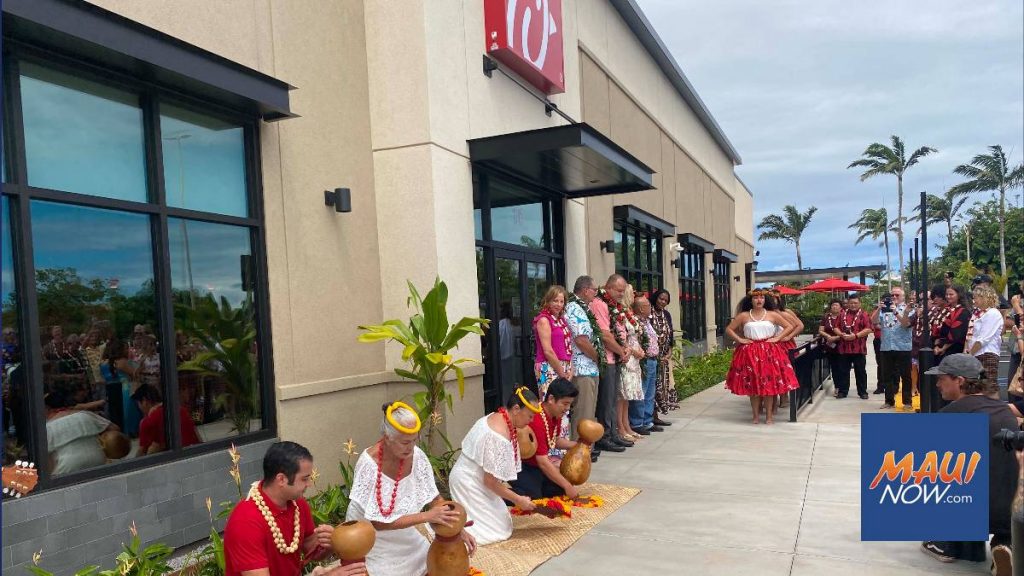
To directly answer the burning question: Yes, there is a Chick-fil-A in Hawaii! After years of speculation and eager anticipation, the beloved chicken sandwich purveyor finally made its debut in the Aloha State. The initial openings were met with tremendous excitement and long lines, a clear indicator of the pent-up demand. The first restaurant officially opened its doors, marking a significant milestone for both the company and Hawaiian consumers and travelers. This expansion was not just about adding another fast-food option; it represented the successful bridging of a cultural and logistical gap, bringing a much-loved mainland institution to island life.
Key Locations and Expansion Across the Islands
Chick-fil-A’s strategic entry into Hawaii naturally began in its most populous and visited island. The inaugural location opened on Oahu, specifically within the bustling urban center of Honolulu. This choice allowed the brand to cater to a large local population as well as the constant influx of tourists frequenting the capital city and nearby attractions like Waikiki Beach.
Following the success of its initial Oahu ventures, Chick-fil-A has steadily pursued further expansion across the archipelago. Subsequent locations have opened or are planned for other key areas on Oahu, including suburban centers and high-traffic commercial zones, making it easier for visitors staying outside of central Honolulu to access the restaurants.
The expansion strategy also includes other major Hawaiian islands. Plans are well underway, and some locations may already be open, on Maui, particularly in areas frequented by tourists such as Kahului or Lahaina, to serve the significant number of vacationers who choose Maui for its stunning resorts and natural beauty. The Big Island (also known as the Island of Hawaii), with its growing populations and tourism hubs like Kona and Hilo, is also a target for future development. While the exact number and timeline of new openings can fluctuate, the commitment to establishing a significant presence across Hawaii is clear, ensuring that the signature chicken sandwich and impeccable service are becoming increasingly accessible to both kama’aina (locals) and malihini (visitors). Travelers should always check the official Chick-fil-A website or app for the most up-to-date information on specific addresses and operating hours during their visit.

Navigating Dining Options on Your Hawaii Trip
While the confirmation of Chick-fil-A’s presence in Hawaii might bring a sense of relief and excitement to some, a trip to the islands offers an unparalleled opportunity to immerse oneself in a culinary landscape that is as rich and diverse as its natural beauty. Balancing the comfort of familiar tastes with the thrill of local discoveries is key to a truly fulfilling Hawaiian vacation.
Beyond Fast Food: Embracing Local Hawaiian Cuisine
To visit Hawaii and not delve into its unique food culture would be to miss a significant part of the experience. Hawaiian cuisine is a vibrant fusion of Polynesian traditions, Asian influences, and fresh, locally sourced ingredients. Travelers are encouraged to step out of their comfort zones and savor the indigenous flavors that define island life.
Start with poke, fresh raw fish (often tuna) seasoned with various marinades and toppings, a ubiquitous and delicious staple available everywhere from high-end restaurants to local markets. Indulge in kalua pig, traditionally slow-cooked in an underground oven (imu) until it’s tender and smoky, often served as part of a luau feast. Explore local plate lunches, a hearty and affordable meal typically consisting of an entrée (like chicken katsu, loco moco, or lau lau), two scoops of white rice, and macaroni salad. Don’t forget to try fresh seafood, whether grilled fish, shrimp trucks on the North Shore of Oahu, or a sophisticated seafood platter in a fine dining establishment. And for a sweet treat, shave ice (not “shaved ice”) with its myriad of tropical flavors and optional toppings like condensed milk or azuki beans, is an absolute must-try. These culinary experiences are not just meals; they are cultural touchpoints, offering a taste of Hawaii’s history, traditions, and the aloha spirit.
Balancing Familiarity with New Experiences
The beauty of a modern travel destination like Hawaii lies in its ability to offer a spectrum of experiences, catering to every preference. Finding a Chick-fil-A can indeed be a comforting pit stop, especially on days when travel logistics are demanding, or when children are simply yearning for something they know. However, it doesn’t mean forsaking the incredible local culinary scene.
A balanced approach allows travelers to enjoy the best of both worlds. Perhaps enjoy a familiar Chick-fil-A breakfast before heading out for a day of snorkeling, and then treat yourself to a fresh fish dinner at a local beachfront eatery. Or, grab a quick lunch at a chain restaurant, freeing up more time and budget for an unforgettable fine dining experience featuring innovative Hawaiian fusion cuisine in the evening. The presence of familiar options simply adds another layer of convenience and choice, allowing visitors to curate their dining experiences to perfectly match their mood, budget, and sense of adventure. It ensures that no one feels compelled to compromise on either comfort or discovery, creating a more relaxed and enjoyable trip overall.
Planning Your Culinary Journey in Hawaii
A significant part of the joy of traveling is planning the journey, and this includes mapping out your dining adventures. With Chick-fil-A now a part of the Hawaiian landscape, visitors have even more flexibility in curating their ideal food itinerary. Strategic planning can ensure you satisfy all your cravings, from the familiar to the uniquely Hawaiian.
Utilizing Travel Resources for Dining Recommendations
In today’s digital age, a wealth of information is at your fingertips to help navigate Hawaii’s diverse dining scene. Before and during your trip, make liberal use of various travel resources. Comprehensive travel websites and blogs dedicated to Hawaii often feature detailed restaurant reviews, local guides, and “must-try” lists. Apps like Yelp, Google Maps, and TripAdvisor are invaluable for finding both well-known chain restaurants and hidden local gems, complete with user reviews, photos, and up-to-date operating hours. You can easily search for “restaurants near me” or specifically “Chick-fil-A Honolulu” to pinpoint exact locations. Furthermore, don’t underestimate the power of local advice; hotel concierges, tour guides, and even friendly locals are excellent sources for authentic and often overlooked dining spots. Many hotels also provide maps and brochures that highlight popular dining establishments in the vicinity, including those that offer a taste of local culture.
Location-Specific Dining Insights
It’s important to remember that dining options can vary significantly from island to island, and even within different regions of the same island.
- Oahu: As the most developed island, Oahu offers the widest array of dining choices. Honolulu and Waikiki are replete with everything from high-end international restaurants and popular mainland chains (including multiple Chick-fil-A locations) to casual food trucks and bustling local eateries. The North Shore, famous for its surf spots, is also renowned for its shrimp trucks and more laid-back, local establishments.
- Maui: Maui strikes a balance between development and preserving its natural beauty. Areas like Lahaina and Wailea boast numerous fine dining restaurants and resorts with diverse menus, alongside a growing presence of familiar chains. Local farmers’ markets are also prominent, offering fresh produce and ingredients for those who prefer to cook.
- Big Island (Island of Hawaii): The Big Island offers a more spread-out culinary scene. Kona on the west coast and Hilo on the east are the main population centers with the most restaurant options. You’ll find a good mix of local Hawaiian fare, seafood, and some chain restaurants, though perhaps fewer than on Oahu. The emphasis here is often on farm-to-table freshness, given the island’s agricultural bounty.
- Kauai and Molokai / Lanai: These islands tend to have fewer mainland chain restaurants, with a stronger emphasis on local, independent eateries that highlight the unique character and produce of each island. Travelers seeking a truly authentic, off-the-beaten-path culinary experience might find these islands particularly appealing, though Chick-fil-A is not typically found here.
By understanding these regional differences, travelers can better plan their dining experiences, ensuring they don’t miss out on local specialties while still being able to locate a familiar taste of home when desired.
In conclusion, the answer to “Is there a Chick-fil-A in Hawaii?” is a definitive yes, with locations predominantly on Oahu and expanding to other major islands. This presence offers a welcome slice of familiarity for many travelers and residents alike. However, a trip to Hawaii is also an unparalleled opportunity to dive into a unique and vibrant culinary world. The key to a truly memorable Hawaiian vacation often lies in finding a harmonious balance—enjoying the comfort of a familiar meal when desired, while wholeheartedly embracing the rich, diverse, and unforgettable flavors of the islands. So, pack your bags, prepare your taste buds, and get ready to experience all the incredible culinary delights that Hawaii has to offer, from the spicy kick of poke to the comforting crunch of a chicken sandwich.
LifeOutOfTheBox is a participant in the Amazon Services LLC Associates Program, an affiliate advertising program designed to provide a means for sites to earn advertising fees by advertising and linking to Amazon.com. Amazon, the Amazon logo, AmazonSupply, and the AmazonSupply logo are trademarks of Amazon.com, Inc. or its affiliates. As an Amazon Associate we earn affiliate commissions from qualifying purchases.