
The population of a city is a fundamental metric that influences its character, development, and the opportunities it offers to residents and visitors alike. For Huntsville, Alabama, understanding its population figures is key to grasping its evolution from a quiet Southern town to a dynamic hub of innovation and growth. This understanding informs everything from urban planning and infrastructure development to the burgeoning culinary scene and the diversity of cultural experiences available. As a city that has consistently attracted new residents due to its robust economy and appealing lifestyle, its population has been a story of steady, and at times, rapid expansion.
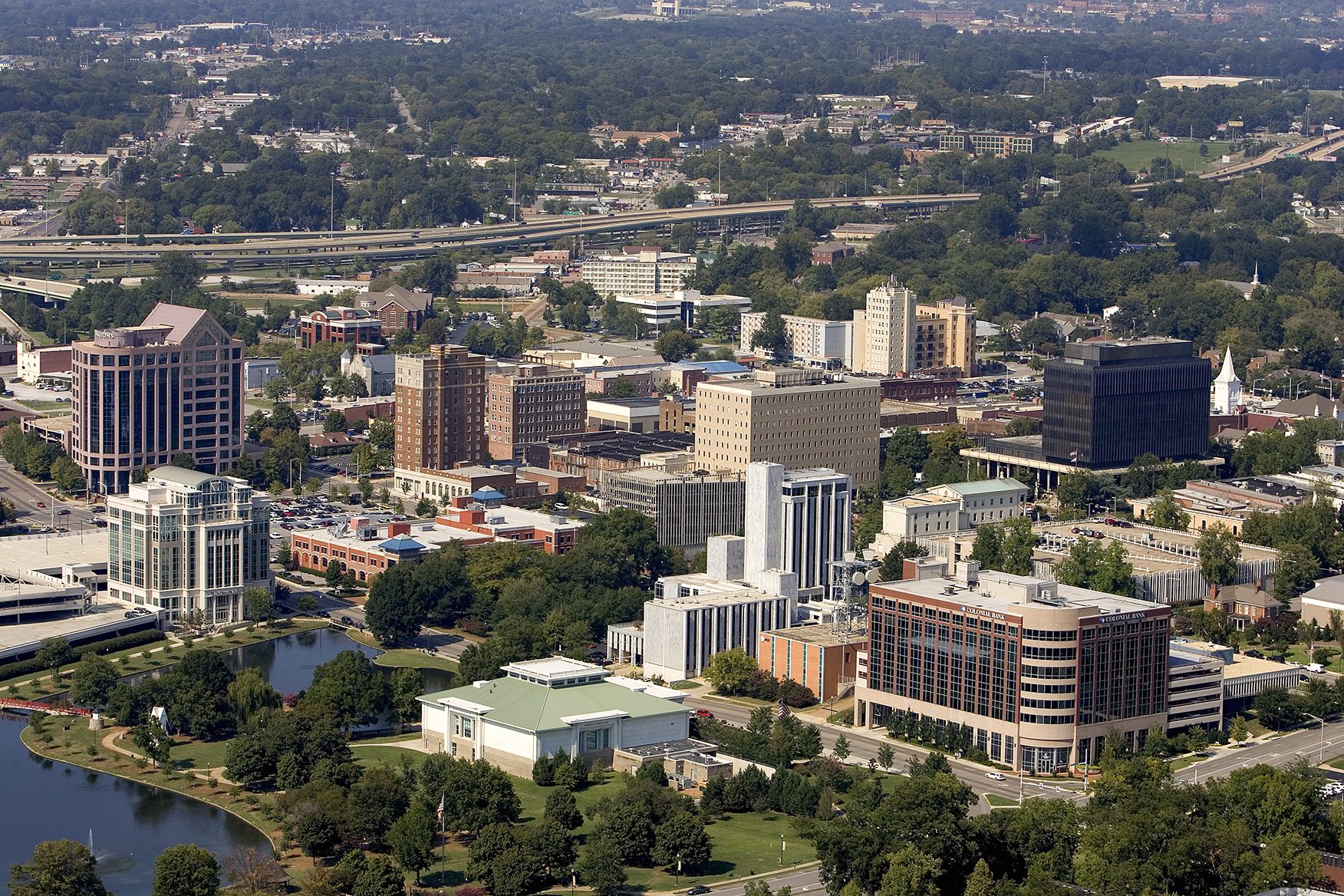
Huntsville’s Demographic Evolution
Huntsville, Alabama has experienced a remarkable demographic transformation over the decades. Its growth is not merely a statistical anomaly; it is a narrative woven from threads of technological advancement, economic opportunity, and an attractive quality of life that draws people from across the nation and beyond.
Post-War Boom and the Space Race
The mid-20th century marked a pivotal era for Huntsville. The establishment of the U.S. Army’s Redstone Arsenal and the subsequent launch of the National Aeronautics and Space Administration (NASA)‘s Marshall Space Flight Center in the early 1960s dramatically reshaped the city’s destiny. These federal installations brought with them a surge of scientists, engineers, and skilled workers, many relocating from other parts of the country. This influx led to a significant population boom, transforming Huntsville from a relatively small agricultural community into a center for technological expertise. The foundational population growth during this period laid the groundwork for the city’s future expansion.
Sustained Growth in Recent Decades
While the initial population surge was tied to specific federal projects, Huntsville has demonstrated a remarkable capacity for sustained growth in subsequent decades. This is largely attributed to the diversification of its economy. Beyond its historical ties to aerospace and defense, the city has become a leader in biotechnology, advanced manufacturing, and information technology. This economic diversification has created a consistent demand for a skilled workforce, drawing a continuous stream of new residents seeking employment and career advancement.
The appeal of Huntsville extends beyond its job market. The cost of living, particularly housing, has historically been more affordable compared to many other major metropolitan areas, making it an attractive destination for families and individuals alike. Furthermore, the city offers a high quality of life, with access to excellent educational institutions, abundant outdoor recreational opportunities in the Appalachian Mountains region, and a growing cultural and culinary scene. These factors contribute to its ongoing demographic expansion, making it one of the fastest-growing cities in Alabama and the southeastern United States.
Understanding Current Population Statistics
As of the most recent estimates, the population of Huntsville, Alabama stands as a testament to its dynamic present and promising future. These numbers provide a snapshot of a city that is not only growing but also evolving in its composition and characteristics.
The Metropolitan Area Context
When discussing the population of Huntsville, it is crucial to consider the broader Huntsville Metropolitan Area. This area encompasses not only the city of Huntsville itself but also surrounding counties such as Madison County, Limestone County, and sometimes extending into neighboring Morgan County. The population of the metropolitan area provides a more comprehensive picture of the economic and social interconnectedness of the region, reflecting the daily commutes and regional labor market.
The core city of Huntsville has consistently been the population anchor of this region. Its status as a major employment center, particularly within the technology and aerospace sectors, draws residents from surrounding communities. Understanding the population of the Huntsville Metropolitan Area is therefore essential for appreciating the scale of its influence and the reach of its economic impact.
Key Demographics and Trends
The population figures for Huntsville reveal several key demographic trends. The city is characterized by a relatively young and well-educated population, a direct reflection of its strong presence in science, technology, engineering, and mathematics (STEM) fields. This demographic profile fuels innovation and supports the city’s advanced industries.
Furthermore, Huntsville is experiencing increasing diversity. As the city attracts professionals from various backgrounds, its cultural tapestry becomes richer. This diversity is evident in its growing array of international cuisine, cultural festivals, and community organizations. The influx of new residents, often with different life experiences and perspectives, contributes to a vibrant and dynamic social environment.

The ongoing growth also presents opportunities and challenges for urban planners and local government. Managing infrastructure to accommodate a growing population, ensuring access to housing, and maintaining the city’s unique character are all ongoing considerations. The population statistics serve as a critical data point for these strategic decisions, helping to shape the future development and identity of Huntsville.
Implications of Population Size for Travelers and Visitors
The population of a city like Huntsville, Alabama has direct and indirect implications for those who visit. A growing and dynamic population suggests a city that is alive with activity, offering a range of experiences and amenities that cater to its residents and, by extension, its guests.
A Growing Hub of Activity and Amenities
A larger and expanding population typically correlates with a more robust economy and a greater demand for goods and services. For visitors to Huntsville, this translates into a richer selection of dining options, from casual eateries to upscale restaurants, reflecting the diverse tastes of its residents. The retail landscape also tends to be more varied, with a wider array of shops and boutiques.
Furthermore, a thriving population often supports a vibrant arts and culture scene. As more people settle in Huntsville, there is a greater impetus for the development of museums, galleries, theaters, and live music venues. This cultural growth ensures that visitors have access to a variety of entertainment and enriching experiences beyond the city’s renowned scientific attractions. The presence of numerous hotels, ranging from boutique accommodations to national chains, also reflects the city’s capacity to host a significant number of visitors.
Infrastructure and Accessibility
The population size of Huntsville also influences its infrastructure, which can impact a visitor’s experience. A growing city necessitates continuous investment in transportation networks, including roads, public transit, and airport services. Huntsville International Airport, for instance, serves an increasing number of passengers, reflecting the city’s connectivity.
While a growing population can sometimes lead to increased traffic, it also signifies a city that is actively developing to meet the needs of its inhabitants and visitors. Improved road networks can make it easier to navigate the city and access its various attractions, such as the U.S. Space & Rocket Center or the historic downtown district. Understanding these aspects of urban development, informed by population trends, can help visitors plan their itineraries more effectively and enjoy a smoother travel experience in Huntsville.
The Future Outlook: Continued Growth and Development
The trajectory of Huntsville, Alabama‘s population suggests a future characterized by continued expansion and evolving opportunities. The underlying economic drivers and the city’s inherent appeal are poised to sustain its growth for years to come.
Economic Diversification as a Growth Engine
The sustained economic vitality of Huntsville is intrinsically linked to its population growth. The city’s strategic focus on diversifying its economy beyond its foundational aerospace and defense sectors has proven highly effective. Emerging industries such as biotechnology, advanced manufacturing, and cybersecurity are attracting new businesses and creating a broad spectrum of high-paying jobs. This economic diversification is a powerful engine for attracting and retaining a skilled workforce, thereby fueling further population increases.
Moreover, the ongoing investments in research and development, often supported by institutions like the HudsonAlpha Institute for Biotechnology, solidify Huntsville‘s position as a leader in innovation. This reputation attracts top talent and fuels a cycle of growth that is likely to continue. As the city solidifies its standing in these advanced sectors, its appeal to a global talent pool will only increase.
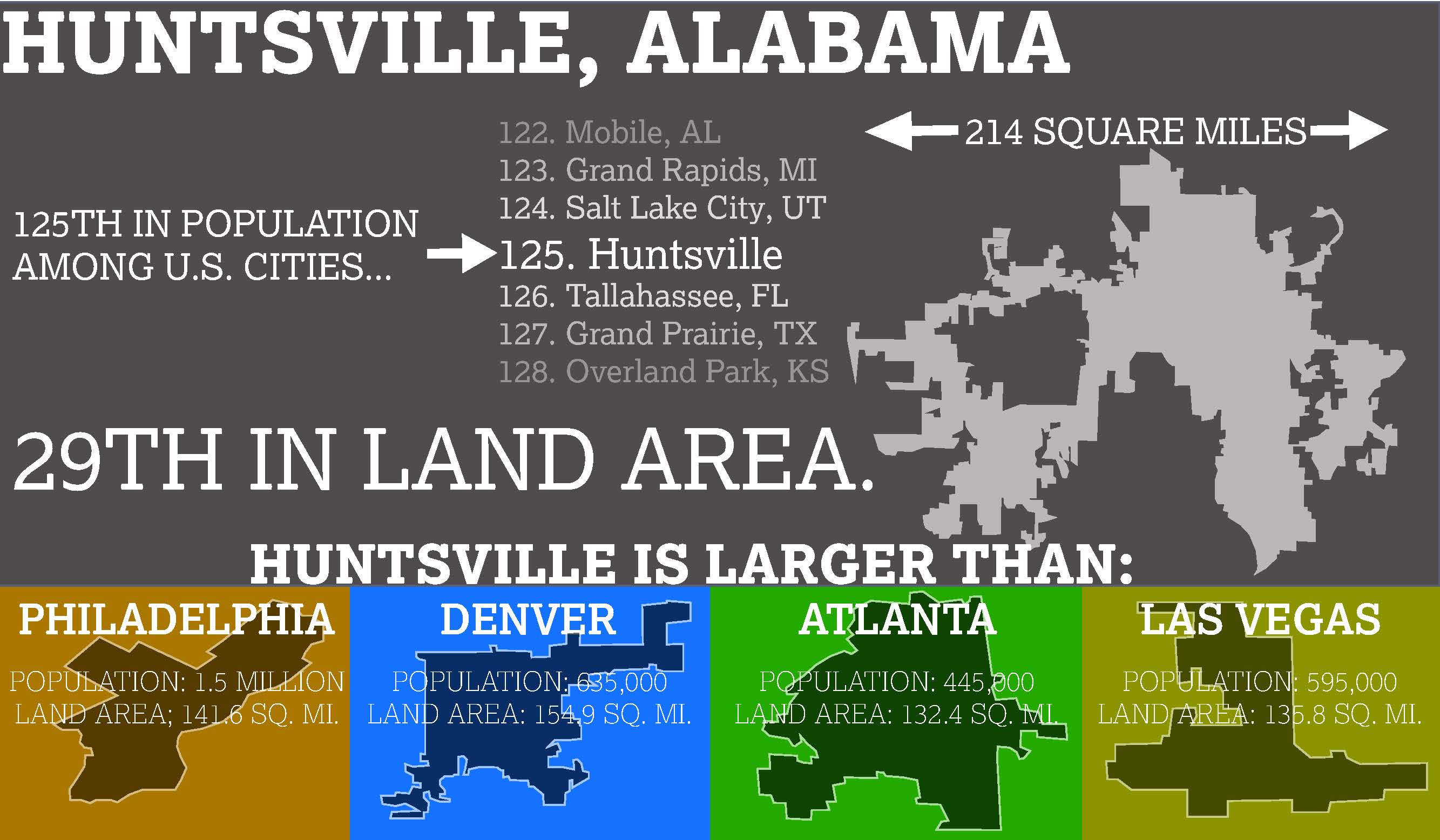
Enhancing Quality of Life to Attract and Retain
Beyond economic opportunities, Huntsville‘s commitment to enhancing the quality of life for its residents is a crucial factor in its long-term population prospects. Investments in education, from K-12 schools to higher education institutions like the University of Alabama in Huntsville (UAH), are vital for nurturing future generations of skilled workers and attracting families.
Furthermore, the city’s continuous efforts to expand its recreational amenities, parks, and cultural offerings contribute to its desirability as a place to live. The development of vibrant downtown areas, the preservation of natural landscapes, and the promotion of community events all play a role in making Huntsville an attractive place to settle. As the population continues to grow, these enhancements become even more critical in ensuring that Huntsville remains a dynamic, welcoming, and prosperous city for all its inhabitants.
LifeOutOfTheBox is a participant in the Amazon Services LLC Associates Program, an affiliate advertising program designed to provide a means for sites to earn advertising fees by advertising and linking to Amazon.com. Amazon, the Amazon logo, AmazonSupply, and the AmazonSupply logo are trademarks of Amazon.com, Inc. or its affiliates. As an Amazon Associate we earn affiliate commissions from qualifying purchases.