
The Big Island of Hawaii, known for its dramatic landscapes ranging from active volcanoes to snow-capped peaks and black sand beaches, is a coveted destination for travelers worldwide. As the largest island in the Hawaiian archipelago, its sheer size and diverse topography necessitate efficient air travel infrastructure to connect visitors with its myriad attractions. Understanding the airport landscape is crucial for planning a seamless and enjoyable trip to this unique corner of the Pacific. While it might seem like a single island would have a straightforward airport situation, the Big Island actually features multiple airfields, with two primary international airports serving as the main gateways for visitors, strategically located on opposite sides of the island to facilitate access to distinct regions. This guide will delve into these critical transportation hubs, exploring their services, accessibility, and how they shape the travel experience on Hawaii’s largest landmass.

Gateway to Paradise: An Overview of Big Island Airports
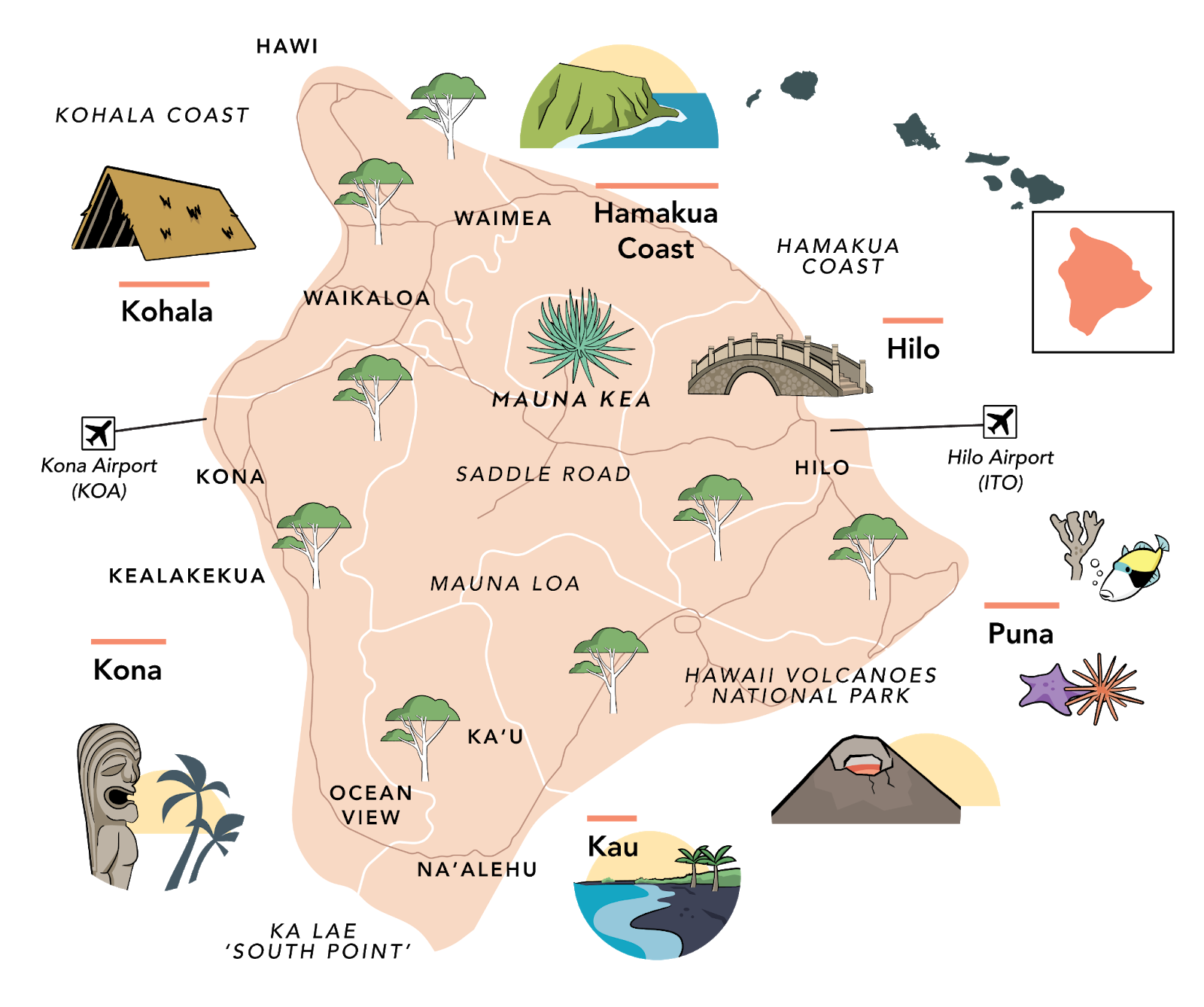
The Big Island’s vastness means that choosing the right airport for your arrival can significantly impact your travel logistics and overall experience. Unlike smaller islands where a single airport might suffice, the Big Island offers a bifurcated approach, with one major international airport on the west coast and another on the east. This distribution is a direct response to the island’s geography, dividing visitors between the drier, sunnier Kona side and the lush, rainier Hilo side. Each airport serves as a critical entry point, catering to different travel preferences and itineraries.
The Importance of Air Travel to the Big Island
Given its remote location in the middle of the Pacific Ocean, air travel is the lifeblood connecting the Big Island to the rest of the world and the other Hawaiian islands. The airports are not just points of arrival and departure; they are the initial impressions and logistical centers for millions of tourists and residents annually. They support the local economy, facilitate commerce, and are indispensable for inter-island connectivity, allowing residents and visitors to easily move between Oahu, Maui, Kauai, and the Big Island. Without these vital air links, the island’s tourism industry, which is a cornerstone of its economy, would be severely hampered. The infrastructure at these airports is continuously upgraded to meet the demands of modern air travel, ensuring safety, efficiency, and a pleasant experience for all.
Major Entry Points for Visitors
The two primary airports that visitors utilize when flying into the Big Island are Ellison Onizuka Kona International Airport (KOA) on the west side and Hilo International Airport (ITO) on the east. These facilities handle the vast majority of commercial flights, both direct international and mainland United States flights, as well as inter-island services. Choosing between KOA and ITO often depends on where travelers plan to spend most of their time or which attractions they wish to prioritize upon arrival. For example, those heading to the sunny beaches and resorts of the Kohala Coast or exploring the charming town of Kailua-Kona will typically opt for KOA. Conversely, travelers eager to explore Hawaii Volcanoes National Park, the lush Hamakua Coast, or the vibrant city of Hilo will find ITO to be the more convenient option.
Ellison Onizuka Kona International Airport (KOA): The West Side Hub
Located just northwest of Kailua-Kona, Ellison Onizuka Kona International Airport (KOA) is the busier of the two main airports on the Big Island and the primary gateway for most tourists. Renamed in honor of astronaut Ellison Onizuka, a native of the Big Island, the airport embodies a unique open-air design that immediately immerses visitors in the island’s tropical ambiance. Its strategic location makes it the ideal arrival point for those seeking the sun-drenched beaches, world-class resorts, and myriad ocean activities that define the island’s western and northern regions.
Strategic Location and Accessibility
KOA’s location on the western side of the Big Island is highly advantageous for travelers interested in the popular Kona and Kohala Coast areas. It is a short drive from numerous resorts, vacation rentals, and the bustling town of Kailua-Kona, offering quick access to activities like snorkeling, diving, deep-sea fishing, and golfing. The airport’s proximity to major highways, particularly Queen Kaʻahumanu Highway (Highway 19), facilitates easy navigation to destinations both north and south along the coast.
Airlines and Direct Routes
KOA boasts an impressive list of airlines offering direct flights from various cities across the continental United States, making it a convenient choice for international and mainland U.S. travelers. Major carriers such as Hawaiian Airlines, United Airlines, American Airlines, Delta Air Lines, Alaska Airlines, and Southwest Airlines all provide regular service. These direct routes typically originate from West Coast hubs like Los Angeles, San Francisco, Seattle, and Phoenix, with some seasonal or connecting services from further afield. For inter-island travel, Hawaiian Airlines and Mokulele Airlines operate frequent flights connecting KOA with Daniel K. Inouye International Airport in Honolulu (Oahu), Kahului Airport in Maui, and Lihue Airport in Kauai.
Facilities and Services for Travelers
As a modern international airport, KOA offers a range of services designed to enhance the passenger experience. These include multiple car rental agencies located conveniently onsite or with shuttle service, a variety of dining options from casual grab-and-go to sit-down restaurants, retail shops offering local souvenirs and travel essentials, and free Wi-Fi access. The open-air terminal design, while charming, means that travelers should be prepared for exposure to the elements, especially during sudden rain showers, which are not uncommon even on the drier side of the island. Baggage claim areas are also open-air, adding to the relaxed Hawaiian atmosphere.
Transportation from KOA
Upon arrival at KOA, travelers have several transportation options. Renting a car is by far the most popular and recommended method for exploring the Big Island, given its size and the limited public transportation outside of Kona and Hilo town centers. All major car rental companies operate at KOA, with rental counters often just a short walk or shuttle ride from the terminal. Taxis and ride-sharing services like Uber and Lyft are also available, though they can be quite costly for longer distances. Some resorts on the Kohala Coast offer shuttle services, which should be arranged in advance.
Hilo International Airport (ITO): The East Side’s Primary Connection
On the eastern side of the Big Island, Hilo International Airport (ITO) serves as the main entry point for those venturing into the lush, rainforest-covered region and closer to the majestic Hawaii Volcanoes National Park. While generally less busy than KOA, ITO offers direct access to a different facet of the Big Island’s diverse landscape, characterized by waterfalls, botanical gardens, and the vibrant culture of Hilo town.
Gateway to the Lush East
ITO is conveniently located just east of Hilo town, providing excellent access to the city’s attractions, including Hilo Bay, Panaʻewa Rainforest Zoo & Gardens, and the historic downtown. More importantly, it is the closest major airport to Hawaii Volcanoes National Park, making it the preferred arrival point for visitors whose primary interest lies in exploring the active volcanic landscapes. The airport also serves as a gateway to the scenic Hamakua Coast with its dramatic cliffs and waterfalls like Akaka Falls State Park, and the Puna district, including towns like Pahoa.
Airlines and Connecting Flights
While ITO has fewer direct mainland U.S. flights compared to KOA, it still offers essential connectivity. Hawaiian Airlines provides inter-island flights to Honolulu (Oahu) and Kahului (Maui), which then connect to numerous mainland and international destinations. Southwest Airlines also offers inter-island service, expanding options for travelers. Occasionally, seasonal direct flights from the United States mainland may be available, but most mainland travelers flying into ITO will do so via a connecting flight through Honolulu or Kahului.
Services and Amenities at ITO
Hilo International Airport is a smaller, more intimate airport than KOA. Its facilities include car rental desks, a few dining options, and gift shops. While it may not have the extensive range of services found at larger airports, it is efficient and serves its purpose well. The airport’s compact size often means quicker processing times for baggage and security, which can be a welcome relief for travelers. The terminal architecture is more enclosed compared to KOA’s open-air style, offering shelter from Hilo’s frequent showers.
Getting Around from Hilo Airport
Similar to KOA, a rental car is highly recommended for exploring the eastern side of the Big Island from ITO. All major car rental agencies have a presence at the airport. Taxis and ride-sharing services are available for shorter trips into Hilo town. Public transportation on the Big Island, known as Hele-On Bus, does serve the Hilo area, but its routes and schedules are generally not optimized for tourist travel to remote attractions. For those planning to visit Hawaii Volcanoes National Park, the drive is a relatively straightforward 45-minute journey south on Highway 11.
Smaller Airfields and Inter-Island Travel
Beyond the two main international airports, the Big Island is home to a few smaller airfields, primarily used for general aviation, inter-island cargo, or specific regional needs. While not typically used by the average tourist, understanding their existence paints a complete picture of the island’s air connectivity.
Waimea-Kohala Airport (MUE): A Niche Option
Waimea-Kohala Airport (MUE), located near the towns of Waimea and Kamuela in the northern part of the island, is a much smaller airport primarily serving inter-island propeller planes. Historically, it has offered limited scheduled service, often through smaller regional carriers like Mokulele Airlines, connecting to Honolulu (Oahu) or Kahului (Maui). While not a major entry point for mainland visitors, it can be a convenient option for residents or those staying in the Waimea/Kohala area who wish to avoid the drive to KOA or ITO for inter-island hops. Services at MUE are minimal, typically limited to a single terminal and basic amenities.
Upolu Airport (UPP) and Bradshaw Army Airfield: Limited Public Access
Two other airfields, Upolu Airport (UPP) on the northernmost tip of the island and Bradshaw Army Airfield (BSF) in the central highlands near Mauna Kea, are generally not accessible for public commercial travel. UPP is a small general aviation airport used for private flights and air charters. Bradshaw Army Airfield, as its name suggests, is a military facility and is not open to civilian commercial air traffic. These airports underscore the comprehensive aviation network present on the Big Island, even if their functions are distinct from primary tourist gateways.
Navigating Inter-Island Flights
For travelers planning to visit multiple Hawaiian islands, understanding the inter-island flight network is key. Hawaiian Airlines and Mokulele Airlines are the primary carriers for these short, frequent hops. It’s common for visitors to fly into one airport on the Big Island (e.g., KOA), explore that side, then perhaps take a short inter-island flight to ITO to explore the other side without a long cross-island drive, or to connect to another island entirely. These flights are typically quick (20-40 minutes) and offer stunning aerial views of the islands. Booking these in advance, especially during peak season, is advisable.
Planning Your Arrival: Tips for a Seamless Big Island Experience
Making an informed decision about your arrival airport on the Big Island is paramount to kicking off your Hawaii vacation on the right foot. Considering the island’s expansive geography and the significant driving distances between various regions, your choice can greatly influence the convenience and cost of your ground transportation.
Choosing the Right Airport for Your Itinerary
The fundamental decision lies between Ellison Onizuka Kona International Airport (KOA) and Hilo International Airport (ITO). If your primary interests are the resorts, beaches, coffee plantations, and ocean activities of the Kona and Kohala Coast, then KOA is undoubtedly your best bet. It minimizes driving time to these popular destinations, allowing you to maximize your leisure. If your focus is on the volcanic landscapes of Hawaii Volcanoes National Park, the lush beauty of the Hamakua Coast, or the charm of Hilo town, then ITO will provide the most direct access.
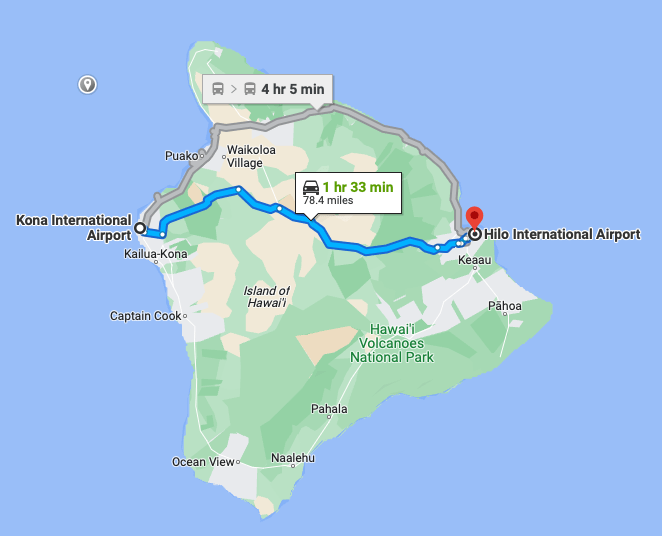
Many travelers choose to fly into one airport and depart from the other, creating an open-jaw itinerary that allows them to explore both sides of the island without backtracking. For example, arriving at ITO to see the volcano and Hilo, then driving across the island over several days, exploring points of interest like Waimea, and finally departing from KOA after enjoying the Kona side. This strategy often optimizes travel time and reduces the need for extensive driving round trips.
Car Rentals and Ground Transportation
Regardless of which airport you choose, securing a rental car well in advance of your trip is highly advisable. The Big Island is vast, and public transportation options are limited and not designed for comprehensive tourist exploration. Without a car, accessing many of the island’s most spectacular natural wonders, such as Mauna Kea or Waipio Valley, would be challenging, if not impossible. Both KOA and ITO host numerous car rental agencies, but demand can be high, especially during peak seasons. Booking early often secures better rates and ensures availability of your preferred vehicle type. Always check rental car policies regarding driving on unpaved roads, as some areas like the road to Green Sand Beach or certain parts of Waipio Valley may void your insurance if you venture off paved surfaces.
Essential Travel Considerations
Beyond airport choice and transportation, a few other considerations can enhance your Big Island arrival. Factor in potential time zone changes and jet lag, especially if arriving from the United States mainland. The Big Island is on Hawaii Standard Time and does not observe daylight saving. Be aware of the varying weather patterns: Kona is typically dry and sunny, while Hilo is known for its frequent rain showers. Pack accordingly, with layers that can adapt to different microclimates encountered across the island, from warm beaches to chilly volcano summits. Finally, embrace the spirit of Aloha upon arrival; the leisurely pace and warm hospitality are part of the island’s charm.
In conclusion, the Big Island of Hawaii is well-equipped with air travel infrastructure to welcome visitors, primarily through Ellison Onizuka Kona International Airport on the west and Hilo International Airport on the east. Understanding the unique characteristics and advantages of each, along with the nuances of inter-island travel and ground transportation, empowers travelers to make informed decisions that pave the way for an unforgettable Hawaiian adventure.
LifeOutOfTheBox is a participant in the Amazon Services LLC Associates Program, an affiliate advertising program designed to provide a means for sites to earn advertising fees by advertising and linking to Amazon.com. Amazon, the Amazon logo, AmazonSupply, and the AmazonSupply logo are trademarks of Amazon.com, Inc. or its affiliates. As an Amazon Associate we earn affiliate commissions from qualifying purchases.