
Understanding the intricacies of property tax exemptions in Florida is a crucial aspect for anyone considering long-term accommodation within the state, whether as a permanent resident, a retiree, or an investor looking to establish a secondary home. These exemptions are not merely bureaucratic details; they represent significant financial relief that can profoundly impact the affordability and sustainability of owning property in the Sunshine State. For individuals and families planning their future accommodation, knowing who qualifies for these exemptions can translate into substantial annual savings, making Florida an even more attractive destination for extended stays and homeownership.
Florida’s tax landscape is unique, famously lacking a state income tax, which places a greater emphasis on property taxes as a primary source of revenue for local governments. However, the state also offers a robust framework of exemptions designed to alleviate the tax burden on various groups, particularly those who establish Florida as their primary residence or meet specific criteria related to age, disability, or military service. This comprehensive guide will delve into these exemptions, explaining their purpose, eligibility requirements, and the profound impact they have on the cost of long-term accommodation.
Understanding Property Tax Exemptions in Florida for Homeowners
For many, the dream of owning a home in Florida is intertwined with the desire for a particular lifestyle, often characterized by sun, beaches, and a vibrant community. However, the recurring cost of property taxes can be a significant factor in that decision. Fortunately, Florida offers several key exemptions that directly reduce the taxable value of a primary residence, thereby lowering the overall property tax bill. These exemptions are fundamental to making homeownership a more accessible and affordable form of long-term accommodation in the state.
The Foundation: The Florida Homestead Exemption
The cornerstone of property tax relief for Florida residents is the Homestead Exemption. This exemption is designed to protect homeowners from excessive taxation on their primary residence. It allows for a reduction of up to $50,000 off the assessed value of the property for tax purposes. The first $25,000 applies to all taxing authorities, while an additional $25,000 applies to the assessed value between $50,000 and $75,000, excluding school district taxes. This effectively means that properties valued at $75,000 or more can benefit from the full $50,000 exemption.
This substantial reduction directly impacts the annual property tax bill, making homeownership significantly more affordable. For those seeking a long-term place to live, whether for retirement or family life, the Homestead Exemption is an invaluable benefit that contributes to the overall appeal of Florida as a place to settle down and establish roots. It helps stabilize the cost of accommodation, allowing homeowners to budget more effectively for other living expenses and enjoy their Florida lifestyle.
Eligibility and Application for Homestead
To qualify for the Florida Homestead Exemption, an individual must meet several key criteria. Primarily, the property must be the applicant’s permanent residence as of January 1st of the tax year for which the exemption is sought. This means the homeowner must physically reside on the property and demonstrate an intent to make it their domicile. Proof of residency can include a Florida driver’s license, voter registration, vehicle registration, and other official documents showing the Florida address. Applicants must not claim homestead exemption on any other property, anywhere in the world.
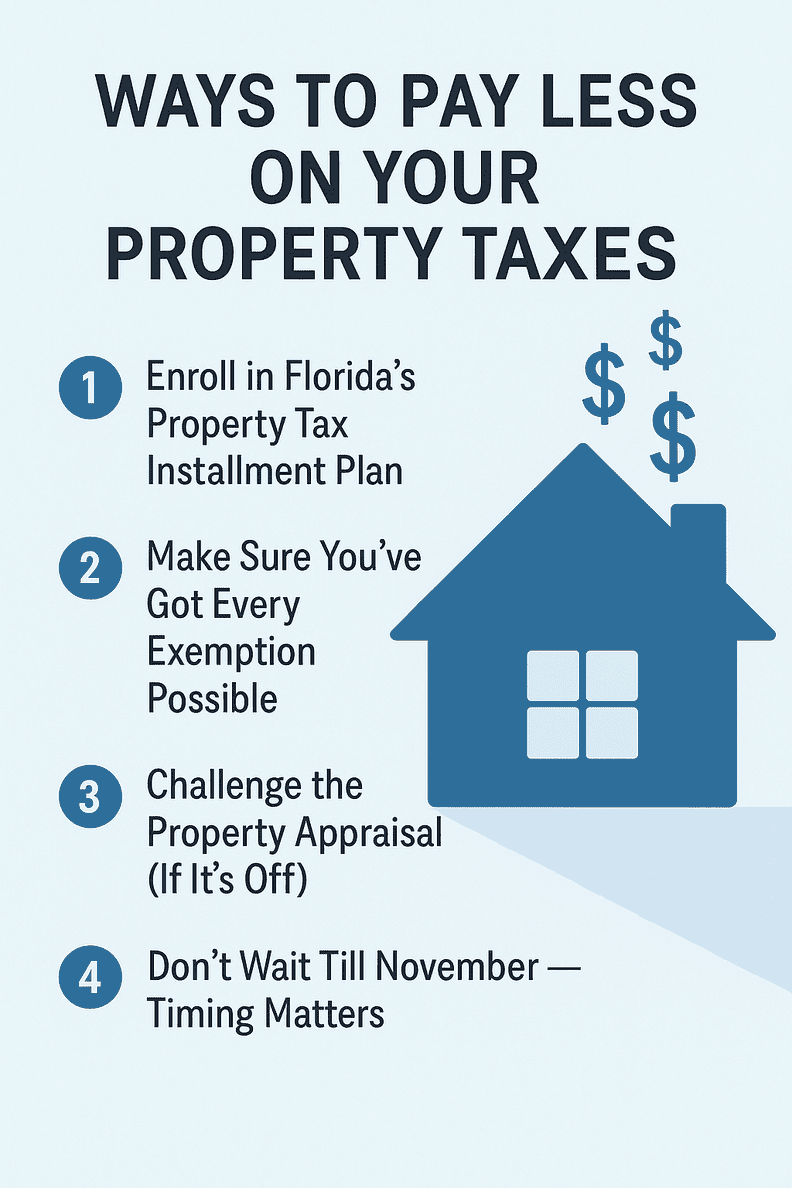
The application process is typically handled through the county Property Appraiser’s office where the property is located. New homeowners generally need to apply by March 1st of the year they wish to receive the exemption. Once granted, the Homestead Exemption typically renews automatically each year, provided the ownership and residency status do not change. However, it’s always prudent for homeowners to verify their exemption status annually. This straightforward application process ensures that eligible residents can readily access this crucial financial benefit, solidifying their long-term accommodation plans in Florida.
Portability and Additional Homestead Benefits
Beyond the initial tax reduction, the Florida Homestead Exemption also comes with the “Save Our Homes” (SOH) amendment. This constitutional amendment limits the annual increase in the assessed value of homesteaded property to 3% or the Consumer Price Index (CPI), whichever is lower. This cap provides long-term stability and predictability for homeowners, protecting them from sharp increases in property values that could otherwise lead to unaffordable tax bills. The SOH benefit accumulates over time, often resulting in a significant difference between the market value and the assessed value of a long-held homesteaded property.
Furthermore, Florida offers “Homestead Portability.” This allows homeowners to transfer a portion of their accumulated SOH benefit when they sell one homesteaded property and purchase another within Florida within a specific timeframe (generally within two years). This portability feature is incredibly beneficial for residents who wish to move to a different area of the state, perhaps downsizing in St. Petersburg or upsizing in Orlando, without losing all the tax savings they’ve built up. It promotes mobility within the state while still rewarding long-term residency, making Florida an even more flexible choice for accommodation.
Exemptions Tailored for Specific Circumstances
While the Homestead Exemption is the most widespread benefit, Florida also provides a range of additional property tax exemptions that cater to specific demographics and circumstances. These targeted exemptions further demonstrate the state’s commitment to supporting its diverse population and making long-term accommodation more accessible and affordable for those with particular needs or contributions.
Supporting Our Seniors: Age-Related Exemptions
Florida is a popular destination for retirees, and its property tax structure reflects this by offering additional benefits for senior citizens. Beyond the standard Homestead Exemption, some counties and municipalities provide an extra exemption for homeowners aged 65 or older who meet certain income limitations. The amount of this additional exemption varies by locality but can significantly further reduce the taxable value of their primary residence.
For example, a low-income senior homeowner in Miami-Dade County might qualify for an additional exemption on top of their Homestead Exemption, providing deeper financial relief. These age-related benefits are crucial for seniors living on fixed incomes, helping them maintain their independence and quality of life in their chosen Florida accommodation. It’s an incentive for seniors to make Florida their permanent home, reinforcing its reputation as a retirement haven.
Honoring Service: Exemptions for Veterans and First Responders

Florida proudly honors its military personnel and first responders with several property tax exemptions. Veterans with a service-connected disability of 10% or more are eligible for an additional exemption, the amount of which varies based on the percentage of disability. For totally and permanently disabled veterans, their homesteaded property can be 100% exempt from property taxes. This complete exemption is an immense benefit, ensuring that those who have sacrificed for their country can live in their Florida homes without the burden of property taxes.
Similarly, surviving spouses of veterans who died in the line of duty, or from a service-connected illness or injury, may also be eligible for a full property tax exemption. In recent years, Florida has also extended significant property tax relief to certain disabled first responders (e.g., paramedics, firefighters, law enforcement officers) and their surviving spouses, recognizing their critical service to communities. These exemptions are a testament to the state’s respect for service and provide profound financial stability for eligible individuals and families in their chosen long-term accommodation.
Assisting Those with Disabilities: Disability-Related Exemptions
Beyond veterans, other individuals with disabilities may also qualify for property tax exemptions in Florida. A property owner who is totally and permanently disabled may be eligible for an additional exemption, often linked to income criteria, further reducing their taxable property value. The specific requirements and amounts vary by county. For example, some counties offer a $500 exemption for those who are legally blind.
For individuals who are confined to wheelchairs or require other permanent physical modifications to their homes due to a total and permanent disability, there are provisions for a full property tax exemption on their homestead. This ensures that their adapted accommodation remains affordable and accessible. These exemptions underscore Florida’s commitment to supporting all its residents, allowing those with disabilities to find stable and affordable long-term housing options.
Providing for Widows and Widowers
Florida offers a $500 property tax exemption for widows and widowers. This exemption applies to their primary residence, providing a modest but welcome relief during what can be a challenging time. To qualify, the individual must be legally a widow or widower and cannot have remarried. This exemption is just one of the ways the state seeks to support its residents, ensuring that the cost of their long-term accommodation remains manageable after the loss of a spouse.
The Impact of Exemptions on Long-Term Accommodation Costs
The cumulative effect of Florida‘s property tax exemptions is a powerful force in shaping the state’s real estate market and its appeal as a place for long-term accommodation. For prospective homeowners and current residents alike, these exemptions are a critical factor in financial planning and overall quality of life.
Maximizing Your Savings and Affordability
Properly utilizing available exemptions can lead to thousands of dollars in annual savings, making a significant difference in a household budget. For a property with a market value of $300,000, for instance, a standard Homestead Exemption could reduce the taxable value to $250,000, resulting in a lower tax bill. If that homeowner is also a disabled veteran, the savings could be even more dramatic, potentially eliminating the property tax burden entirely. These savings are not just theoretical; they translate directly into more disposable income for other expenses, improvements to the accommodation, or simply greater financial security. This directly enhances the attractiveness of Florida for those seeking stable and affordable long-term living arrangements.
Navigating the Application Process
While the benefits are clear, understanding and navigating the application process for these exemptions is key. Each exemption has specific documentation requirements, and it’s imperative to apply by the March 1st deadline for the current tax year. The county property appraiser’s office is the primary resource for information, application forms, and assistance. They can provide detailed guidance on eligibility and necessary documentation, ensuring that homeowners can successfully claim all the exemptions they are entitled to. Proactive engagement with these offices ensures that individuals maximize their savings related to their long-term accommodation in Florida.
Local Variations and Specific Requirements
It’s important to note that while many exemptions are statewide, some, particularly those for seniors, can have local variations in terms of eligibility criteria (like income limits) and the amount of the exemption. For example, additional senior exemptions might be offered by specific counties like Lee County or cities such as Gainesville. Therefore, researching the specific rules and offerings of the county or municipality where one plans to establish long-term accommodation is crucial. This local nuance means that while the core exemptions provide a base level of relief, additional benefits may be available depending on the chosen Florida locale.
Why Florida’s Exemptions Matter for Accommodation Planning
Florida’s comprehensive property tax exemption system plays a pivotal role in its economic and social fabric. It’s a key strategy that underpins the state’s attractiveness for individuals seeking stable and affordable long-term accommodation.
Attracting Residents and Investment
By offering substantial property tax relief, particularly through the Homestead Exemption and its associated “Save Our Homes” provision, Florida actively encourages people to establish permanent residency. This not only bolsters the state’s population growth but also fosters community stability. For those considering a move to Florida for retirement, career changes, or a better quality of life, the reduced cost of homeownership makes the state a more viable and appealing option for their long-term accommodation plans. It also makes investment in residential property more attractive, as lower carrying costs can improve rental yields or overall investment returns for those who plan to utilize properties for long-term rentals.
Enhancing Quality of Life and Stability
Ultimately, the property tax exemptions in Florida are about more than just financial savings; they contribute to the enhanced quality of life and stability for its residents. By making homeownership more affordable and predictable, these exemptions free up household income that can be used for healthcare, education, leisure activities, or home improvements. This financial flexibility allows residents to fully embrace the Florida lifestyle without the constant worry of escalating property tax bills. For many, knowing that their long-term accommodation costs are managed through these exemptions provides peace of mind and fosters a deeper connection to their chosen community, making Florida a truly welcoming place to call home.
LifeOutOfTheBox is a participant in the Amazon Services LLC Associates Program, an affiliate advertising program designed to provide a means for sites to earn advertising fees by advertising and linking to Amazon.com. Amazon, the Amazon logo, AmazonSupply, and the AmazonSupply logo are trademarks of Amazon.com, Inc. or its affiliates. As an Amazon Associate we earn affiliate commissions from qualifying purchases.