
To understand the geographical and administrative placement of Hawaii, one must look beyond the standard maps of the contiguous United States. While it is often grouped with the West Coast in a political and economic sense, Hawaii occupies a singular space as the only island state in the union. Officially, the United States Census Bureau classifies Hawaii as part of the Western Region, specifically within the Pacific Division. However, for those interested in tourism and local culture, Hawaii belongs to the vast and vibrant cultural region of Polynesia.
Understanding the Pacific Region and Hawaii’s Geographic Identity
When travelers ask what region Hawaii is in, the answer depends on whether you are looking through a lens of federal administration, geography, or culture. Strategically located in the Central Pacific Ocean, approximately 2,400 miles from California, Hawaii is the southernmost state in the United States.
The West Census Region and Pacific Division
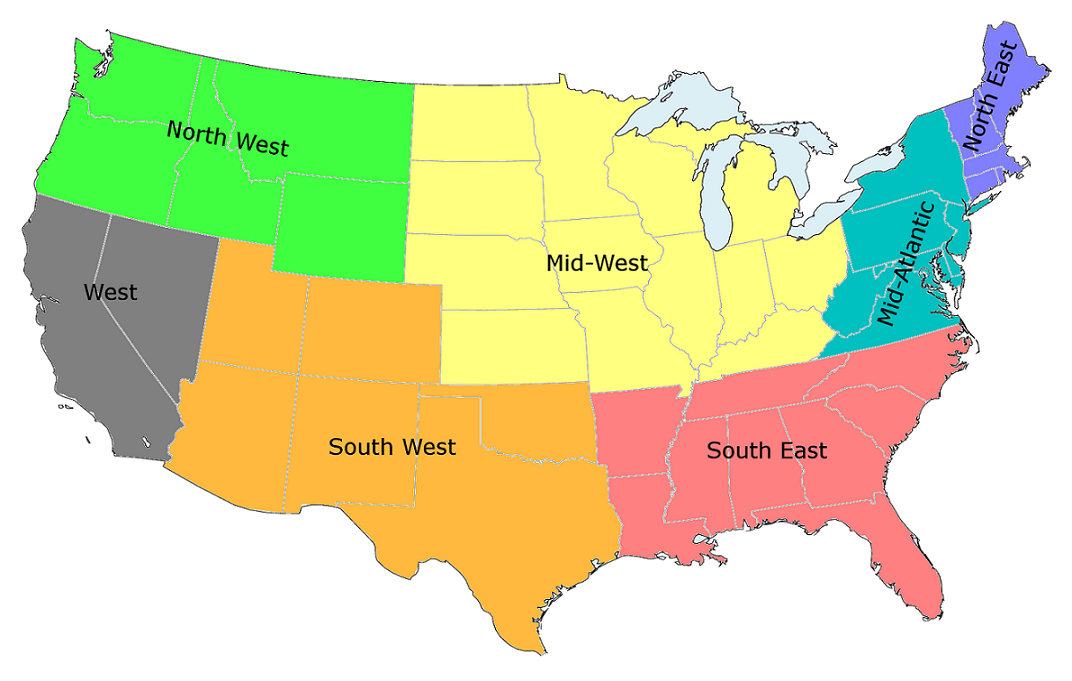
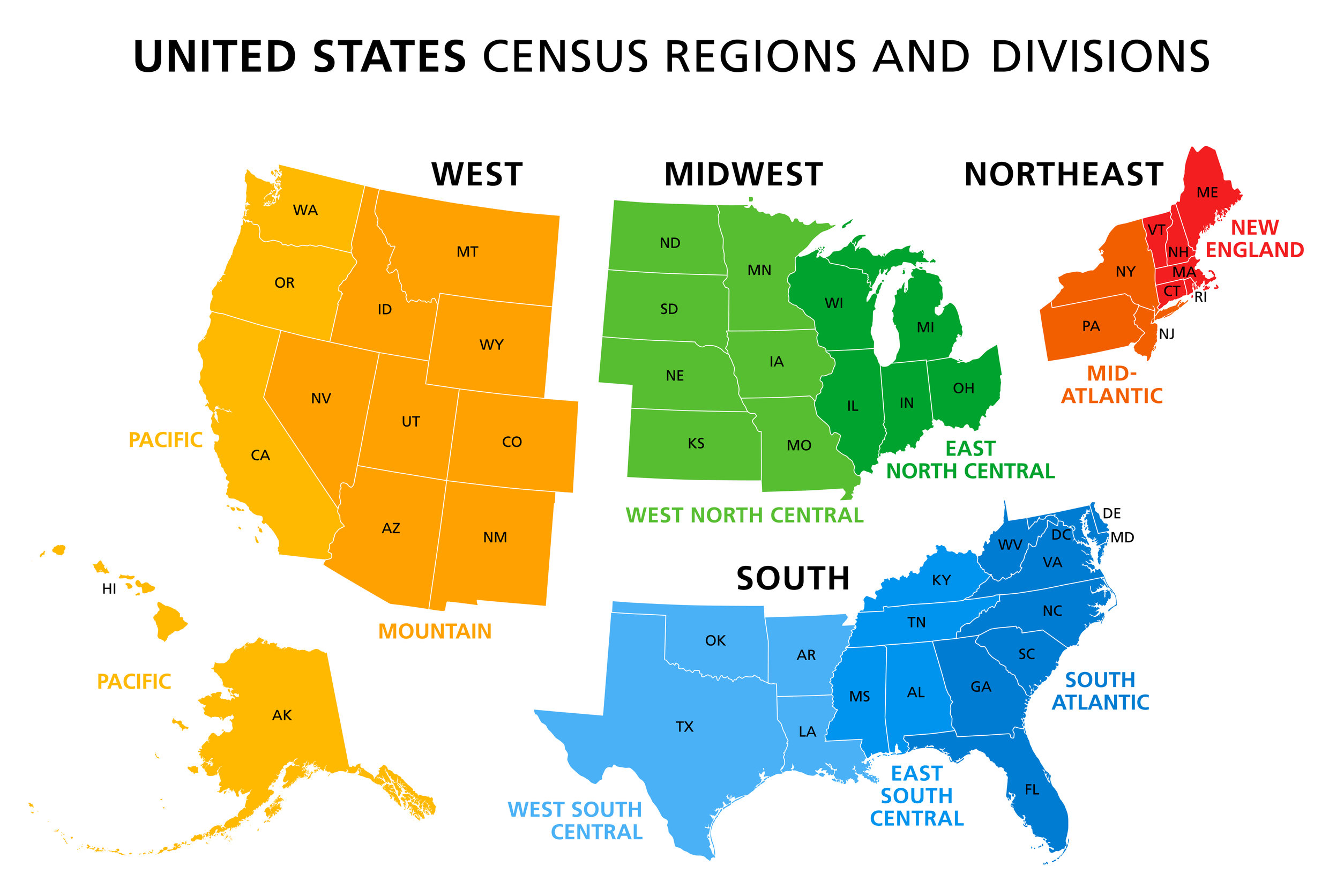
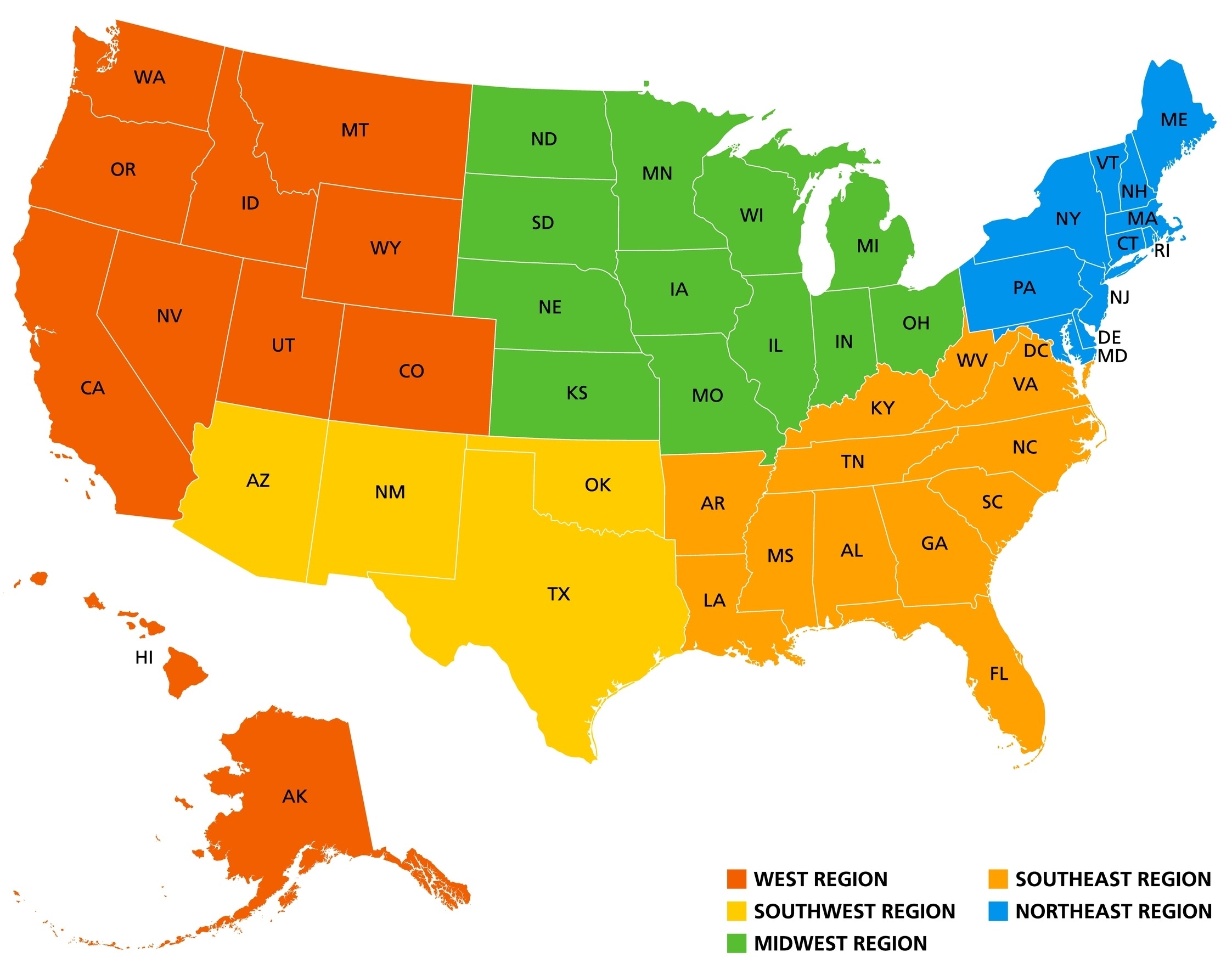
Administratively, the United States is divided into four major census regions: the Northeast, Midwest, South, and West. Hawaii is tucked into the West, alongside states like Alaska, Washington, Oregon, and California. Within this region, it is part of the Pacific Division. This classification is vital for federal funding, demographic tracking, and economic policy. Despite its distance from the mainland, Hawaii maintains deep economic ties with the West Coast, particularly through trade and tourism ports in Los Angeles and San Francisco.
The Heart of Polynesia
From a tourism and cultural perspective, Hawaii is the northern anchor of the Polynesian Triangle. This region includes New Zealand (Aotearoa) to the southwest and Easter Island (Rapa Nui) to the southeast. For visitors, this distinction is more important than a census classification. It defines the music, the language, the seafaring history, and the indigenous customs that make a trip to Oahu or Maui feel entirely distinct from a visit to any other American state.
Cultural Tourism: The Soul of the Hawaiian Islands
Tourism in Hawaii is not merely about sun and surf; it is an immersive dive into a complex history. As the only state that was once an independent kingdom, Hawaii offers cultural experiences that are deeply rooted in the traditions of Native Hawaiians.
The Legacy of the Hawaiian Monarchy
In Honolulu, the presence of the Iolani Palace serves as a poignant reminder of the state’s royal past. This landmark is the only royal palace on United States soil and was the official residence of King Kalakaua and Queen Liliuokalani. Cultural tourism here involves learning about the overthrow of the monarchy and the subsequent transition to becoming the 50th state. Visitors can also explore the Bishop Museum, which houses the world’s largest collection of Polynesian artifacts and royal heirlooms.
The Aloha Spirit and Modern Traditions
The “Aloha Spirit” is more than a greeting; it is actually codified in state law as a guideline for how people should treat one another with respect and kindness. For tourists, this is experienced through local festivals such as the Merrie Monarch Festival in Hilo, which celebrates the art of Hula. Hula is not just a dance for entertainment; it is a sacred method of storytelling that preserves the history and genealogy of the islands. Participating in a legitimate luau at the Polynesian Cultural Center provides travelers with insights into the shared heritage of Samoa, Tahiti, and Fiji, showcasing how Hawaii fits into the broader Oceania region.
Exploring the Diverse Landscapes of the Archipelago
Each island in the Hawaii archipelago offers a different facet of the “Pacific Region” experience. While they are geographically close, the tourism profile of each island varies significantly based on its geological age and local development.
The Volcanic Majesty of the Big Island
The Island of Hawaii, commonly known as the Big Island, is a testament to the region’s ongoing creation. At Hawaii Volcanoes National Park, visitors can witness the raw power of Kilauea and Mauna Loa. The landscape here ranges from blackened lava fields to the snow-capped peaks of Mauna Kea, where some of the world’s most advanced telescopes are located. This island is a hub for adventure tourism, offering everything from manta ray night dives in Kona to hiking through lush rainforests in the Hamakua Coast.
The Garden Isle and the Valley Isle
Kauai, known as the “Garden Isle,” represents the oldest of the main islands. Tourism here focuses on nature and quietude. The Na Pali Coast features dramatic emerald cliffs that are often only accessible by boat or helicopter. Meanwhile, Maui, the “Valley Isle,” strikes a balance between luxury tourism and rugged nature. The Road to Hana is a world-famous scenic drive, while the summit of Haleakala National Park offers a lunar-like landscape and breathtaking sunrise views.
Urban Energy on Oahu
Oahu is the “Gathering Place” and serves as the economic hub of the Pacific region. Honolulu combines the amenities of a major American city with the natural beauty of Waikiki Beach. Visitors often flock to Pearl Harbor to pay respects at the USS Arizona Memorial, a site of immense historical significance to the United States. On the North Shore, the tourism vibe shifts toward world-class surfing, particularly during the winter months when the waves at Banzai Pipeline reach monstrous heights.
Culinary Tourism: A Fusion of the Pacific Rim
Because Hawaii is positioned in the center of the Pacific, its food culture is a brilliant mosaic of flavors from Japan, the Philippines, China, Korea, and the United States mainland.
Traditional Hawaiian Cuisine
A trip to Hawaii is incomplete without sampling traditional dishes that have sustained the Polynesian people for centuries. Poi, a paste made from taro root, is a staple of the diet. Kalua Pig, slow-roasted in an underground oven called an imu, is the centerpiece of most celebrations. For those visiting local markets in Lihue or Kahului, trying Laulau—pork or fish wrapped in luau leaves and steamed—is a must.
The Rise of Hawaii Regional Cuisine
In the 1990s, a group of chefs in Hawaii revolutionized the local food scene by moving away from imported ingredients and focusing on locally grown produce and fresh-caught seafood. This movement, known as Hawaii Regional Cuisine, has made the islands a premier destination for foodies. Today, you can find high-end restaurants in Wailea or Kapalua serving Poke—a seasoned raw fish salad that has now become a global trend—made with the freshest Ahi Tuna from the Pacific Ocean.
Essential Tips for Visiting the 50th State
Traveling to Hawaii requires a bit more planning than a typical domestic trip, given its remote location and unique ecosystem.
Respecting the Land: Malama Hawaii
The concept of Malama (to care for) is central to tourism in the region. Visitors are encouraged to practice Malama Hawaii, which means giving back to the land that provides such beauty. Many resorts in Lanai and Molokai offer opportunities for guests to participate in beach cleanups, reforestation projects, or fishpond restoration. This sustainable approach ensures that the “Pacific Paradise” remains intact for future generations.
Practical Travel Advice
- Climate: Hawaii has only two seasons: summer (Kau) from May to October and winter (Hooilo) from November to April. Even in winter, temperatures rarely drop below 70°F (21°C) at sea level.
- Safety: When visiting landmarks like Hanauma Bay, always use reef-safe sunscreen to protect the fragile coral ecosystems.
- Inter-island Travel: While there are no bridges between the islands, local airlines like Hawaiian Airlines provide frequent flights between Honolulu, Lihue, Kahului, and Kona.
- Etiquette: When visiting residential areas or sacred sites, remember to remove your shoes if entering a home and never remove lava rocks from the islands, as it is considered disrespectful to the goddess Pele.
In summary, while Hawaii is geographically part of the Pacific and administratively part of the Western United States, it is a region unto itself in terms of culture and experience. Whether you are exploring the urban streets of Honolulu, the quiet beaches of Molokai, or the volcanic peaks of the Big Island, you are participating in a unique American story that is written in the middle of the world’s largest ocean.
LifeOutOfTheBox is a participant in the Amazon Services LLC Associates Program, an affiliate advertising program designed to provide a means for sites to earn advertising fees by advertising and linking to Amazon.com. Amazon, the Amazon logo, AmazonSupply, and the AmazonSupply logo are trademarks of Amazon.com, Inc. or its affiliates. As an Amazon Associate we earn affiliate commissions from qualifying purchases.