
Navigating the logistics of a tropical getaway often begins with a simple yet crucial question: what time is it there? For those planning a journey to Hawaii, understanding the local clock is about more than just setting your watch; it is about synchronizing your internal rhythm with the slow, melodic pace of the islands. Situated in the middle of the Pacific Ocean, this archipelago operates on its own schedule, both literally and figuratively. As you prepare to traverse the vast distance from North America, Asia, or Oceania, mastering the nuances of Hawaii-Aleutian Standard Time (HST) is the first step toward a seamless vacation experience.
Understanding Hawaii-Aleutian Standard Time (HST)
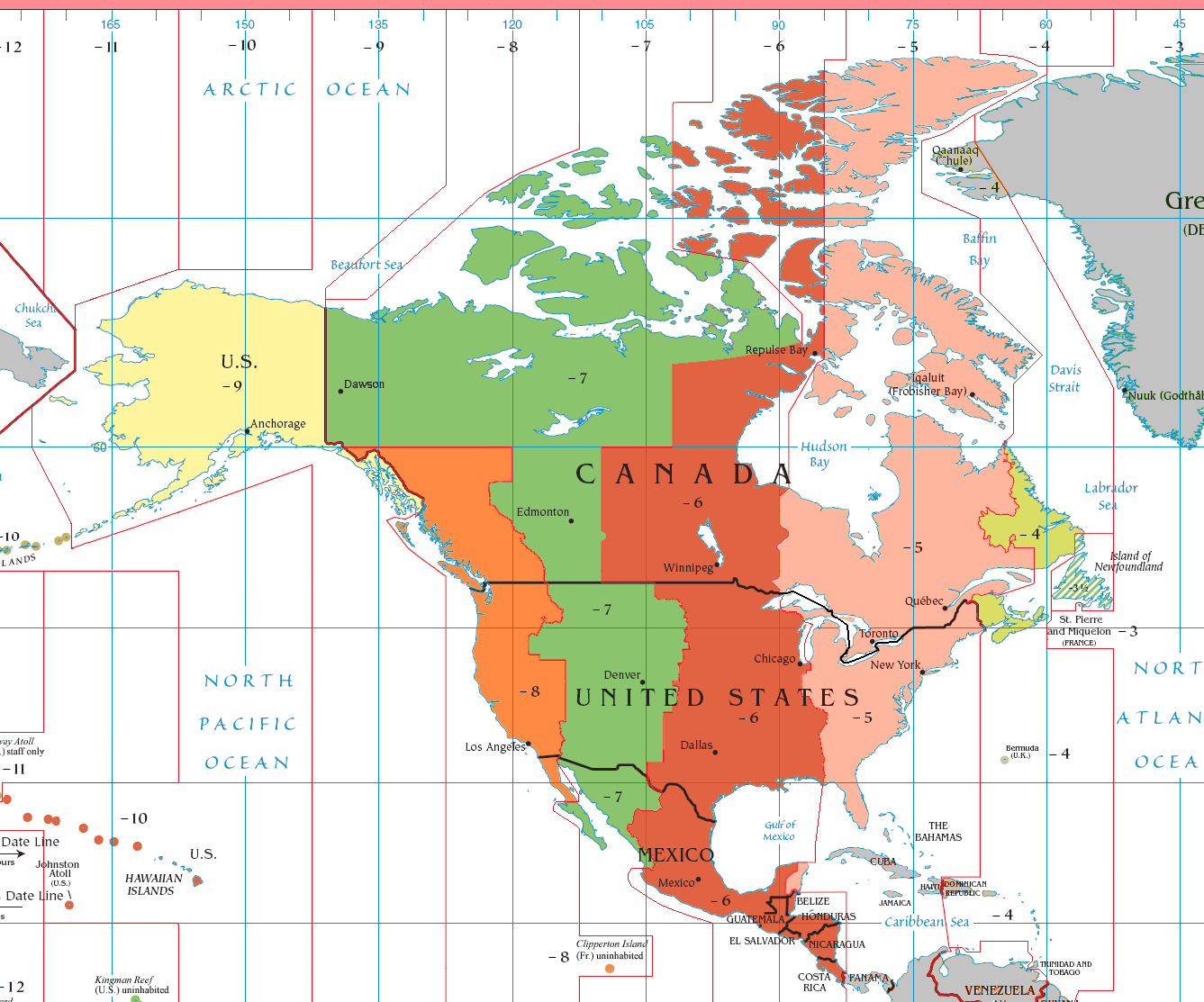
Hawaii follows Hawaii-Aleutian Standard Time, which is 10 hours behind Coordinated Universal Time (UTC-10). This specific time zone is shared with the Aleutian Islands of Alaska and parts of French Polynesia. Because of its unique position near the equator, the amount of daylight remains relatively consistent throughout the year, meaning the state does not observe Daylight Saving Time.
The Absence of Daylight Saving Time
One of the most important things for travelers to remember is that Hawaii stays on standard time all year round. While much of the United States, Canada, and Europe “spring forward” or “fall back,” the clocks in Honolulu and Lahaina never move. This creates a shifting time difference depending on the season. During the winter months, Hawaii is two hours behind Pacific Standard Time and five hours behind Eastern Standard Time. However, during the summer, when Daylight Saving Time is active on the mainland, Hawaii becomes three hours behind the West Coast and six hours behind the East Coast.
Why the Consistency Matters for Travel
For the traveler, this consistency is a blessing. You do not have to worry about missing a flight due to a seasonal clock change if you are visiting in March or November. However, it does require a bit of mental math when calling home to New York City or London. The lack of Daylight Saving Time reflects the cultural “Island Time”—a philosophy that prioritizes the natural cycles of the sun over the rigid demands of a ticking clock.
Planning Your Itinerary Around the Sun
When you arrive in Hawaii, you will quickly realize that the sun dictates the daily schedule more than in many other parts of the world. Because the islands are located in the tropics, the duration of daylight doesn’t fluctuate as wildly as it does in Seattle or Chicago. This stability allows for precise planning of outdoor adventures, from hiking to surfing.
Maximizing Morning Light in Honolulu
In the capital city of Honolulu on the island of Oahu, life starts early. Many travelers find themselves waking up with the sunrise, often around 6:00 AM or 7:00 AM, due to the westward time shift. This is the perfect time to visit Diamond Head for a morning hike. Getting an early start not only helps you beat the midday heat but also ensures you catch the golden hour light reflecting off the Pacific Ocean.
Sunset Rituals on Maui and Kauai
As the day winds down, the focus shifts to the western shores. On Maui, travelers gather along the coast of Kaanapali to witness the daily cliff diving ceremony at Black Rock, which is timed perfectly with the setting sun. Meanwhile, on Kauai, the “Garden Isle,” the sun sets over the dramatic cliffs of the Na Pali Coast, providing one of the most spectacular visual displays in the United States. Knowing the exact time of sunset is vital if you are booking a sunset dinner cruise or a traditional luau in Waikiki.
Island Hopping Logstics
If your travel plans include visiting multiple islands, such as flying from Kona on the Island of Hawaii to Lihue on Kauai, you won’t have to worry about time zone changes. All islands in the Hawaiian Archipelago operate on the same time. This makes inter-island flights via Hawaiian Airlines or Southwest Airlines straightforward and stress-free.
Managing the Time Gap and Jet Lag
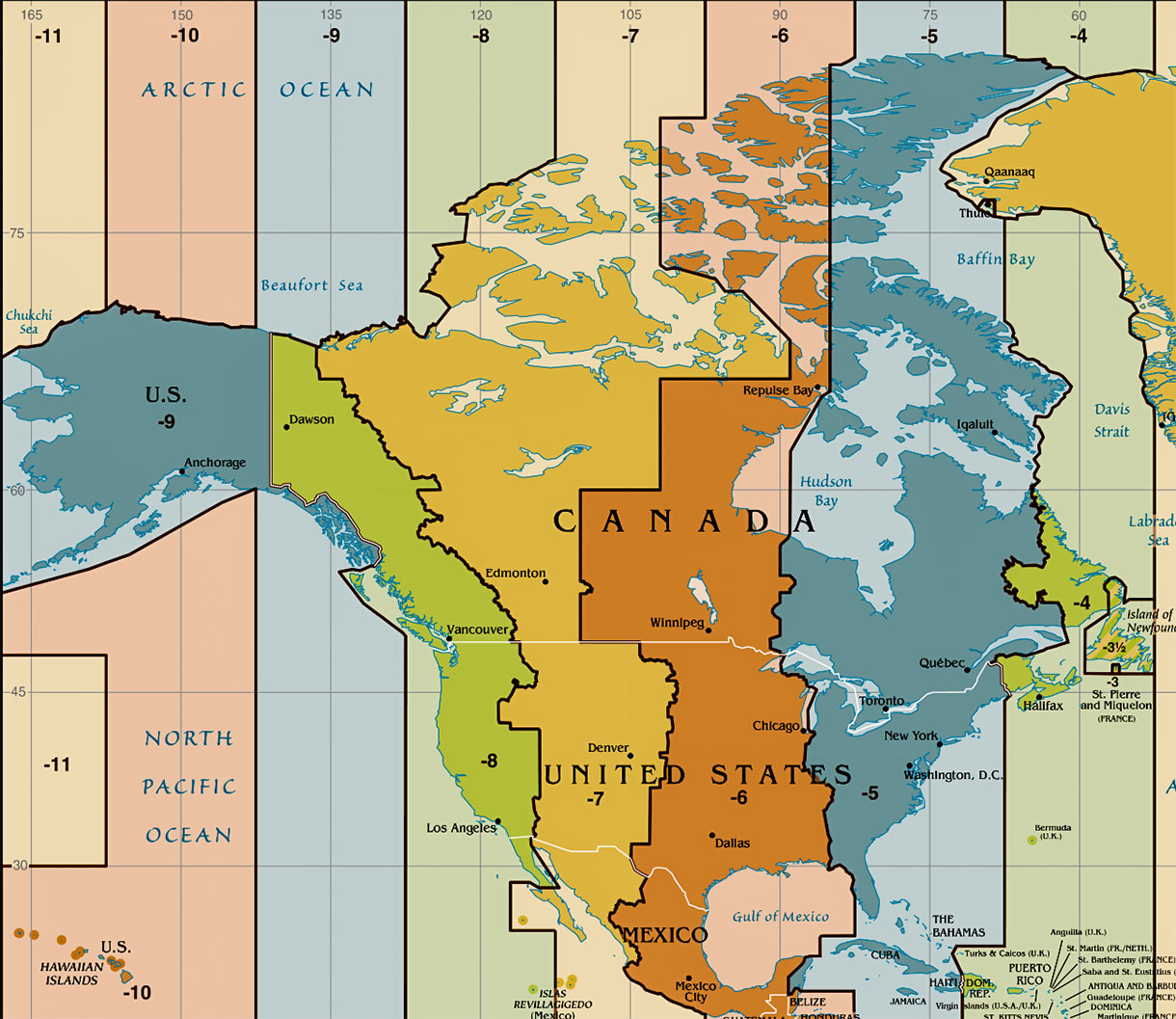
Traveling to Hawaii often involves crossing several time zones, which can take a toll on the body. Whether you are flying from Los Angeles, Tokyo, or Sydney, the “time jump” is a significant part of the journey.
Strategies for the Westbound Flight
For those arriving from the United States mainland, the flight is generally westbound. This means you are “gaining” hours, which often results in travelers feeling tired early in the evening but waking up extremely early the next morning. To mitigate this, experts suggest staying hydrated and trying to stay awake until at least 9:00 PM local time on your first night in Honolulu. This helps your internal clock reset to the Hawaii-Aleutian Standard Time more quickly.
Connecting from International Destinations
Travelers from Japan are a major demographic for Hawaii tourism. A flight from Narita International Airport to Daniel K. Inouye International Airport involves crossing the International Date Line. This can be confusing, as you may land at a time that is “earlier” than when you departed. Similarly, visitors from Australia and New Zealand must navigate a significant day and time shift. Planning a “buffer day” upon arrival at your resort in Wailea or Princeville is highly recommended to allow your body to adjust.
Using Technology to Keep Track
While your smartphone will likely update automatically to the local time once you land in Hawaii, it is helpful to keep a world clock widget active. This is especially true if you are managing business meetings back in San Francisco or London. Being aware that Hawaii is significantly behind the rest of the world helps you manage expectations for communication with those not lucky enough to be on vacation with you.
Cultural Events and Time-Sensitive Attractions
The local time in Hawaii dictates the schedule for some of the state’s most revered cultural and historical sites. For any traveler, being “on time” is essential for these high-demand experiences.
Historical Sites on Oahu
If you plan to visit Pearl Harbor and the USS Arizona Memorial, timing is everything. Reservations are often required, and visitors are encouraged to arrive well before their scheduled slot. Because Oahu traffic can be unpredictable, especially during the morning rush hour in Honolulu, understanding the local flow of time is vital. Similarly, the Polynesian Cultural Center on the North Shore has a strict schedule of performances and demonstrations that represent the cultures of Samoa, Tahiti, and Fiji.
Stargazing on the Big Island
On the Island of Hawaii, the concept of time takes on a cosmic dimension. The telescopes at the summit of Mauna Kea depend on the clear, dark skies of the Pacific. For tourists, booking a stargazing tour requires careful attention to the time of dusk. The transition from daylight to the star-filled canopy of the Milky Way is rapid in the tropics, providing a profound sense of place and time.
Nature’s Clock: Whale Watching
If you are visiting Hawaii between December and April, you are likely hoping to see the North Pacific Humpback Whales. These majestic creatures migrate from Alaska on their own biological clock. Boat tours departing from Lahaina Harbor or Maalaea Bay typically offer morning and afternoon excursions. Many locals believe that the early morning tours offer the calmest waters, making it the best time to capture photos of a whale breaching against the backdrop of Molokai.
Embracing the “Aloha Time” Philosophy
Finally, while the technical answer to “What time zone is it in Hawaii?” is Hawaii-Aleutian Standard Time, the experiential answer is “Aloha Time.” This is a cultural concept that encourages visitors to slow down and enjoy the present moment.
The Slow Pace of the Islands
In Hawaii, there is less emphasis on the frantic “to-do list” style of travel found in cities like Hong Kong or Paris. Whether you are waiting for a table at a popular restaurant in Kapalua or watching the waves at Hanalei Bay, the pace is intentionally slower. Embracing this shift in tempo is as important as adjusting your watch.

Scheduling for Spontaneity
While you need to know the time for your flight back to Dallas or Vancouver, the best Hawaii itineraries leave room for the unscheduled. Understanding the time zone allows you to plan the “must-see” attractions like Haleakala National Park or Volcanoes National Park, but the true magic happens when you stop looking at the clock.
In conclusion, Hawaii operates on a fixed, reliable time zone that serves as a gateway to some of the world’s most beautiful landscapes. By understanding the year-round consistency of HST and the lack of Daylight Saving Time, you can better navigate your travels across the Alenuihaha Channel and beyond. So, set your watch to the local time, but remember to let the rhythms of the islands guide your journey. Whether you are exploring the lush rainforests of Hilo or the luxury boutiques of Waikiki, you will find that in Hawaii, the best time is always right now.
LifeOutOfTheBox is a participant in the Amazon Services LLC Associates Program, an affiliate advertising program designed to provide a means for sites to earn advertising fees by advertising and linking to Amazon.com. Amazon, the Amazon logo, AmazonSupply, and the AmazonSupply logo are trademarks of Amazon.com, Inc. or its affiliates. As an Amazon Associate we earn affiliate commissions from qualifying purchases.