
The question of distance between major urban centers and significant regional hubs is a common one for travelers, commuters, and those planning a move. For many in the Midwest, understanding the logistical bridge between the bustling metropolis of Chicago and the vibrant, academic city of Champaign, Illinois, is crucial. Whether for business, academic pursuits at the University of Illinois Urbana-Champaign, or leisure, the journey connecting these two distinct Illinois locales is a well-trodden path. This comprehensive guide will delineate the precise distances, explore various transportation methods, and offer insights into optimizing your travel experience between these two important Illinois destinations.
Understanding the Geographical Link: Distance and Proximity
At its core, determining “how far” involves more than just a number on a map; it encompasses the practical implications of travel time, accessibility, and the chosen mode of transport. The corridor between Chicago and Champaign is a prime example of an essential regional connection that facilitates significant movement of people, goods, and ideas.
The Direct Measurement: Miles and Kilometers
The approximate driving distance between downtown Chicago and Champaign is typically around 135 to 140 miles (approximately 217 to 225 kilometers). This figure can vary slightly depending on the exact starting point within Chicago and the specific destination within Champaign or its twin city, Urbana. The most direct and commonly used route predominantly follows Interstate 57 (I-57) southbound, a well-maintained highway that cuts through the flat, fertile farmlands of central Illinois.
Geographical Context: Illinois’ Central Hub
Champaign is situated strategically in east-central Illinois, making it a natural crossroads for various travel routes. Its proximity to Chicago, the state’s largest city and a global financial and cultural hub, makes it a frequent destination for students, faculty, business professionals, and tourists alike. This geographical positioning underscores the importance of efficient and reliable transportation options linking the two cities, reinforcing Champaign’s role as a significant regional center, driven largely by the academic prowess of the University of Illinois Urbana-Champaign.
Navigating the Journey: Transportation Options Between Chicago and Champaign
Travelers have a variety of choices when planning a trip between Chicago and Champaign, each offering distinct advantages in terms of cost, convenience, and comfort. The selection often hinges on individual priorities, such as budget constraints, time availability, and the desire for flexibility.
Driving: The Most Flexible Option
For many, driving remains the preferred method of travel due to its inherent flexibility and convenience. The journey typically takes between 2 hours and 15 minutes to 2 hours and 45 minutes, depending heavily on traffic conditions, particularly when departing from or arriving in Chicago.
- Route: The primary route involves taking I-57 South directly from the Chicago metropolitan area to Champaign. This highway is generally straightforward and well-marked.
- Pros: Drivers enjoy the freedom to set their own schedule, make spontaneous stops, and carry luggage without restrictions. It’s particularly economical for groups or families who can split fuel costs.
- Cons: Traffic congestion, especially during peak hours around Chicago, can significantly extend travel times. Fuel costs, potential tolls, and the need for parking in both cities are also factors. Weather conditions, particularly Illinois’s harsh winters, can make driving hazardous and lead to delays.
Rail Travel: Amtrak’s Scenic Route
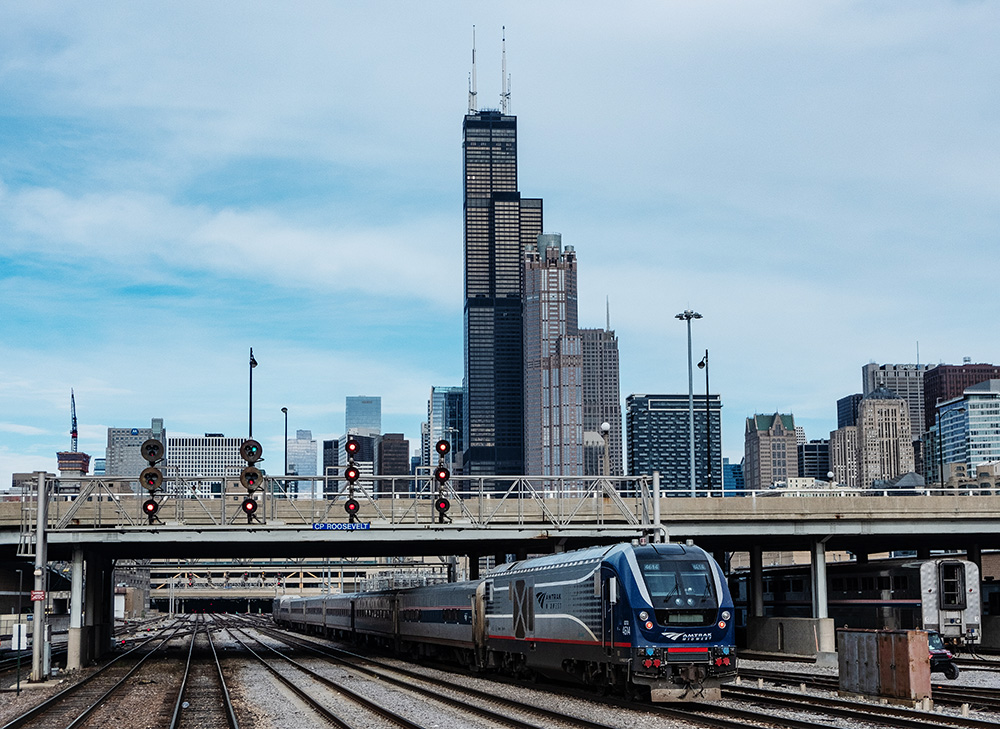
Amtrak provides a comfortable and often less stressful alternative to driving. The Illini Service and Saluki trains offer daily service between Chicago Union Station and the Champaign-Urbana Amtrak Station.
- Travel Time: The train journey typically ranges from 2 hours and 25 minutes to 2 hours and 45 minutes, often comparable to or slightly longer than driving without traffic.
- Pros: Passengers can relax, work, or enjoy the scenery without the burdens of driving. Amtrak offers amenities like Wi-Fi, dining cars, and comfortable seating. It’s an excellent option for those who prefer not to drive or wish to avoid parking hassles.
- Cons: Train schedules are fixed, offering less flexibility than driving. While generally reliable, delays can occur. Ticket prices can vary widely based on how far in advance they are booked and the class of service.
Bus Services: Economical and Convenient
Several bus companies operate routes between Chicago and Champaign, providing an economical choice, especially popular among students and budget travelers.
- Major Providers: Greyhound offers standard intercity bus services, while Peoria Charter is particularly popular, known for its direct routes and extensive schedule catering to the University of Illinois Urbana-Champaign community.
- Travel Time: Bus journeys generally take between 2 hours and 30 minutes to 3 hours, depending on the number of stops and traffic.
- Pros: Bus tickets are often the most affordable option, and services can be quite frequent, especially with student-focused carriers.
- Cons: Personal space is more limited, and the journey can be less comfortable for some travelers. Delays due to traffic or operational issues are possible.
Air Travel: Less Common, More Niche
While both Chicago and Champaign have airports (O’Hare International Airport (ORD) and Midway International Airport (MDW) in Chicago, and Willard Airport (CMI) in Champaign), direct flights between the two cities are generally not offered or practical due to the short distance. Travelers typically only fly into Willard Airport when connecting from other major hubs, rather than using air travel for the specific Chicago to Champaign leg. The time spent getting to and from airports, security checks, and flight duration would far exceed the benefits for such a short intrastate trip.
Planning Your Trip: Factors Influencing Travel Time and Experience
Effective trip planning can significantly enhance the travel experience between Chicago and Champaign. Several factors can influence the actual time it takes to complete the journey and the overall ease of travel.
Time of Day and Week
Traffic patterns are the most significant variable, especially when navigating in and out of Chicago. Traveling during off-peak hours (mid-day, late evening, or early morning) on weekdays can shave considerable time off a drive. Similarly, weekend travel can be unpredictable; Sunday evenings often see increased traffic as students return to Champaign. Amtrak and bus services are less affected by road traffic, but their schedules are fixed, meaning you’ll need to align your plans with available departure times.
Weather Conditions

Illinois experiences diverse weather throughout the year. Winter can bring snow and ice, potentially slowing down all forms of ground transportation. Heavy rain or fog can also impact visibility and road conditions. Always check weather forecasts before departing, particularly during the colder months, to anticipate potential delays or hazardous conditions.
Road Construction and Detours
Road maintenance and construction are ongoing, especially on major arteries like I-57. While generally well-managed, construction zones can cause temporary slowdowns or require detours. Utilizing real-time navigation apps (like Google Maps, Waze) or checking state transportation department websites can provide up-to-date information on road conditions and potential disruptions.
Personal Preferences and Budget
Ultimately, the best travel option depends on individual priorities. If budget is paramount, bus services often offer the lowest fares. For those prioritizing comfort and relaxation, Amtrak is an excellent choice. If flexibility, door-to-door convenience, and the ability to carry more items are key, driving is likely the preferred method. Evaluate the trade-offs between cost, speed, and comfort to make an informed decision that aligns with your specific needs.
Why Make the Journey? Attractions and Reasons to Visit Champaign
Understanding the distance and logistics is often driven by a purpose. Champaign is far more than just a dot on the map; it’s a vibrant city with a distinct character, largely influenced by its role as a leading academic and research center.
Academic and Research Hub
The undisputed heart of Champaign and its twin city, Urbana, is the University of Illinois Urbana-Champaign. This world-renowned institution draws students, faculty, researchers, and visitors from across the globe. Parents visit their children, prospective students tour the campus, academics attend conferences, and alumni return for events. The university’s presence fuels much of the travel demand from Chicago, establishing Champaign as a significant intellectual and technological hub.
Cultural and Arts Scene
Beyond academia, Champaign boasts a surprisingly rich cultural scene. The Krannert Center for the Performing Arts, located on the University of Illinois campus, hosts a diverse array of world-class performances, from classical concerts and opera to modern dance and theater. The twin cities also offer numerous art galleries, live music venues, and local festivals throughout the year, showcasing a vibrant community spirit.
Dining and Local Experiences
Champaign’s diverse population has cultivated an eclectic and thriving culinary scene. Visitors can explore a wide range of restaurants, from farm-to-table establishments and international eateries to casual student hangouts. The area is also home to several craft breweries and a lively nightlife, providing ample opportunities for unique local experiences. Farmers markets are popular, offering fresh produce and artisanal goods.
Natural Beauty and Outdoor Activities
Despite its urban core, the Champaign area offers opportunities to enjoy nature. Allerton Park and Retreat Center, a short drive from the city, is a stunning example of natural beauty, featuring formal gardens, hiking trails, and unique sculptures. Local parks and green spaces provide venues for walking, biking, and outdoor recreation, offering a refreshing contrast to the urban landscape.
Maximizing Your Travel Experience: Tips and Considerations
To ensure a smooth and enjoyable journey, a few practical tips can make a significant difference, regardless of your chosen mode of transportation.
Booking in Advance
For Amtrak and most bus services, purchasing tickets in advance almost always secures better prices and guarantees your seat, especially during peak travel periods (holidays, university breaks, major events). If driving, consider booking any required car rentals well ahead of time.
Staying Connected and Informed
Utilize navigation apps for real-time traffic updates if driving. For train and bus travel, check the provider’s website or app for any schedule changes or delay notifications before heading to the station. Having a power bank for your devices is always a good idea to stay charged throughout your journey.
Packing Essentials
Whether you’re driving, taking the train, or riding the bus, having some essentials on hand can greatly improve your comfort. Snacks, a water bottle, a good book or entertainment (downloaded movies/podcasts), and comfortable clothing are always advisable.

Enjoying the Journey
Traveling from Chicago to Champaign is more than just covering a distance; it’s an opportunity to transition from one environment to another. If driving, consider breaking up the trip with a stop at one of the small towns along I-57. If traveling by train or bus, embrace the chance to unwind, catch up on reading, or simply enjoy the passing Illinois landscape.
The journey between Chicago and Champaign is a manageable and well-supported one, offering various options to suit every traveler’s preference. While the distance of approximately 135-140 miles dictates a travel time of around 2.5 to 3 hours, the efficiency and comfort of the trip ultimately depend on careful planning and an understanding of the available transportation choices. Whether for academic pursuits, cultural exploration, or visiting loved ones, the path between these two significant Illinois cities is a gateway to diverse experiences, well worth the journey.
LifeOutOfTheBox is a participant in the Amazon Services LLC Associates Program, an affiliate advertising program designed to provide a means for sites to earn advertising fees by advertising and linking to Amazon.com. Amazon, the Amazon logo, AmazonSupply, and the AmazonSupply logo are trademarks of Amazon.com, Inc. or its affiliates. As an Amazon Associate we earn affiliate commissions from qualifying purchases.