
Exploring the Hawaii islands is an exercise in discovering the harmonious balance between raw natural power and a deeply rooted cultural heritage. Often referred to as the “Big Island” to distinguish it from the state, Hawaii offers a spectrum of experiences that range from snow-capped volcanic peaks to sun-drenched tropical shores. This guide focuses on the tourism aspect of the archipelago, emphasizing the activities, local culture, and essential tips that define a visit to this Pacific paradise.
Cultural Immersion and the Heritage of the Islands
To truly understand what to do in Hawaii, one must first look toward the spirit of Aloha. This isn’t just a greeting; it is a way of life that dictates how locals interact with one another and the land. Tourism in Hawaii is at its best when it respects these traditions and seeks to learn from the indigenous history that spans centuries.

The Significance of the Traditional Luau
Attending a luau is a quintessential activity for any first-time visitor. These gatherings were historically grand celebrations held to mark significant life events or victories. Today, a luau provides a window into Polynesian culture through music, dance, and gastronomy. When you visit Honolulu on the island of Oahu, you will find some of the most elaborate productions.
A traditional luau typically features the Kalua pig, cooked in an imu (an underground oven). The process itself is a ritual, involving hot stones and banana leaves to steam the meat to perfection over many hours. Beyond the food, the storytelling through Hula is mesmerizing. Hula is more than a dance; it is a complex form of communication used to preserve genealogy, mythology, and history. Visiting the Polynesian Cultural Center is highly recommended for those who want a deeper dive into the diverse cultures of the Pacific, including those of Tahiti, Samoa, and Fiji.
Sacred Sites and Historical Landmarks
Hawaii’s history is etched into its landscape. In Honolulu, a visit to Iolani Palace is essential. This was the official residence of the last reigning monarchs of the Kingdom of Hawaii, King Kalakaua and Queen Liliuokalani. It stands as a symbol of the nation’s sovereignty and its complex transition into a territory of the United States.
Equally significant is the Pearl Harbor National Memorial. This site offers a somber and educational experience regarding the events of December 7, 1941. Visitors can take a boat to the USS Arizona Memorial, which straddles the sunken hull of the battleship. It serves as a place of reflection on the global impacts of World War II. For a more ancient perspective, the Puuhonua o Honaunau National Historical Park on the Big Island showcases a restored “place of refuge” where Hawaiians who broke ancient laws could seek absolution.
Thrilling Activities and Natural Wonders
The geography of the islands dictates the activities available, making Hawaii a premier destination for eco-tourism and adventure seekers. From the jagged cliffs of Kauai to the active calderas of the Big Island, the outdoors is the primary playground.
Mastering the Waves and Coastal Exploration
Surfing is the sport of kings, originating in Hawaii centuries ago. For those looking to participate, Waikiki Beach offers gentle rolling waves perfect for beginners. The sight of Diamond Head in the background provides one of the most iconic backdrops in the world. However, if you are visiting during the winter months, a trip to the North Shore of Oahu is a must. Here, world-class surfers tackle massive swells at Banzai Pipeline and Waimea Bay.
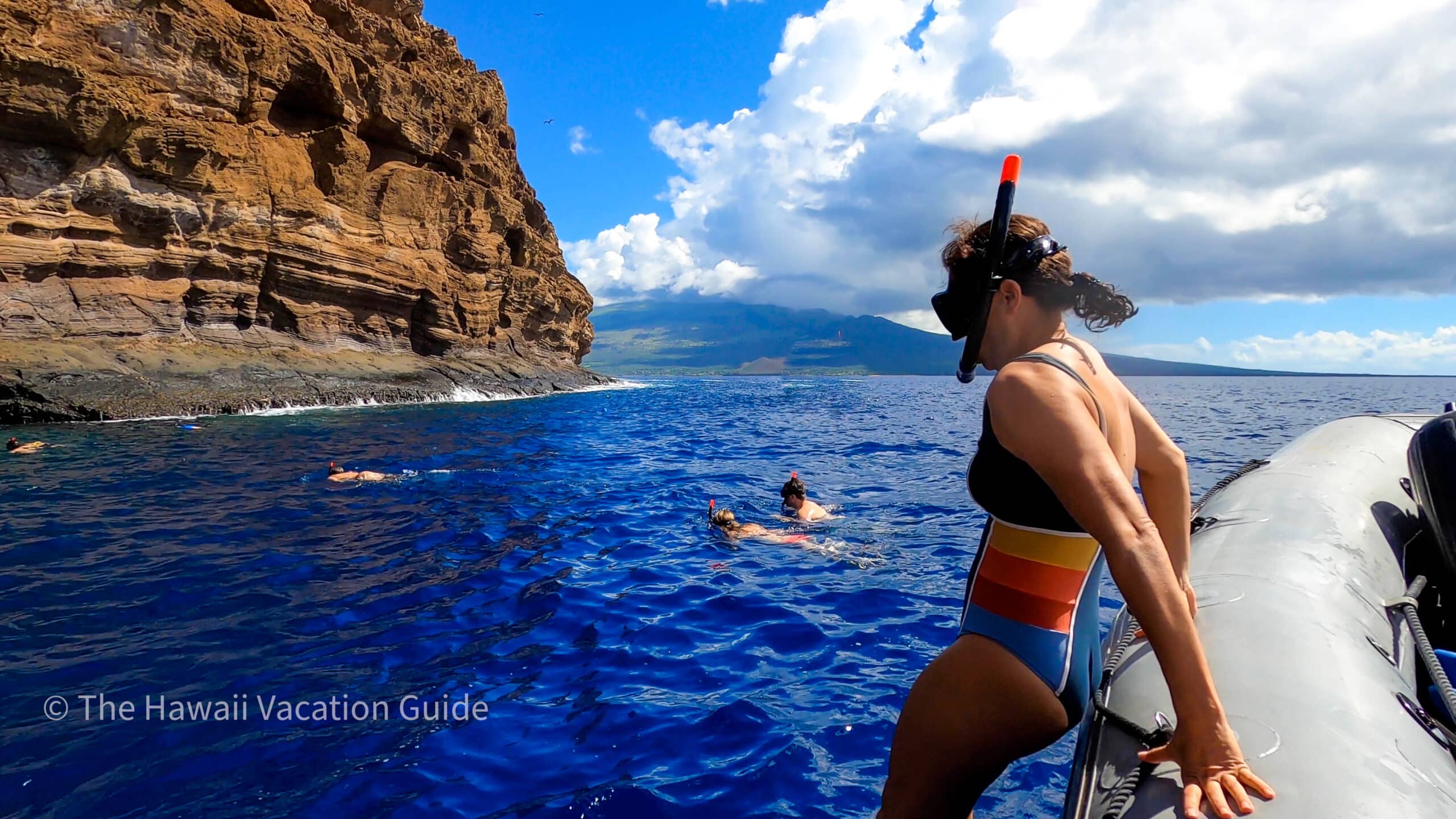
Snorkeling is another pillar of Hawaiian tourism. Hanauma Bay is a protected marine life conservation area where the clear waters allow for incredible views of the Humuhumunukunukuapuaa (the state fish) and green sea turtles, known locally as Honu. On Maui, a boat excursion to the Molokini Crater offers some of the best visibility in the archipelago, as the submerged volcanic cinder cone creates a natural sanctuary for hundreds of species of tropical fish.
Traipsing Through Volcanic and Tropical Terrain
The hiking opportunities in Hawaii are unparalleled. Hawaii Volcanoes National Park on the Big Island allows visitors to walk through the Thurston Lava Tube and view the glowing craters of Kilauea. It is a rare chance to see the Earth literally expanding as molten rock meets the sea.
On the island of Kauai, often called the “Garden Isle,” the Na Pali Coast offers one of the most challenging and rewarding treks in the world: the Kalalau Trail. For those who prefer a less strenuous view, the Waimea Canyon, known as the “Grand Canyon of the Pacific,” provides dramatic vistas of red soil and lush greenery. Meanwhile, the Road to Hana in Maui is a legendary driving tour featuring 620 curves and 59 bridges, leading through rainforests, past cascading waterfalls, and to unique black sand beaches at Waianapanapa State Park.
A Culinary Journey Through Hawaii
Tourism in Hawaii is inextricably linked to its food. The cuisine is a melting pot of indigenous traditions and the influences of immigrant workers from China, Japan, Portugal, and the Philippines who came to work on the sugar plantations.
From Poke to Poi: Traditional Flavors
No trip is complete without sampling fresh Poke. This dish of diced raw fish, usually Ahi (yellowfin tuna), is seasoned with sea salt, soy sauce, and seaweed. While it has become a global trend, the version you will find in Kona or Hilo is uniquely fresh. Another staple is Poi, a thick paste made from the fermented taro root. While its texture and earthy taste can be an acquired preference for some, it remains a vital nutritional and cultural component of the Hawaiian diet.
For a sweet treat, the Portuguese-influenced Malasadas are a local favorite. These fried dough balls, coated in sugar and sometimes filled with tropical flavors like guava or coconut, are best enjoyed hot from Leonards Bakery in Honolulu.
Exploring the Modern Food Truck Scene
The modern food scene in Hawaii has shifted toward mobile kitchens and farm-to-table concepts. In Kahuku on Oahu, rows of shrimp trucks serve the day’s catch, sautéed in garlic and butter. This casual dining style reflects the laid-back island lifestyle. On Maui, the agricultural hub of Kula offers fertile ground for berries, onions, and the famous Maui coffee. Visiting these local farms allows tourists to see the origins of their meals and supports the local economy.
Practical Tips for Navigating the Hawaiian Islands
To ensure a positive impact and a smooth trip, tourists must be aware of the logistical and ethical considerations of visiting such a delicate ecosystem.
Sustainable Travel and Environmental Stewardship
The concept of Malama Aina (caring for the land) is critical. Hawaii has recently implemented laws regarding the use of reef-safe sunscreens to protect the coral reefs from harmful chemicals like oxybenzone. Visitors are encouraged to purchase locally-made, mineral-based sunscreens. Furthermore, when observing wildlife such as the Hawaiian Monk Seal or the Humpback Whale, it is vital to maintain a respectful distance. Harassing these animals is not only disrespectful but also illegal.
Hiking also requires mindfulness. Always stay on marked trails to prevent soil erosion and to avoid the spread of Rapid Ohia Death, a fungal disease killing the native Ohia Lehua trees. Cleaning your gear and boots before and after a hike is a simple but effective way to contribute to conservation.
Seasonal Considerations and Local Etiquette
When deciding when to go, consider that the high season typically runs from mid-December through April. This is also the best time for whale watching, particularly in the Auau Channel between Maui and Lanai. However, the shoulder seasons of May to June and September to November offer pleasant weather and fewer crowds.
Understanding local etiquette can also enhance your experience. For example, it is customary to remove your shoes before entering someone’s home. When visiting sacred sites or Heiaus, never move rocks or leave “offerings” unless you are part of a guided cultural ceremony. Respecting “No Trespassing” signs on private property or lands held sacred by the community is paramount.
By focusing on these tourism-centric activities—from the heights of Mauna Kea to the lush valleys of the Kauai interior—you can experience Hawaii in a way that is both exhilarating and respectful. Whether you are watching the sunrise from the summit of Haleakala National Park or enjoying a quiet moment on a secluded beach, the islands offer a profound connection to the natural world and a vibrant, living culture.
LifeOutOfTheBox is a participant in the Amazon Services LLC Associates Program, an affiliate advertising program designed to provide a means for sites to earn advertising fees by advertising and linking to Amazon.com. Amazon, the Amazon logo, AmazonSupply, and the AmazonSupply logo are trademarks of Amazon.com, Inc. or its affiliates. As an Amazon Associate we earn affiliate commissions from qualifying purchases.