
California, a land of diverse landscapes, vibrant culture, and unparalleled opportunities, consistently draws individuals seeking a specific lifestyle – be it the bustling urban energy of Los Angeles or San Francisco, the serene coastal charm of San Diego, or the quiet allure of wine country. For those contemplating making the Golden State their home, whether for permanent residency, a long-term investment, or a seasonal retreat, understanding the financial landscape is paramount. Among the most significant financial considerations for property owners is the property tax rate. Far from being a simple percentage, California’s property tax system is unique, complex, and deeply impactful on the overall cost of living and the feasibility of various lifestyle choices. Delving into its intricacies is essential for anyone planning their future in this dynamic state.

Understanding California’s Unique Property Tax System
At the heart of California’s property tax structure lies a foundational piece of legislation that has shaped its real estate market for decades: Proposition 13. Enacted in 1978, this proposition drastically altered how property values are assessed and taxed, creating a system that differs significantly from many other states.
Proposition 13: The Foundation of California Property Taxes
Proposition 13 established an “acquisition value” system, meaning that a property’s assessed value for tax purposes is generally based on its purchase price. This is a crucial distinction from market-value systems where properties are reassessed annually based on current market rates. Under Proposition 13, the initial assessed value is the property’s full cash value at the time of purchase or new construction.
Crucially, Proposition 13 also limits annual increases in a property’s assessed value to a maximum of 2% or the Consumer Price Index (CPI), whichever is lower. This cap provides a degree of predictability and protection against rapidly escalating property taxes, particularly for long-term homeowners. However, the assessed value is fully reassessed to current market value whenever a property changes ownership (with some specific exceptions) or when new construction is completed. This mechanism ensures that while existing homeowners enjoy tax stability, new buyers face a tax bill reflecting their purchase price. For those considering a lifestyle change involving homeownership in California, understanding this acquisition value system is fundamental to forecasting their long-term financial commitments.
The Base Property Tax Rate
Beyond the assessed value, the actual tax rate applied is another critical factor. Proposition 13 set a statewide base property tax rate of 1% of the property’s assessed value. However, this 1% is rarely the final effective rate homeowners pay. Various local levies, voter-approved bonds, and special assessments are added on top of this base rate. These additional charges fund essential local services such as schools, fire departments, parks, and libraries.
For example, homeowners in a community might see additional charges for school bonds, general obligation bonds, or special assessments like Mello-Roos Community Facilities Districts. These additional levies can push the effective property tax rate significantly higher than the base 1%, often ranging from 1.1% to 1.5% or even higher in some areas, particularly in newer developments with substantial infrastructure costs. This variability means that the “California property tax rate” is not a single, fixed number across the state, but rather a dynamic figure influenced by local community needs and voter initiatives. This regional variance directly impacts the affordability and lifestyle choices available in different cities and counties.
Calculating Your California Property Tax Bill
Understanding how your property tax bill is calculated is vital for comprehensive financial planning, whether you’re purchasing a luxury villa in Malibu or a family home in Sacramento. The process involves two main components: determining the assessed value and then applying the various tax rates and special assessments.
Determining Assessed Value
As established by Proposition 13, the initial assessed value of a property is its purchase price. If you buy a home for $1,000,000, its initial assessed value for tax purposes will be $1,000,000. Each year thereafter, this assessed value can increase by a maximum of 2% or the rate of inflation (CPI), whichever is lower. This limited increase is a significant benefit for long-term homeowners, allowing their tax burden to grow much slower than the property’s market value in an appreciating market.
However, certain events trigger a reassessment to current market value. The most common trigger is a change in ownership. When a property is sold, the new owner’s assessed value resets to the purchase price. Another trigger is new construction; substantial additions or renovations that increase a property’s value can result in a partial reassessment, with the new construction being added to the existing base year value at its market rate. This system means that while your neighbors who bought their home decades ago might pay taxes on a much lower assessed value, your property taxes will reflect your more recent purchase. This disparity is a key factor in California’s real estate market dynamics and affects individuals’ lifestyle choices around relocation.
Additional Local Taxes and Fees
Beyond the 1% base rate on the assessed value, California property owners must account for various local taxes and fees. These can include:
- School Districts: Bonds passed by local voters to fund school construction and improvements.
- Special Assessments: Charges for specific services or improvements that directly benefit the property, such as flood control, street lighting, or landscaping.
- Mello-Roos Community Facilities Districts: These are particularly common in newer developments across counties like Orange County and Riverside County. Mello-Roos taxes are levied to finance public services (police, fire, schools) and infrastructure (roads, parks) in new communities, often in areas that lack established public services. These taxes are disclosed at the time of purchase and can add a significant amount to the annual property tax bill, potentially lasting for decades.
To illustrate, consider a property purchased in San Jose for $1,500,000. The base 1% would be $15,000. However, after adding school bonds, city levies, and potentially Mello-Roos (if applicable), the effective rate might be closer to 1.25% to 1.4%, making the annual tax bill range from $18,750 to $21,000. These additional costs are critical for homeowners budgeting for their lifestyle in California.
The Impact of Property Taxes on California Lifestyles
Property taxes are more than just an annual bill; they are a fundamental component of the cost of living that profoundly shapes lifestyle decisions across California.
Cost of Living Considerations for Residents
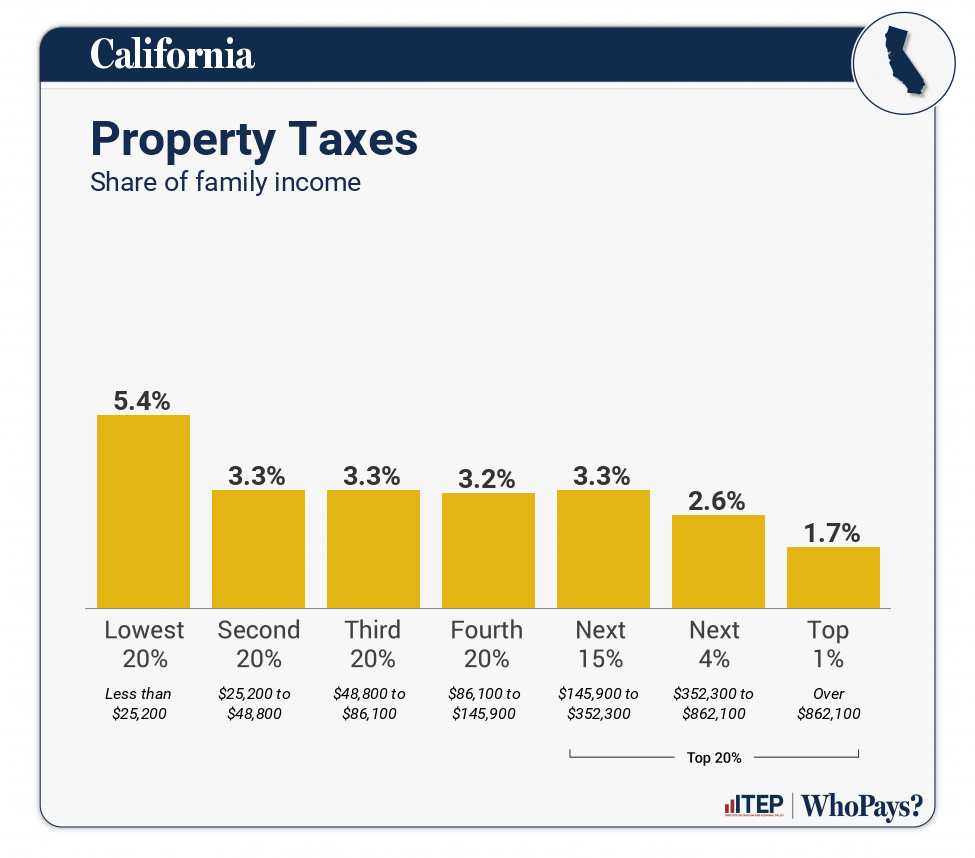
For many residents, property taxes represent a substantial ongoing expense that impacts housing affordability. While [Proposition 13](https://lifeoutofthebox.com/proposition 13) offers long-term homeowners stability, the high initial purchase prices in desirable California markets mean that even the 1% base rate, plus local assessments, translates into a significant annual outlay. This cost directly influences whether someone can afford to live in a specific neighborhood or city, impacting access to good schools, proximity to work, and desired community amenities. For retirees, managing a fixed income against property tax increases (even if capped at 2%) requires careful planning. Compared to states with lower property taxes, California’s system, while stable for long-term owners, presents a higher initial barrier to entry for new buyers, influencing decisions on where to establish a family or spend one’s golden years.
Investment Properties and Vacation Homes
For individuals considering a second home, a vacation rental, or a long-term investment property in California, property taxes are a critical variable in the financial equation. High property taxes can erode rental income yields and reduce the overall return on investment, especially if the property does not appreciate rapidly enough to offset these costs. Buyers of vacation homes, perhaps in Palm Springs or near Lake Tahoe, must factor these annual expenses into their budget for recreational use or short-term rental income. The cost of property ownership, driven largely by property taxes, can be a determining factor in choosing between owning a piece of the California dream versus opting for more flexible, shorter-term accommodations when visiting.
Lifestyle Choices and Geographical Variations
The effective property tax rate can vary considerably from one county to another, and even within different communities of the same county. Newer, master-planned communities in counties like Riverside County, San Bernardino County, or parts of Contra Costa County often feature higher rates due to extensive Mello-Roos assessments for new infrastructure. Conversely, older, more established communities might have lower additional levies.
This geographical variation directly influences lifestyle choices. Someone seeking a more affordable lifestyle might gravitate towards areas with lower effective tax rates, even if it means a longer commute or fewer immediate amenities. For instance, a tech professional working in Silicon Valley, known for its high property values and corresponding taxes, might choose to live in a neighboring county to mitigate property tax burden, balancing commute time with housing costs. Understanding these nuances is essential for tailoring your home search to your desired lifestyle and financial capacity.
Exemptions, Reductions, and Important Considerations
While California’s property tax system can seem daunting, several exemptions and rules can provide relief or flexibility for eligible homeowners.
Homeowners’ Exemption
The most common relief is the Homeowners’ Exemption. If you own and occupy your home as your principal place of residence on January 1, you may be eligible for a modest reduction of $7,000 from your property’s assessed value. While this doesn’t dramatically lower a high tax bill, it provides a consistent, albeit small, saving each year. It’s a standard benefit for owner-occupants and is often automatically applied after the initial purchase and declaration of primary residency.
Other Potential Exemptions
California also offers other specific exemptions and programs:
- Disabled Veterans’ Exemption: Provides a substantial exemption for certain disabled veterans and their spouses.
- Proposition 60 and Proposition 90 (now superseded by Proposition 19): These propositions previously allowed eligible seniors (over 55) or severely disabled persons to transfer their existing Proposition 13 base year value to a replacement primary residence of equal or lesser value within the same county (Prop 60) or to another county if that county opted in (Prop 90). This was a significant benefit for seniors looking to downsize or move closer to family without incurring a massive property tax increase, preserving their lifestyle quality.
- Proposition 19: Passed in 2020, Proposition 19 significantly modified the rules for property tax transfers. It allows eligible homeowners (over 55, severely disabled, or wildfire/disaster victims) to transfer their base year value up to three times to a replacement home anywhere in the state, even if the new home is of greater value (though an adjustment is made if the new home is more expensive). However, Proposition 19 also eliminated the parent-child and grandparent-grandchild exclusion for inherited properties unless the child or grandchild occupies the home as their primary residence. This change has major implications for estate planning and multi-generational family lifestyles, making it crucial to consult with tax professionals regarding intergenerational property transfers.
Property Tax Deadlines and Payments
California property taxes are generally paid in two semi-annual installments:
- The first installment is due on November 1st and becomes delinquent after December 10th.
- The second installment is due on February 1st and becomes delinquent after April 10th.
Missing these deadlines incurs significant penalties. Many homeowners opt for an impound account through their mortgage lender, where property taxes are collected monthly with their mortgage payment and disbursed by the lender, simplifying the process and preventing missed deadlines.
Navigating the California Property Market with Tax Knowledge
Making an informed decision about purchasing property in California requires a thorough understanding of its property tax system, especially when integrating it into your broader lifestyle and financial aspirations.
Consulting with Professionals
Given the complexities of California property taxes, particularly with the nuances of Proposition 13 and Proposition 19, consulting with experienced professionals is highly recommended. A qualified real estate agent can help you understand the effective tax rates in different communities you’re considering. A tax advisor or financial planner can provide personalized guidance on how property taxes will impact your overall financial health, retirement plans, or investment strategies. Their expertise can uncover potential savings or prevent costly misunderstandings, allowing you to focus on enjoying the California lifestyle you envision.

Long-Term Financial Planning
Integrating property taxes into your long-term financial planning is crucial. For those considering relocation for work, retirement, or a lifestyle change, understanding the property tax burden will heavily influence the affordability of your desired location. While California boasts many attractions, from the beaches of Santa Monica to the natural beauty of Yosemite or the bustling economy of Oakland, these amenities come with a cost. Factoring in property taxes alongside housing prices, income taxes, and other living expenses provides a realistic picture of your financial commitments and helps ensure your chosen lifestyle is sustainable.
Ultimately, the question “What is California property tax rate?” has a multifaceted answer, involving a statewide base rate, local additions, and an assessment system designed to offer stability for long-term owners. For anyone dreaming of the California lifestyle – whether it’s buying a luxury home, a quaint vineyard, or a bustling urban apartment – a comprehensive grasp of these tax implications is indispensable for making savvy financial decisions and securing a comfortable future in this iconic state.
LifeOutOfTheBox is a participant in the Amazon Services LLC Associates Program, an affiliate advertising program designed to provide a means for sites to earn advertising fees by advertising and linking to Amazon.com. Amazon, the Amazon logo, AmazonSupply, and the AmazonSupply logo are trademarks of Amazon.com, Inc. or its affiliates. As an Amazon Associate we earn affiliate commissions from qualifying purchases.