
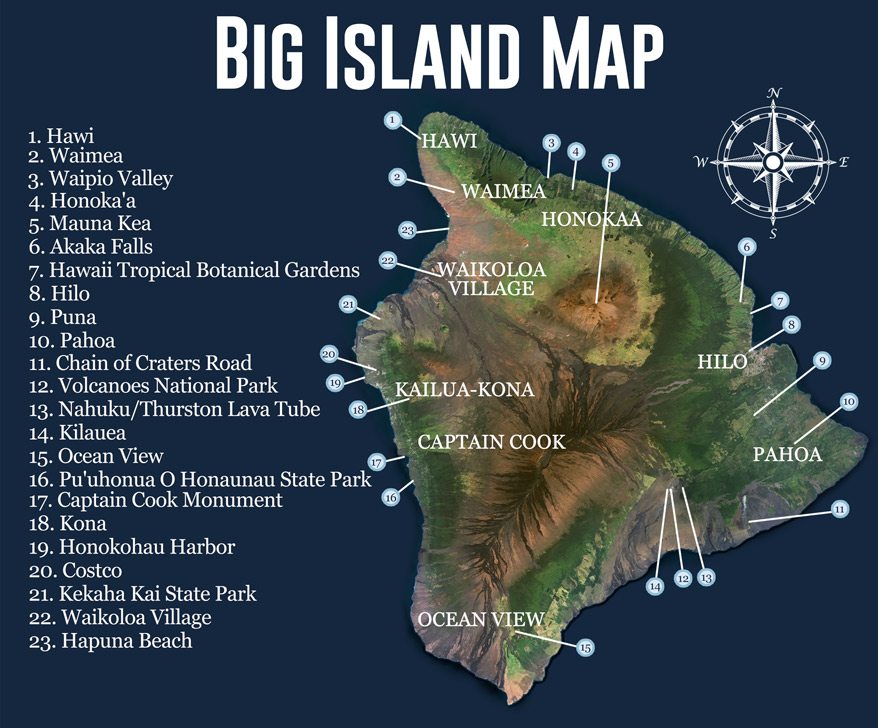
The sun-drenched coast of Kona is more than just a gateway to the Big Island of Hawaii; it is a vibrant tapestry of ancient history, volcanic landscapes, and world-class marine adventures. While many visitors mistakenly refer to the region as “Kona Island,” it is actually the western district of the largest island in the United States archipelago. Stretching for about 60 miles from the lava fields of Kau to the lush hills of Kohala, this region offers a unique microclimate that produces some of the most sought-after coffee in the world and provides a playground for travelers seeking both relaxation and exhilaration.
For those planning a journey to this volcanic paradise, understanding the local rhythm is essential. The district is divided into North Kona and South Kona, with the bustling seaside village of Kailua-Kona serving as the central hub. Whether you are a history buff, an underwater enthusiast, or a culinary explorer, the tourism opportunities here are as diverse as the hardened lava flows that define the horizon.
Immersive Cultural and Historical Experiences
To truly understand Hawaii, one must look beyond the beaches and delve into the spiritual and royal history that is deeply embedded in the Kona landscape. This region was once the home of King Kamehameha I, the legendary monarch who unified the islands, and it remains a sacred ground for the indigenous people.
Exploring Puuhonua o Honaunau National Historical Park
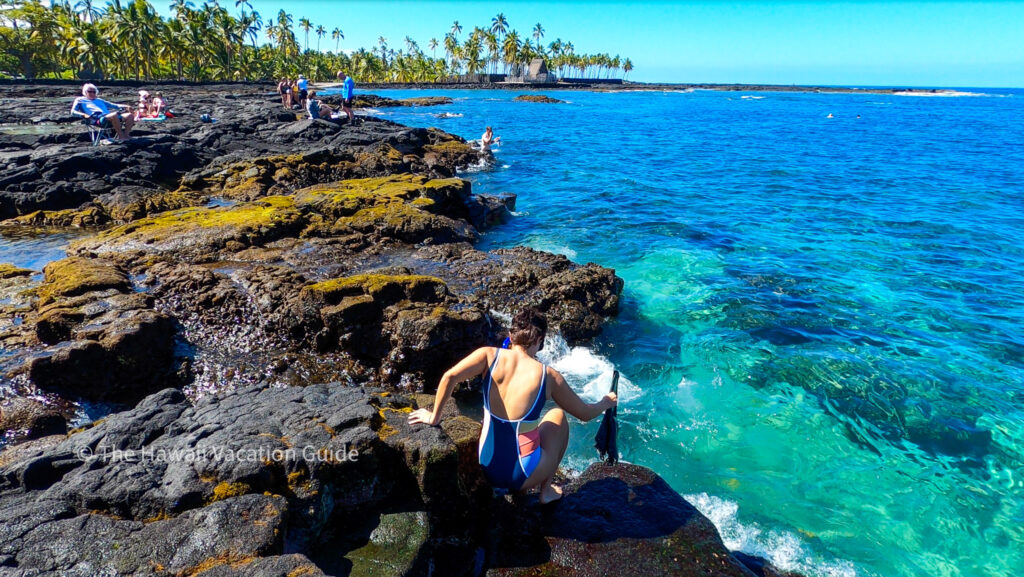
Located on the shores of Honaunau Bay, the Puuhonua o Honaunau National Historical Park is perhaps the most significant cultural site on the island. Historically, this “Place of Refuge” offered a second chance at life for those who had broken a kapu (sacred law) or for defeated warriors during times of battle. If a fugitive could reach this sanctuary, a priest could perform a ceremony of absolution.
Today, visitors can walk among the reconstructed thatched structures, towering wooden images of gods known as kii, and a massive Great Wall built from volcanic rock without the use of mortar. The park provides an insightful look into ancient Hawaiian laws and social structures, offering a peaceful atmosphere that commands respect and reflection.
The Legacy of Ahuena Heiau
In the heart of Kailua-Kona, located just behind the Courtyard by Marriott King Kamehameha’s Kona Beach Hotel, sits Ahuena Heiau. This temple served as the personal retreat and final residence of King Kamehameha I during his later years. It was here that he governed his kingdom and where he eventually passed away in 1819. The site is a reconstructed version of the original temple, maintained with great care to preserve the sanctity of the royal grounds. While visitors cannot walk directly onto the temple platform, viewing it from the pier or the adjacent beach offers a profound connection to the transition from the old ways of Polynesia to the modern era of the Hawaiian Kingdom.
Following the Footsteps of Captain Cook at Kealakekua Bay
Kealakekua Bay is a site of immense historical complexity. It is the location where Captain James Cook, the first documented European to reach the islands, made contact with the locals and was ultimately killed. A white obelisk, the Captain Cook Monument, stands on the northern edge of the bay. Beyond the history, the bay is a protected marine life conservation district, making it one of the premier spots for snorkeling and kayaking in Oceania.
Adventure and Outdoor Activities on the Kona Coast
The geography of Kona is dominated by the slopes of two massive volcanoes: Hualalai and Mauna Loa. This creates a dramatic backdrop for a variety of outdoor activities that range from high-altitude trekking to deep-sea explorations.
Snorkeling with Manta Rays in Keauhou Bay
One of the most iconic activities in Kona is the nighttime manta ray snorkel or dive. In the waters near Keauhou Bay and the Sheraton Kona Resort, powerful lights are used to attract plankton, which in turn attracts the majestic Manta Rays. These gentle giants, with wingspans often exceeding 12 feet, glide gracefully within inches of snorkelers. It is an ethereal experience that highlights the biological richness of the Pacific Ocean and remains a top-tier bucket list item for travelers worldwide.
Coffee Farm Tours in the Holualoa Region
No trip to this region is complete without exploring the Kona Coffee belt. This narrow strip of land, situated between 800 and 2,500 feet in elevation, provides the perfect combination of volcanic soil, afternoon cloud cover, and mild temperatures. The village of Holualoa is the epicenter of this industry.
Many local farms, such as Greenwell Farms or Kona Coffee Living History Farm, offer guided tours. Visitors can learn about the intensive process of hand-picking, pulping, drying, and roasting the beans. Sampling a cup of 100% pure Kona Coffee while overlooking the coastline is a quintessential local experience.
Beaches and Water Sports
While the Kona coast is famous for its rocky lava shores, it also boasts hidden gems of white sand. Maniniowali Beach at Kua Bay is renowned for its turquoise waters and fine sand, perfect for swimming and bodyboarding. For families, Kahaluu Beach Park offers shallow, calm waters teeming with tropical fish and sea turtles, known locally as Honu. If you are looking for a more “disappearing” beach, Magic Sands Beach (also known as Laaloa Beach Park) is famous for its sand that gets washed away during heavy winter surf, leaving only lava rock until the gentler tides return it.
Gastronomy and Local Flavors
Tourism in Kona is as much about the palate as it is about the scenery. The “farm-to-table” movement is not a trend here; it is a way of life, fueled by the rich volcanic earth and the surrounding sea.
Savoring Fresh Catch and Local Markets
The Kona Waterfront is lined with restaurants that serve fish caught just hours prior. Signature dishes often include Ahi (yellowfin tuna), Mahi-mahi, and Ono. For a more casual and authentic taste, the Kona Farmers Market in Kailua-Kona is a must-visit. Here, you can find exotic fruits like rambutan, dragon fruit, and lilikoi (passion fruit), alongside artisanal honey and locally made macadamia nut treats.
The culinary scene also honors the traditional Hawaiian diet. Trying Poke—a salad of raw fish marinated with soy sauce, sesame oil, and seaweed—is essential. Many local spots, such as Umikes or Da Poke Shack, offer variations that showcase the freshness of the Big Island bounty.
Traditional Hawaiian Luaus
A luau is more than just a dinner; it is a celebration of Hawaiian and Polynesian culture. Many major resorts, including the Royal Kona Resort, host evening festivities that include the traditional imu ceremony, where a pig is slow-cooked in an underground oven. The evening is usually accompanied by hula dancing, fire performances, and storytelling that recounts the voyages of the early settlers who navigated the stars to find Hawaii.
Essential Tips for Navigating the Kona Coast
To make the most of a trip to this part of the Big Island, visitors should be aware of the logistical nuances and environmental responsibilities that come with island travel.
Best Time to Visit and Transportation
The weather in Kona is remarkably consistent, with sunny skies most of the year. However, the most popular times to visit are during the dry winter months (December through March) when humpback whales migrate through the Auau Channel.
Regarding transportation, renting a car is highly recommended. The Big Island is vast, and public transportation is limited. Having a vehicle allows you to explore the contrast between the lava deserts of North Kona and the lush rainforests of the Hamakua Coast or the heights of Mauna Kea.

Sustainable Tourism and Respecting the ‘Aina
The concept of Malama Aina (to care for the land) is central to Hawaiian culture. Travelers are encouraged to be mindful of their environmental impact. This includes:
- Reef-Safe Sunscreen: Traditional sunscreens contain chemicals like oxybenzone that harm coral reefs. Always use mineral-based, reef-safe alternatives.
- Wildlife Distance: It is a federal law to maintain a respectful distance from protected species like the Hawaiian Monk Seal and the Green Sea Turtle.
- Leave No Trace: Whether hiking through the Kaloko-Honokohau National Historical Park or visiting a remote beach, ensure all trash is removed to protect the fragile ecosystem.
By approaching Kona with curiosity and respect, visitors contribute to the preservation of this unique destination while gaining a deeper appreciation for the spirit of Aloha. From the depths of the ocean to the heights of the volcanic peaks, Kona offers a transformative experience that resonates long after the flight home from Ellison Onizuka Kona International Airport.
LifeOutOfTheBox is a participant in the Amazon Services LLC Associates Program, an affiliate advertising program designed to provide a means for sites to earn advertising fees by advertising and linking to Amazon.com. Amazon, the Amazon logo, AmazonSupply, and the AmazonSupply logo are trademarks of Amazon.com, Inc. or its affiliates. As an Amazon Associate we earn affiliate commissions from qualifying purchases.