
The shimmering allure of Los Angeles often conjures images of sun-drenched beaches, iconic entertainment studios, and sprawling urban landscapes. However, like many regions with a Mediterranean climate, California and its crown jewel, LA, are no strangers to the destructive force of wildfires. The question of “how much of Los Angeles is on fire?” is not just a dramatic inquiry; it reflects a pressing reality that impacts the city’s residents, its tourism industry, and its very identity. Understanding the scope and implications of these fires is crucial for anyone planning a visit or deeply invested in the well-being of this vast metropolis.
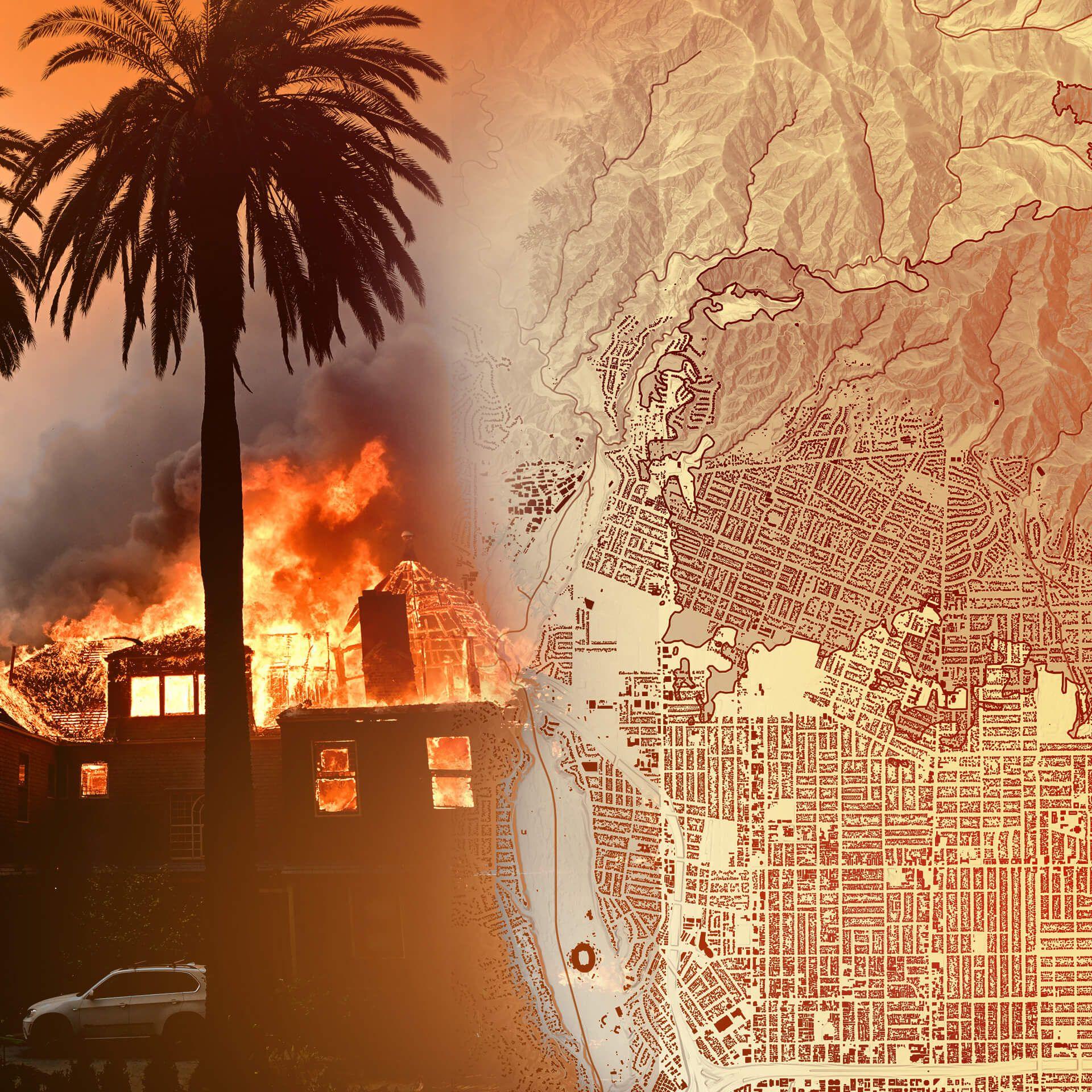
Wildfires in Los Angeles County are a recurring phenomenon, exacerbated by dry vegetation, Santa Ana winds, and increasingly, the effects of climate change. These fires can range from relatively small brush fires that are quickly contained to massive conflagrations that scorch thousands of acres, displace communities, and pose significant air quality hazards. The answer to “how much” is rarely static; it fluctuates dramatically with the seasons and the specific fire year. It’s a dynamic situation that requires constant monitoring and preparedness.
The Shifting Landscape of Fire Risk in Los Angeles
The geographical diversity of Los Angeles plays a significant role in its fire risk. The county encompasses a vast area, from the coastal plains to the mountainous regions like the Santa Monica Mountains and the San Gabriel Mountains. These higher elevations, often covered in chaparral and coastal sage scrub, are particularly susceptible to ignition and rapid fire spread. Areas bordering these wildland-urban interfaces (WUI) are at the highest risk.
Understanding the Factors Fueling Wildfires
Several interconnected factors contribute to the frequency and intensity of wildfires in Los Angeles.
Ignition Sources
Wildfires can be sparked by both natural and human causes. Lightning strikes, while less common in Southern California than in other parts of the country, can ignite dry vegetation. However, human activities are overwhelmingly the primary ignition source. These include:
- Equipment Malfunctions: Sparks from power lines, faulty machinery, or vehicles can easily ignite dry brush.
- Arson: Unfortunately, deliberate acts of arson contribute to the fire problem.
- Campfires and Barbecues: Careless use of open flames in or near wildland areas.
- Fireworks: Especially prevalent around holidays like the Fourth of July.
Fuel Loads and Weather Conditions
The availability of dry vegetation, known as fuel load, is a critical component. Years of drought stress can desiccate plants, making them highly flammable. The infamous Santa Ana winds, hot, dry offshore winds that blow during the fall and winter months, act like a bellows, fanning flames and propelling them with incredible speed. High temperatures further exacerbate the drying of vegetation, creating tinderbox conditions.
Climate Change Impact
The scientific consensus points to climate change as a significant amplifier of wildfire risk. Rising global temperatures lead to longer and more intense drought periods, making vegetation drier and more prone to burning. Changes in precipitation patterns and increased frequency of extreme weather events further contribute to the volatile fire environment in Los Angeles and across California. This means that areas previously considered less at risk might now face a greater threat.
Navigating Tourism and Lifestyle Amidst Fire Threats

For visitors and residents alike, understanding the wildfire situation is paramount to enjoying Los Angeles safely and responsibly. The impact on tourism, accommodation, and lifestyle choices can be substantial.
Adapting Travel Plans and Experiences
When planning a trip to Los Angeles, it’s essential to stay informed about current fire conditions.
Staying Informed and Prepared
- Official Alerts: Always check official sources for fire information. Websites and social media accounts of the Los Angeles Fire Department and the California Department of Forestry and Fire Protection (CAL FIRE) are invaluable. Air quality reports from agencies like the South Coast Air Quality Management District (SCAQMD) are also critical.
- Travel Advisories: Airlines and hotel chains may issue advisories or offer flexible booking policies during periods of significant fire activity.
- Itinerary Adjustments: Be prepared to adjust your itinerary. Access to certain landmarks or outdoor activities might be restricted due to fire proximity, smoke, or air quality concerns. For instance, hiking trails in areas like Griffith Park or parts of the Santa Monica Mountains National Recreation Area could be closed.
The Impact on Attractions and Activities
Many of Los Angeles’s most beloved attractions are susceptible to fire-related disruptions.
- Outdoor Landmarks: Popular spots like the Hollywood Sign, Runyon Canyon Park, and the beaches along the Pacific Coast Highway can be affected by smoke, which can obscure views and make outdoor activities unpleasant or unsafe.
- Theme Parks: Major theme parks such as Disneyland in nearby Anaheim, Universal Studios Hollywood, and Knott’s Berry Farm may experience operational impacts if smoke levels become severe or if fires threaten their perimeter.
- Cultural Experiences: While indoor attractions like museums (The Getty Center, LACMA) are generally less affected by direct fire impact, poor air quality can deter visitors.
Accommodation and Lifestyle Considerations
The choice of accommodation and broader lifestyle decisions in Los Angeles can also be influenced by fire risk.
Selecting Accommodation Wisely
- Location Matters: When booking hotels, resorts, or vacation rentals, consider their proximity to wildland areas. Properties situated in canyons or hillsides bordering undeveloped land may be at higher risk during a fire event.
- Air Filtration: For extended stays or during peak fire season, inquire about hotels or apartments that offer robust air filtration systems. This can provide a sanctuary from smoky air.
- Emergency Preparedness: Familiarize yourself with the evacuation routes and emergency plans of your accommodation.

Lifestyle and Preparedness
Los Angeles residents and frequent visitors often adopt a lifestyle that acknowledges and prepares for fire season.
- Home Preparedness: For those with homes in at-risk areas, creating defensible space around properties, maintaining roofs and gutters, and having an emergency kit are standard practices.
- Air Quality Management: During fire events, staying indoors with windows closed, using air purifiers, and wearing N95 masks when venturing outside become necessary precautions.
- Community Resilience: Many communities in Los Angeles actively participate in fire safety awareness programs and collaborate on initiatives to mitigate fire risk.
The question of “how much of Los Angeles is on fire?” is a dynamic one, reflecting a continuous challenge for this iconic city. While the threat is real and can be devastating, a combination of proactive measures, informed decision-making, and a deep understanding of the region’s environmental factors allows Los Angeles to navigate these fiery seasons, protecting its people, its economy, and its unparalleled cultural landscape. The resilience of Los Angeles is tested annually by these natural events, but its spirit, much like its palm trees, continues to stand tall against the challenges.
LifeOutOfTheBox is a participant in the Amazon Services LLC Associates Program, an affiliate advertising program designed to provide a means for sites to earn advertising fees by advertising and linking to Amazon.com. Amazon, the Amazon logo, AmazonSupply, and the AmazonSupply logo are trademarks of Amazon.com, Inc. or its affiliates. As an Amazon Associate we earn affiliate commissions from qualifying purchases.