
Navigating the legal landscape of carrying a knife can be a complex undertaking, especially when you’re exploring new destinations. For travelers heading to the Lone Star State, understanding the regulations surrounding knife carry is crucial for a smooth and lawful experience. This guide delves into the specifics of what size knife is legal to carry in Texas, drawing upon the state’s statutes and providing clarity for tourists and residents alike. Whether you’re planning a luxurious getaway to a sprawling resort in the Texas Hill Country, a family adventure exploring the historic streets of San Antonio, or a business trip to the bustling metropolis of Houston, knowing these laws will ensure you can enjoy your stay without unintended legal entanglements.
The primary legislation governing knife carry in Texas is found in the Texas Penal Code, specifically Chapter 46, which deals with weapons. The good news for those looking to carry a knife for self-defense or utility is that Texas generally permits the carry of most types of knives. However, there are specific restrictions and conditions that apply, particularly concerning certain locations and the intent behind carrying the weapon. This article aims to demystify these regulations, offering practical advice for enjoying the diverse experiences Texas has to offer, from its stunning natural landmarks like the Big Bend National Park to its vibrant urban centers and unique culinary scenes.
Understanding Texas Knife Laws: The Basics
At its core, Texas law is quite permissive regarding knife possession. Unlike some states that impose strict limitations on blade length for everyday carry, Texas does not generally have a maximum blade length restriction for knives carried openly or concealed. This means that whether you’re carrying a small pocketknife for everyday tasks or a larger blade for outdoor activities, you are likely within your rights, provided certain conditions are met. The key to understanding legality often lies not just in the size of the knife, but also in how and where it is carried, and the intent of the individual carrying it.
Types of Knives Permitted
Texas law categorizes knives into several types, and most are legal to carry. This includes:
- Folding Knives: These are the most common type of pocketknife. As long as they are not spring-loaded or switchblade mechanisms, folding knives of any blade length are generally legal to carry in Texas.
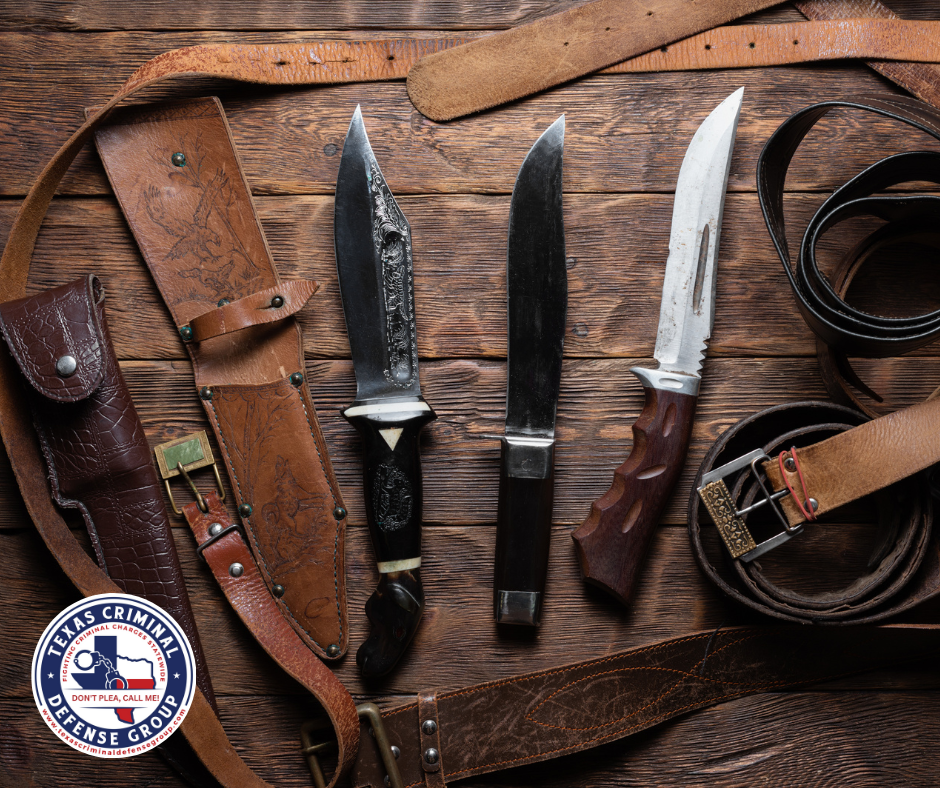
- Fixed-Blade Knives: Knives with a blade that does not fold are also legal to carry. This category includes many hunting knives, daggers, and Bowie knives. Again, the primary considerations are not the size itself, but rather the location of carry and intent.
- Assisted-Opening Knives: These knives require some manual force to open, but have a spring that assists the blade in opening. These are generally legal to carry in Texas.
- Stiletto Knives: These knives are designed to be opened with a button or a lever and can be opened quickly. These are also generally legal to carry in Texas.
The crucial distinction often made in Texas law relates to “prohibited weapons.” While many knives are not considered prohibited, certain types, such as those designed to be hidden or disguised, might fall into a different category. However, for standard knives, the size itself is rarely the sole determinant of legality.
Where You Can (and Cannot) Legally Carry a Knife
While the size of the knife is often a secondary concern in Texas, the location where you choose to carry it is paramount. Texas law prohibits carrying knives in certain places, regardless of their size or type, if they are considered “location-restricted” areas. Understanding these restrictions is vital for anyone planning to explore Texas, from visiting historical sites like the Alamo to attending events at convention centers or traveling through airports.
Prohibited Locations for Knife Carry
Even if your knife is legal to own and possess, carrying it in specific locations can be a criminal offense. These locations generally include:
- Schools: This is one of the most strictly enforced restrictions. Carrying any knife that could be considered a weapon on the grounds of a public or private school (from kindergarten through grade 12), or at a school-sponsored event, is illegal. This applies even if the knife is not readily accessible or intended for use. This is a critical consideration for families traveling with children or attending educational institutions in Texas.
- Polling Places on Election Day: During an election, carrying a knife into a polling place is prohibited.
- Courts and Offices Used by Courts: Areas within courthouses or where judicial proceedings are held are restricted.
- Correctional Facilities: Carrying any weapon, including knives, into a jail or prison is strictly forbidden.
- Federal Buildings: This includes post offices, federal courthouses, and other facilities owned or operated by the federal government.
- Airports: While you can carry a knife in a checked bag that is secured and not accessible during flight, carrying a knife in your carry-on luggage or on your person within the sterile area of an airport is illegal. This is a significant concern for travelers flying into or out of major airports like Dallas/Fort Worth International Airport or George Bush Intercontinental Airport in Houston.
- Places of Worship: Churches, synagogues, mosques, and other religious institutions are generally considered prohibited places for carrying knives.
- Sporting Events: Carrying knives into stadiums or arenas where professional or amateur sporting events are held is typically prohibited.
- Bars and Restaurants that Serve Alcohol: Texas law prohibits carrying handguns and, by extension, other weapons like knives, into establishments that derive a significant portion of their income from the sale of alcoholic beverages. This is often referred to as a “51%” location.
It is important to note that exceptions may exist for individuals with specific licenses or for law enforcement officers in the performance of their duties. However, for the general public, adhering to these location restrictions is crucial.
Concealed Carry vs. Open Carry
Texas law differentiates between carrying a knife openly and carrying it concealed. However, for knives, the legal distinction is less about the method of carry and more about the location and intent. Unlike firearms, where specific laws govern open and concealed carry permits, most knives can be carried either openly or concealed without a specific permit, provided they are not prohibited weapons and are not carried in prohibited locations.
The primary concern with concealed carry of a knife often revolves around whether the knife is considered a “disguised” weapon. A standard folding knife, even when concealed in a pocket, is generally not considered disguised. However, a knife that is intentionally hidden within an object or designed to look like something else could be problematic.
Understanding “Intent” in Texas Knife Laws

Beyond the size and location of a knife, the “intent” of the person carrying it can play a significant role in determining the legality of their actions in Texas. While Texas law doesn’t require you to have a specific reason to carry a pocketknife for everyday use, it does prohibit carrying a knife with the intent to use it unlawfully against another person.
Criminal Intent and Unlawful Use
The Texas Penal Code makes it illegal to possess a knife or other prohibited weapon with the intent to commit a crime. This means that if you are found to be carrying a knife specifically to threaten someone, to engage in a fight, or to commit any other unlawful act, you can face charges regardless of the knife’s size or where you were carrying it (within reasonable limits, as even possession with intent outside of prohibited areas can be an offense).
This principle is often referred to as “criminal intent” or “unlawful use.” Law enforcement officers will consider the totality of the circumstances when assessing intent. Factors that might suggest criminal intent include:
- The nature of the knife: Is it a common utility knife or a weapon designed for combat?
- The circumstances of the encounter: Were you involved in a dispute or confrontation?
- Statements made by the individual: Did you make any threats?
- Prior criminal history: While not solely determinative, past offenses can be considered.
For the vast majority of travelers and residents who carry a knife for legitimate purposes such as opening packages, basic repairs, or outdoor activities, this intent-based restriction is unlikely to be an issue. However, it serves as a crucial reminder that knives, like any tool, can be misused, and the law aims to prevent such misuse.
Frequently Asked Questions for Travelers
As you plan your Texas adventure, whether it involves exploring the vibrant music scene in Austin, enjoying the coastal breezes in Galveston, or experiencing the vastness of West Texas, you might have some specific questions about knife carry.
Can I carry a Bowie knife in Texas?
Yes, generally you can carry a Bowie knife in Texas. Bowie knives are typically fixed-blade knives and are not considered prohibited weapons by Texas law, provided they are not carried in prohibited locations and you do not have the intent to use it unlawfully.
What about switchblades? Are they legal?
Texas law generally permits the carry of switchblades, also known as automatic knives or out-the-front (OTF) knives. This is a point of distinction from many other states. As long as the switchblade is not used with criminal intent and is not carried in a prohibited location, it is legal to carry in Texas.
Is it legal to carry a knife while hiking in Texas?
Absolutely. When you are enjoying the natural beauty of Texas, such as exploring trails in Enchanted Rock State Natural Area or venturing into Palo Duro Canyon State Park, carrying a knife for utility purposes like preparing food, making repairs, or for self-defense is not only legal but often practical. Just ensure you are on public land or private property where you have permission to be, and that you are not near prohibited areas like schools.
What if I’m just passing through Texas?
If you are traveling through Texas, the same laws apply. You must be aware of the prohibited locations and the intent provisions. For instance, if you are flying into Dallas Love Field Airport, you must ensure your knife is properly stored in checked baggage. If you are driving, be mindful of where you are carrying the knife.
Does Texas have a “castle doctrine” for knives?
Texas has a “castle doctrine” and related self-defense laws, but these primarily apply to the use of force, including deadly force, in defense of oneself or others. While the law permits the use of force, including potentially lethal force, in self-defense, it does not grant a blanket right to carry a weapon with the intent to use it. The focus remains on reasonable defense against an imminent threat.
In conclusion, Texas offers a relatively permissive environment for knife carry compared to many other states. The key to lawful carrying lies in understanding the prohibited locations and ensuring that your intent is not to commit any unlawful acts. By staying informed and respectful of the law, you can fully enjoy your travels and experiences throughout the diverse and captivating state of Texas, from its bustling urban attractions to its serene natural landscapes.
LifeOutOfTheBox is a participant in the Amazon Services LLC Associates Program, an affiliate advertising program designed to provide a means for sites to earn advertising fees by advertising and linking to Amazon.com. Amazon, the Amazon logo, AmazonSupply, and the AmazonSupply logo are trademarks of Amazon.com, Inc. or its affiliates. As an Amazon Associate we earn affiliate commissions from qualifying purchases.