
The story of when Hawaii became a state is not merely a date on a calendar but a profound transformation of an archipelago with a rich, complex, and sometimes turbulent history. On August 21, 1959, the United States officially welcomed its 50th state, marking the end of a long territorial period and the beginning of a new era. This transition brought the vibrant culture of the Pacific Ocean into the federal fold, forever changing the political and social landscape of the nation. To understand the significance of this milestone, one must look at the physical and historical landmarks that stand as witnesses to the evolution of these islands. From the royal halls of monarchs to the volcanic peaks that continue to grow the land, the story of the Hawaii statehood is etched into its very soil.
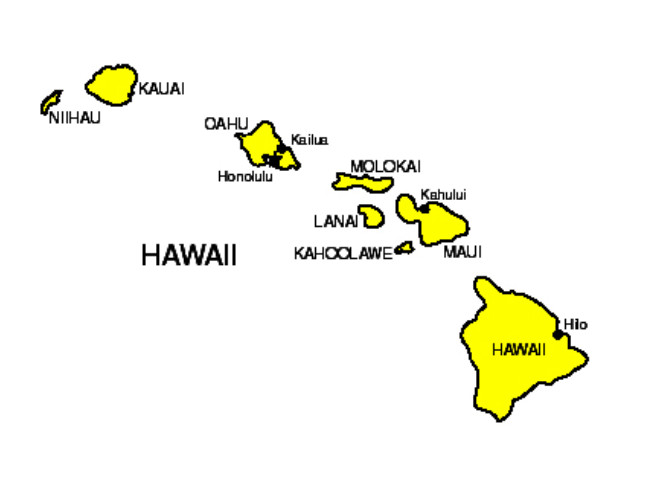
The Historical Path to Statehood: From Kingdom to 50th State
The journey toward statehood was a decades-long process that reflected the shifting power dynamics of the late 19th and early 20th centuries. Long before it was a state, Hawaii was a sovereign kingdom with a sophisticated legal system and international recognition. The landmarks associated with this era provide a poignant look at the transition from a monarchy to a territory, and eventually, to a full member of the union.
Iolani Palace and the End of the Monarchy
Located in the heart of downtown Honolulu, Iolani Palace stands as the only royal palace on United States soil. Completed in 1882, it served as the official residence of the Hawaiian monarchs, including King Kalakaua and his successor, Queen Liliuokalani. The palace is a masterpiece of “American Florentine” architecture, featuring intricate koa wood carvings and the islands’ first electric lights.
However, the palace is also a site of great historical sorrow. It was here that the overthrow of the Hawaiian Kingdom took place in 1893, led by a group of businessmen and supported by U.S. Marines. Queen Liliuokalani was later imprisoned in an upstairs bedroom during the counter-revolution of 1895. Today, the palace is a meticulously restored museum that educates visitors on the royal legacy and the pivotal events that led to the islands becoming a United States territory, a status that would last for over sixty years.
The Transition Through the Territorial Period
Following the annexation in 1898, Hawaii entered a period of rapid development and strategic importance. The territorial era saw the rise of the “Big Five” corporations, which dominated the sugar and pineapple industries. Landmarks such as the Bishop Museum became essential repositories for Hawaiian culture, ensuring that the indigenous history was preserved even as Western influences expanded.
The push for statehood gained significant momentum after World War II. The bravery of the 442nd Regimental Combat Team, composed primarily of Japanese-Americans from Hawaii, played a crucial role in proving the loyalty and readiness of the islands for full statehood. By the time the bill was signed by President Dwight D. Eisenhower, the islands had already established themselves as a modern, multicultural hub in the Pacific Ocean.
Iconic Natural Landmarks Shaping the Hawaii Landscape
The physical identity of the state is defined by its geological wonders. These landmarks are not just tourist attractions; they are the literal foundation of the state’s identity, formed by millions of years of volcanic activity and erosion.
Diamond Head State Monument
Perhaps the most recognizable silhouette in the world, Diamond Head State Monument (known as Leahi to the locals) is a volcanic tuff cone located on the island of Oahu. Formed approximately 300,000 years ago during a single, explosive eruption, it serves as a sentinel over Waikiki.
For those who hike to its summit, the panoramic views of the coastline offer a clear picture of why Honolulu became the capital. Historically, the crater was used as a strategic military lookout, and the remnants of bunkers and navigational stations are still visible. As a landmark, it represents the ancient geological history that predates the arrival of humans, yet it remains central to the modern experience of the state.
Hawaii Volcanoes National Park
On the Big Island, the Hawaii Volcanoes National Park provides a front-row seat to the ongoing creation of the state. This park is home to two of the world’s most active volcanoes: Kilauea and Mauna Loa. Walking through the Thurston Lava Tube or viewing the glow of the Halemaumau Crater reminds visitors that Hawaii is a living, breathing entity.
The park is a sacred site in Hawaiian culture, believed to be the home of Pele, the goddess of fire and volcanoes. The intersection of geological science and indigenous spiritualism here is profound. When Hawaii became a state, these lands were already recognized for their global significance, eventually becoming a UNESCO World Heritage site.
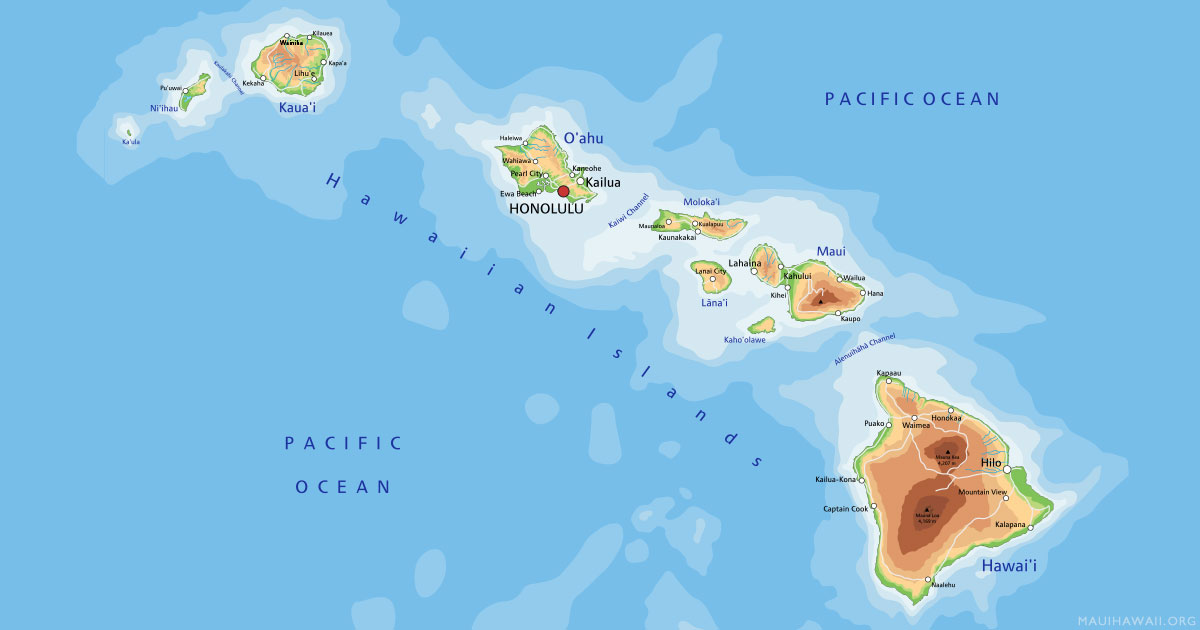
Honoring the Past: Military and Cultural Landmarks
The history of Hawaii statehood is also deeply intertwined with the history of the United States military and the preservation of ancient Polynesian traditions. These landmarks serve as somber reminders of sacrifice and resilient symbols of cultural heritage.
Pearl Harbor and the USS Arizona Memorial
No discussion of Hawaii within the United States context is complete without mentioning Pearl Harbor. The attack on December 7, 1941, was the catalyst for the nation’s entry into World War II and forever linked the destiny of the islands to the mainland.
The USS Arizona Memorial, built over the sunken hull of the battleship, is a landmark of national mourning and reflection. It sits in the quiet waters of the harbor, a stark contrast to the bustling activity of Joint Base Pearl Harbor-Hickam. This site was instrumental in the journey toward statehood, as the post-war reconstruction and the strategic importance of the islands made the case for statehood undeniable.
Puuhonua o Honaunau National Historical Park
To understand the state’s identity before Western contact, one must visit Puuhonua o Honaunau National Historical Park on the Big Island. Known as the “Place of Refuge,” this landmark was a sanctuary for those who had broken a “kapu” (sacred law) or for defeated warriors. If a person reached this sacred ground, they were absolved of their sins and protected from harm.
The park features Great Walls, massive structures built without mortar, and wooden images of gods known as “kii.” As Hawaii transitioned into a state, the preservation of such sites became a priority to ensure that the “Aloha Spirit” and the ancient laws of compassion and sanctuary remained a part of the modern Hawaiian identity.
Architectural Marvels and Modern Statehood
As Hawaii matured as a state, its architecture began to reflect its unique position as a bridge between the East and the West. Modern landmarks in Honolulu and beyond showcase a blend of tropical sensibility and political significance.
The Hawaii State Capitol
Completed in 1969, the Hawaii State Capitol is a departure from the traditional domed capitol buildings found in other states. Its architecture is heavily symbolic of the islands’ natural features. The columns are shaped like palm trees, the two legislative chambers are cone-shaped to represent volcanoes, and the building is surrounded by a reflecting pool, symbolizing the Pacific Ocean that surrounds the state.
The open-air design allows the trade winds to flow through the building, a literal representation of the “open” government intended for the new state. Standing near Iolani Palace, the capitol building represents the modern era of governance that began in 1959, standing in respectful proximity to the royal past.
Polynesian Cultural Center
Located on the North Shore of Oahu, the Polynesian Cultural Center serves as a landmark dedicated to the diverse cultures of the Pacific, including Samoa, Tahiti, Fiji, and New Zealand. While it is a major tourism destination, its role as a landmark of education and cultural preservation is significant. It highlights that while Hawaii is a United States state, its cultural heart is deeply rooted in the broader Polynesian triangle.
The center provides a space where the traditions of Hula, fire-knife dancing, and traditional navigation are not just performed but kept alive for future generations. It stands as a testament to the multiculturalism that defines the 50th state.
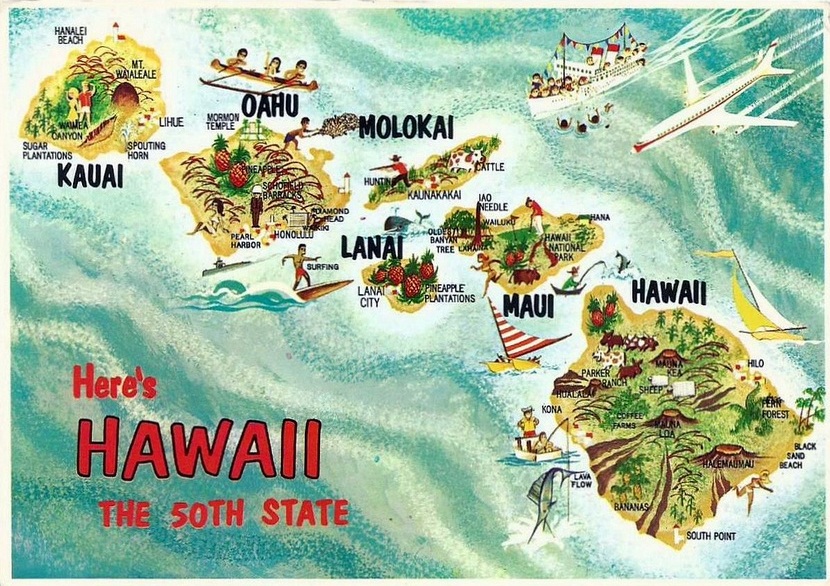
Conclusion: A State Defined by Its Landmarks
The moment when Hawaii became a state was the culmination of a long, often difficult history that transformed a group of isolated islands into a global crossroads. The landmarks of the state—from the rugged cliffs of the Na Pali Coast State Park on Kauai to the red-earthed depths of Waimea Canyon State Park—tell a story of resilience, beauty, and change.
Whether it is the historical weight of the USS Arizona Memorial or the natural majesty of Haleakala National Park on Maui, these sites remind us that Hawaii is unique among the fifty states. It is a place where the past is always present, where the land is literally being born anew, and where the transition to statehood was just one chapter in a much larger, epic narrative of the Pacific Ocean. Exploring these landmarks offers a deeper understanding of what it truly means when we speak of the Hawaii state.
LifeOutOfTheBox is a participant in the Amazon Services LLC Associates Program, an affiliate advertising program designed to provide a means for sites to earn advertising fees by advertising and linking to Amazon.com. Amazon, the Amazon logo, AmazonSupply, and the AmazonSupply logo are trademarks of Amazon.com, Inc. or its affiliates. As an Amazon Associate we earn affiliate commissions from qualifying purchases.