
For many, the allure of online gambling represents a modern frontier of entertainment and leisure. Whether you’re a resident of the Centennial State or planning a visit to its breathtaking landscapes, understanding the legal landscape of online gambling is crucial to ensuring a responsible and enjoyable experience. The question, “Is online gambling legal in Colorado?” is not merely a legal technicality; it’s a lifestyle consideration that impacts how individuals engage with entertainment, manage their finances, and explore leisure activities within the state. As part of a diverse lifestyle that embraces both outdoor adventure and digital engagement, knowing the permissible avenues for online wagering is key for those who enjoy this form of recreation.
The Evolving Landscape of Online Gambling in Colorado
The history of gambling in Colorado is a dynamic narrative, mirroring the broader national evolution from strict prohibitions to carefully regulated markets. Once primarily associated with land-based casinos in historic mining towns, the state has progressively adapted its stance to accommodate the digital age. This transformation reflects a shift in lifestyle preferences, where convenience and accessibility play an increasingly significant role in how people choose to spend their leisure time and disposable income.
A Brief History of Gambling in the Centennial State
Colorado’s journey with gambling began formally in the early 1990s when voters approved a measure to allow limited stakes gambling in three mountain towns: Black Hawk, Central City, and Cripple Creek. This move was primarily aimed at stimulating economic revitalization in these historic communities. For decades, these physical casinos were the sole sanctioned venues for casino games and sports wagering. The lifestyle associated with these destinations involved weekend trips, scenic drives, and the tangible experience of slot machines and card tables.
However, the rapid proliferation of the internet and mobile technology began to challenge this traditional model. As other states started to explore online gambling options, Colorado faced the growing demand from its residents for similar digital access. The appeal of placing a wager from the comfort of one’s home or while enjoying a scenic view in the mountains became an undeniable aspect of modern leisure. This demand, coupled with the potential for significant tax revenue, set the stage for a new era in Colorado’s gambling history, particularly concerning online sports betting.
The Legal Framework: What Colorado Says About Online Wagering
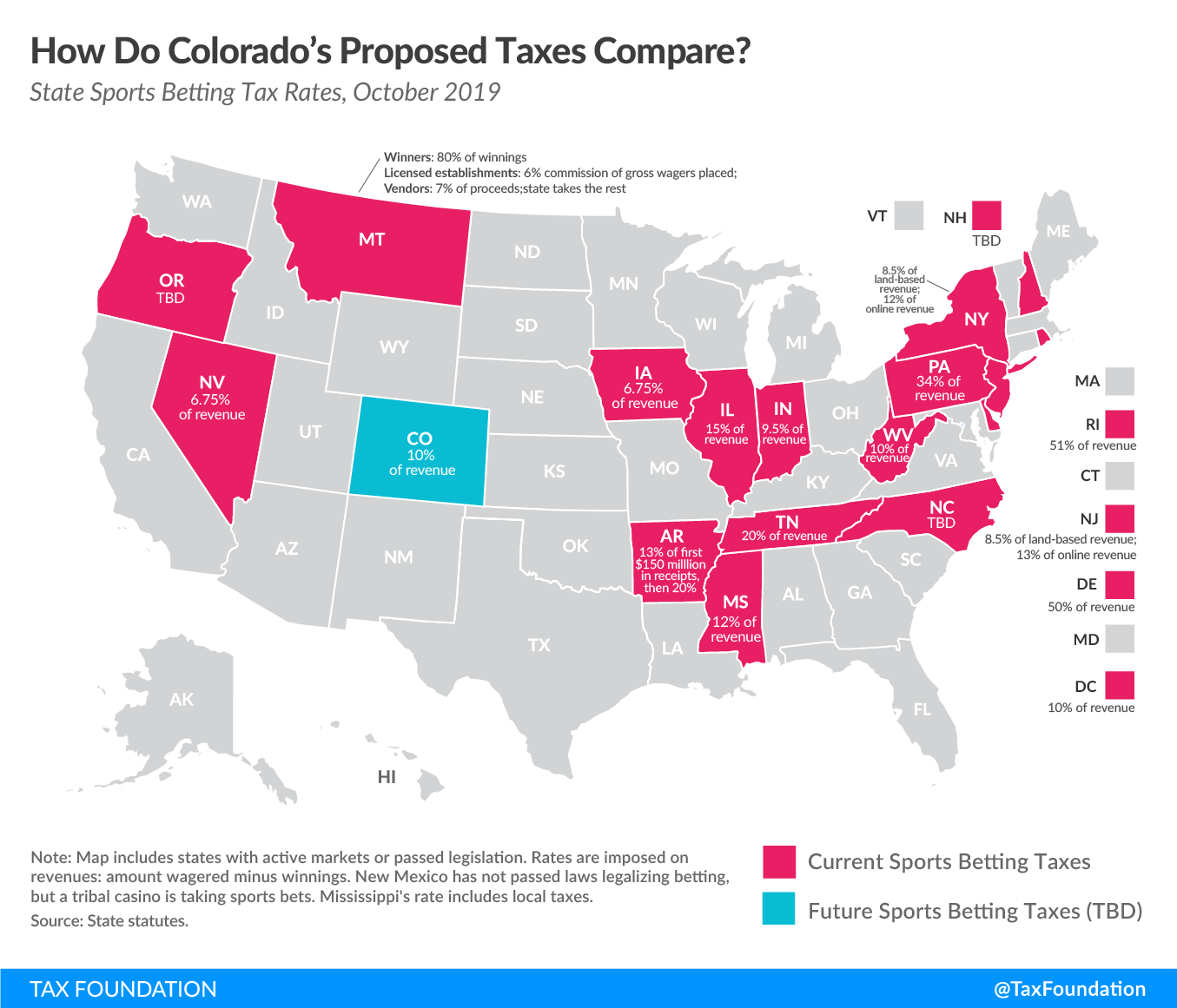
The pivotal moment for online gambling in Colorado arrived in November 2019, when Proposition DD was narrowly passed by voters. This ballot measure paved the way for legal online sports betting, which officially launched on May 1, 2020. The legislation was meticulously crafted to allow eligible individuals aged 21 and older to place bets on a wide array of sporting events through licensed online platforms. The proceeds from sports betting taxes are earmarked for the Colorado Water Plan, highlighting the state’s commitment to resource management while expanding leisure options for its populace.
Under this framework, the Colorado Division of Gaming, under the Colorado Department of Revenue, oversees the licensing and regulation of all legal online sportsbooks. This ensures that operators adhere to strict standards of fairness, security, and responsible gaming, protecting consumers and maintaining the integrity of the market. Crucially, the law specifies that individuals must be physically located within Colorado state lines to place online bets, a geographical restriction enforced through geolocation technology. This meticulous regulation ensures that online gambling integrates responsibly into the lifestyle of Colorado residents and visitors, offering a controlled and secure environment for digital entertainment.
Sports Betting Takes Center Stage
Following the passage of Proposition DD, online sports betting quickly emerged as the flagship offering in Colorado’s digital gambling market. It has become a significant lifestyle component for many sports enthusiasts, offering an engaging way to connect with their favorite teams and events, from the Denver Broncos to international competitions.
The Rise of Regulated Online Sportsbooks
The launch of online sports betting saw a rapid influx of reputable operators eager to tap into Colorado’s vibrant market. These regulated sportsbooks provide a stark contrast to the unregulated, offshore sites that previously posed risks to consumers. Legal platforms offer security, clear payout structures, and robust customer service, making them a trustworthy choice for individuals looking to integrate sports wagering into their lifestyle safely. The competitive landscape among these operators has also led to innovations in user experience, promotional offers, and betting markets, enhancing the overall appeal for bettors. The convenience of placing a wager on a smartphone or computer, whether at home, during a lunch break, or while watching a game at a local pub, has transformed how Colorado residents interact with sports.
Key Players and Platforms in Colorado’s Market
Colorado is home to a robust selection of top-tier online sportsbooks. Major national and international brands have established a significant presence, offering a diverse range of betting options. Prominent examples include:
- DraftKings: A leader in both daily fantasy sports and traditional sports betting, offering a comprehensive platform with a wide array of markets and frequent promotions.
- FanDuel: Another giant in the industry, known for its user-friendly interface, competitive odds, and extensive betting options across various sports.
- BetMGM: Backed by MGM Resorts International, this platform provides a premium betting experience, often integrating with its loyalty programs.
- Caesars Sportsbook: Part of the iconic Caesars Entertainment brand, offering a strong online presence and often attractive bonus offers.
- PointsBet: An Australian-based operator known for its unique “PointsBetting” system, which rewards or penalizes bettors based on the margin of victory.
These platforms, among many others, have become integrated into the digital lifestyle of sports fans across Colorado, offering dynamic ways to engage with sporting events. Each platform brings its unique features and promotions, allowing individuals to choose one that best fits their betting style and preferences.
How to Participate: Requirements and Best Practices
Participating in online sports betting in Colorado is straightforward, but it requires adherence to specific guidelines. To get started, individuals must:
- Be 21 years of age or older: This is a strict legal requirement for all forms of legal gambling in the state.
- Be physically located within Colorado state lines: Geolocation technology verifies your presence. You can register an account from anywhere, but you must be in Colorado to place a bet.
- Register with a licensed online sportsbook: Choose from one of the many state-approved platforms.
- Provide personal verification details: This typically includes your name, address, date of birth, and the last four digits of your Social Security number to confirm your identity and age.
Best practices for engaging in online sports betting as part of a balanced lifestyle include setting personal betting limits, understanding the odds and markets, and never betting more than you can afford to lose. Many platforms offer tools for responsible gaming, such as self-exclusion options and deposit limits, which are vital for maintaining control and ensuring that gambling remains a fun and occasional leisure activity rather than a problem.
Beyond Sports Betting: Other Forms of Online Gambling
While online sports betting enjoys robust legality in Colorado, the legal status of other forms of online gambling, such as online casinos and poker, is distinct and currently more restrictive. Understanding these differences is key for anyone exploring the full spectrum of digital entertainment options in the state.
Online Casinos and Poker: Current Status
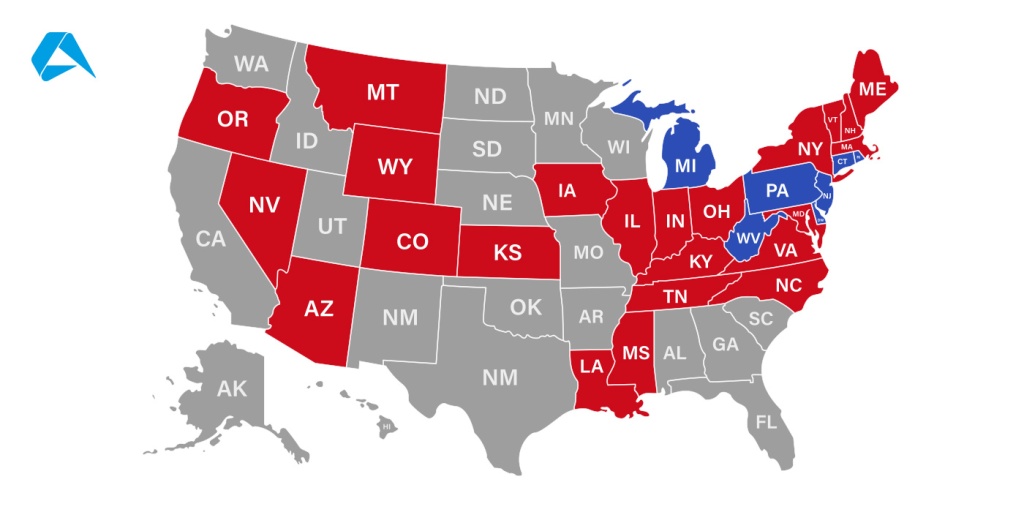
As of now, traditional online casino games (like slots, blackjack, roulette) and online poker are not legal in Colorado. The legislation that legalized online sports betting specifically excluded these forms of gambling. This means that while you can legally place a bet on a sports game from your smartphone, you cannot play a hand of online blackjack or poker for real money within state lines.
This distinction is important for residents and visitors to understand. Any website or app claiming to offer online casino games or poker for real money to players in Colorado is likely operating illegally and poses significant risks regarding fairness, security, and the ability to withdraw winnings. For those who enjoy casino-style games, the option remains to visit the land-based casinos in Black Hawk, Central City, or Cripple Creek for an in-person experience. This current legal landscape shapes the leisure choices available, directing those seeking casino entertainment to physical locations.
Daily Fantasy Sports: A Different Regulatory Path
Daily Fantasy Sports (DFS) occupies a unique space in Colorado’s gambling ecosystem. Unlike traditional sports betting or casino games, DFS was explicitly legalized and regulated in Colorado through separate legislation in 2016. The state views DFS as a game of skill rather than pure chance, which places it in a different legal category.
This means that popular DFS platforms like DraftKings and FanDuel legally operate in Colorado, allowing participants to draft virtual teams of real players and compete for prizes based on their statistical performance. For many sports fans, DFS offers an engaging, skill-based complement to traditional sports viewing and is a fully integrated part of the digital lifestyle for those who enjoy strategic sports competitions.
Lotteries and Charitable Gaming Online
Colorado also operates a state lottery, which offers various draw games and scratch tickets. While the Colorado Lottery primarily conducts sales through retail locations, it does offer some digital engagement, though typically not direct online ticket sales in the same way as sports betting. Charitable gaming, such as bingo or raffles conducted by non-profit organizations, is also legal but generally operates under strict local regulations and is typically conducted in-person rather than online. These options provide alternative forms of regulated gambling for different lifestyle preferences, focusing on community engagement and fundraising.
Responsible Gaming and Consumer Protection
The expansion of online gambling in Colorado has been meticulously paired with a robust commitment to responsible gaming. The state recognizes that while online wagering offers a convenient and exciting form of entertainment, it also carries potential risks. Protecting players and fostering a healthy approach to gambling is paramount to its integration into a balanced lifestyle.
Colorado’s Commitment to Player Safety
The Colorado Division of Gaming, along with the Colorado Limited Gaming Control Commission, ensures that all licensed online sportsbooks adhere to stringent regulations designed to protect consumers. These regulations include requirements for transparent terms and conditions, secure transaction methods, and robust data privacy protocols. Operators are also mandated to implement measures to prevent underage gambling and identify and assist individuals who may be developing gambling problems. This regulatory oversight is critical to maintaining the trust and safety of the market.
Resources for Responsible Gaming
For individuals seeking help or information regarding responsible gambling, Colorado provides numerous resources. The state emphasizes proactive approaches to prevent problem gambling from impacting individuals’ lives. Key resources include:
- Self-Exclusion Programs: Licensed sportsbooks offer options for players to voluntarily exclude themselves from all regulated online gambling activities for a specified period or permanently.
- Deposit Limits and Loss Limits: Players can set daily, weekly, or monthly limits on how much money they can deposit or lose, helping them manage their spending.
- Time-Out Features: Temporarily pausing access to an account for a short period.
- Educational Materials: Licensed operators and state agencies provide information on recognizing the signs of problem gambling.
- Helplines and Support Organizations: Organizations like the Colorado Problem Gambling Coalition offer confidential support and guidance to individuals and families affected by gambling addiction. These resources ensure that the thrill of online betting remains a controlled aspect of one’s lifestyle.
What Players Should Know Before Wagering Online
Before engaging in online gambling, players should be fully informed. They should always:
- Gamble responsibly: View it as entertainment, not a source of income.
- Understand the odds: Know that the house always has an edge.
- Set a budget: Only wager money they can afford to lose.
- Never chase losses: Avoid increasing bets to try and win back lost money.
- Seek help if needed: Utilize the available resources if gambling becomes a problem.
By adhering to these principles, online gambling can remain a manageable and enjoyable facet of one’s leisure time, fitting harmoniously into a diverse lifestyle.
The Future of Online Gambling in Colorado
The legal landscape of online gambling is constantly evolving, driven by technological advancements, shifts in public opinion, and the ongoing need for state revenue. In Colorado, the successful implementation of online sports betting could serve as a blueprint for future expansions, potentially impacting the lifestyle choices and economic well-being of its citizens.
Potential Expansions and Emerging Trends
While online casino games and poker are currently prohibited, the success and revenue generated by online sports betting could lead to future discussions about expanding Colorado’s online gambling offerings. Many states that initially legalized online sports betting have eventually moved to include online casinos, recognizing the additional revenue potential and consumer demand. Such an expansion would significantly broaden the digital entertainment options available to Colorado residents, potentially transforming the state into an even more comprehensive hub for regulated online leisure activities.
Emerging trends, such as live-dealer online casino games, virtual reality gambling experiences, and innovative betting markets, continue to push the boundaries of what’s possible in the online gambling space. Colorado will likely keep a close watch on these developments, evaluating their potential benefits and risks before considering further legislative changes. The integration of technology and responsible gaming practices will be key to any future expansion, ensuring that the lifestyle benefits outweigh potential drawbacks.

Impact on Colorado’s Economy and Lifestyle
The legalization of online sports betting has already demonstrated a positive impact on Colorado’s economy, contributing millions in tax revenue to fund the Colorado Water Plan and other state initiatives. Beyond direct revenue, the industry creates jobs in technology, marketing, and regulatory oversight.
From a lifestyle perspective, online gambling, particularly sports betting, has provided a convenient and regulated outlet for entertainment. It caters to a demographic that values digital accessibility and personalized experiences. For many, it has become a casual form of engagement with sports, adding an extra layer of excitement to games and events. However, it also underscores the importance of maintaining a balanced approach to leisure activities, ensuring that digital entertainment enhances rather than detracts from overall well-being. The continuous evaluation of online gambling’s role in Colorado’s economic and social fabric will shape its future, ensuring it remains a well-managed and integrated component of the modern Centennial State lifestyle.
LifeOutOfTheBox is a participant in the Amazon Services LLC Associates Program, an affiliate advertising program designed to provide a means for sites to earn advertising fees by advertising and linking to Amazon.com. Amazon, the Amazon logo, AmazonSupply, and the AmazonSupply logo are trademarks of Amazon.com, Inc. or its affiliates. As an Amazon Associate we earn affiliate commissions from qualifying purchases.