
Every year, the warm, crystalline waters of Hawaii transform into a vibrant nursery and playground for one of the planet’s most majestic creatures: the North Pacific Humpback Whale. This annual migration is not merely a biological necessity for the whales but a profound seasonal event that defines the rhythm of life across the Pacific Ocean. For travelers visiting the United States from across the globe, witnessing these forty-ton giants breach the surface is often the highlight of their journey. Understanding the nuances of when and where this migration occurs is essential for anyone hoping to experience this natural wonder firsthand.
Defining the Whale Migration Season in the Hawaiian Islands
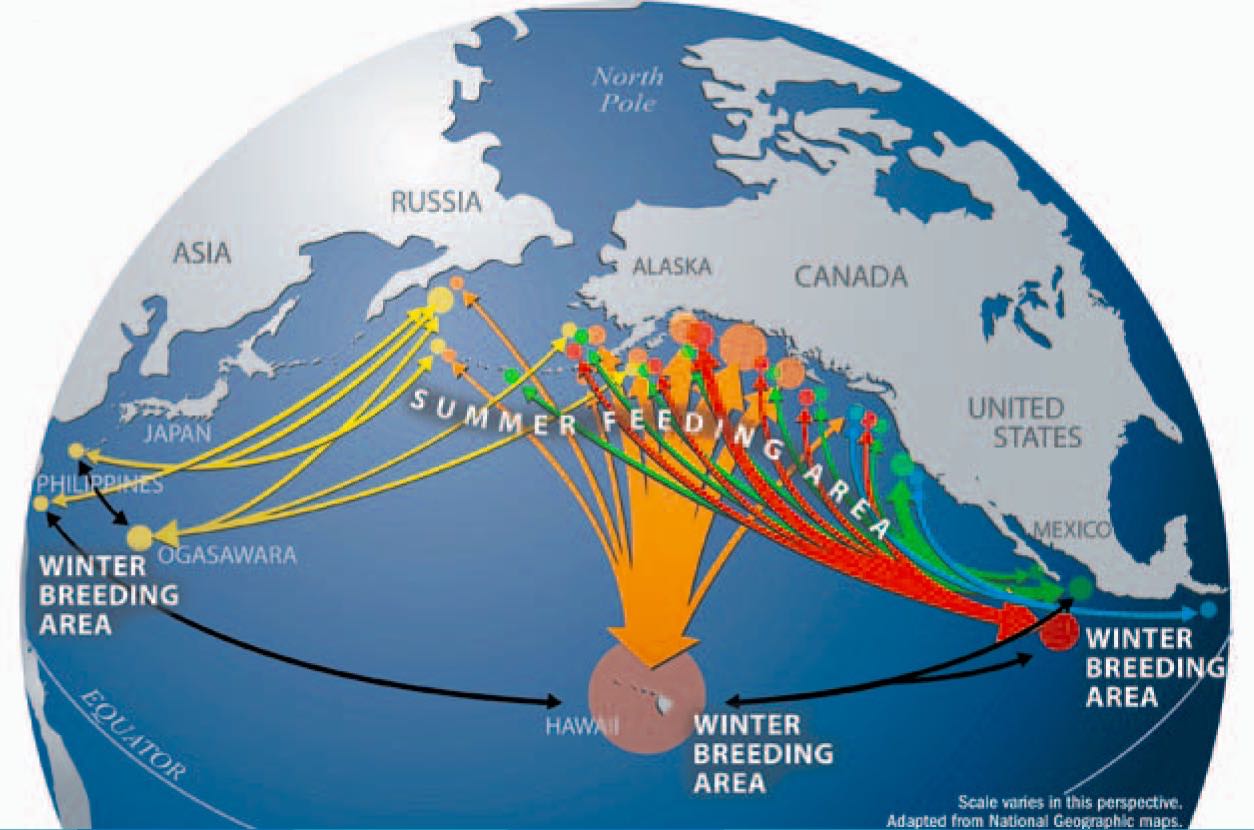
The migration of Humpback Whales to Hawaii is a spectacular display of endurance. These marine mammals travel over 3,000 miles from their summer feeding grounds in Alaska to reach the tropical sanctuary of the islands. While the general window for whale watching is well-known, the specific timing of their arrival and departure can vary slightly based on ocean temperatures and food availability in the north.
Early Arrivals and Late Departures
While the official whale season is often cited as running from December through May, the first adventurous scouts are frequently spotted as early as late September or October. These early arrivals are typically younger males or pregnant females eager to reach the safety of the shallow Hawaiian shelves. By the time November rolls around, sightings become more consistent, particularly off the coasts of Maui and Oahu.
As the season winds down in April, the majority of the pod begins the arduous journey back to Alaska. However, the “late departures” often provide some of the most touching sightings. Mothers with newborn calves are usually the last to leave, staying in the protected waters of Hawaii as long as possible to allow the calves to gain the strength and blubber necessary for the cold northern waters. It is not uncommon to see a few lingering whales well into the middle of May.
The Peak Window: February and March
If your primary goal is to see as many whales as possible, planning your travel for February or March is highly recommended. During these two months, the population of Humpback Whales in Hawaii reaches its absolute peak. Thousands of whales congregate in the shallow channels between the islands, leading to near-constant activity.
During this peak window, the density of whales is so high that you can often see multiple breaches simultaneously from a single vantage point. The competition among males for the attention of females—known as “competition pods”—is most intense during this time. These displays involve aggressive surface behaviors, including head-lunging and tail-slapping, which make for spectacular viewing. For those staying at luxury resorts like the Four Seasons Resort Maui at Wailea or the Grand Hyatt Kauai Resort and Spa, the sight of whales from a private balcony is a common occurrence during these peak months.
Prime Locations for Observing the Humpback Whale Migration
While whales can be seen from almost any coastline in the state, certain geographical features make some islands more favorable than others. The depth of the water and the protection from trade winds play a significant role in where the whales choose to congregate.
The Maui Nui Basin: Hawaii’s Premier Whale Sanctuary
Maui is widely considered the best island for whale watching in the world. This is due to the Maui Nui Basin, a shallow area of ocean surrounded by Maui, Molokai, Lanai, and Kahoolawe. The waters here, particularly the Auau Channel between Maui and Lanai, are relatively shallow and protected, creating the perfect environment for mothers to nurse their calves away from deep-sea predators.
Departing from Lahaina or Maalaea Harbor offers visitors immediate access to these “whale-heavy” waters. Even if you choose not to take a boat, the drive along the Honoapiilani Highway offers numerous pull-offs where you can watch whales from the shore. The town of Kihei and the upscale area of Wailea also provide fantastic shoreline viewing opportunities.
Oahu’s Coastal Vistas and Landmarks
On Oahu, whale watching is a popular winter pastime for both locals and tourists. The island’s North Shore and southeastern coastline are the primary hotspots. One of the most iconic spots for land-based viewing is the Makapuu Point Lighthouse. The elevated trail provides a panoramic view of the Kaiwi Channel, a major thoroughfare for migrating whales traveling between Oahu and Molokai.
Further south, visitors staying in Waikiki can easily book tours that depart directly from Honolulu. Landmarks like Diamond Head serve as a stunning backdrop for whale sightings. While the water around Honolulu is busier with commercial traffic, the whales are frequently seen just outside the reef, seemingly unfazed by the skyline of Hawaii’s capital city.
The Rugged Shores of Kauai and the Big Island
Kauai, known as the Garden Isle, offers a different whale-watching experience. The Na Pali Coast provides a dramatic setting where the whales can be seen against the backdrop of 4,000-foot emerald cliffs. Tours departing from Port Allen or Hanalei Bay offer a chance to see whales in a more rugged and wild environment. On the south side, Poipu Beach is a reliable location for spotting spouts from the sand.
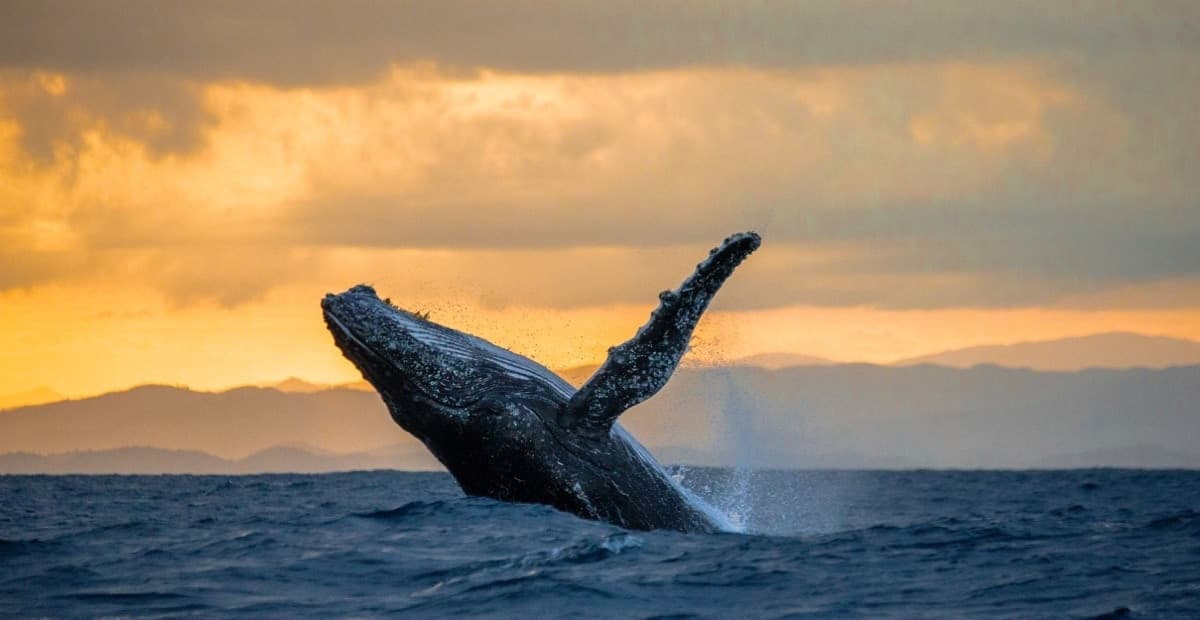
On the Big Island (also known as Hawaii Island), the Kohala Coast is the place to be. The waters off Kailua-Kona drop off quickly to great depths, attracting not only Humpbacks but also year-round residents like Pilot Whales and Spinner Dolphins. The Big Island offers a unique perspective because the whales often come very close to the shore due to the steep underwater drop-offs.
Understanding Whale Behavior and the Purpose of the Journey
To truly appreciate the migration, it helps to understand what the whales are doing in Hawaii. Unlike their time in Alaska, where they spend nearly 24 hours a day feeding on krill and small fish, Humpback Whales do not eat while they are in Hawaii. They are here strictly for biological maintenance: mating, giving birth, and nursing.
The Long Trek from Alaska
The journey from the Gulf of Alaska is a feat of navigation. Scientists believe the whales use a combination of magnetic fields, solar position, and underwater landmarks to find their way to the same Hawaiian bays year after year. Because they do not feed during the journey or their stay in Hawaii, they rely entirely on their blubber reserves. This makes the energy-intensive surface behaviors even more impressive, as the whales are essentially operating on a limited “battery” of fat.
Breeding, Birthing, and the Song of the Kohola
In Hawaiian culture, the Humpback Whale is known as the Kohola and is respected as an ‘aumakua, or ancestral spirit. The whales’ time in Hawaii is a sacred period of renewal. Newborn calves, which are about 10 to 12 feet long at birth, must quickly learn how to swim and breathe. You will often see a mother whale lifting her calf to the surface on her nose to help it take its first breaths.
One of the most mysterious aspects of the migration is the whale song. Only the males sing, and all males in the North Pacific pod sing the same complex song, which evolves slightly every year. If you go snorkeling or diving at places like Hanauma Bay or Molokini Crater during the winter, you can often hear these haunting melodies vibrating through the water, even if no whales are visible.
Planning Your Whale Watching Experience
A successful whale-watching trip in Hawaii requires a mix of preparation and patience. While sightings are almost guaranteed during the peak season, the quality of the experience depends on your choice of tour and your understanding of local regulations.
Selecting the Right Boat Tour
There are various ways to get out on the water. Large catamarans, often used by companies based out of Lahaina or Kailua-Kona, offer stability and amenities like restrooms and bars. These are ideal for families or those prone to seasickness. For a more adventurous experience, raft tours or Zodiacs sit lower in the water, providing an eye-level perspective of the ocean, though they can be a bit more “bumpy.”
Eco-conscious travelers should look for tours that are certified by programs like Dolphin SMART or those that have a naturalist on board. These experts provide invaluable insights into whale biology and help ensure that the vessel maintains a respectful distance.
Best Practices for Shore-Based Observation
You don’t always need a boat to enjoy the migration. Shore-based viewing is a peaceful and cost-effective alternative. Bringing a high-quality pair of binoculars is essential. When scanning the horizon, look for “blows”—the mist created when a whale exhales. On a calm day, these can be seen from miles away.
Locations like the Halona Blowhole on Oahu or the cliffs near Turtle Bay Resort are excellent spots. If you are staying at a beachfront hotel like The Royal Hawaiian, early morning is often the best time for shore viewing, as the water is usually at its calmest and the glare from the sun is minimal.

Conservation and Respectful Viewing Guidelines
The Humpback Whale is a protected species under the Endangered Species Act and the Marine Mammal Protection Act. In Hawaii, it is illegal for any vessel or person to approach within 100 yards of a Humpback Whale. This regulation ensures that the whales are not stressed during their critical breeding and birthing time.
Sometimes, whales are curious and will approach a stationary boat—a phenomenon known as a “mugging.” In these instances, the boat must turn off its engines and wait for the whale to move away. These encounters are often the most memorable, as they happen on the whale’s terms, allowing for a genuine connection between humans and these gentle giants.
By timing your visit to Hawaii during the winter and spring months, you are positioning yourself to witness one of the most incredible migrations in the animal kingdom. Whether you are watching from the deck of a boat in the Auau Channel or from the balcony of a resort in Lihue, the sight of a Humpback Whale against the Hawaiian sunset is an experience that stays with you forever.
LifeOutOfTheBox is a participant in the Amazon Services LLC Associates Program, an affiliate advertising program designed to provide a means for sites to earn advertising fees by advertising and linking to Amazon.com. Amazon, the Amazon logo, AmazonSupply, and the AmazonSupply logo are trademarks of Amazon.com, Inc. or its affiliates. As an Amazon Associate we earn affiliate commissions from qualifying purchases.