
California is a dream destination, famous for its golden beaches, majestic redwood forests, world-class wineries, and vibrant cities like Los Angeles and San Francisco. Visitors flock from across the globe to experience the unique blend of natural beauty and cultural richness that the Golden State offers. Whether you’re planning a scenic road trip along Highway 1, a gastronomic tour through Napa Valley, or a bustling city break, understanding the local laws is paramount to ensuring a safe, enjoyable, and trouble-free visit. Among the most critical regulations for anyone planning to drive, whether a local resident or an international tourist, are the laws pertaining to Blood Alcohol Content (BAC).
Driving under the influence (DUI) laws in California are stringent, designed to protect both drivers and pedestrians from the severe risks associated with impaired driving. For tourists, being unaware of these regulations can swiftly turn a dream vacation into a legal nightmare. This guide delves into the specifics of California‘s legal BAC limits, the severe consequences of violating these laws, and practical tips for navigating the state responsibly, ensuring your memories of California are nothing but positive. Responsible tourism means respecting the local laws and making informed choices, especially when it comes to alcohol consumption and driving.
Understanding California’s DUI Laws for Tourists
For both residents and visitors, California’s legal framework surrounding alcohol and driving is designed to be clear and uncompromising. Navigating these rules is crucial for anyone behind the wheel, especially those exploring the state’s diverse attractions. Being informed about these laws is not just a recommendation; it’s a necessity for a safe and compliant travel experience. The state employs various BAC limits depending on a driver’s age and the type of vehicle they operate, each carrying significant implications.
The Legal Limit: General Public
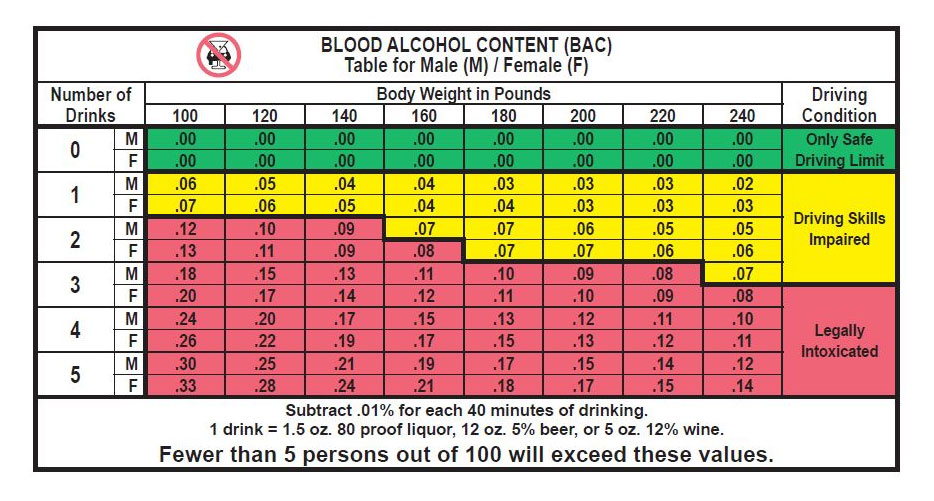
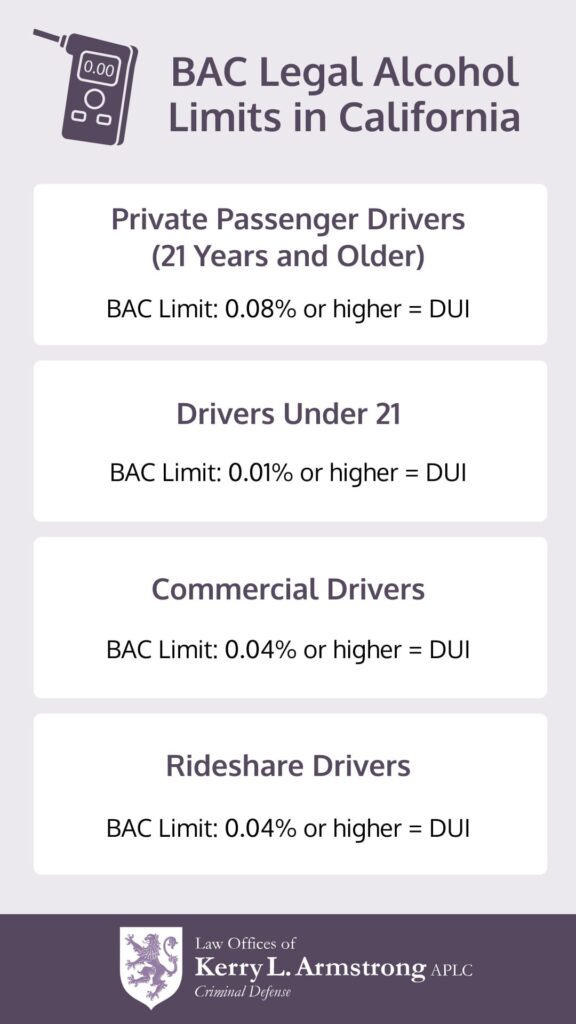
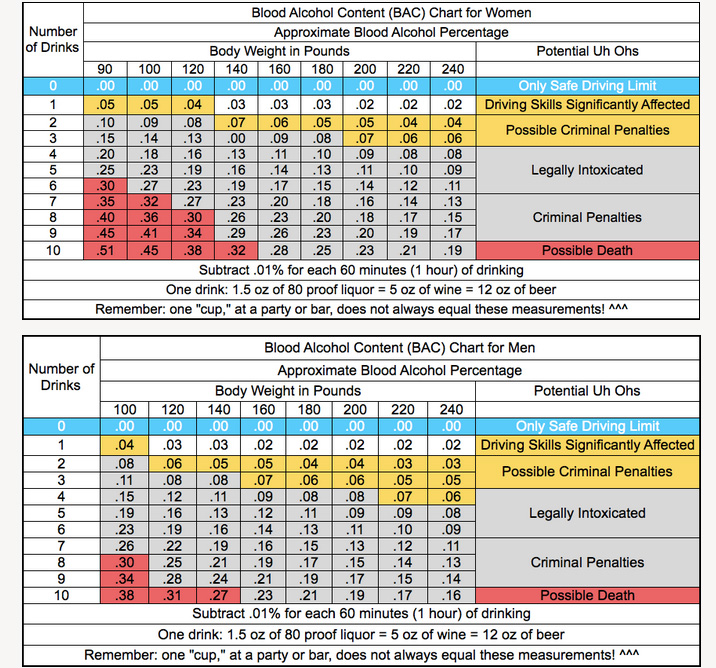
For most drivers in California aged 21 and over, the legal Blood Alcohol Content (BAC) limit is 0.08%. This means that if your BAC is measured at 0.08% or higher, you are legally presumed to be impaired and can be charged with a DUI. It’s vital to understand that this limit is a hard line; exceeding it, even slightly, carries severe legal repercussions. What does 0.08% mean in practical terms? It’s often difficult for individuals to accurately gauge their BAC without a breathalyzer. Factors like body weight, metabolism, gender, amount of food consumed, and the strength of the alcoholic beverage all influence how quickly and to what level one’s BAC rises. A general rule of thumb is that even one or two standard alcoholic drinks can push some individuals close to or over this limit. Given the unpredictability, the safest advice is always to avoid driving after consuming any alcohol, especially if you are not accustomed to alcohol or are exploring unfamiliar roads. Responsible enjoyment of California’s vibrant nightlife or its acclaimed wine regions, such as Napa Valley or Sonoma County, necessitates pre-planning for transportation to ensure compliance with this crucial law.
Special BAC Limits: Under 21 and Commercial Drivers
California implements even stricter BAC limits for specific demographics, reflecting a heightened commitment to safety for vulnerable populations and professional drivers. For individuals under the age of 21, California operates under a “zero tolerance” policy. This means that if you are under 21 years old and are found to have a BAC of 0.01% or higher, you can face DUI charges. This extremely low threshold effectively prohibits any alcohol consumption before driving for underage individuals. The intent is to deter underage drinking and driving completely, emphasizing that minors should not be consuming alcohol at all. For young visitors to California, this rule is particularly important to remember, as penalties can be severe and long-lasting, potentially affecting future travel and educational opportunities.
Furthermore, commercial drivers, such as those operating trucks, buses, or other commercial vehicles, face a significantly lower BAC limit of 0.04% while operating a commercial vehicle. This stricter standard acknowledges the greater responsibility and potential for widespread harm associated with operating large vehicles. If a person holds a Commercial Driver’s License (CDL) but is driving a personal vehicle, the general 0.08% limit applies. However, it’s a common misconception that having a CDL exempts you from standard DUI laws in your personal vehicle; any DUI conviction, regardless of the vehicle type, can lead to severe consequences for your commercial driving privileges. Therefore, for tourists who happen to hold a CDL, or for professional drivers visiting the state, understanding this dual standard is critical to avoiding career-damaging legal issues.
Consequences of Driving Under the Influence (DUI) in California
The legal system in California imposes severe penalties for driving under the influence, reflecting the state’s commitment to public safety. These consequences are designed to be a deterrent and can have profound, long-lasting effects, particularly for visitors who may not be familiar with the intricacies of United States law. A DUI conviction can turn a memorable vacation into a very costly and distressing ordeal, impacting travel plans, finances, and even future international travel.
Immediate and Long-Term Penalties
The penalties for a DUI conviction in California are multifaceted and can include both immediate and long-term consequences. Upon arrest, your driver’s license can be immediately suspended by the Department of Motor Vehicles (DMV), a process separate from the criminal court proceedings. For tourists, this could mean an inability to drive a rental car, thus disrupting planned itineraries and necessitating alternative, often expensive, transportation. A first-offense DUI typically involves significant fines, which can range from hundreds to thousands of dollars, coupled with mandatory court fees and administrative costs. Additionally, offenders are usually required to attend DUI classes or an alcohol education program, which can last for several months. For visitors, completing such a program from their home country can be impractical or impossible, leading to further legal complications.
Beyond these, potential jail time is a possibility, even for a first offense, though it is often suspended in favor of probation and other penalties. However, subsequent DUI offenses carry increasingly severe penalties, including longer jail sentences, higher fines, and extended license suspensions. The financial burden can be staggering, encompassing legal fees for attorneys, increased insurance premiums (if you are a California resident), and the costs associated with an Ignition Interlock Device (IID) if mandated. For international travelers, a DUI conviction in the United States could also complicate future visa applications or entry into other countries, significantly impacting their ability to travel freely. The combined stress, financial strain, and disruption to travel plans underscore why adherence to BAC limits is critically important for anyone visiting California.
Implied Consent Law
An often-overlooked but crucial aspect of California’s DUI laws is the Implied Consent Law. This legal principle dictates that by the very act of operating a motor vehicle on California roads, you have automatically given your consent to chemical testing (such as blood, breath, or, in some cases, urine) if you are lawfully arrested for driving under the influence. This means that if a law enforcement officer has probable cause to believe you are driving impaired and subsequently arrests you, you are legally obligated to submit to a chemical test to determine your BAC. Refusing to submit to a chemical test carries its own set of severe penalties, separate from and in addition to, any penalties for the DUI itself.
For a first offense, refusing a chemical test will result in an automatic, mandatory one-year suspension of your driving privileges in California, regardless of whether you are ultimately convicted of a DUI. This suspension is often longer for subsequent refusals. Furthermore, refusal can lead to enhanced penalties if you are ultimately convicted of a DUI, including longer jail sentences and higher fines. For tourists, this has immediate and significant implications. Even if you believe you are not impaired, refusing a test out of unfamiliarity with the law or a misunderstanding of your rights can lead to immediate loss of driving privileges and complicate your legal situation immensely. It is important for all drivers, especially visitors from other countries, to be aware of this “implied consent” and understand that refusal carries direct and severe consequences that can severely impact the remainder of their trip and beyond.
Responsible Tourism: Navigating Alcohol Consumption in California
Experiencing California’s vibrant culture often involves enjoying its world-renowned culinary scene, local craft breweries, and the legendary wine regions of Napa Valley and Sonoma County. These experiences are central to many visitors’ itineraries. However, responsible enjoyment is key, particularly when it comes to alcohol consumption. Integrating awareness of California’s strict DUI laws into your travel planning ensures that your exploration remains safe, enjoyable, and free from legal complications.
Planning Ahead: Alternatives to Driving
The cornerstone of responsible alcohol consumption while traveling in California is to plan your transportation in advance. Fortunately, the state offers numerous convenient and safe alternatives to driving. Ride-sharing services like Uber and Lyft are widely available in most urban and even some rural areas, offering a reliable way to get around after enjoying a drink or two. Simply download the app, request a ride, and a designated driver will pick you up. In major metropolitan areas such as Los Angeles, San Francisco, and San Diego, extensive public transportation networks—including buses, light rail, and subway systems—provide efficient and affordable options for getting to and from attractions, restaurants, and hotels.
For groups traveling together, designating a sober driver is an excellent strategy. This person commits to abstaining from alcohol for the evening to safely transport everyone. Taxis are also readily available, particularly in city centers and near popular tourist hotspots. Furthermore, when planning your accommodation, consider staying within walking distance of restaurants, bars, or attractions where you anticipate consuming alcohol. Many areas of California are pedestrian-friendly, offering beautiful strolls that enhance the travel experience while eliminating the need for a vehicle. By utilizing these alternatives, you can fully immerse yourself in California’s offerings without ever having to worry about DUI laws.
Enjoying California’s Culinary and Wine Scene Responsibly
California is a global leader in gastronomy and viticulture, making its culinary and wine scenes irresistible to many tourists. From world-class restaurants to quaint tasting rooms in picturesque vineyards, the opportunities to indulge are abundant. To enjoy these experiences responsibly, it’s crucial to be mindful of your consumption. When visiting wineries, for example, consider splitting tastings with a companion or opting for smaller pours. Many wine regions also offer guided tours that include transportation, allowing you to sample wines without the worry of driving.
At restaurants and bars, pace your drinks, alternate alcoholic beverages with water, and always ensure you eat food, as this can slow the absorption of alcohol into your bloodstream. Be aware of the alcohol content of different drinks; craft beers can be significantly stronger than standard lagers, and cocktails often contain multiple shots of liquor. It’s also wise to remember that altitude, fatigue, and individual tolerance can all affect how alcohol impacts you. The goal is to savor the flavors and experiences without becoming impaired. By making conscious choices about what and how much you consume, you can fully appreciate California’s epicurean delights while remaining in control and compliant with local laws. This responsible approach ensures that your memories are of exquisite tastes and joyful moments, not legal troubles.
Legal vs. Safe Driving
Understanding the legal BAC limit is a foundational step, but it’s equally important to distinguish between “legal” and “safe” driving. While California’s legal limit for drivers 21 and over is 0.08%, this does not mean that driving with a BAC below this threshold is inherently safe or without risk. Many individuals experience impairment at BAC levels significantly lower than 0.08%. Even a small amount of alcohol can affect your judgment, reaction time, coordination, and ability to concentrate, all of which are critical for safe driving. Factors such as fatigue, medication, or unfamiliar roads can further amplify these effects, making even a single drink potentially hazardous.
The state’s laws are minimum standards, but personal safety and the safety of others on the road demand a higher level of caution. A truly responsible approach to tourism in California is to adopt a “Drive Sober or Get Pulled Over” mindset, or more simply, if you plan to drink any alcohol, do not drive. This absolute stance eliminates all risk of impairment, legal issues, and potential accidents. Opting for a ride-share, public transport, or a designated driver ensures that you and your companions remain safe, compliant with the law, and free to enjoy everything California has to offer without the looming threat of a DUI. Prioritizing absolute safety over merely staying within legal limits is the hallmark of a truly insightful and engaging travel experience.
The Broader Impact on Your California Experience
A trip to California is often a meticulously planned endeavor, filled with anticipation for iconic sights, unique experiences, and unforgettable moments. The last thing any traveler wants is for these carefully laid plans to unravel due to unforeseen circumstances, especially those that could have been prevented. A DUI conviction extends far beyond the immediate legal ramifications, casting a long shadow over your entire travel experience and potentially impacting your life long after your vacation ends.
Financial and Personal Costs
The financial repercussions of a DUI in California are staggering and can quickly dwarf the cost of your entire trip. Fines and penalties alone can range from hundreds to several thousands of dollars. Add to that the cost of hiring a defense attorney, which can easily climb into the tens of thousands, especially for complex cases or multiple offenses. For tourists, this means diverting funds from planned activities, souvenirs, or even essential travel expenses, leading to significant financial stress. There are also impoundment fees for your vehicle, towing charges, and the potential cost of an Ignition Interlock Device (IID) if mandated. If you’re a California resident, your insurance premiums will skyrocket, sometimes for years.
Beyond the monetary costs, the personal toll of a DUI is immense. An arrest and subsequent legal proceedings can consume valuable vacation time, forcing you to spend days in court or with legal counsel instead of exploring California’s wonders. The stress, anxiety, and embarrassment associated with a DUI can taint the entire memory of your trip. Furthermore, a criminal record, which a DUI conviction typically entails, can have long-term consequences, affecting employment opportunities, professional licenses, and most notably for international travelers, future eligibility for visas or entry into other countries, including the United States itself. This accumulation of financial strain and personal anguish can transform a dream vacation into a lasting nightmare.
Preserving Your Travel Memories
The primary goal of any tourist is to create cherished memories, to return home with stories and experiences that enrich their lives. A DUI, however, has the power to hijack these memories, replacing joyous recollections with the trauma and regret of legal entanglements. Instead of remembering the breathtaking sunsets over the Pacific Ocean, the thrill of exploring Universal Studios Hollywood, or the tranquility of a Napa Valley vineyard, your thoughts might be dominated by court dates, legal fees, and the fear of deportation or future travel restrictions.
Preserving your travel memories means making proactive, responsible choices that ensure your safety and adherence to local laws. By understanding and respecting California’s BAC limits and utilizing the many safe transportation alternatives available, you safeguard not only yourself but also the integrity of your travel experience. A responsible tourist is an informed tourist, one who prioritizes safety and legal compliance, allowing them to fully immerse themselves in the destination without unnecessary risk. Ultimately, by choosing to plan ahead and drink responsibly, you ensure that your California adventure remains an unblemished collection of incredible moments, free from the shadow of a preventable legal crisis.
In conclusion, understanding “What Is The Legal Bac In California?” is not merely a legal technicality; it is a fundamental aspect of responsible tourism. The state’s strict DUI laws, combined with the severe consequences for violations, underscore the critical importance of informed decision-making. By familiarizing yourself with the 0.08% BAC limit for most drivers, the “zero tolerance” policy for those under 21, and the 0.04% limit for commercial drivers, you lay the groundwork for a safe and legally compliant visit. More importantly, by actively choosing alternatives to driving under the influence—whether utilizing ride-sharing services like Uber and Lyft, public transportation in cities like San Francisco and San Diego, or a designated driver—you not only protect yourself from significant financial and personal distress but also contribute to the safety of California’s roads. Embrace the Golden State responsibly, and your memories will truly be golden.
LifeOutOfTheBox is a participant in the Amazon Services LLC Associates Program, an affiliate advertising program designed to provide a means for sites to earn advertising fees by advertising and linking to Amazon.com. Amazon, the Amazon logo, AmazonSupply, and the AmazonSupply logo are trademarks of Amazon.com, Inc. or its affiliates. As an Amazon Associate we earn affiliate commissions from qualifying purchases.